Topic Overview
This topic surveys the functional, commercial and deployment choices that define contemporary AI chatbots and conversational assistants for customer service and personal use as of 2026-01-25. It covers core feature trends — multimodal inputs, retrieval-augmented generation (RAG), real‑time web grounding and citations, multi-agent orchestration, and privacy-enabled private models — and how those map to pricing and monetization strategies. Key platform examples illustrate those tradeoffs: Google Gemini provides multimodal models and cloud APIs (Google AI Studio, Vertex AI) for developers and enterprises; Perplexity AI emphasizes real-time, web-grounded answers with citations and developer APIs; IBM watsonx Assistant focuses on enterprise virtual agents and no-code/developer orchestration; Cohere supplies private, customizable LLMs, embeddings and retrieval for business use cases. No-code builders (Anakin.ai, WebTalkBot) and workspace-integrated assistants (Notion) lower integration friction for document Q&A and automation, while specialized agents (HelloAI for Shopify, Katara for Discord) show vertical monetization tied to conversions and community engagement. Monetization and pricing patterns include usage-based API billing, tiered subscriptions, per-seat or per-bot enterprise licensing, transaction- or conversion-based fees for commerce bots, and premium features (human escalation, extended context, private hosting). Deployment choices — cloud inference, fine‑tuning vs. retrieval pipelines, and on‑device or OS‑level assistants (e.g., Siri redesign trends) — affect cost, latency and data controls. Evaluation priorities are accuracy, grounding/citation quality, latency, cost-per-query and conversion metrics for customer-service bots. Understanding these technical and commercial dimensions helps teams choose between turnkey no-code options, managed enterprise platforms, or custom stacks built on model APIs and platforms.
Tool Rankings – Top 6
AI-powered answer engine delivering real-time, sourced answers and developer APIs.
A no-code AI platform with 1000+ built-in AI apps for content generation, document search, automation, batch processing,

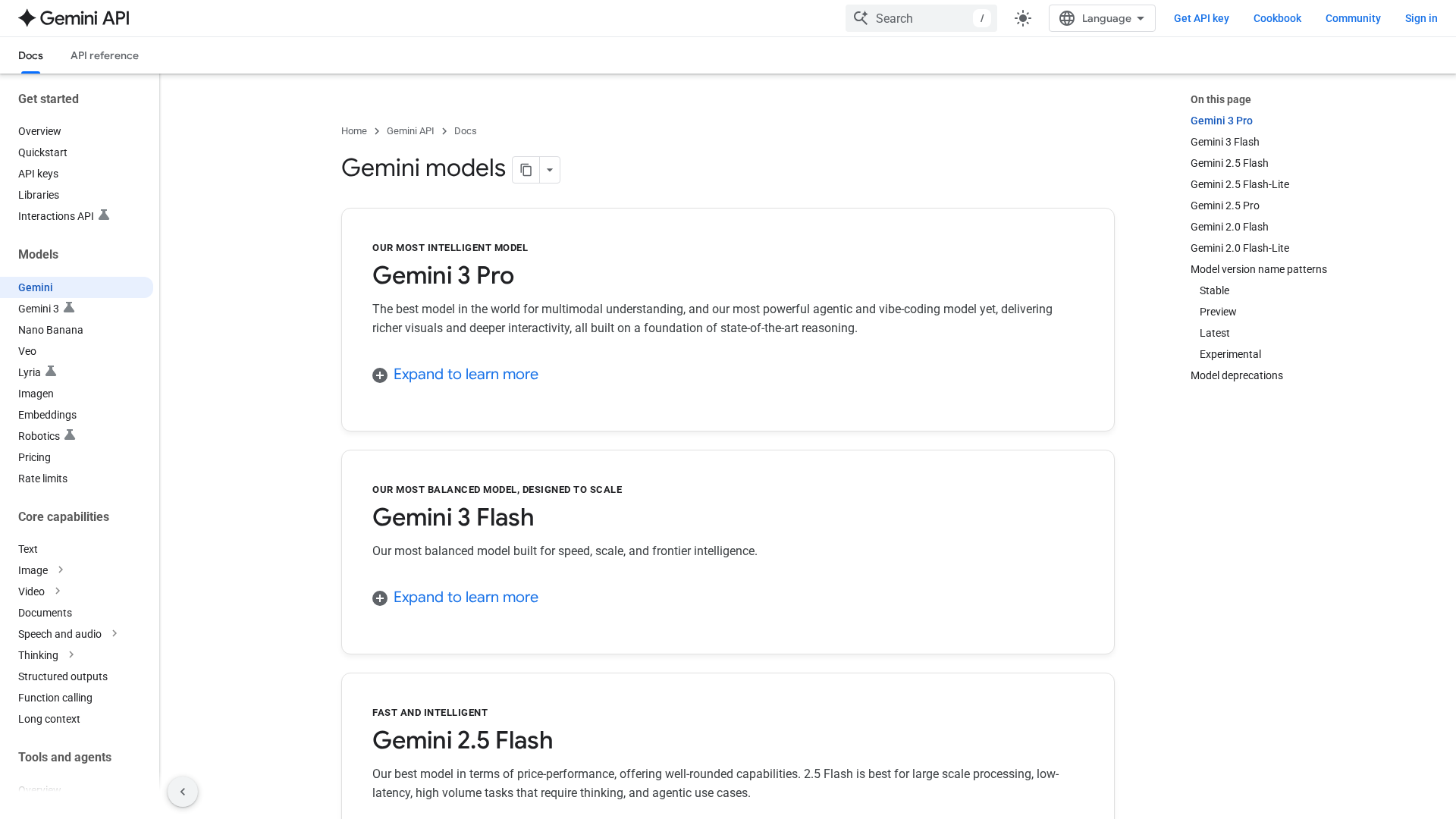
Google’s multimodal family of generative AI models and APIs for developers and enterprises.

Enterprise virtual agents and AI assistants built with watsonx LLMs for no-code and developer-driven automation.

Unified, fully-managed Google Cloud platform for building, training, deploying, and monitoring ML and GenAI models.

Enterprise-focused LLM platform offering private, customizable models, embeddings, retrieval, and search.
Latest Articles (72)
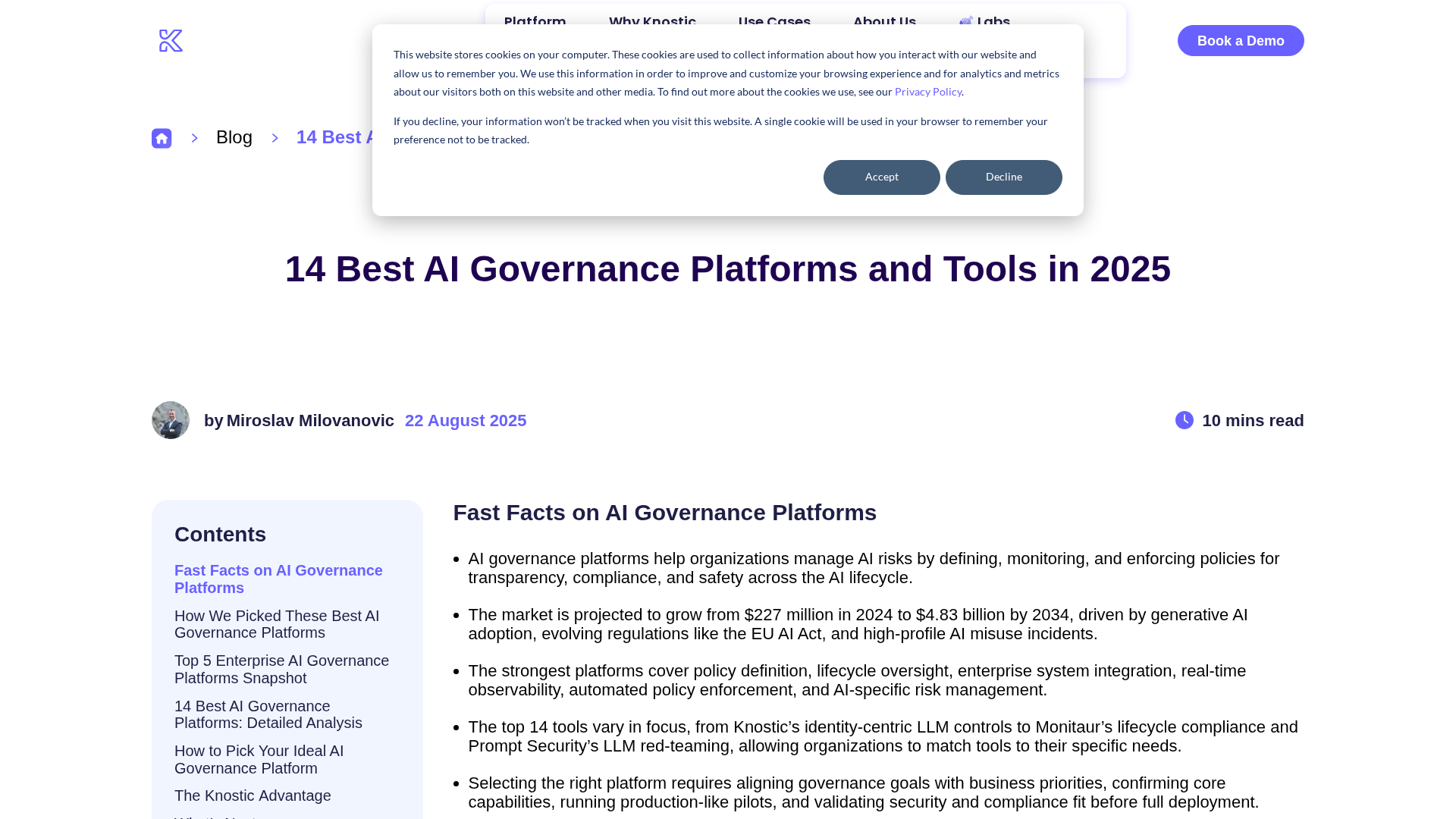
A vendor‑agnostic guide to the 14 best AI governance platforms in 2025, with criteria, comparisons, and practical buying guidance.
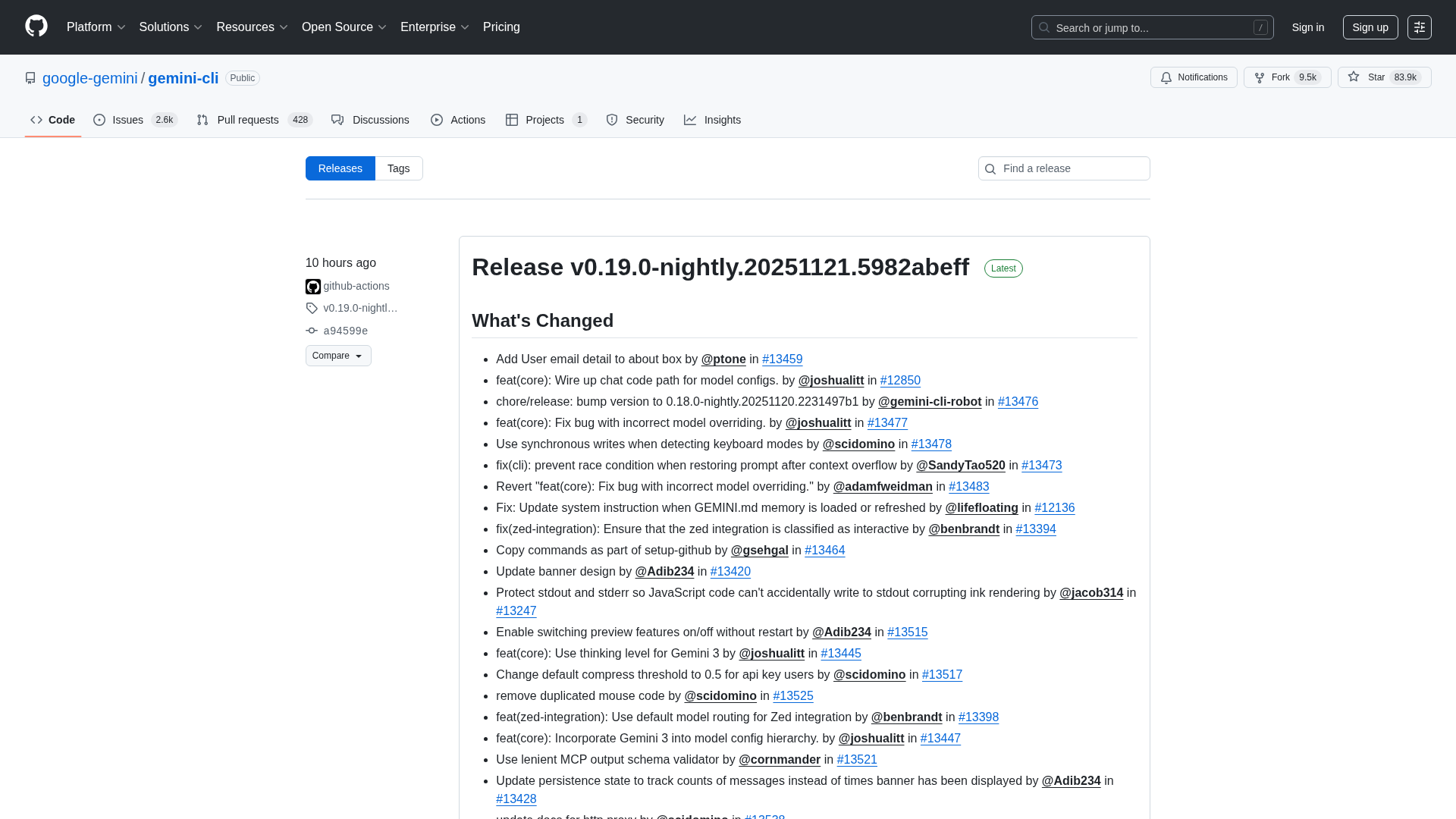
Overview of the Gemini CLI v0.36.0-preview release series, highlighting architectural, CLI, and UI changelogs across multiple pre-release versions.
When JavaScript is disabled, x.com prompts enabling it or disabling privacy extensions to regain access.
Adobe nears a $19 billion deal to acquire Semrush, expanding its marketing software capabilities, according to WSJ reports.
Wolters Kluwer expands UpToDate Expert AI with UpToDate Lexidrug to bolster drug information and medication decision support.