Topic Overview
AI Health Agents & Clinical Assistant Platforms covers the class of systems that use large language and multimodal models, agentic automation, and no-code/low-code tooling to assist clinicians, care teams, and patients. These platforms power conversational triage, virtual clinical assistants, EHR-integrated workflow automation, and personalized health coaching. As of 2026-04-01, adoption is shaped by several converging trends: more capable multimodal models (e.g., Google Gemini) for text, image and signal understanding; conversationally focused assistants (Anthropic’s Claude family) for synthesis and documentation; enterprise-grade assistant frameworks (IBM watsonx Assistant) that pair no-code builders with developer controls; no-code/low-code agent orchestration and governance platforms (StackAI) for deployment and oversight; and agentic systems (Adept/ACT-1) that can operate inside software interfaces to automate multi-step clinical workflows. Relevance and timeliness: clinical deployments increasingly prioritize integration with electronic health records, workflow automation, and tightly scoped human-in-the-loop safety nets, while regulatory scrutiny, data-protection requirements, and clinical validation demands have intensified. Effective solutions therefore combine model capability with role-based governance, auditability, and EHR interoperability. Key use cases include documentation support, automated prior authorization, patient messaging and coaching, remote monitoring summaries, and developer/clinical co-design through no-code builders. Risks and operational considerations—privacy, bias, clinical validation, and change management—remain central to procurement and deployment decisions. This topic synthesizes current tool categories and practical constraints so health systems, vendors, and evaluators can compare architectures, functional roles, and governance approaches when choosing or building clinical AI assistants and personal AI health coaches.
Tool Rankings – Top 5

Enterprise virtual agents and AI assistants built with watsonx LLMs for no-code and developer-driven automation.
End-to-end no-code/low-code enterprise platform for building, deploying, and governing AI agents that automate work onun
Anthropic's Claude family: conversational and developer AI assistants for research, writing, code, and analysis.

Google’s multimodal family of generative AI models and APIs for developers and enterprises.
Agentic AI (ACT-1) that observes and acts inside software interfaces to automate multistep workflows for enterprises.
Latest Articles (63)
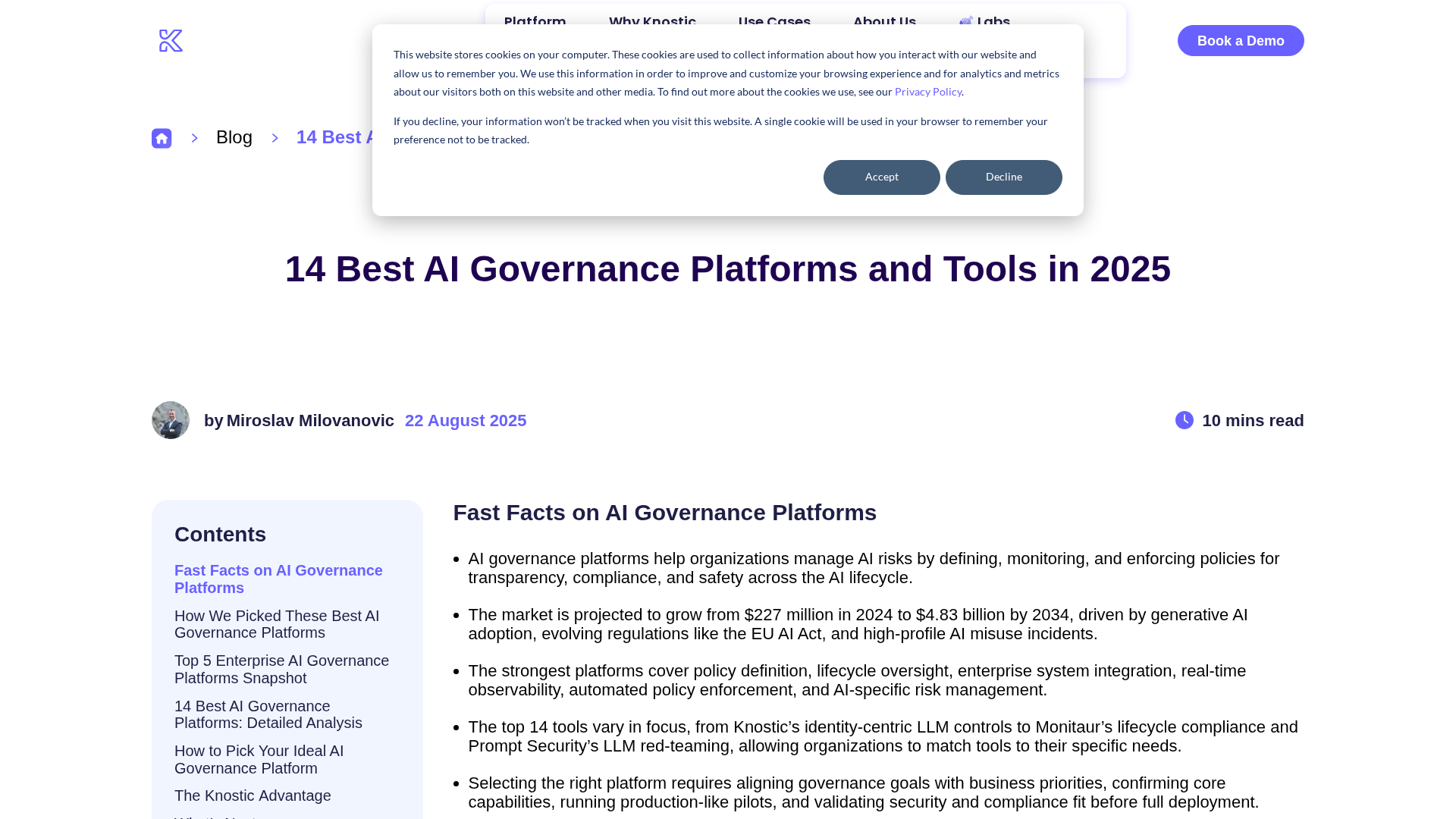
A vendor‑agnostic guide to the 14 best AI governance platforms in 2025, with criteria, comparisons, and practical buying guidance.
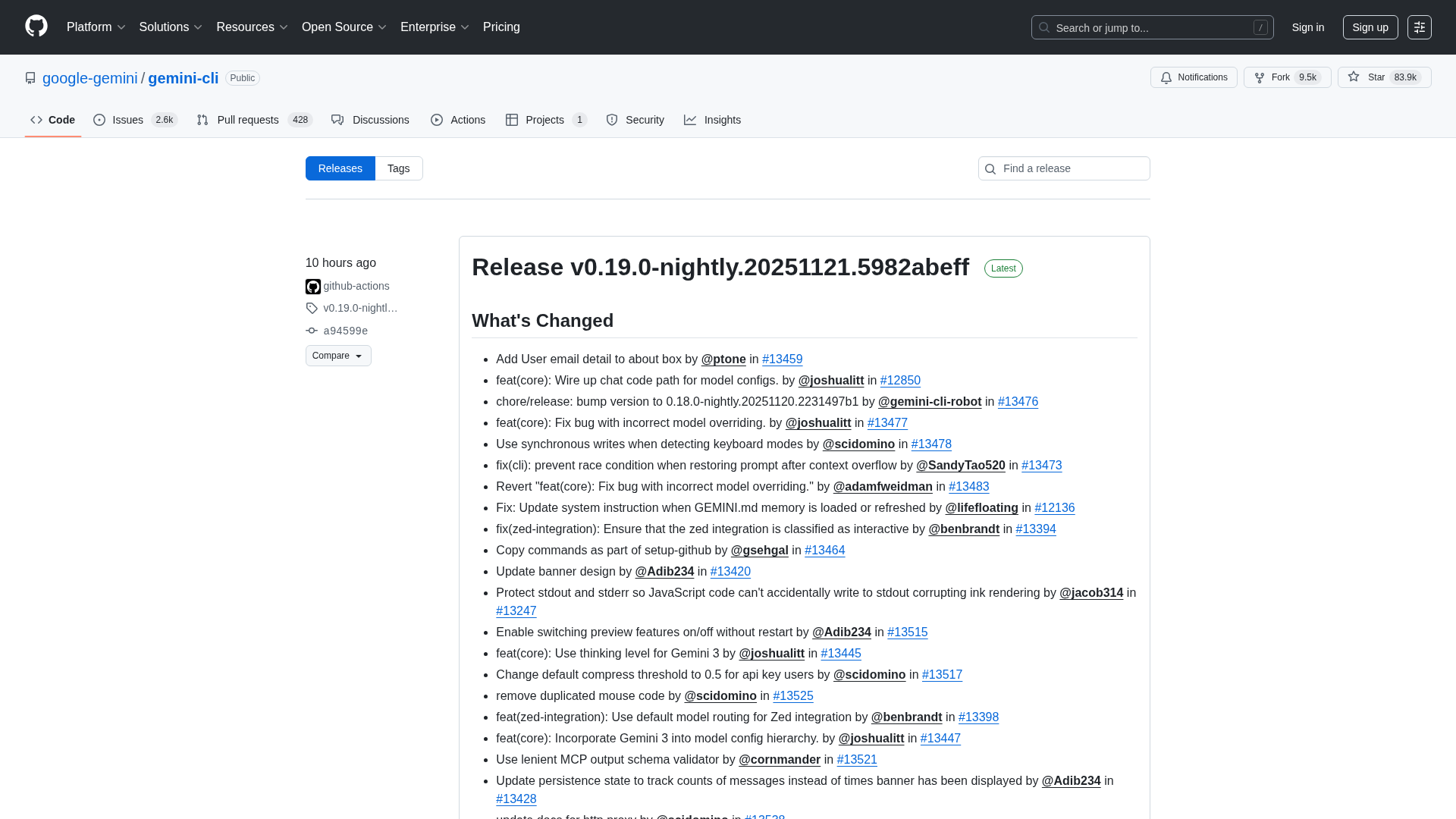
Overview of the Gemini CLI v0.36.0-preview release series, highlighting architectural, CLI, and UI changelogs across multiple pre-release versions.
Adobe nears a $19 billion deal to acquire Semrush, expanding its marketing software capabilities, according to WSJ reports.
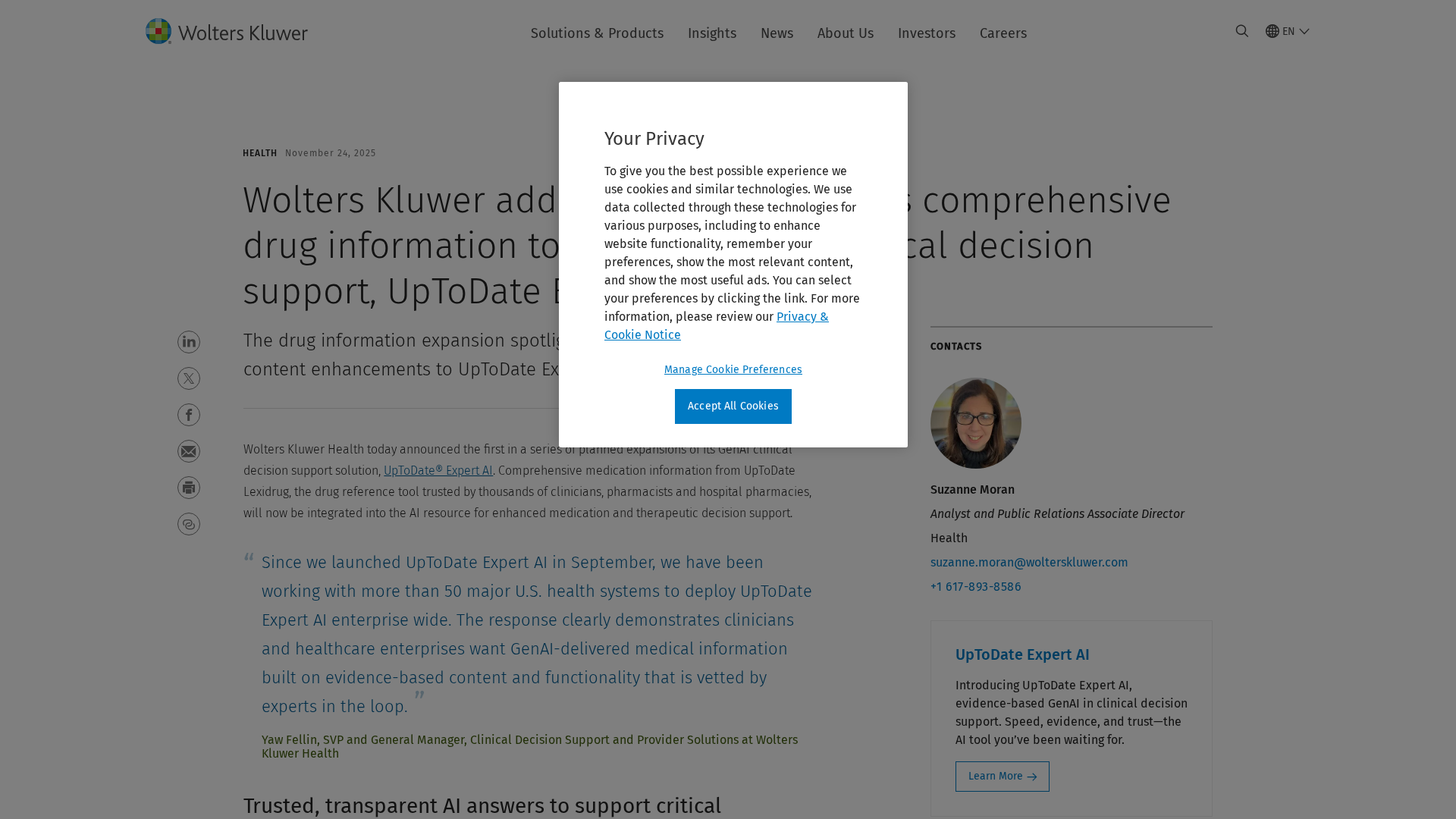
Wolters Kluwer expands UpToDate Expert AI with UpToDate Lexidrug to bolster drug information and medication decision support.
A practical, step-by-step guide to fine-tuning large language models with open-source NLP tools.