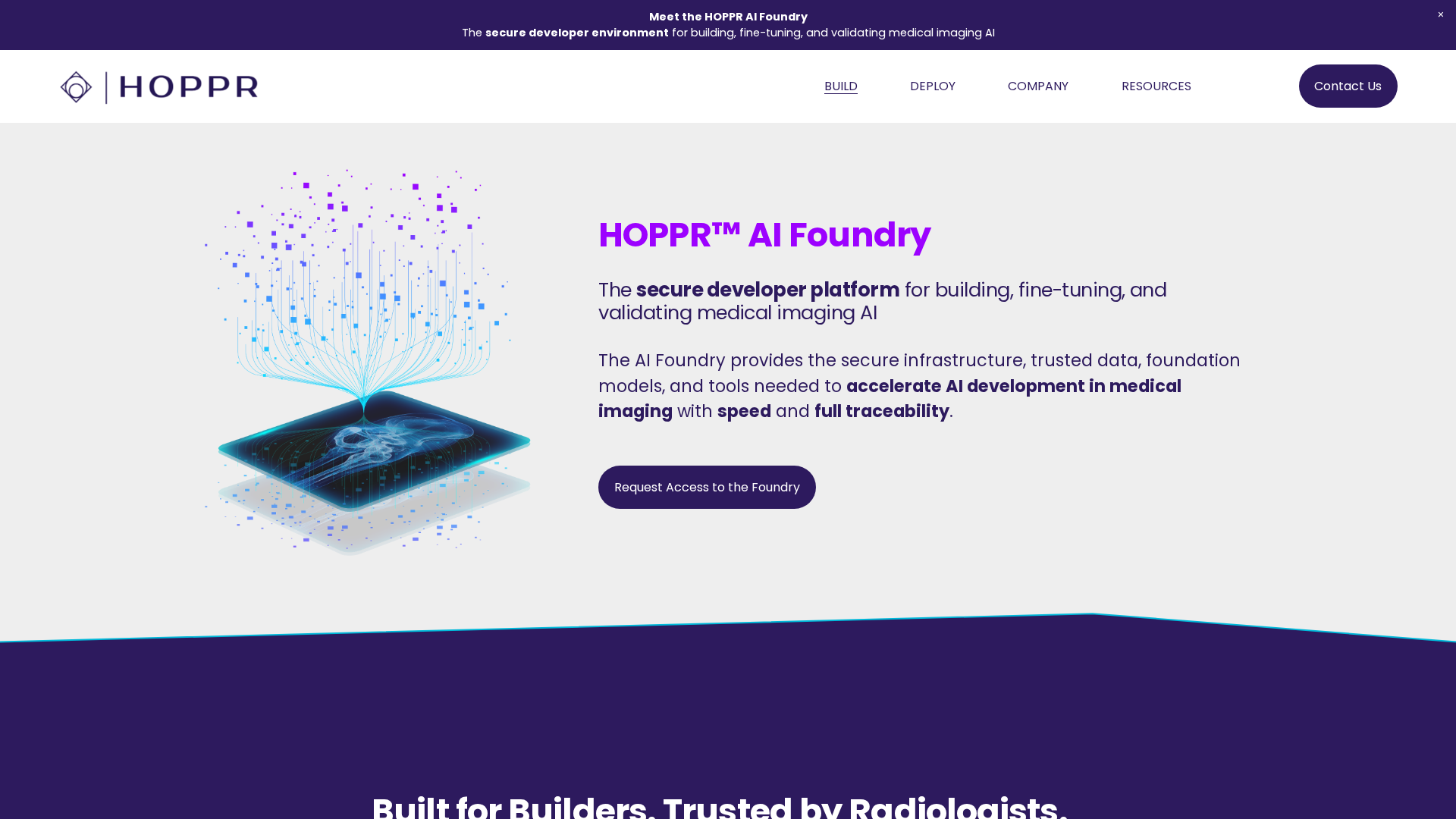
Topic Overview
This topic surveys the emerging ecosystem of medical imaging AI model marketplaces and foundries: centralized catalogs and production platforms that package pre‑trained imaging models, fine‑tuning pipelines, validation artifacts and deployment tooling for clinical and research use. As of 2026, demand for ready‑to‑deploy imaging models has grown alongside stricter regulatory and privacy expectations, rising compute requirements for inference, and a shift toward modular, vendor‑agnostic model delivery. Key platform types include cloud ML marketplaces and model gardens (e.g., Google Vertex AI’s Model Garden and Gemini integrations) that offer end‑to‑end training, evaluation and deployment; enterprise model providers (Mistral AI, Cohere, IBM watsonx) that supply customizable or private models and governance controls; GPU and optimized model vendors (NVIDIA’s medical imaging models and SDKs) that emphasize performance and hardware integration; and specialist foundries/marketplaces (for example, HOPPR AI Foundry) that focus on curation, clinical validation and interoperability. Supporting services include inference‑acceleration and fine‑tuning clouds (Together AI), and governance/validation platforms (Monitaur) to manage vendor risk, audit trails and regulatory compliance. Buyers evaluate these options on clinical validation, dataset provenance, explainability, deployment latency, integration with PACS/EMR, and vendor governance. The marketplace/foundry model helps teams reduce development time by providing reusable, tested components, but introduces new operational questions — model updates, performance drift monitoring, and cross‑vendor interoperability. This overview frames the practical tradeoffs and tool categories organizations weigh when adopting medical imaging AI through commercial marketplaces and foundries.
Tool Rankings – Top 6

Unified, fully-managed Google Cloud platform for building, training, deploying, and monitoring ML and GenAI models.

Enterprise-focused provider of open/efficient models and an AI production platform emphasizing privacy, governance, and

Enterprise-focused LLM platform offering private, customizable models, embeddings, retrieval, and search.

Enterprise virtual agents and AI assistants built with watsonx LLMs for no-code and developer-driven automation.

Insurance-focused enterprise AI governance platform centralizing policy, monitoring, validation, vendor governance and证e

A full-stack AI acceleration cloud for fast inference, fine-tuning, and scalable GPU training.
Latest Articles (77)
A vendor‑agnostic guide to the 14 best AI governance platforms in 2025, with criteria, comparisons, and practical buying guidance.
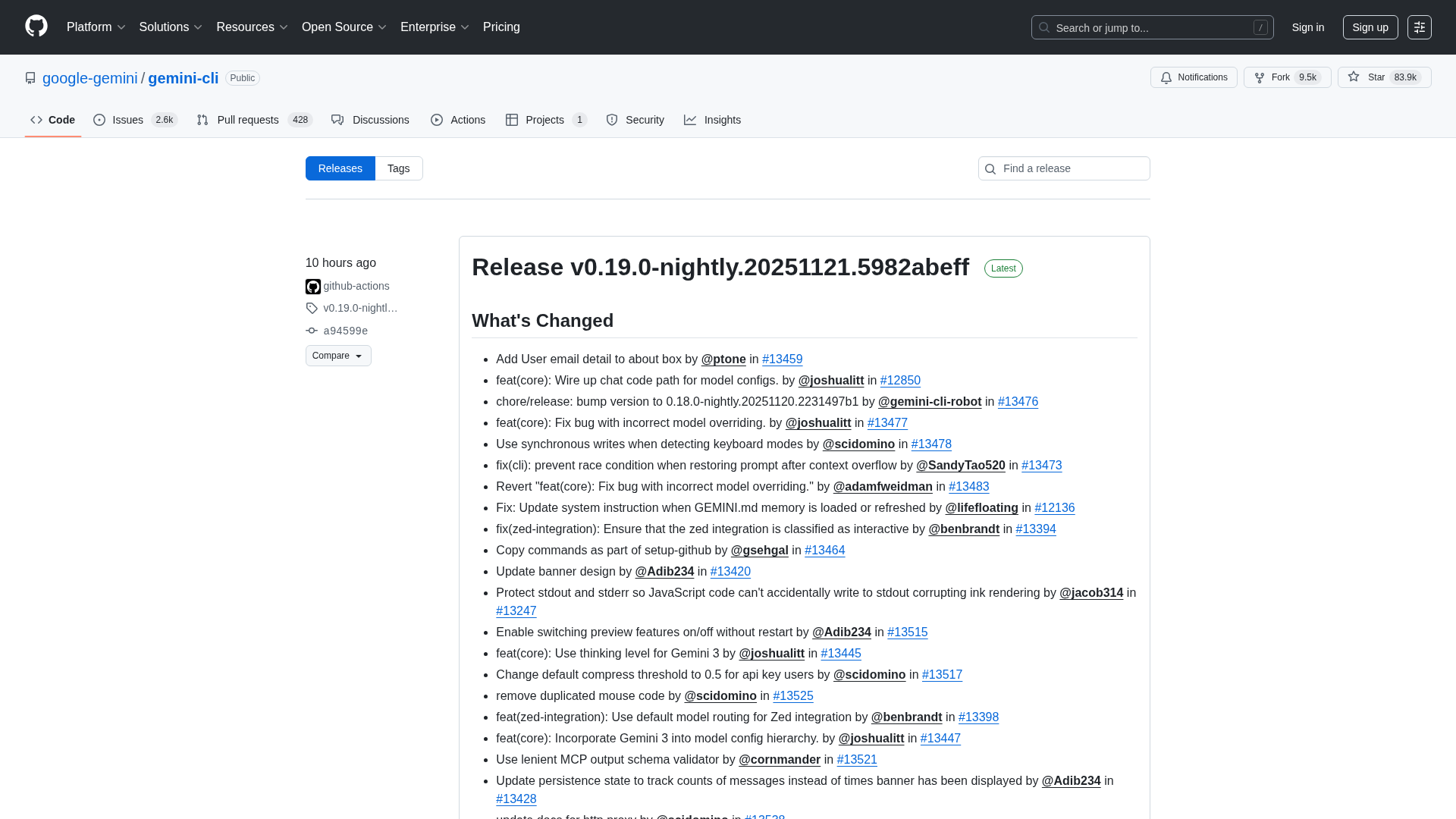
Overview of the Gemini CLI v0.36.0-preview release series, highlighting architectural, CLI, and UI changelogs across multiple pre-release versions.

Baseten launches an AI training platform to compete with hyperscalers, promising simpler, more transparent ML workflows.

Adobe nears a $19 billion deal to acquire Semrush, expanding its marketing software capabilities, according to WSJ reports.
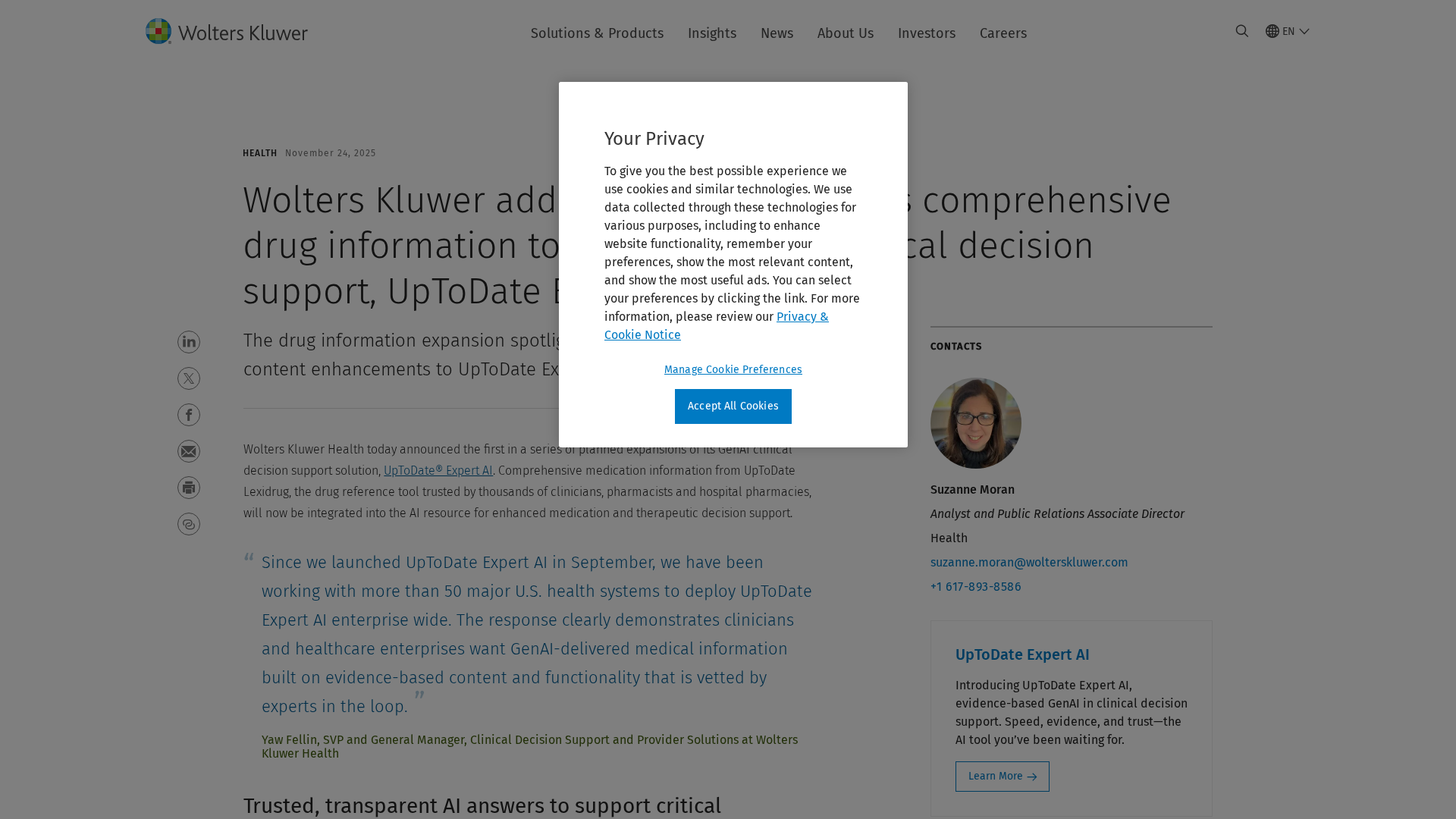
Wolters Kluwer expands UpToDate Expert AI with UpToDate Lexidrug to bolster drug information and medication decision support.