Topic Overview
This topic covers the evolving ecosystem of AI inference infrastructure and accelerator providers that enable low‑latency, high‑throughput model serving across cloud, hyperscaler, edge, and decentralized deployments. Demand for inference-optimized hardware has grown as LLMs and multimodal services move from research prototypes into production; providers range from incumbent GPU vendors (NVIDIA and major cloud GPU offerings) to inference‑first chips like Groq‑3 and specialist SoC/chiplet approaches (e.g., IREN and companies building energy‑efficient accelerators). Rebellions.ai exemplifies a class of vendors combining purpose‑built accelerator hardware with GPU‑class software stacks to reduce energy and space footprints for hyperscale inference. At the same time, cloud GPU vendors continue to offer on‑demand capacity and broad ecosystem integration. On the software and workload side, developer‑facing models and tools—Stable Code, Tabby, Windsurf (formerly Codeium), and Amazon’s CodeWhisperer integration into Amazon Q Developer—illustrate diverse inference patterns: small, edge‑deployed models for private code completion; self‑hosted model serving for data‑sensitive environments; and integrated cloud experiences for scale and manageability. Key trends through 2026 include a push toward specialized silicon and chiplet-based designs for energy efficiency, richer software stacks that bridge hardware heterogeneity, and a hybrid deployment model combining cloud, on‑prem, and edge inference to meet latency, cost, and privacy requirements. For architects and engineering teams, the choice of accelerator and vendor now depends as much on software compatibility, power and space constraints, and deployment model (decentralized vs. centralized) as on raw FLOPS—making integrated hardware+software offerings and flexible model-serving platforms central to production inference strategies.
Tool Rankings – Top 5

Energy-efficient AI inference accelerators and software for hyperscale data centers.

AI-driven coding assistant (now integrated with/rolling into Amazon Q Developer) that provides inline code suggestions,

Edge-ready code language models for fast, private, and instruction‑tuned code completion.
.avif)
Open-source, self-hosted AI coding assistant with IDE extensions, model serving, and local-first/cloud deployment.

AI-native IDE and agentic coding platform (Windsurf Editor) with Cascade agents, live previews, and multi-model support.
Latest Articles (30)
ProteanTecs expands in Japan with a new office and Noritaka Kojima as GM Country Manager.
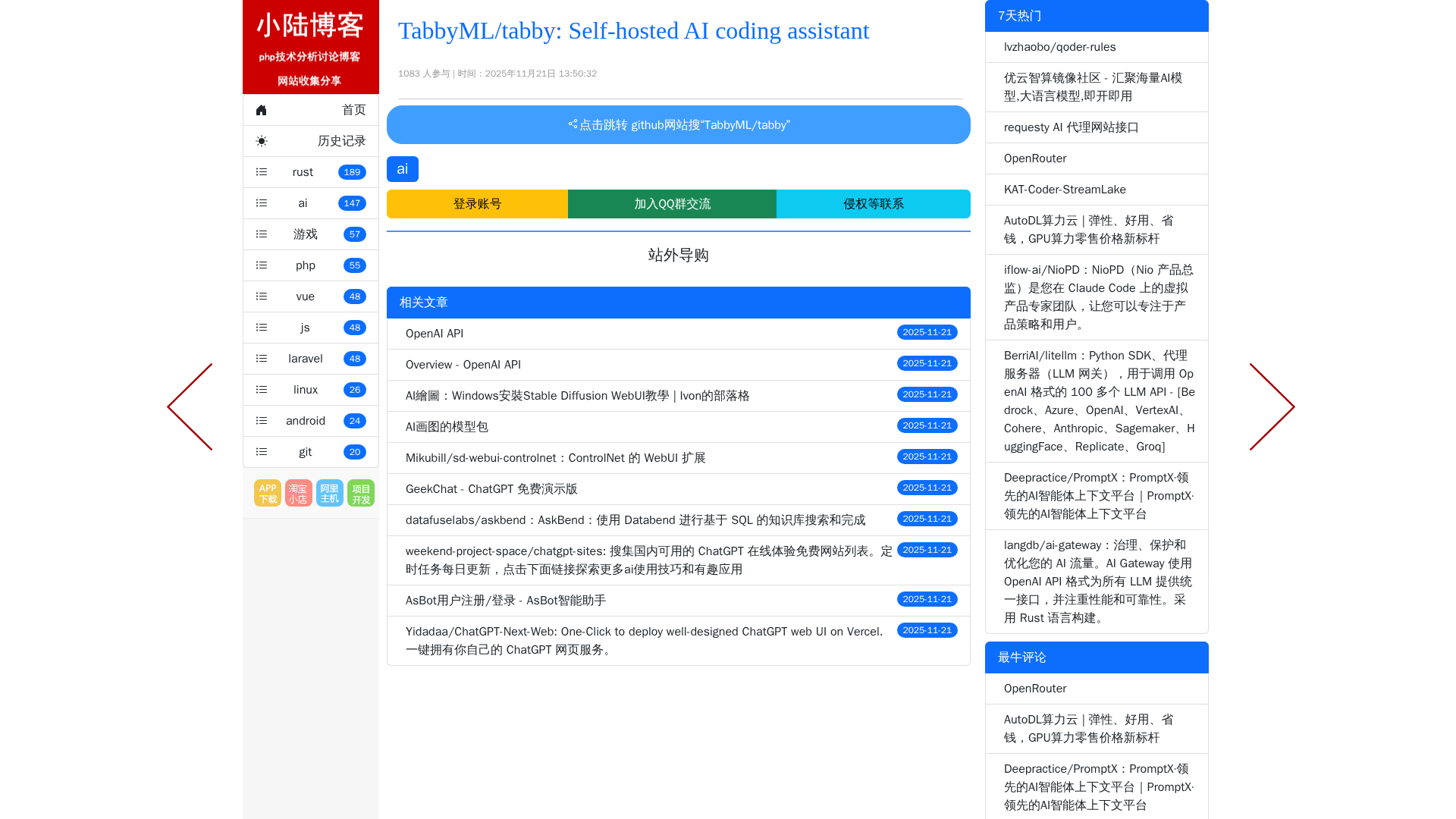
Overview of TabbyML's Tabby, a self-hosted AI coding assistant, and its place in a growing ecosystem of local-first AI tools.
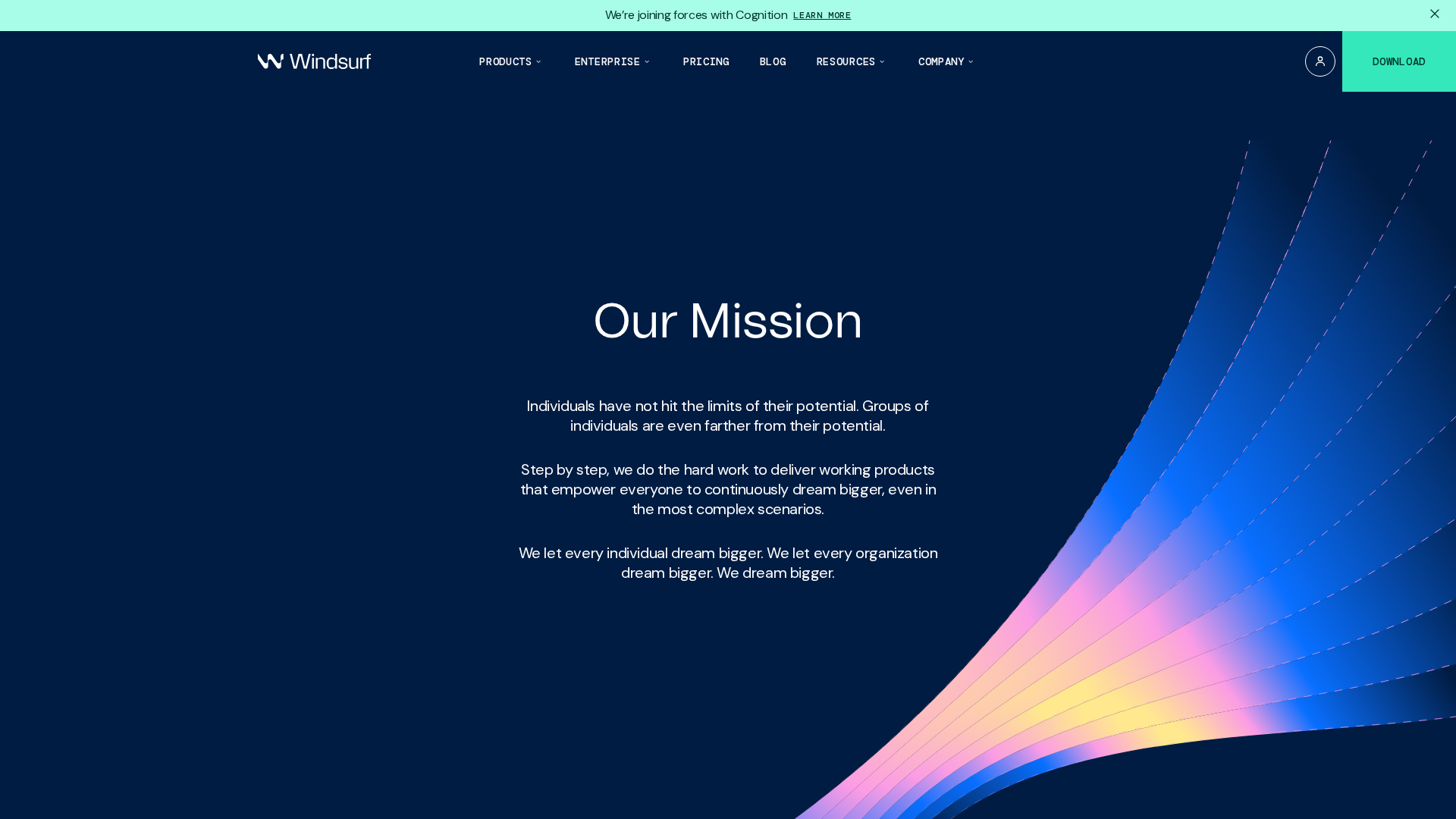
Windsurf launches SWE-1.5 and shares its mission to deliver fast, affordable AI-powered coding tools.
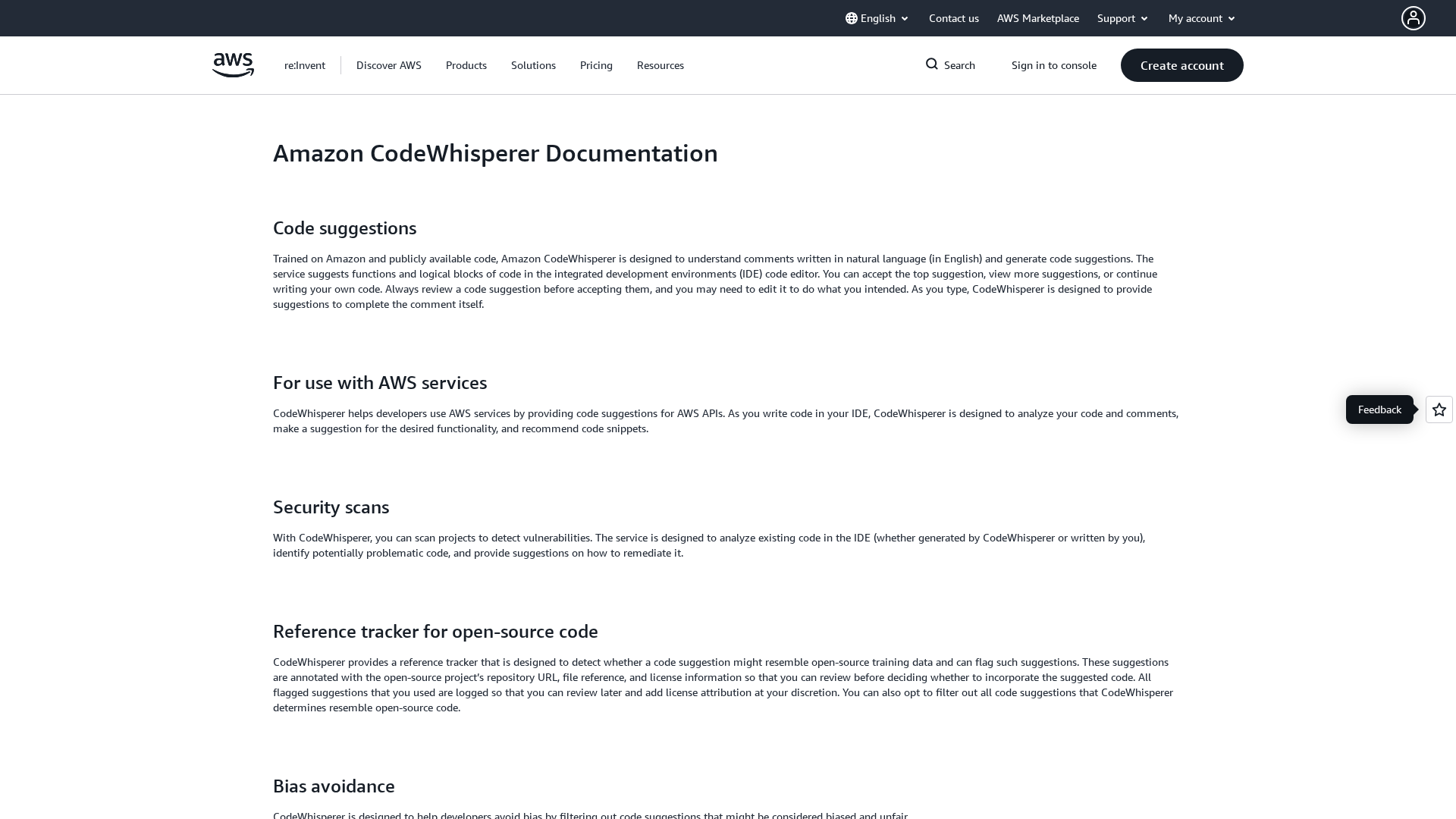
Overview of Amazon CodeWhisperer: AI code suggestions, AWS API help, security scans, OSS tracking, and admin controls.
Windsurf unveils SWE-1.5 and a bold plan for affordable, enterprise-ready AI coding.