Topic Overview
This topic covers the infrastructure and server platforms used to run "agentic" AI—autonomous, stateful multi-step agents that coordinate models, data, and external systems. As of 2026, deployments increasingly favor purpose-built stacks that combine vendor-validated hardware (for example, Dell AI Factory appliances paired with NVIDIA’s Vera family of accelerators and CPU-class silicon) with orchestration, observability, and data-platform components to meet performance, cost, and regulatory requirements. Agent frameworks (LangChain, AutoGPT, LlamaIndex) provide the developer-facing runtime and abstractions for building and composing agents, retrieval-augmented workflows, and long-context state management. No-code/low-code tools such as MindStudio reduce operational friction for rapid prototyping and governance, while specialist platforms—Qagent for goal-based testing and Qodo for code-quality and SDLC governance—address verification and production readiness. Key trends making this topic timely: larger on-prem and hybrid deployments driven by data locality and compliance needs; model and memory pressure that favor accelerator/CPU co-design; and a growing emphasis on runtime observability, secure data pipelines, and reproducible RAG. Comparable stacks range from cloud-hosted model services to integrated on-prem appliances and decentralized edge clusters; common components include model-serving fabrics, vector stores, orchestration (Kubernetes or specialized controllers), and telemetry/governance layers. Understanding these stacks means evaluating hardware-software integration, agent frameworks, data platforms, and governance workflows together—so teams can choose architectures that balance latency, throughput, cost, and compliance for production agentic AI.
Tool Rankings – Top 6

An open-source framework and platform to build, observe, and deploy reliable AI agents.

Platform to build, deploy and run autonomous AI agents and automation workflows (self-hosted or cloud-hosted).

Developer-focused platform to build AI document agents, orchestrate workflows, and scale RAG across enterprises.

No-code/low-code visual platform to design, test, deploy, and operate AI agents rapidly, with enterprise controls and a

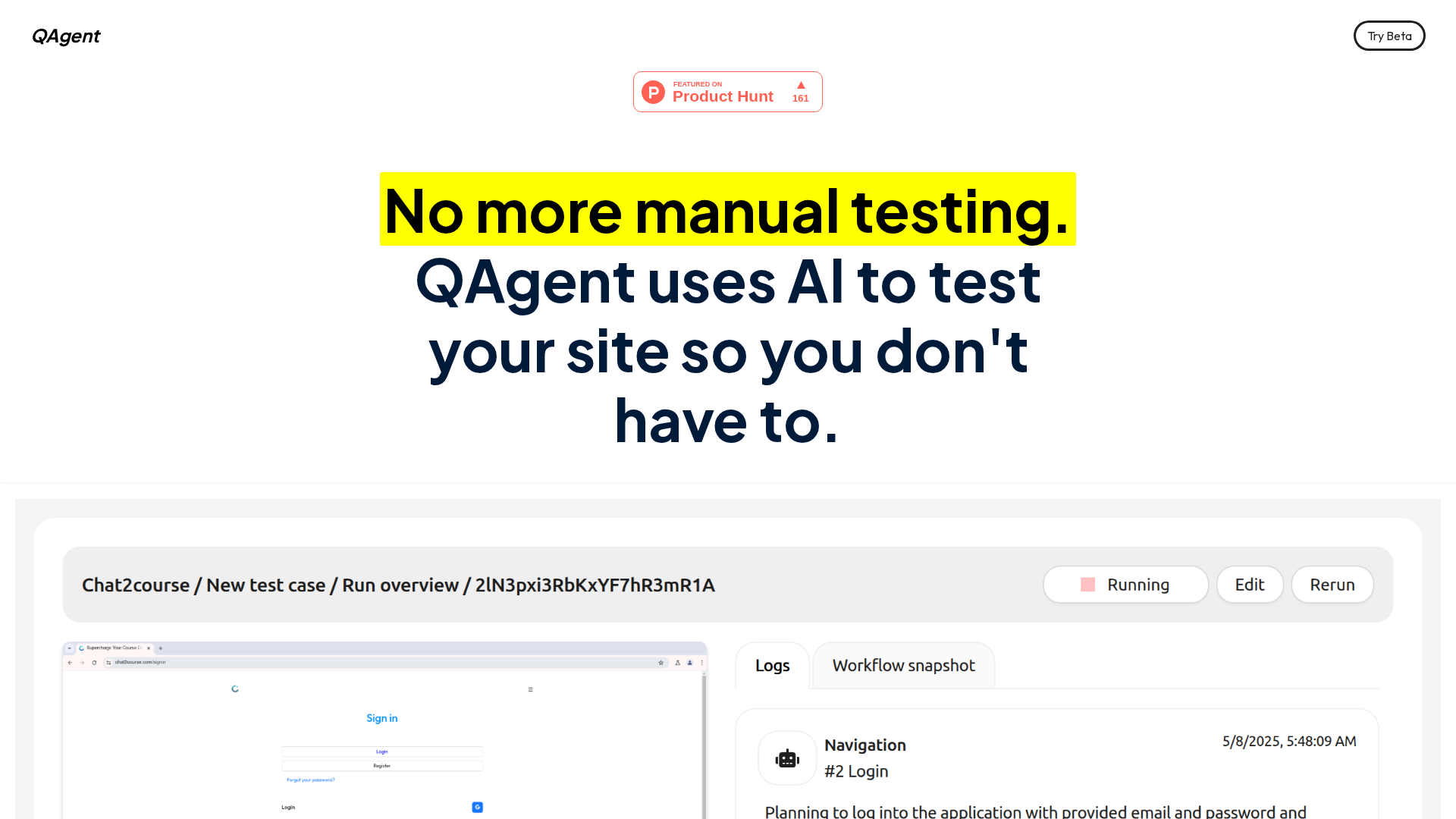
Skip manual testing your web application. Let AI do the work

Quality-first AI coding platform for context-aware code review, test generation, and SDLC governance across multi-repo,팀
Latest Articles (40)
An AI assistant for enhanced Q&A and automation.
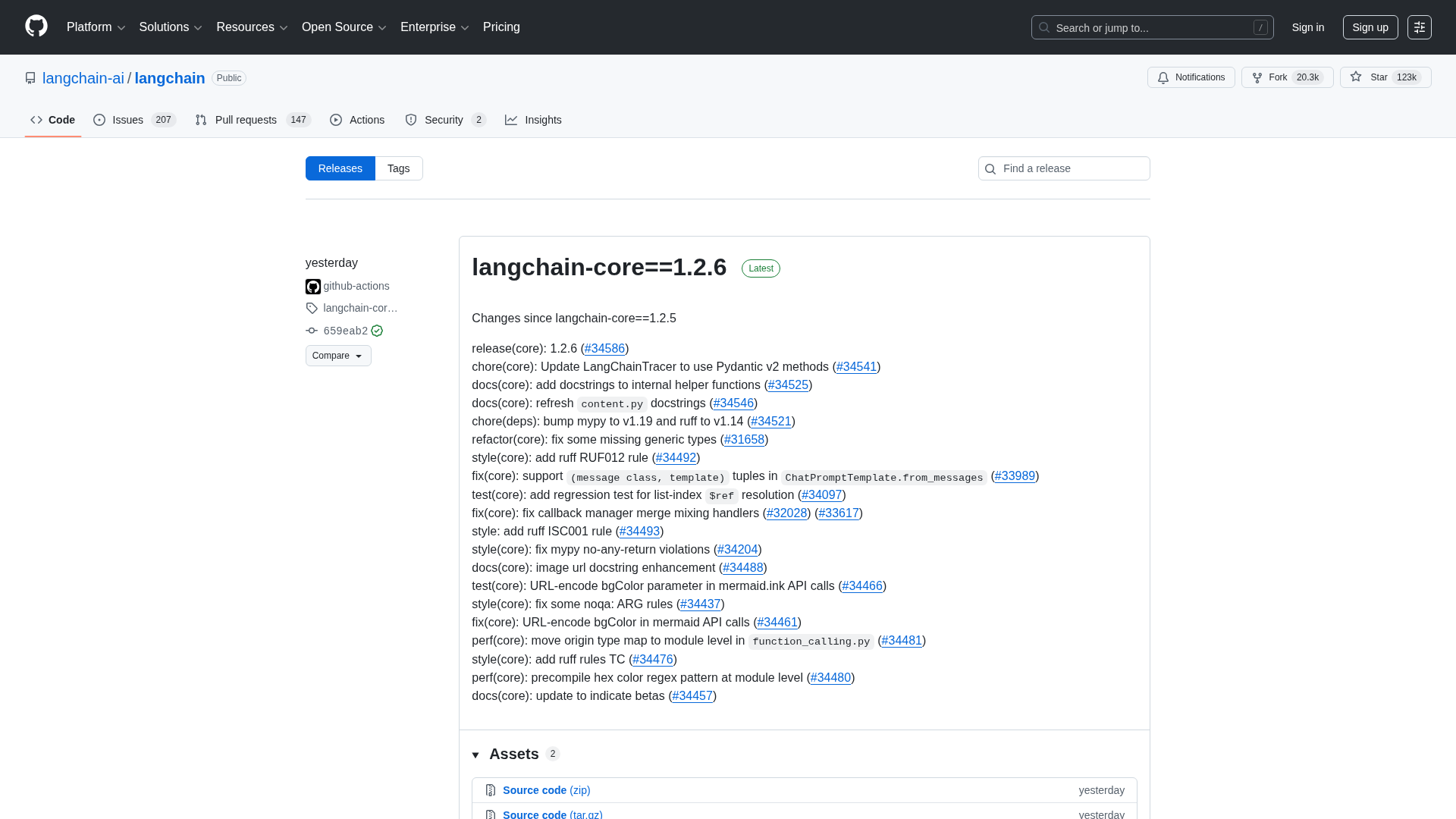
A comprehensive LangChain releases roundup detailing Core 1.2.6 and interconnected updates across XAI, OpenAI, Classic, and tests.
A reproducible bug where LangGraph with Gemini ignores tool results when a PDF is provided, even though the tool call succeeds.
A CLI tool to pull LangSmith traces and threads directly into your terminal for fast debugging and automation.
A practical guide to debugging deep agents with LangSmith using tracing, Polly AI analysis, and the LangSmith Fetch CLI.