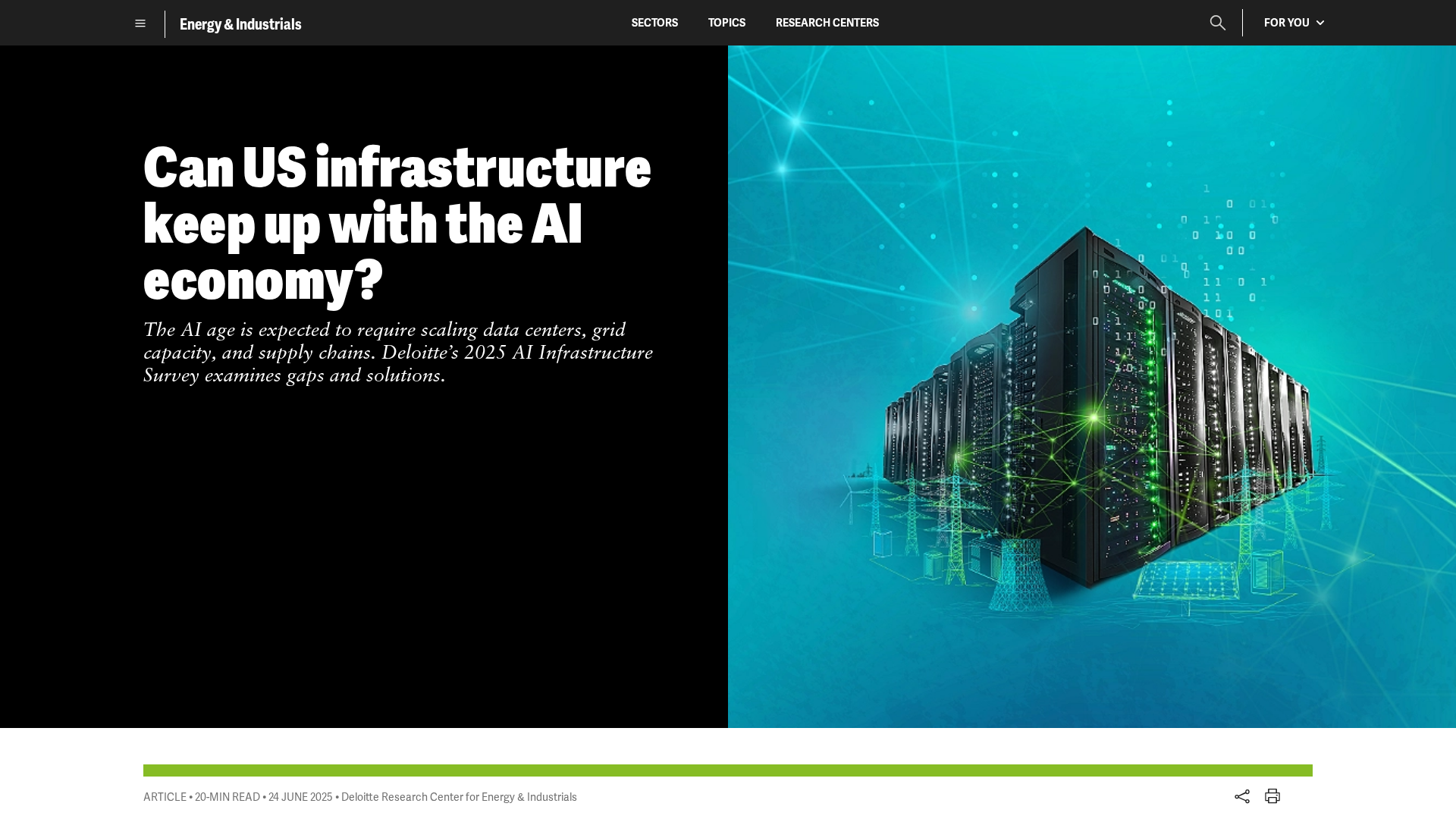
Topic Overview
This topic covers the intersection of enterprise AI infrastructure and corporate energy commitments: how organizations choose architectures, tools, and operational practices to meet Net‑Zero targets, regulatory expectations, and cost constraints while running production AI workloads. As of 2026, rising regulatory scrutiny, investor and customer pressure, and more granular emissions reporting requirements make measurable energy and carbon outcomes a core part of AI strategy. Key categories include decentralized AI infrastructure (edge and agentic platforms that reduce data movement and provide local control), carbon accounting tools (real‑time telemetry and Scope 1–3 attribution), AI governance tools (model provenance, policy enforcement, and audit trails), AI security governance (access controls, runtime monitoring), and AI data platforms (data lineage, minimization, and orchestration to reduce redundant compute). Representative tools illustrate these roles: Xilos and Tektonic AI position themselves as infrastructure for agentic and hybrid neural+symbolic workloads that can increase visibility into agent activity and reduce unnecessary cycles; Stable Code targets edge‑ready code models that lower latency and cloud compute; Cursor embeds AI in developer workflows to shorten development loops; Claude family assistants are used for analysis, reporting, and operational automation across teams. Practical implications: integrating carbon accounting with infrastructure telemetry and governance controls is becoming standard practice, so enterprises favor platforms that expose usage and energy metrics, enable policy‑driven shutdowns or model selection, and support data minimization. Effective programs combine technical choices (model size, quantization, on‑device inference), operational visibility (agent and job auditing), and governance processes to deliver verifiable emissions reductions without sacrificing compliance or security.
Tool Rankings – Top 5
Anthropic's Claude family: conversational and developer AI assistants for research, writing, code, and analysis.
Intelligent Agentic AI Infrastructure

AI agents and a service layer blending neural and symbolic reasoning to automate enterprise processes; flagship PrepMe:

Edge-ready code language models for fast, private, and instruction‑tuned code completion.

AI-first code editor and assistant by Anysphere embedding AI across editor, agents, CLI and web workflows.
Latest Articles (63)
OpenAI’s bypass moment underscores the need for governance that survives inevitable user bypass and hardens system controls.
A call to enable safe AI use at work via sanctioned access, real-time data protections, and frictionless governance.
A real-world look at AI in SOCs, debunking myths and highlighting the human role behind automation with Bell Cyber experts.
Explores the human role behind AI automation and how Bell Cyber tackles AI hallucinations in security operations.
Identity won’t secure agentic AI; you need runtime visibility and action-based policy.