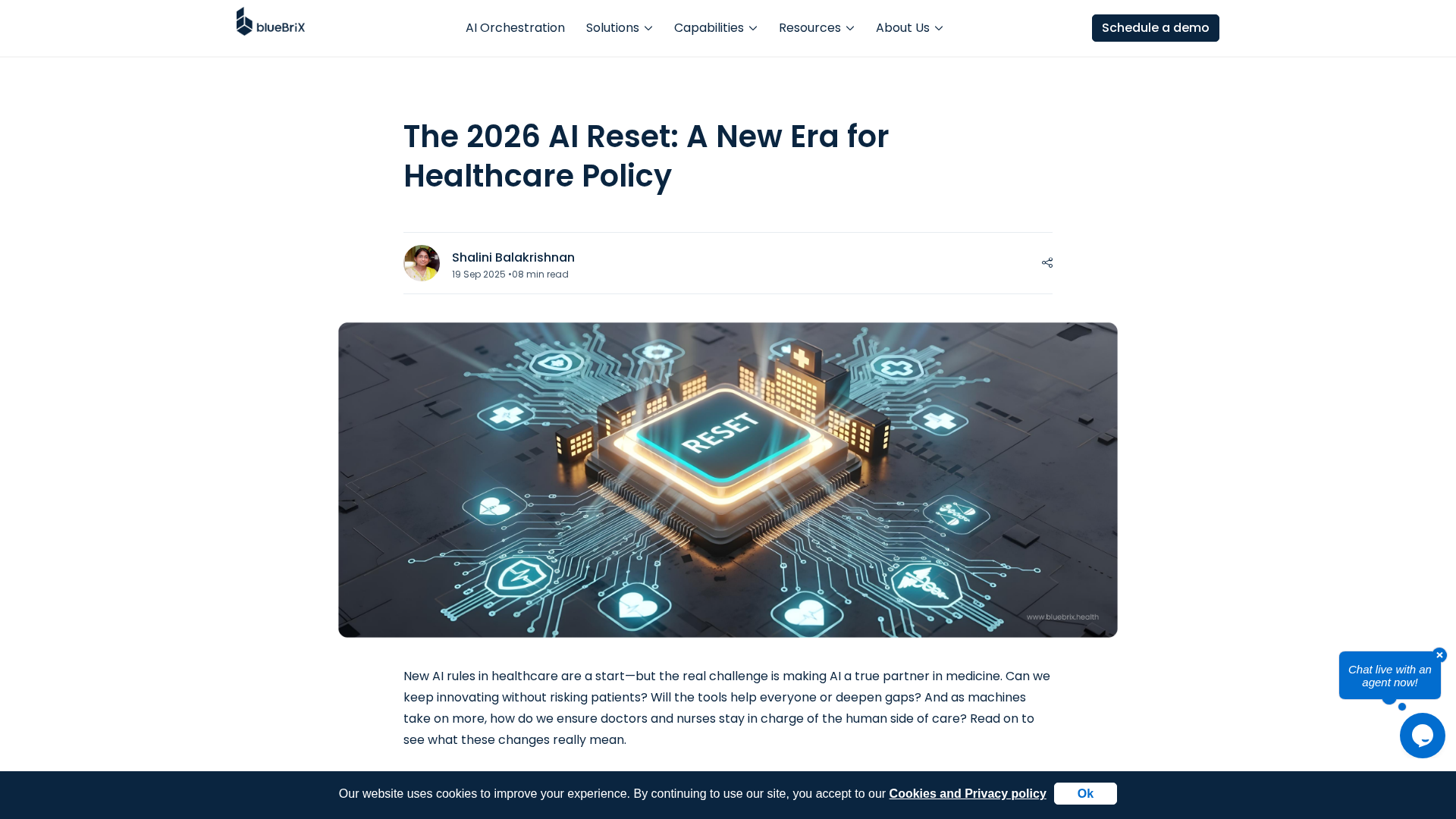
Topic Overview
This topic covers AI platforms and tool categories used to deliver clinical decision support, automate clinical documentation, and manage clinical AI lifecycles while meeting privacy and interoperability requirements. By 2026, health systems are scaling AI from pilots into operational workflows, creating demand for integrated documentation assistants, model and data platforms, governance controls, and compliance tooling. Key categories include Clinical Documentation Tools (e.g., Microsoft 365 Copilot for in-app drafting and workflow integration, PDF.ai for conversational access to clinical documents), AI Data Platforms and Model Providers (e.g., Mistral AI’s enterprise-focused models and production stack that emphasize privacy and efficient inference), AI Governance Tools (e.g., Kore.ai’s multi-agent orchestration and observability for monitored workflows, MindStudio’s no-/low-code agent design with enterprise controls), and Development/Deployment Platforms (e.g., Replit for rapid prototyping and app hosting). Regulatory Compliance Tools round out the stack by providing audit trails, policy enforcement, and evidence required for clinical validation and audits. Common implementation patterns include hybrid deployments (on-premise or dedicated cloud for sensitive PHI), use of standards (FHIR/APIs) for interoperability with EHRs, explainability and monitoring for clinical safety, and privacy-preserving techniques (data minimization, federated learning and differential-privacy approaches where applicable). Selection of tools should reflect clinical risk, integration complexity, and evidence requirements: documentation assistants improve clinician efficiency but require strict access controls and provenance; data/model platforms drive scale but require governance and compliance capabilities. Understanding these categories and how specific platforms address privacy, interoperability, observability, and regulatory needs is essential for safely operationalizing AI in healthcare.
Tool Rankings – Top 6
AI assistant integrated across Microsoft 365 apps to boost productivity, creativity, and data insights.

Enterprise AI agent platform for building, deploying and orchestrating multi-agent workflows with governance, observabil

No-code/low-code visual platform to design, test, deploy, and operate AI agents rapidly, with enterprise controls and a
Chat with your PDFs using AI to get instant answers, summaries, and key insights.

Enterprise-focused provider of open/efficient models and an AI production platform emphasizing privacy, governance, and

AI-powered online IDE and platform to build, host, and ship apps quickly.
Latest Articles (64)
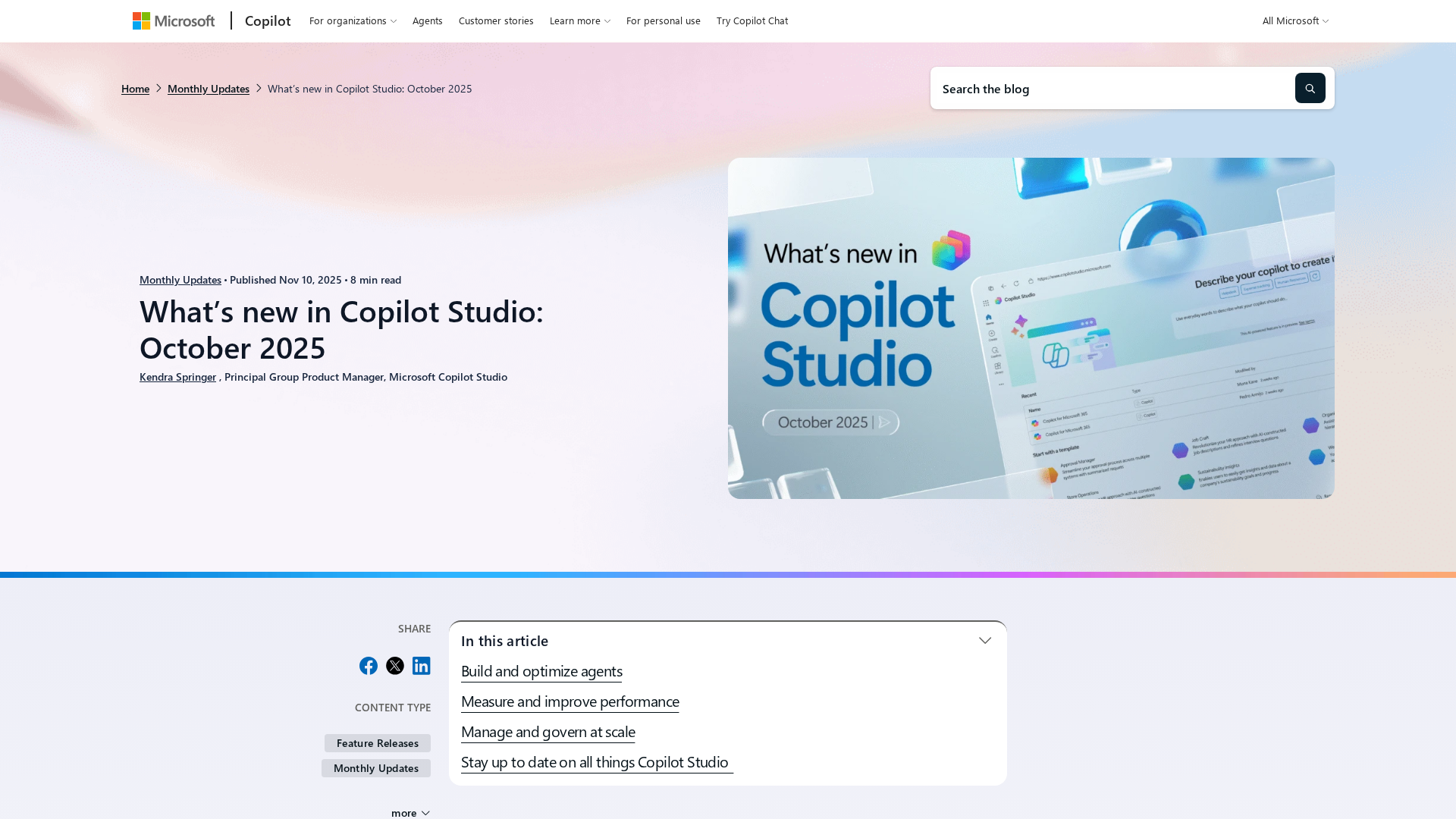
A comprehensive October 2025 roundup of Copilot Studio’s new testing, model, and governance features.
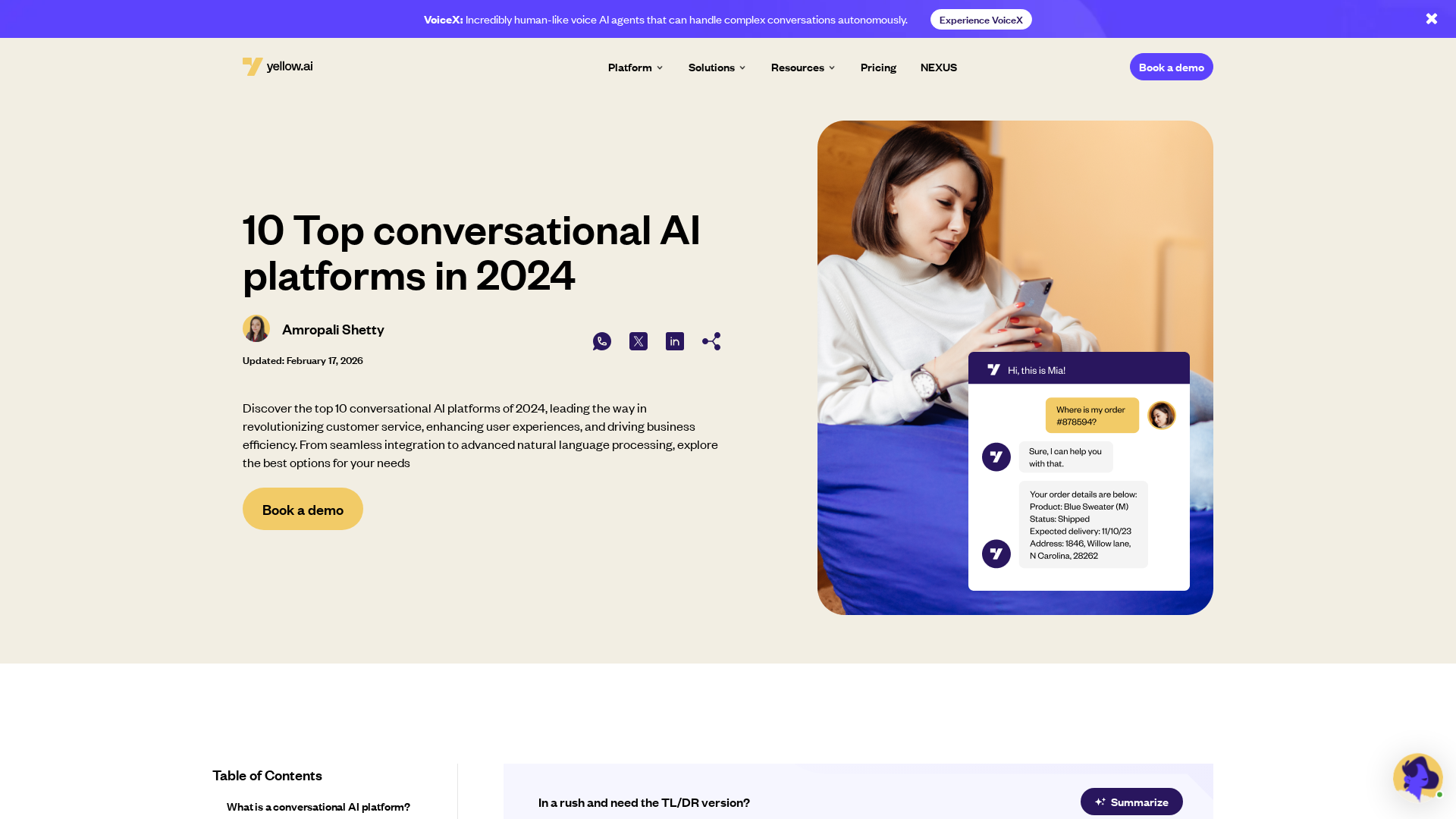
A concise guide to the top 10 conversational AI platforms in 2024, with features, benefits, and use cases.
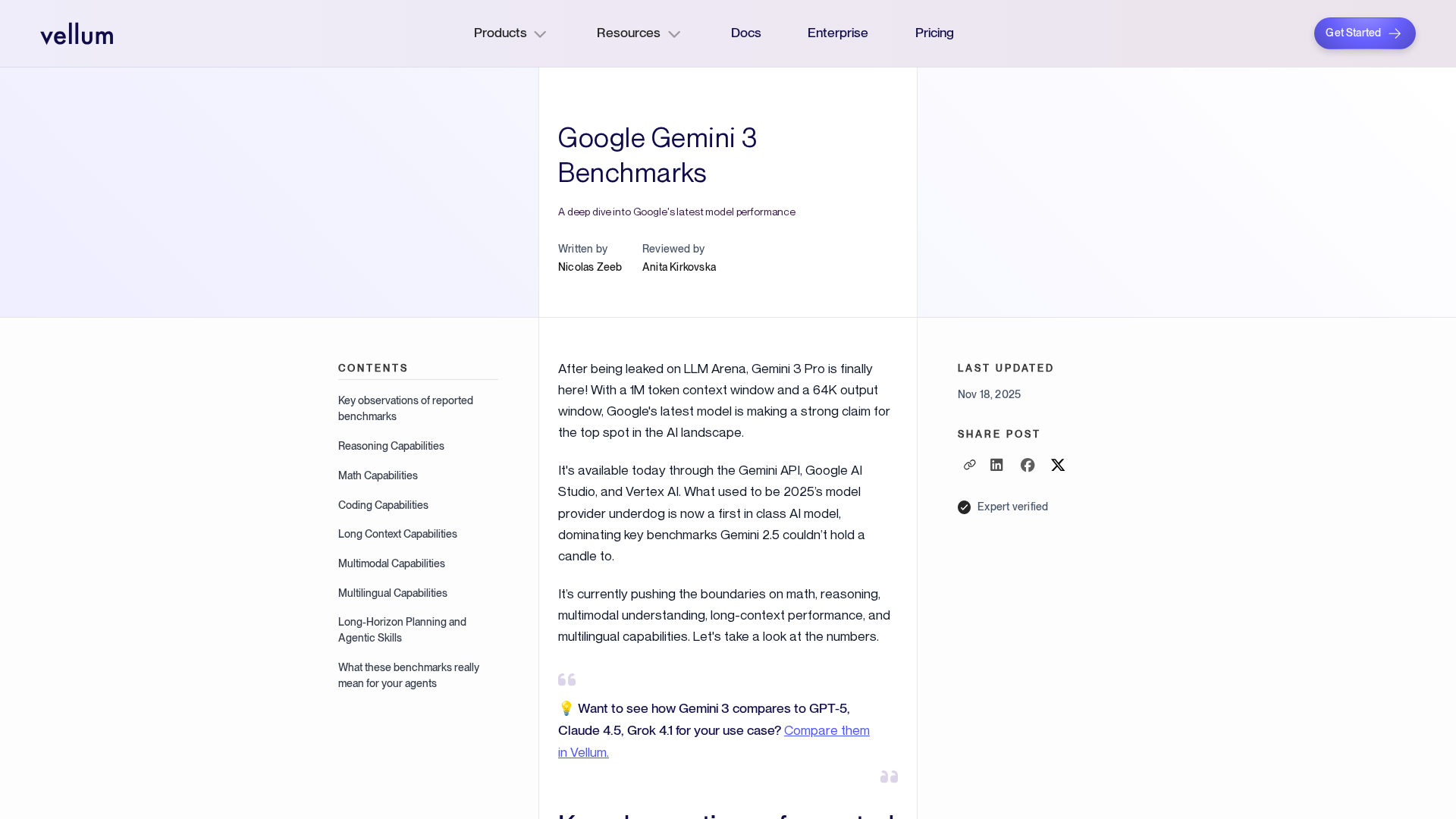
In-depth look at Gemini 3 Pro benchmarks across reasoning, math, multimodal, and agentic capabilities with implications for building AI agents.

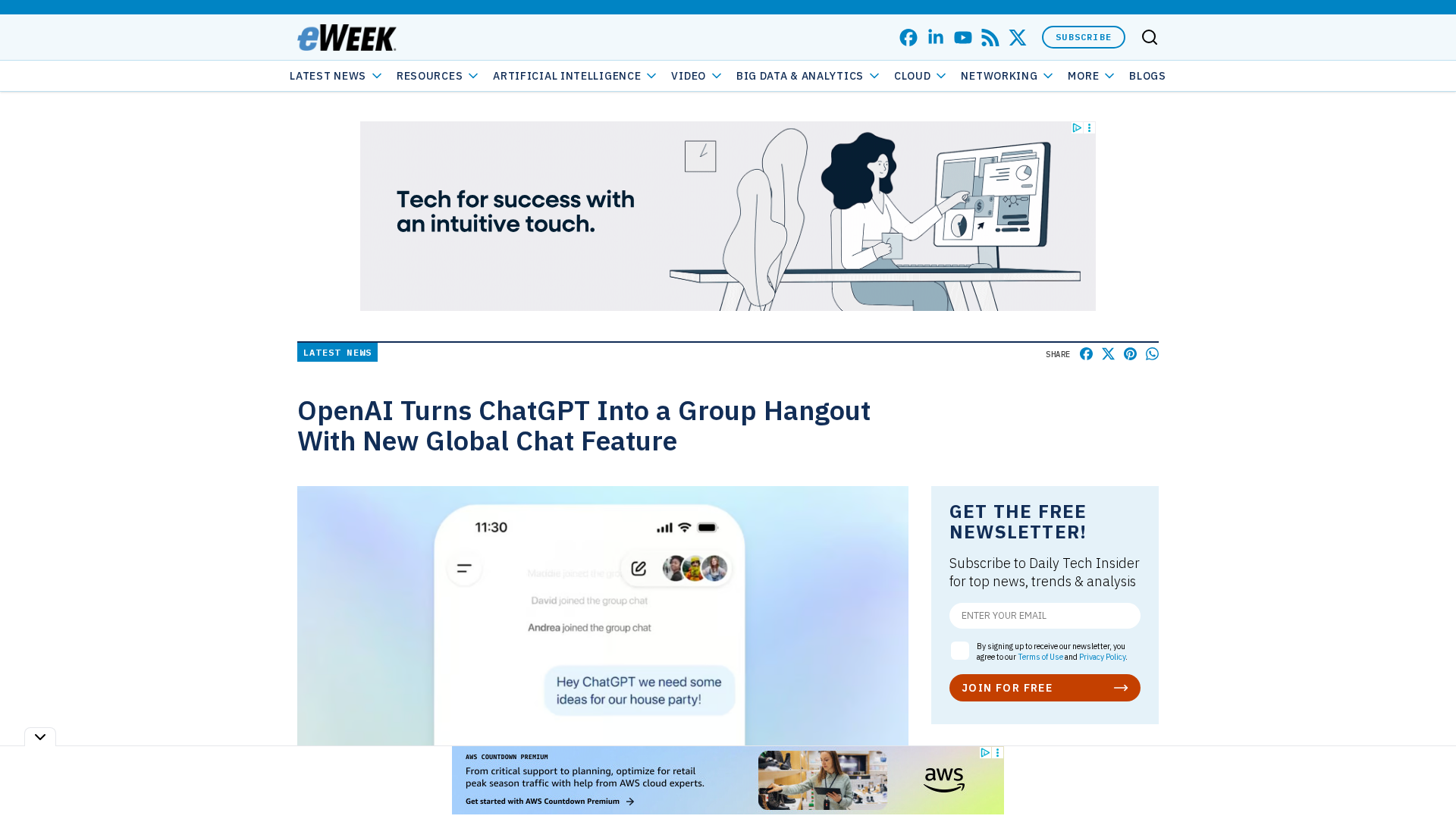
OpenAI expands ChatGPT with global group chats for up to 20 users, prioritizing privacy and collaboration.