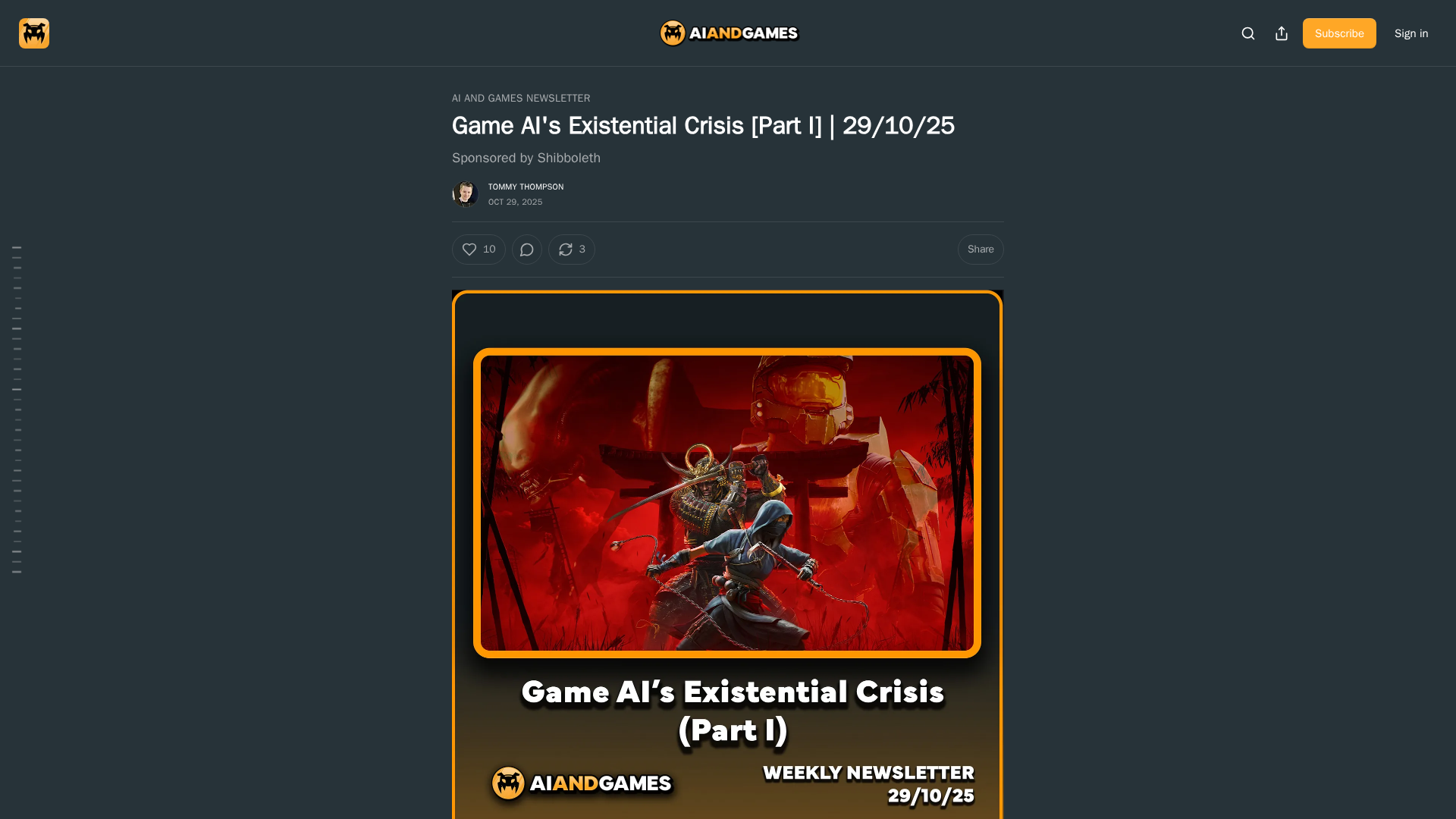
Topic Overview
AI-powered game personalization engines and middleware encompass the runtime systems, agent frameworks, and authoring tools used to create dynamically adaptive non-player characters (NPCs), personalized narratives, and context-aware game systems. This field bridges game AI engines such as Unity ML‑Agents and specialized conversational frameworks like Inworld with orchestration and agent platforms that manage LLMs, policy, telemetry, and inference at scale. Relevance in 2026 reflects the maturation of multimodal models and agent architectures: teams increasingly combine foundation models (Claude, Google Gemini, IBM watsonx) with game-specific logic and on‑device inference to lower latency and preserve player privacy. No-code/low-code platforms (MindStudio, StackAI, Anakin.ai) and developer frameworks (LangChain) accelerate prototyping and deployment of LLM‑driven agents, while voice and localization stacks (PolyAI, Yellow.ai, DeepL) address accessibility and internationalization. Code assistants (CodeGeeX) and enterprise orchestration reduce engineering friction for iteration and live ops. Key middleware roles include authoring and testing pipelines for agent behavior, observability and evaluation for safety and quality, hybrid inference routing (local for deterministic systems, cloud for generative responses), and data plumbing for personalization signals. Proprietary game AI tools focus on deterministic gameplay integration and compliance with design constraints; agent frameworks prioritize open interfaces, conversation state, and retrieval‑augmented behavior. Adoption challenges remain—latency, cost, reproducibility, content safety, and tooling for offline testing—but the combination of game engines, conversational middleware, and agent orchestration is enabling more believable NPCs, adaptive difficulty, and richer live‑ops personalization without replacing core design practices.
Tool Rankings – Top 6

An open-source framework and platform to build, observe, and deploy reliable AI agents.

No-code/low-code visual platform to design, test, deploy, and operate AI agents rapidly, with enterprise controls and a

End-to-end no-code/low-code enterprise platform for building, deploying, and governing AI agents that automate work onun

Enterprise agentic AI platform for CX and EX automation, building autonomous, human-like agents across channels.

Voice-first conversational AI for enterprise contact centers, delivering lifelike multilingual agents across voice, chat
Anthropic's Claude family: conversational and developer AI assistants for research, writing, code, and analysis.
Latest Articles (93)
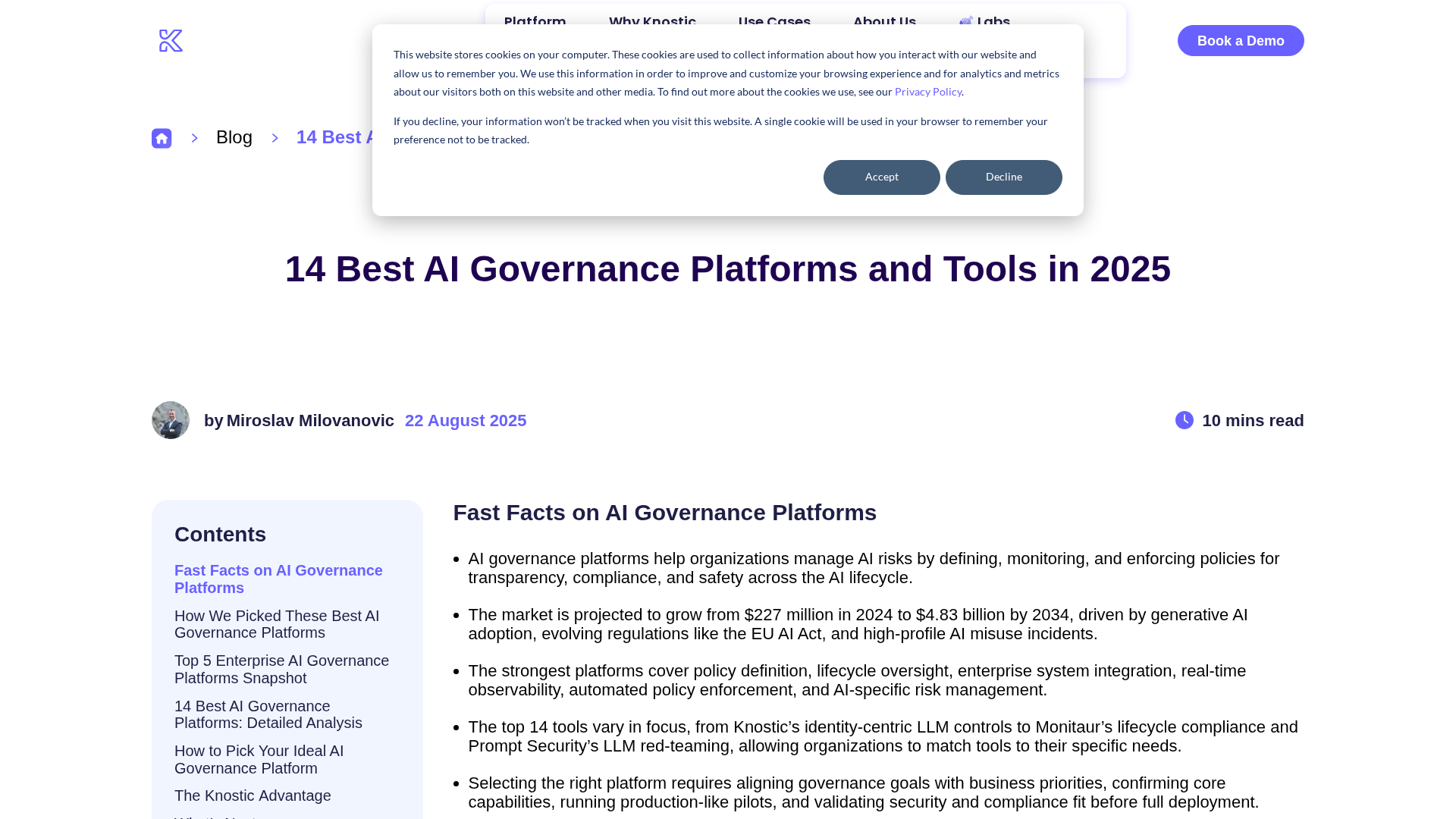
A vendor‑agnostic guide to the 14 best AI governance platforms in 2025, with criteria, comparisons, and practical buying guidance.
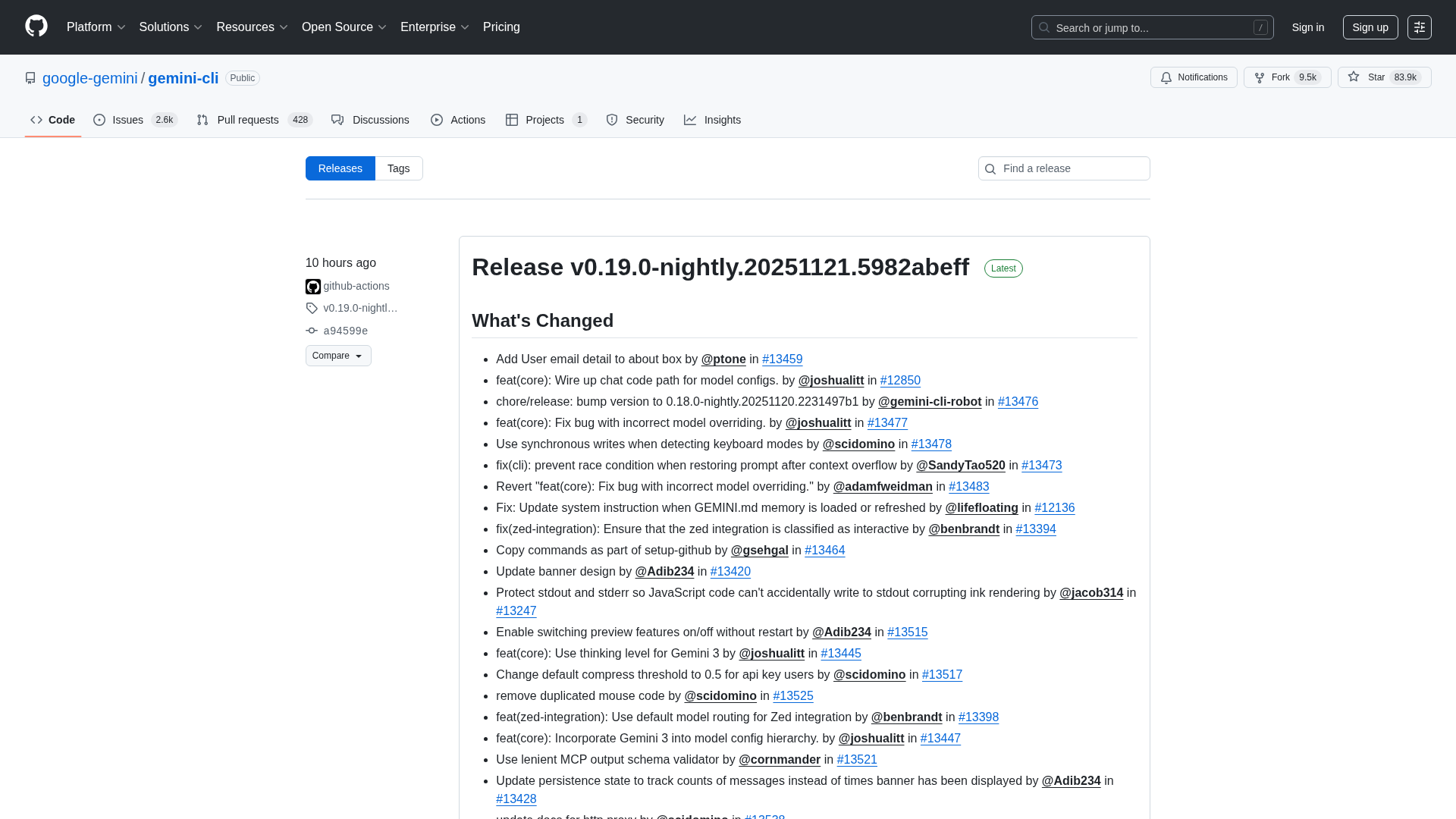
Overview of the Gemini CLI v0.36.0-preview release series, highlighting architectural, CLI, and UI changelogs across multiple pre-release versions.
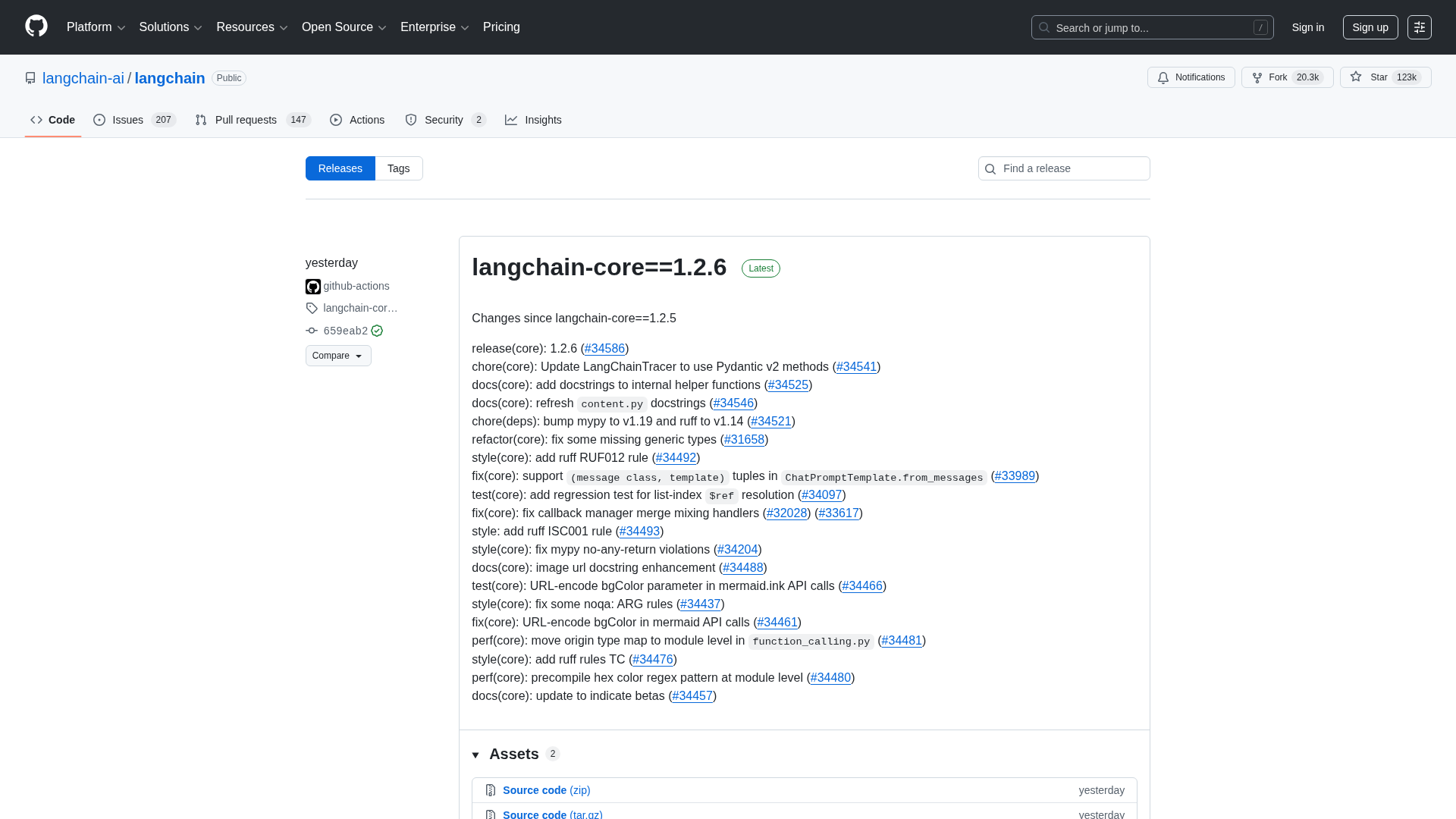
A comprehensive LangChain releases roundup detailing Core 1.2.6 and interconnected updates across XAI, OpenAI, Classic, and tests.
A reproducible bug where LangGraph with Gemini ignores tool results when a PDF is provided, even though the tool call succeeds.
A CLI tool to pull LangSmith traces and threads directly into your terminal for fast debugging and automation.