Topic Overview
AI tools for legal teams cover technologies and practices that accelerate contract review, drafting, and regulatory compliance while preserving auditability and risk controls. As of 2026-05-22, adoption is shaped by agentic AI, hybrid automation, and a stronger focus on governance and observability: teams now combine PDF ingestion and automation APIs, enterprise search, knowledge-management workspaces, workflow orchestrators, and AI-governance layers to create end-to-end legal workflows. Key components include PDF automation APIs for cleanly ingesting contracts; enterprise search platforms that surface precedent and obligations; knowledge management tools that centralize playbooks, clauses, and negotiation history; workflow automation engines that stitch document, signature, and task systems together; and AI-governance solutions that provide provenance, access controls, and audit logs. Representative tools in this stack are LangChain (framework for building and observing LLM agents), Kore.ai (enterprise multi-agent orchestration with governance/observability), Xilos (agentic AI infrastructure with visibility into agent activity), n8n (hybrid automation for integrating services and AI nodes), Notion (AI-enabled knowledge workspace), and Hona (client-facing AI communication and case tracking). Legal teams using these tools typically design automated review pipelines: PDF APIs extract clauses, enterprise search finds applicable precedents, LLM agents draft or redline language, and workflow platforms route approvals and capture signatures. Governance layers are critical to demonstrate compliance—logging model inputs/outputs, maintaining versioned precedents, and enforcing data residency and access policies. The current trend prioritizes pragmatic integrations and observability over experimental models: firms seek reproducible, auditable processes that reduce review time while managing regulatory and ethical risk.
Tool Rankings – Top 6

AI-powered client-communication platform for law firms (24/7 AI receptionist, client portal & case tracker).

Enterprise AI agent platform for building, deploying and orchestrating multi-agent workflows with governance, observabil

An open-source framework and platform to build, observe, and deploy reliable AI agents.
A single, block-based AI-enabled workspace that combines docs, knowledge, databases, automation, and integrations to sup
Intelligent Agentic AI Infrastructure
Hybrid workflow automation platform with a visual editor, code support, AI nodes, and broad integrations—self-hosted,云,或
Latest Articles (34)
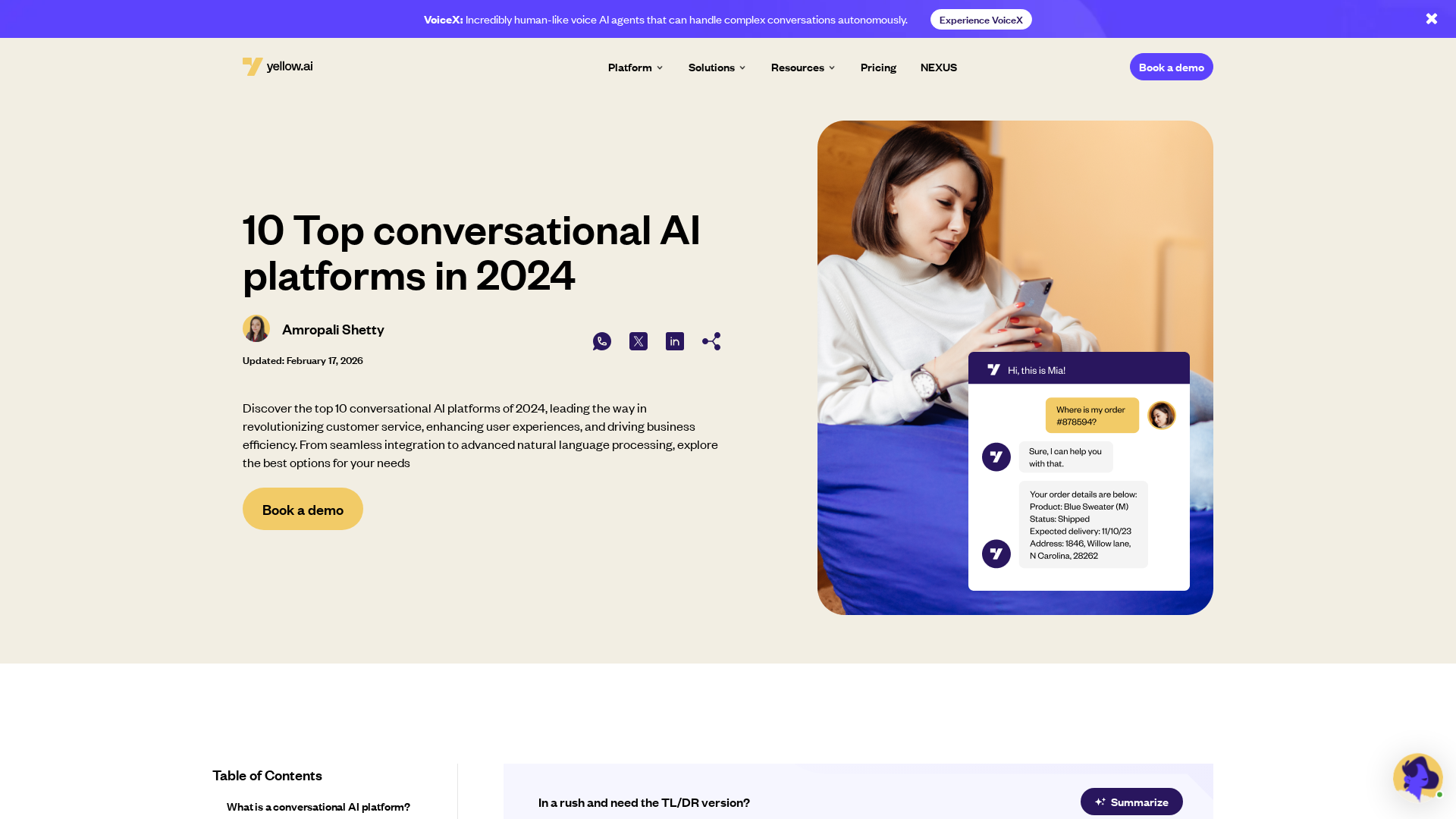
A concise guide to the top 10 conversational AI platforms in 2024, with features, benefits, and use cases.
OpenAI’s bypass moment underscores the need for governance that survives inevitable user bypass and hardens system controls.
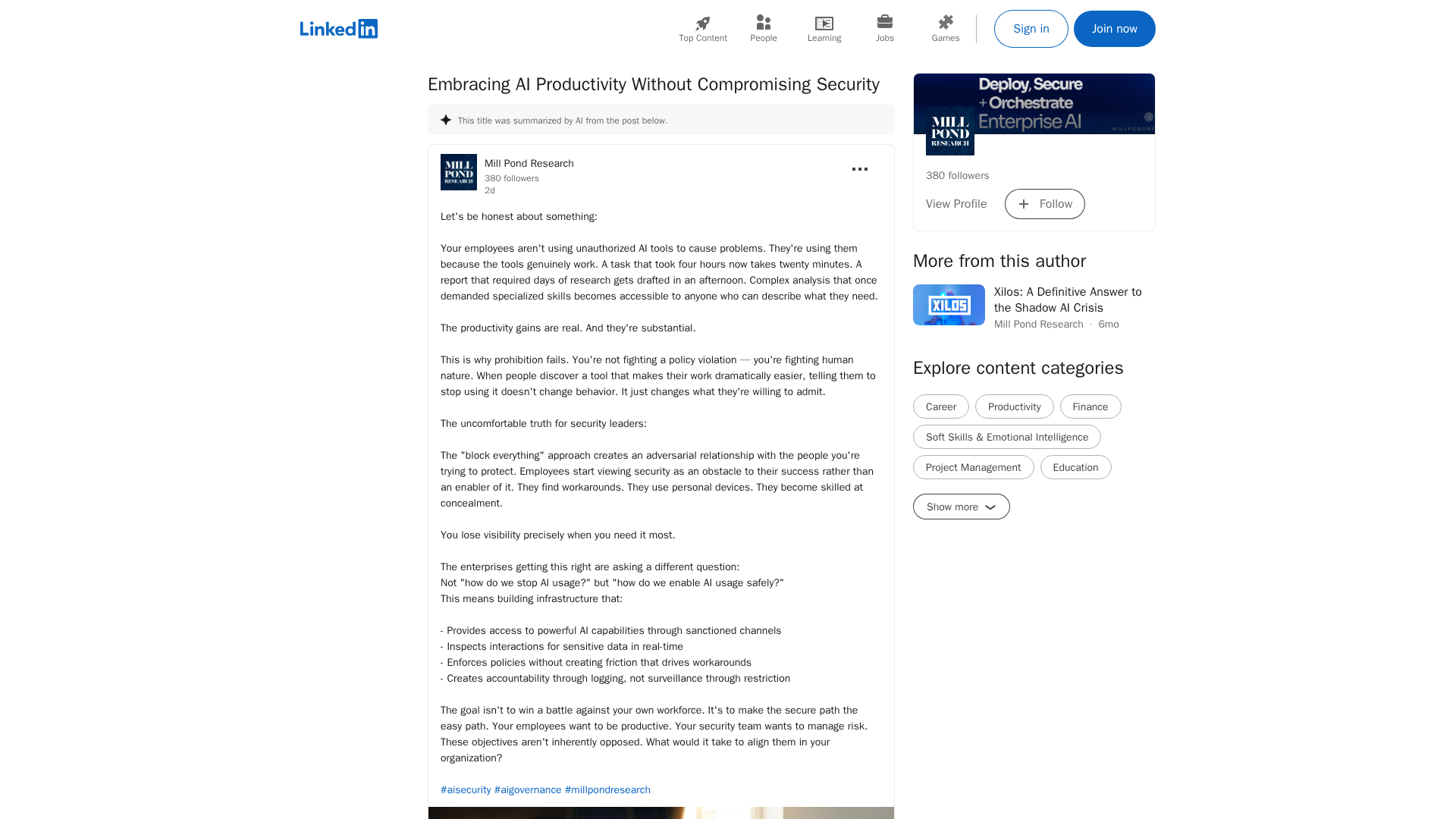
A call to enable safe AI use at work via sanctioned access, real-time data protections, and frictionless governance.
Explores the human role behind AI automation and how Bell Cyber tackles AI hallucinations in security operations.
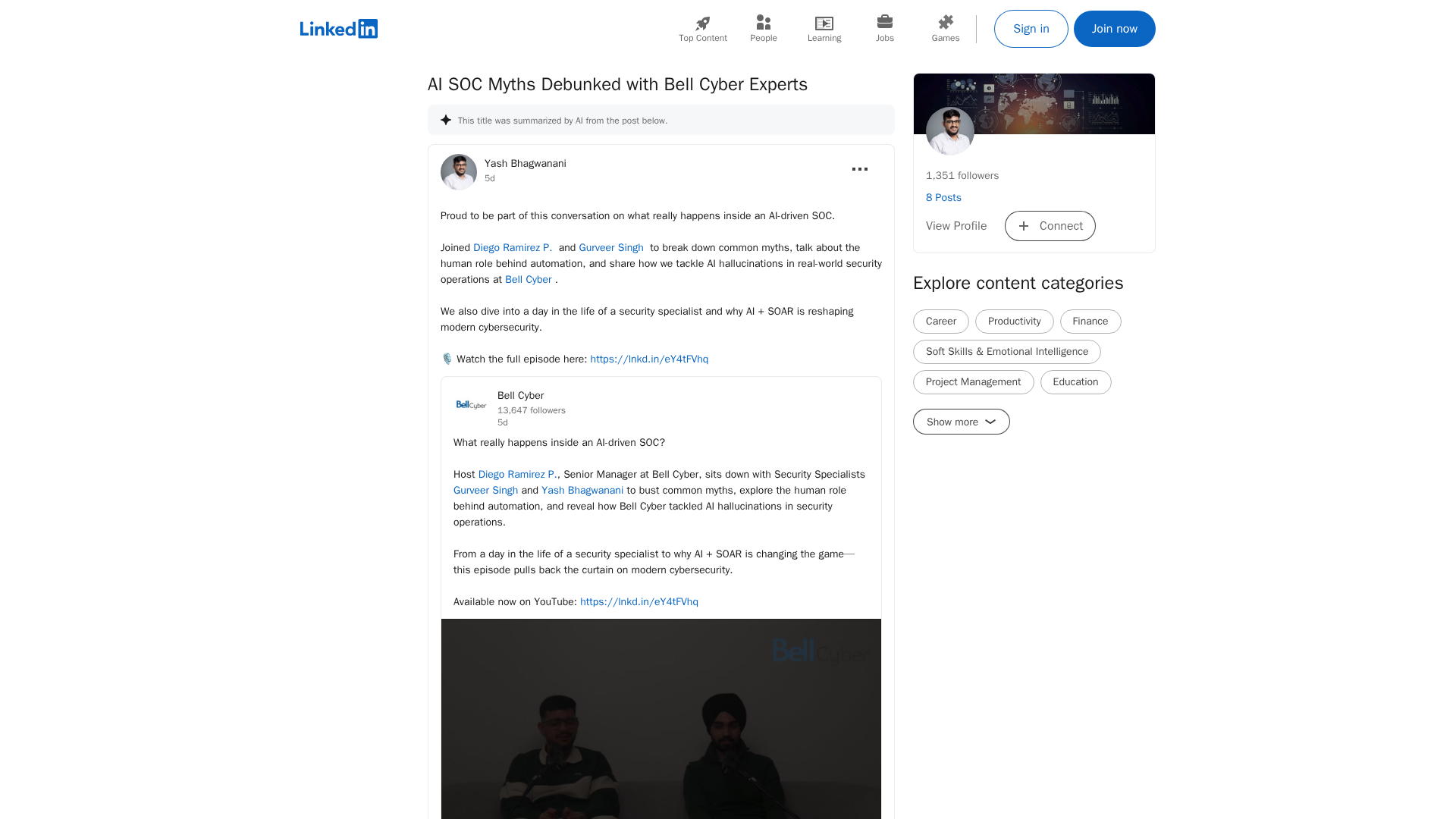
A real-world look at AI in SOCs, debunking myths and highlighting the human role behind automation with Bell Cyber experts.