Topic Overview
This topic covers the use of modern AI stacks to build, backtest and run quantitative crypto-trading strategies and to extract, calibrate and trade signals from prediction‑market platforms. It focuses on three categories — Market Intelligence Tools (real‑time on‑chain/orderbook/sentiment feeds and prediction markets), Data Analytics Tools (feature engineering, time‑series modelling, probability calibration) and AI Data Platforms (agent frameworks, orchestration and deployment). Relevance in late 2025: agentic and autonomous AI tooling matured into production-ready developer platforms, GPUs and inference ecosystems consolidated around large vendors, and on‑chain data + prediction markets became standard alternative signal sources for quant shops. Practitioners are now integrating stateful LLM agents, autonomous workflows and specialized ML tooling to accelerate research-to-deployment cycles while addressing governance and reproducibility. Key tools and roles: LangChain (engineering framework and LangGraph for stateful agent orchestration and chaining LLMs into trading/monitoring agents); AutoGPT (autonomous agent workflows for automated data collection, backtesting and trade decision pipelines); Windsurf (AI-native IDE for rapid prototyping, agentic coding and multi-model experiments); GPTConsole (SDK/API/CLI for building, managing and monetizing production agents with lifecycle and memory controls); Tabnine (enterprise coding assistant emphasizing private/self-hosted setups and governance). The Deci.ai site audit (NVIDIA takeover) highlights ongoing hardware/ML ops consolidation that affects inference cost and latency for live trading. Outcome: combining these components yields reproducible, auditable quantitative workflows that fuse prediction‑market probabilities with traditional signals, while emphasizing deployment governance, latency control and privacy for crypto trading use cases.
Tool Rankings – Top 6

Engineering platform and open-source frameworks to build, test, and deploy reliable AI agents.

Platform to build, deploy and run autonomous AI agents and automation workflows (self-hosted or cloud-hosted).

AI-native IDE and agentic coding platform (Windsurf Editor) with Cascade agents, live previews, and multi-model support.

Site audit of deci.ai showing NVIDIA takeover after May 2024 acquisition and absence of Deci-branded pricing.

Developer-focused platform (SDK, API, CLI, web) to create, share and monetize production-ready AI agents.

Enterprise-focused AI coding assistant emphasizing private/self-hosted deployments, governance, and context-aware code.
Latest Articles (30)
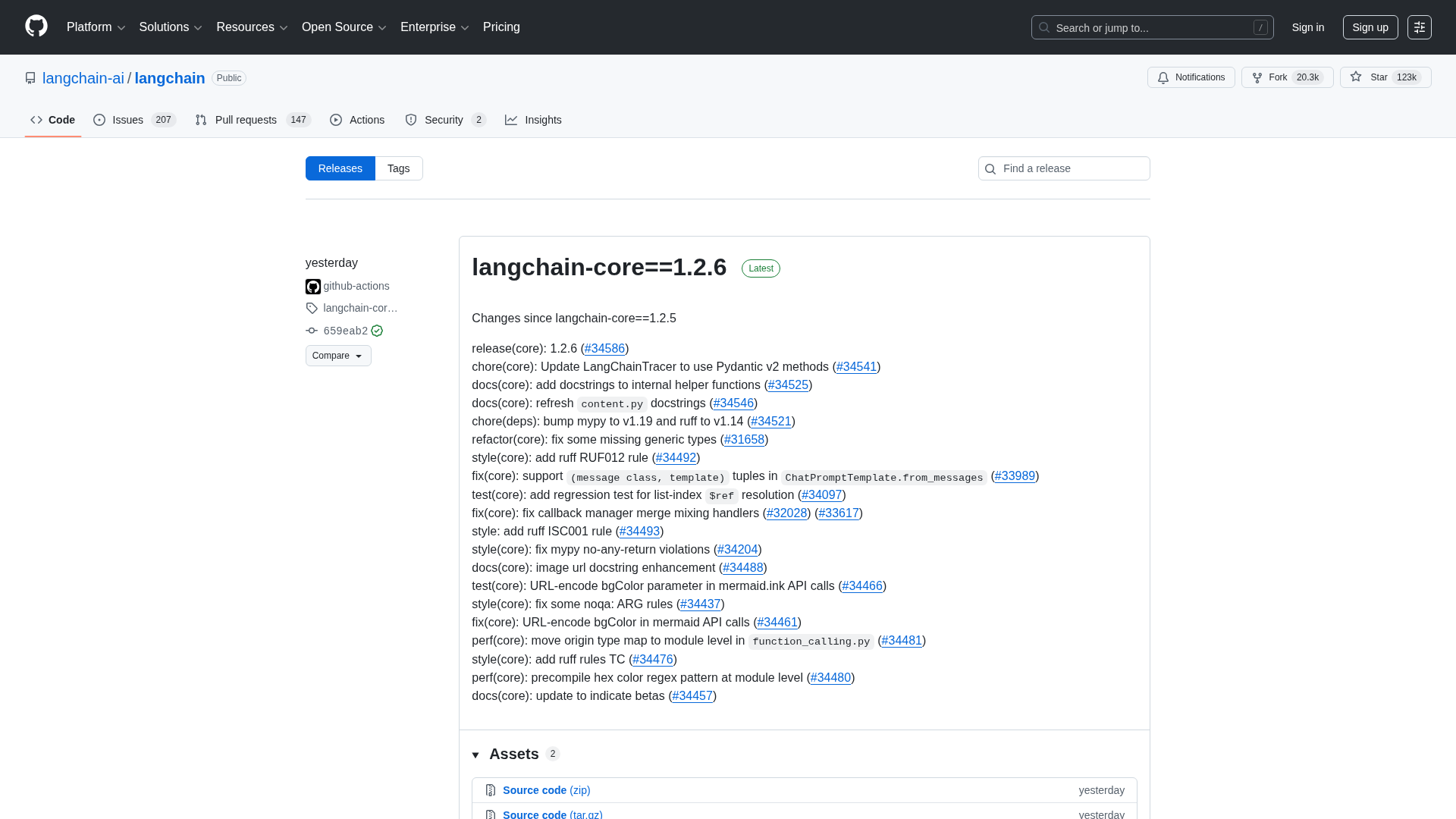
A comprehensive LangChain releases roundup detailing Core 1.2.6 and interconnected updates across XAI, OpenAI, Classic, and tests.

Cannot access the article content due to an access-denied error, preventing summarization.
A quick preview of POE-POE's pros and cons as seen in G2 reviews.
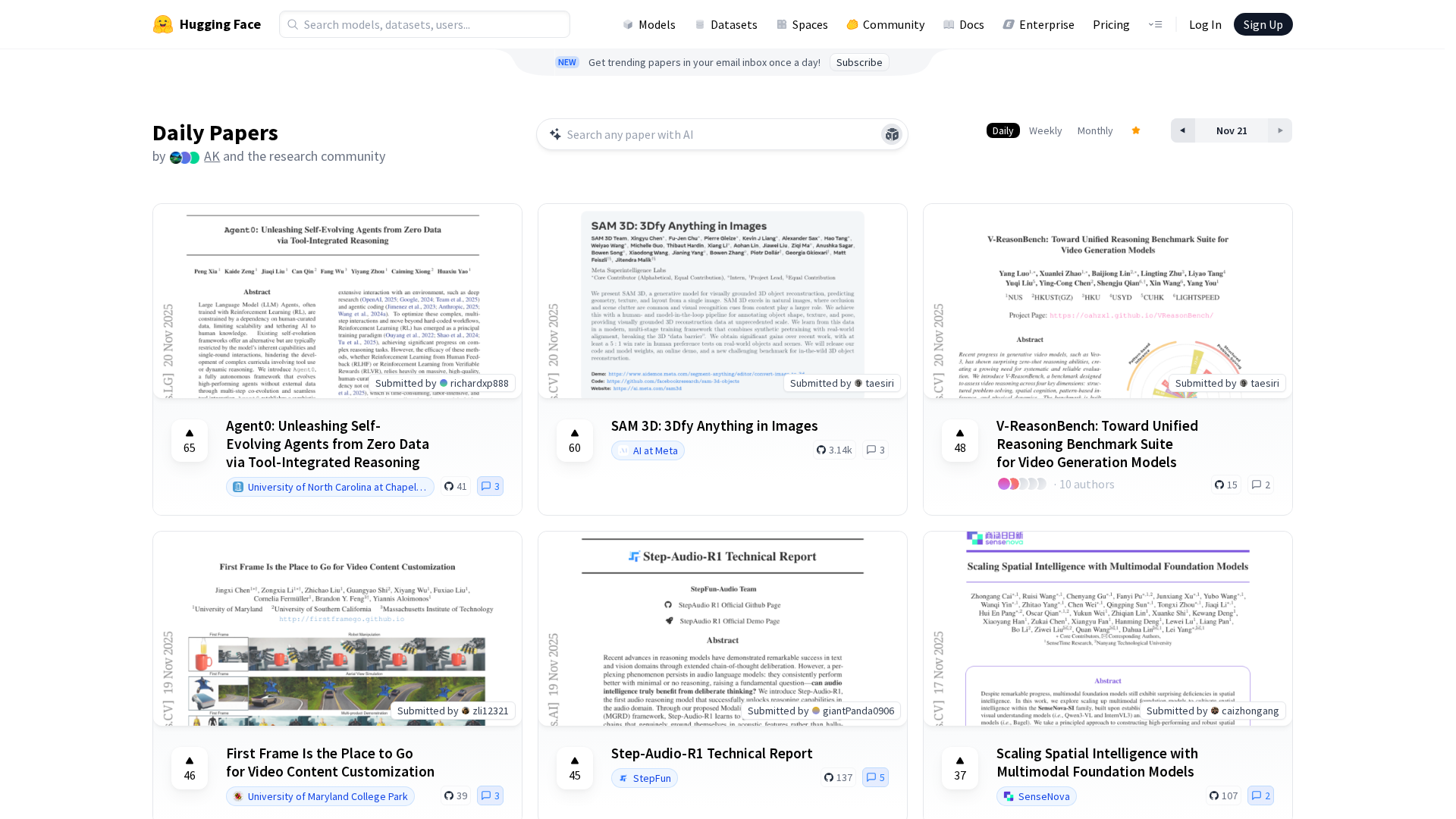
Get daily, curated trending ML papers delivered straight to your inbox.
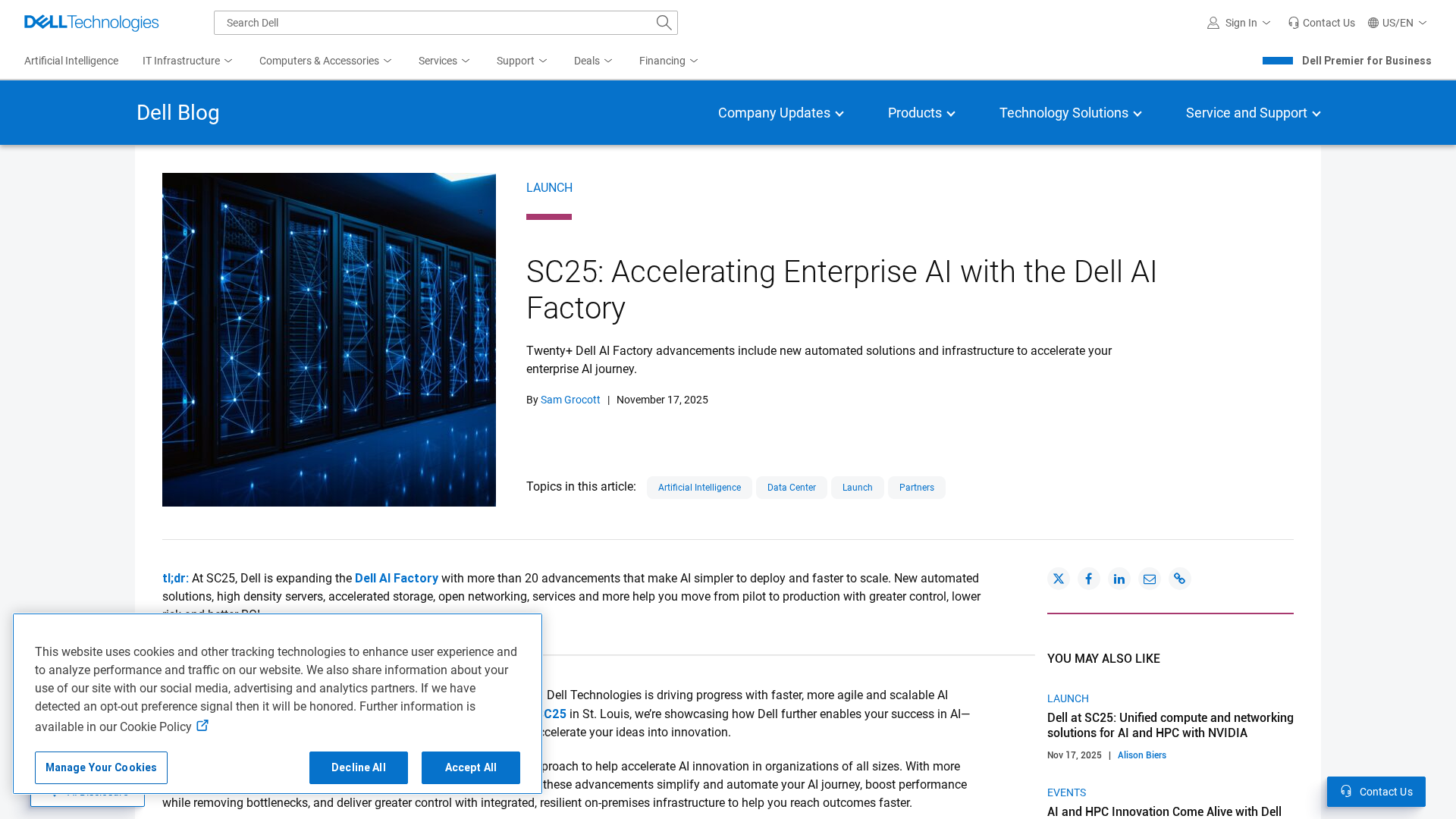
Dell unveils 20+ advancements to its AI Factory at SC25, boosting automation, GPU-dense hardware, storage and services for faster, safer enterprise AI.