Topic Overview
AI‑powered predictive analytics and inventory forecasting platforms use machine learning, probabilistic modeling and real‑time data to predict demand, optimize inventory levels, and simulate scenarios across channels. As of 2026‑02‑07 this space is shaped by the increasing use of large language models (LLMs) for signal extraction, vector databases for semantic retrieval, and agent frameworks for orchestration—enabling faster, context‑aware forecasts and operational decisions. Typical platforms integrate time‑series and causal models, anomaly detection, scenario simulation and optimization engines, and connect to ERPs, POS, and IoT streams for continual updates. Tools named here illustrate key building blocks: IPLEXR represents integrated planning and execution platforms that provide real‑time demand forecasting and dynamic inventory planning; Pinecone is a managed, serverless vector database used to power semantic search and retrieval‑augmented generation (RAG) for supporting contextual forecasts and knowledge retrieval; LangChain is an open‑source framework to build, test and deploy LLM‑powered agents that can automate data pipelines, run what‑if scenarios, and surface explainable recommendations. Current relevance stems from persistent supply‑chain volatility, higher expectations for service levels, and advances that make production‑grade semantic retrieval and agent orchestration practical. Important considerations for adopters include data quality, model explainability, transparency in probabilistic outputs, integration and latency constraints, and operational MLOps for continuous retraining. In practice, modern forecasting stacks blend statistical and ML models, vector retrieval for contextual signals, and agents for workflow automation—aiming to reduce stockouts and excess inventory while providing traceable, auditable forecasts for cross‑functional decision making.
Tool Rankings – Top 3
Next-Gen Supply Chain: AI-Driven, Autonomous, Cost-Effective
Fully managed, serverless vector database focused on production-grade semantic search, retrieval-augmented generation (R

An open-source framework and platform to build, observe, and deploy reliable AI agents.
Latest Articles (6)
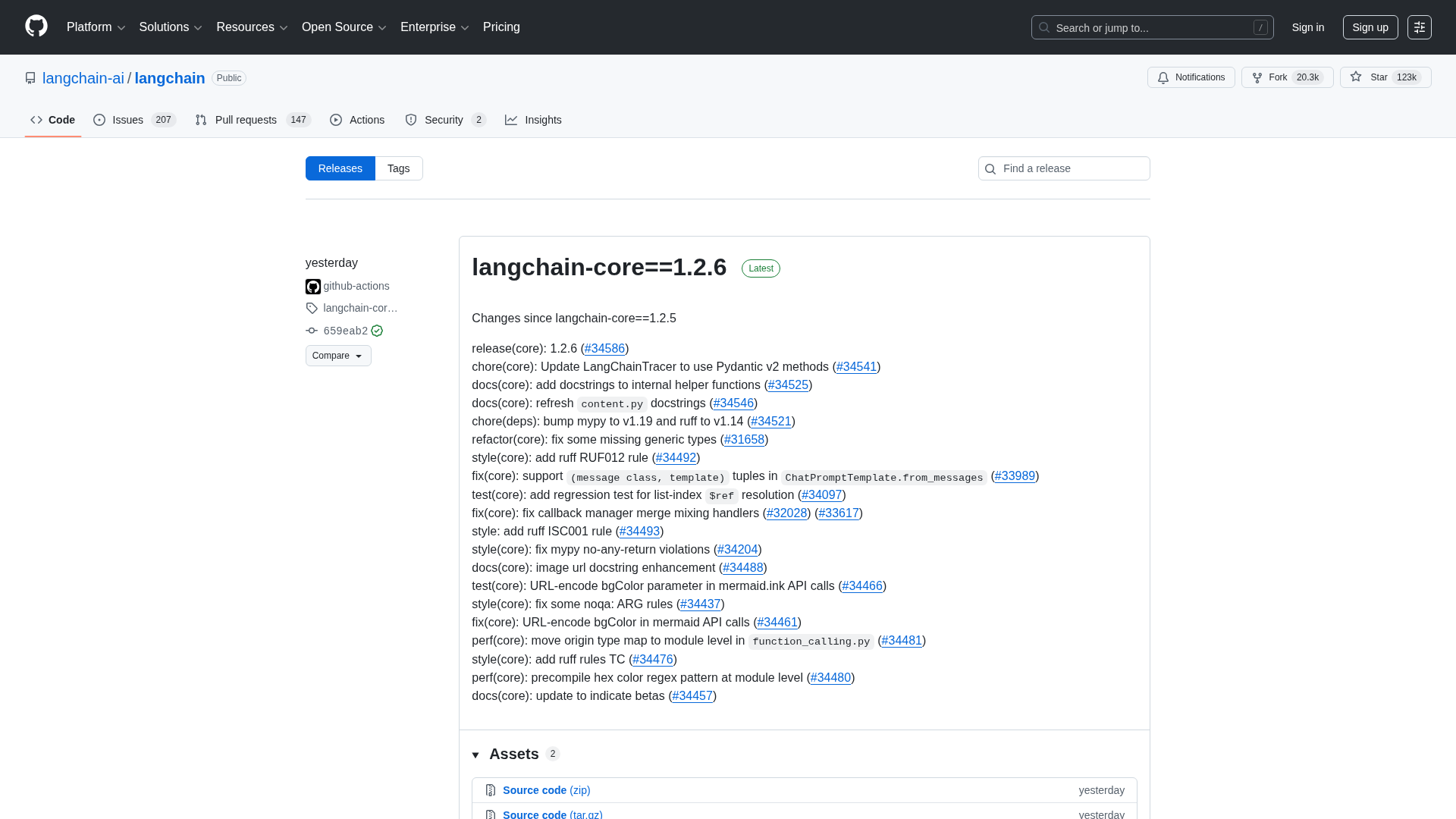
A comprehensive LangChain releases roundup detailing Core 1.2.6 and interconnected updates across XAI, OpenAI, Classic, and tests.
A reproducible bug where LangGraph with Gemini ignores tool results when a PDF is provided, even though the tool call succeeds.
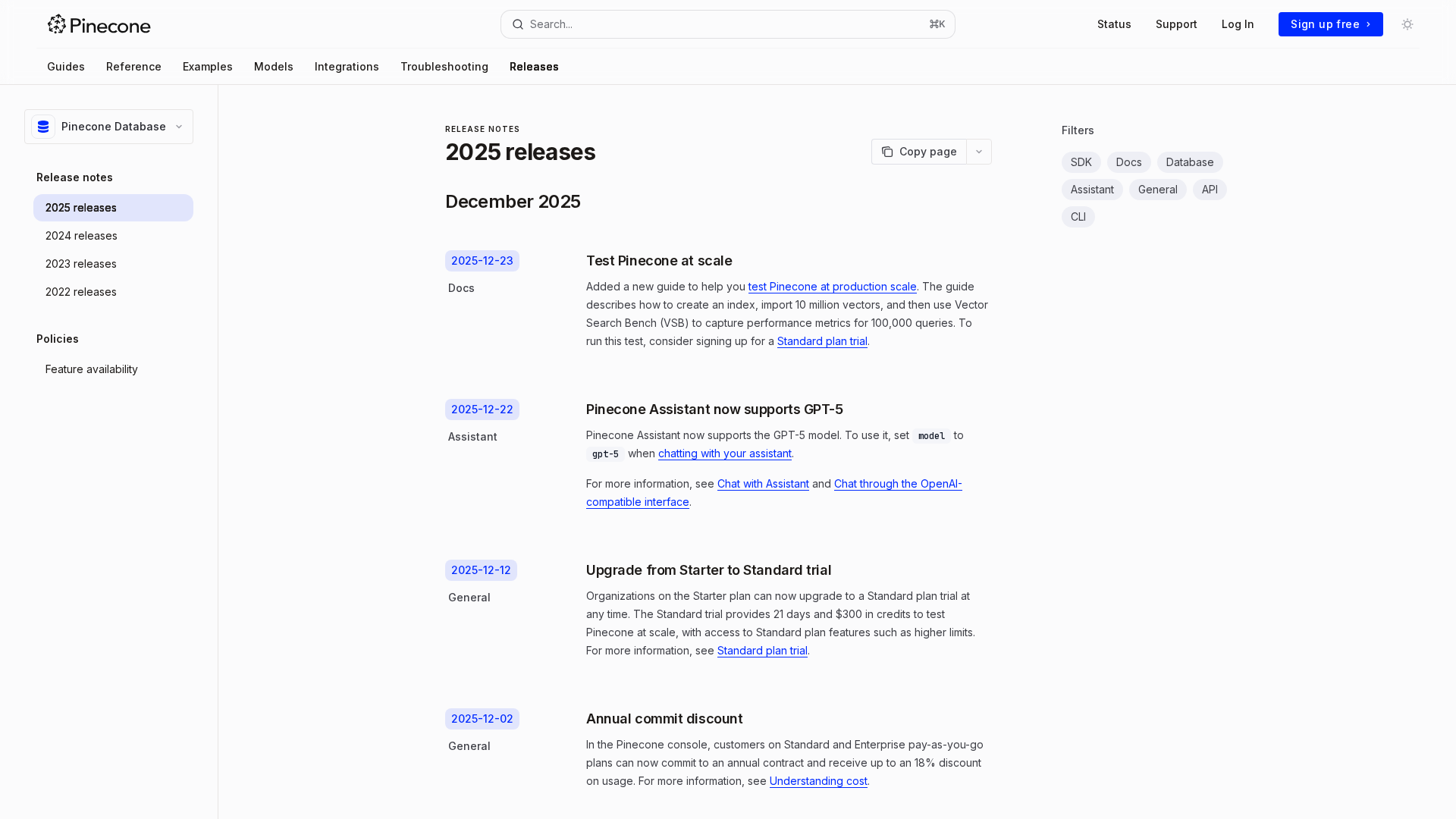
A comprehensive roundup of Pinecone's 2025 releases, features, and SDK updates.
A CLI tool to pull LangSmith traces and threads directly into your terminal for fast debugging and automation.
A practical guide to debugging deep agents with LangSmith using tracing, Polly AI analysis, and the LangSmith Fetch CLI.