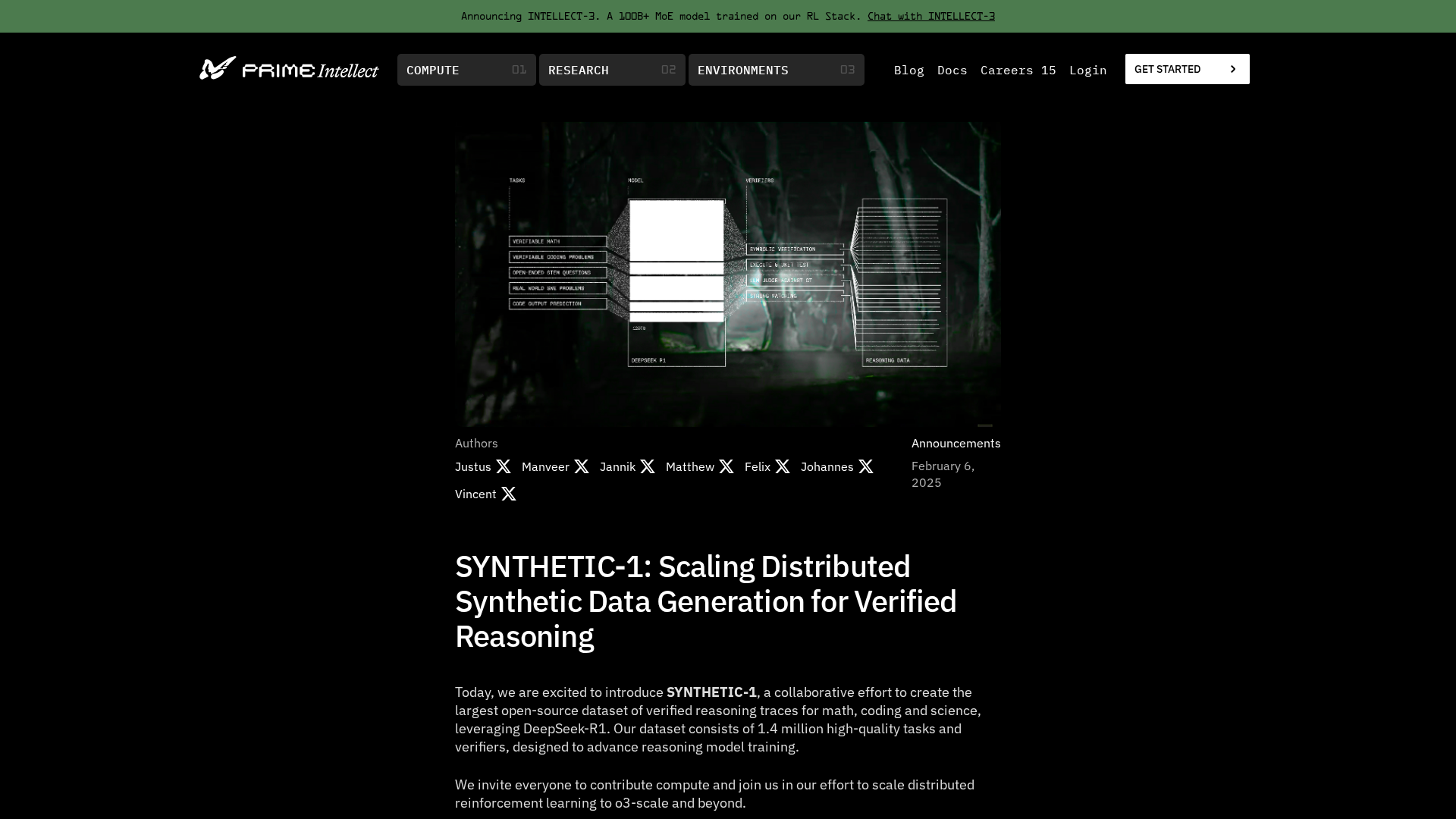
Topic Overview
Public synthetic training datasets are curated, machine‑generated corpora released to support development, fine‑tuning, and evaluation of large language models (LLMs). As of late 2025, interest in datasets such as Tether QVAC Genesis II and its competitors has grown because synthetic data can lower annotation costs, expand domain coverage, and offer privacy‑conscious alternatives to scraped human text — while introducing new challenges in provenance, bias amplification, and distributional mismatch. Practical adoption hinges on ecosystem tooling that manages generation, storage, indexing, and evaluation. Platforms like Activeloop Deep Lake provide multimodal storage and versioning for images, audio, text, embeddings and tensors with vector indexing and support for retrieval‑augmented workflows. OpenPipe focuses on collecting LLM interaction logs, dataset preparation, fine‑tuning pipelines, and hosted inference — useful for turning synthetic interactions into production datasets. LlamaIndex helps developers convert unstructured content into RAG agents and production workflows that mix synthetic and real data for retrieval and context grounding. Key trends in 2025 include standardized metadata and provenance tags for synthetic releases, automated quality metrics (factuality, diversity, toxicity), watermarking and traceability for license compliance, and hybrid training strategies that combine public synthetic data with curated human labels. Risks remain: synthetic datasets can propagate model artifacts, obscure real‑world distributions, and complicate accountability. Evaluators should prioritize reproducible benchmarks, clear licensing, data lineage, and tooling that enables iterative refinement (generation → validate → index → fine‑tune). Public synthetic datasets are now a practical component of LLM pipelines, but require rigorous tooling and governance to be reliable and safe in production.
Tool Rankings – Top 3

Deep Lake: a multimodal database for AI that stores, versions, streams, and indexes unstructured ML data with vector/RAG

Managed platform to collect LLM interaction data, fine-tune models, evaluate them, and host optimized inference.

Developer-focused platform to build AI document agents, orchestrate workflows, and scale RAG across enterprises.
Latest Articles (31)
Best-practices for securing AI agents with identity management, delegated access, least privilege, and human oversight.
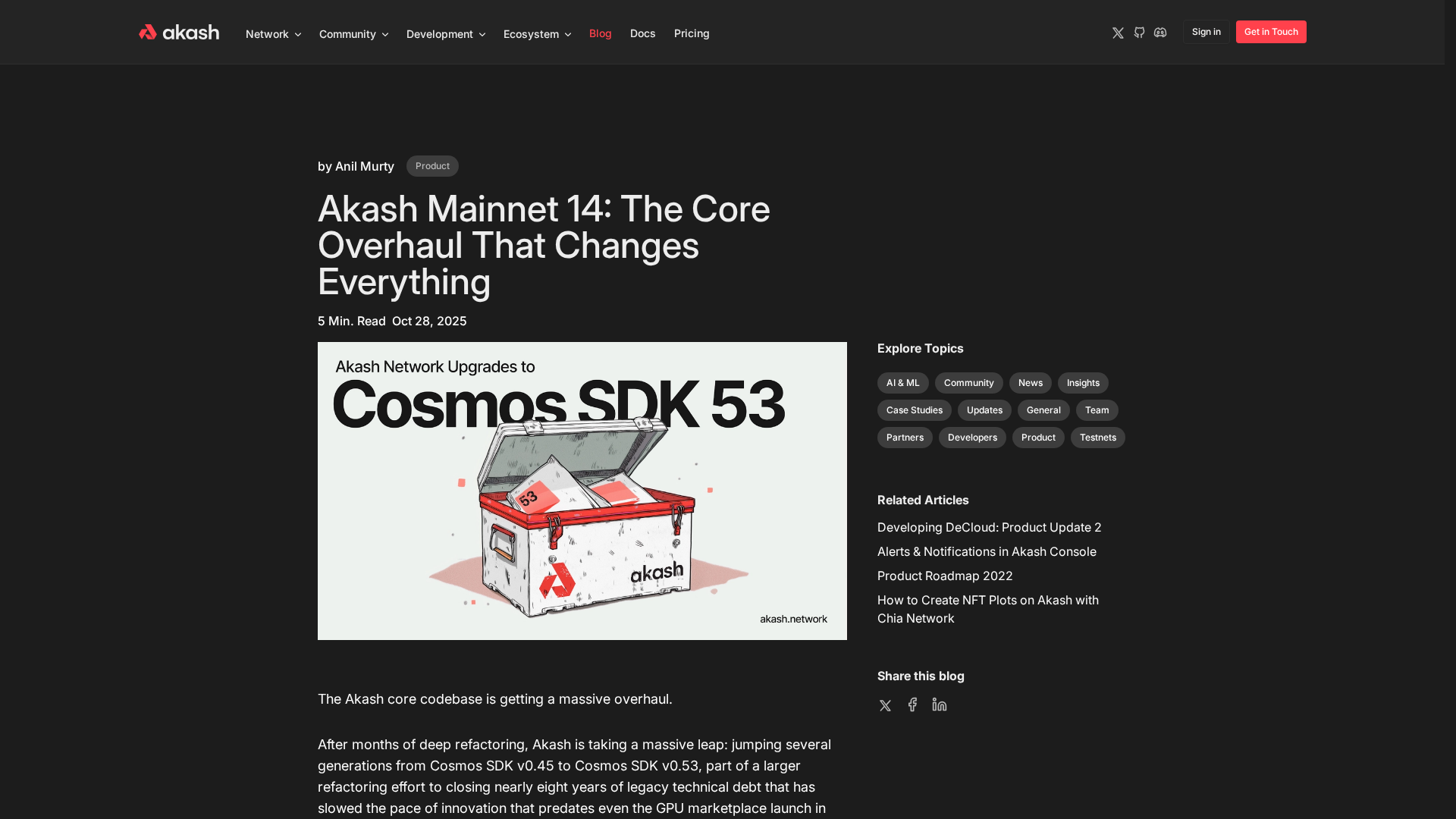
A foundational Core overhauL that speeds up development, simplifies authentication with JWT, and accelerates governance for Akash's decentralized cloud.
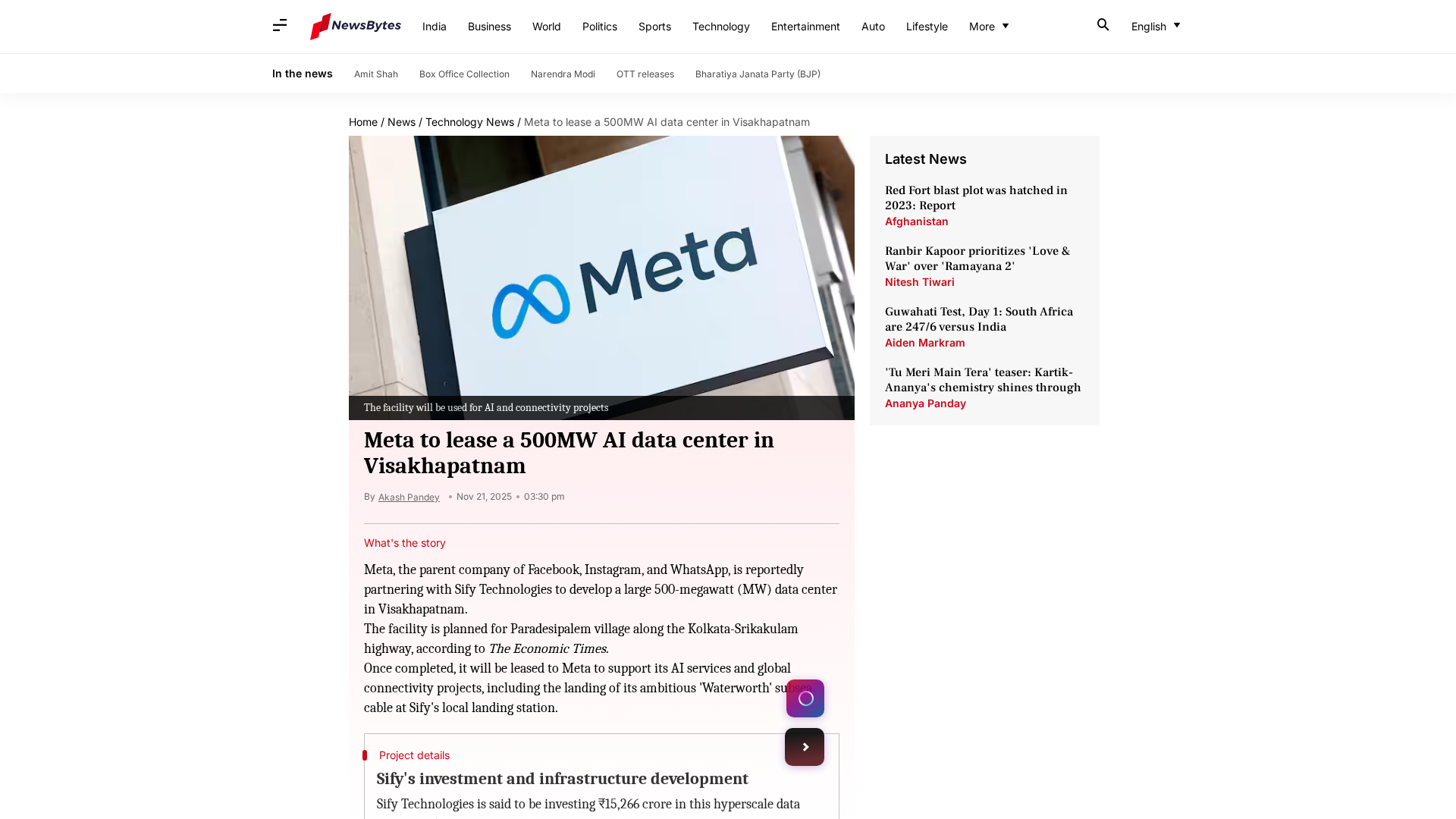
Meta plans a 500MW AI data center in Visakhapatnam with Sify, linked to the Waterworth subsea cable.
Meta to lease 500 MW Visakhapatnam data centre capacity from Sify and land Waterworth submarine cable.

Google expands Canvas travel planning, global Flight Deals, and agentic booking to handle travel research and reservations inside Search AI Mode.