Topic Overview
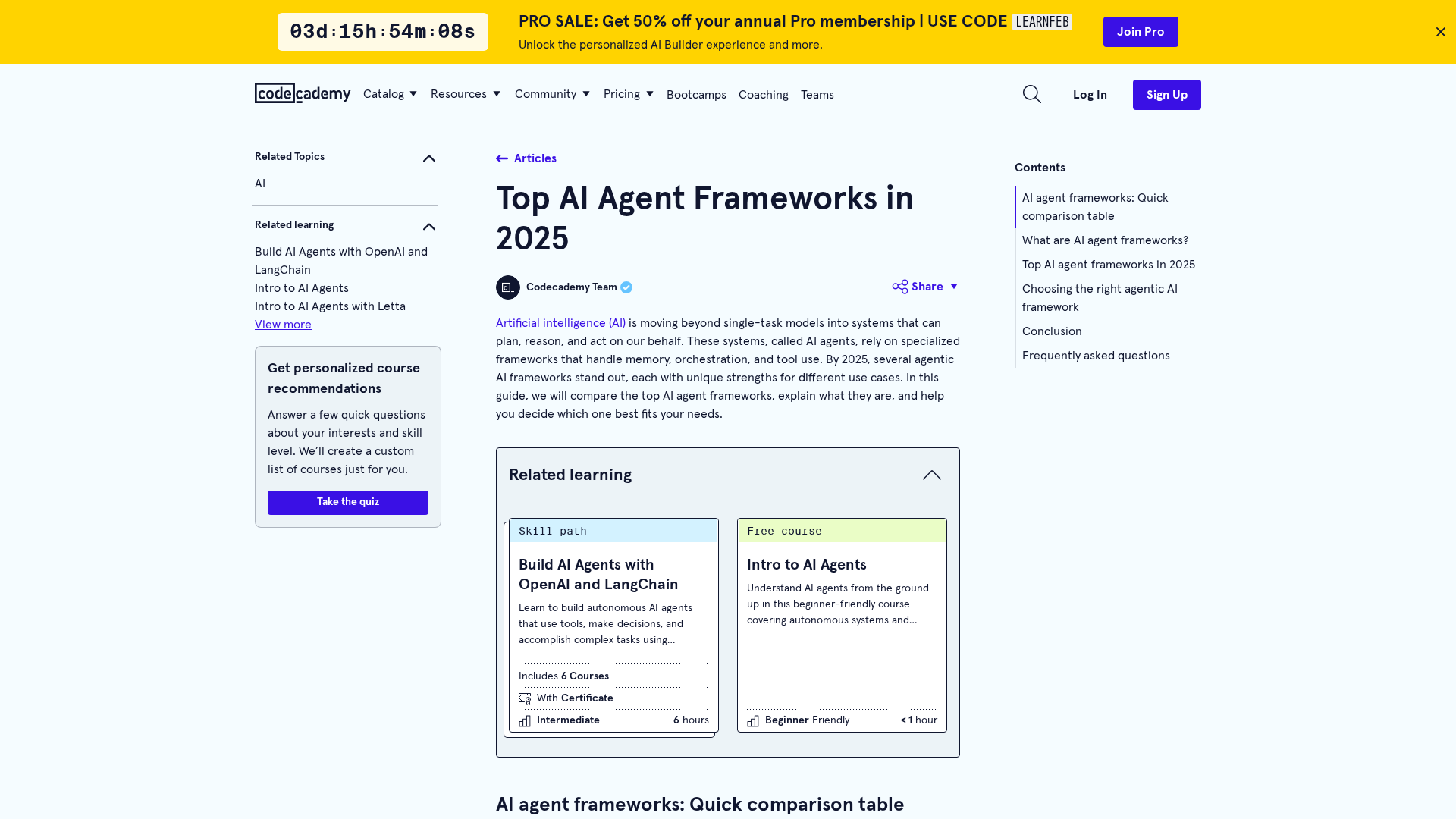
Autonomous agent frameworks and platforms encompass the tools, SDKs, and marketplaces used to design, run, and govern goal‑directed AI “agents” that orchestrate multi‑step workflows. Since 2023 this space has moved from proofs of concept to production‑grade stacks: developer‑first SDKs for orchestration, no‑code visual builders for rapid composition, IDE‑centric agentic coding, and marketplaces for sharing and deploying agent templates. Key players reflect these roles: AutoGPT provides a self‑hosted or cloud option to run automated agents and workflows; LangChain supplies a standards‑oriented SDK and commercial platform for building, testing, and deploying reliable agents; LlamaIndex focuses on building document agents and scaling retrieval‑augmented generation (RAG) in enterprise settings; Windsurf (formerly Codeium) and Replit embed agent features into developer IDEs to keep coding “in flow”; AgentGPT offers a browser‑based, no‑code entry point with goal templates; and MindStudio targets rapid visual design and enterprise controls for deployment and operations. Current trends include composable multi‑model pipelines, RAG as a core capability for knowledge‑driven agents, tighter IDE and hosting integration, and growing emphasis on observability, governance, and abuse‑detection when moving agents into production. Marketplaces and template libraries are emerging to accelerate reuse and standardize best practices, while platforms differentiate on deployment options (self‑hosted vs cloud), enterprise controls, and testing/monitoring features. For teams evaluating this space in 2026, the practical tradeoffs are integration with existing retrieval and data stacks, model and hosting governance, developer ergonomics versus no‑code accessibility, and the ability to monitor, audit, and safely scale autonomous behaviors.
Tool Rankings – Top 6

Platform to build, deploy and run autonomous AI agents and automation workflows (self-hosted or cloud-hosted).

An open-source framework and platform to build, observe, and deploy reliable AI agents.

AI-native IDE and agentic coding platform (Windsurf Editor) with Cascade agents, live previews, and multi-model support.

A browser-based platform to create and deploy autonomous AI agents with simple goals.

Developer-focused platform to build AI document agents, orchestrate workflows, and scale RAG across enterprises.

AI-powered online IDE and platform to build, host, and ship apps quickly.
Latest Articles (39)
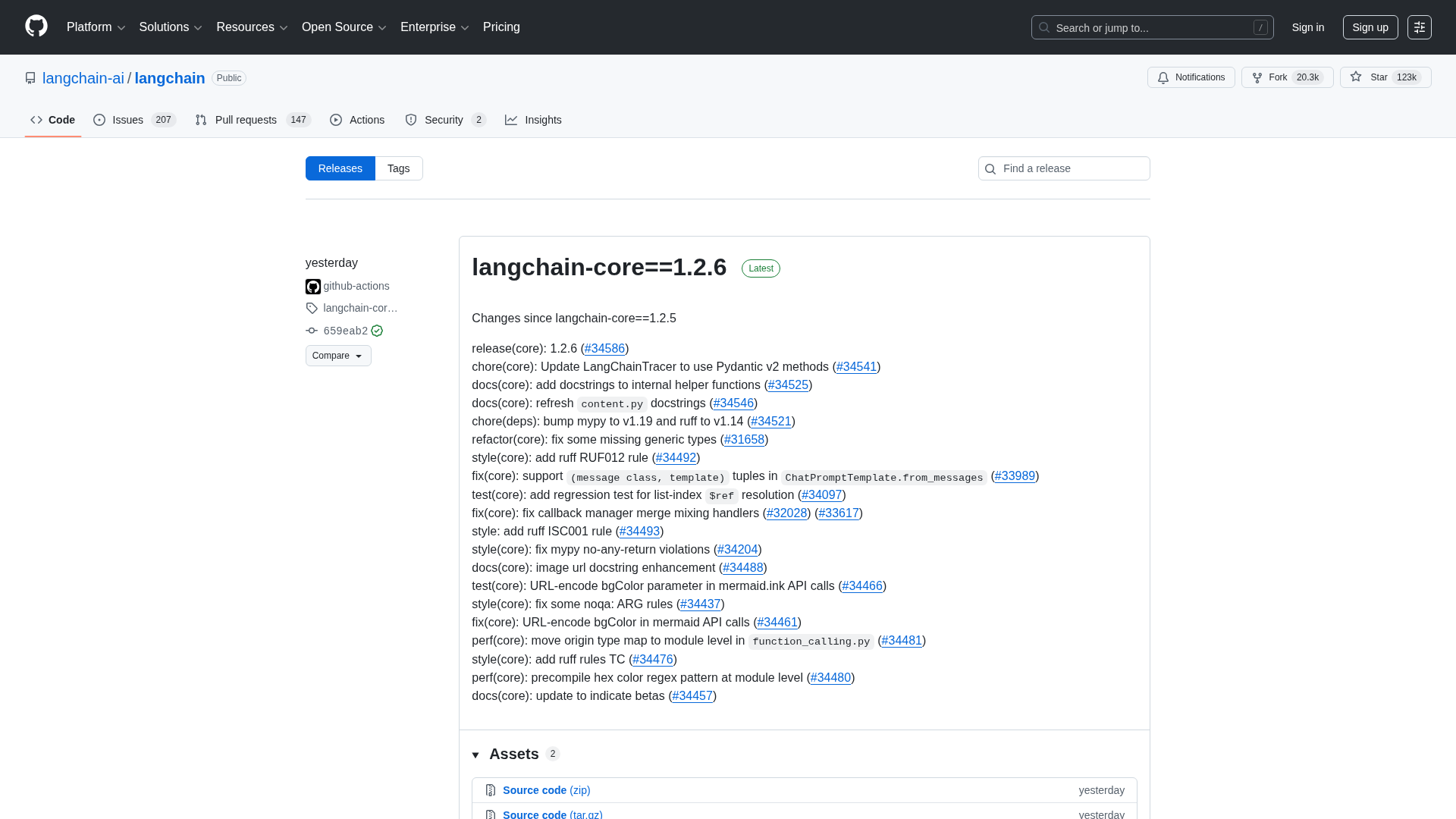
A comprehensive LangChain releases roundup detailing Core 1.2.6 and interconnected updates across XAI, OpenAI, Classic, and tests.
A reproducible bug where LangGraph with Gemini ignores tool results when a PDF is provided, even though the tool call succeeds.
A CLI tool to pull LangSmith traces and threads directly into your terminal for fast debugging and automation.
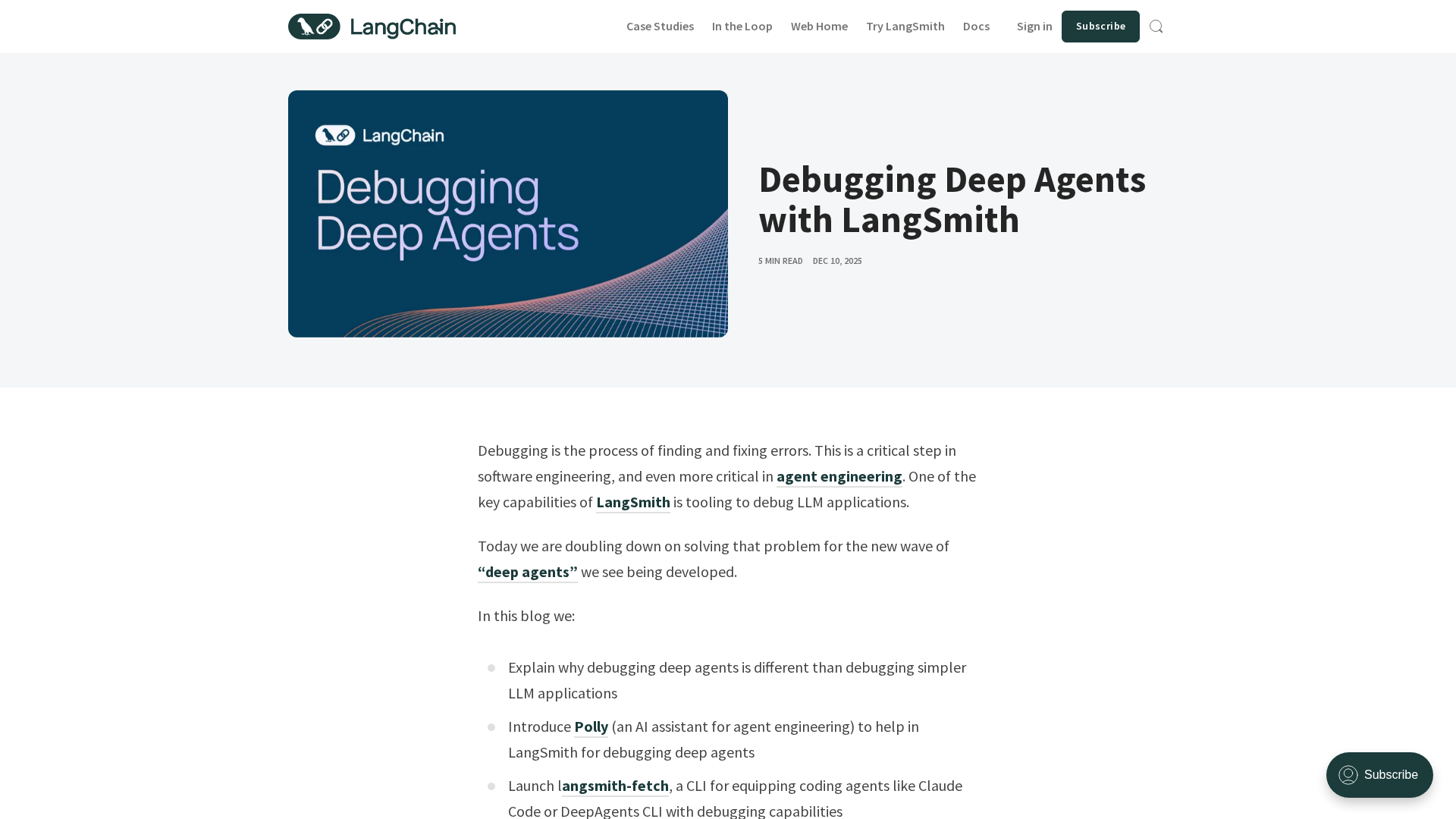
A practical guide to debugging deep agents with LangSmith using tracing, Polly AI analysis, and the LangSmith Fetch CLI.
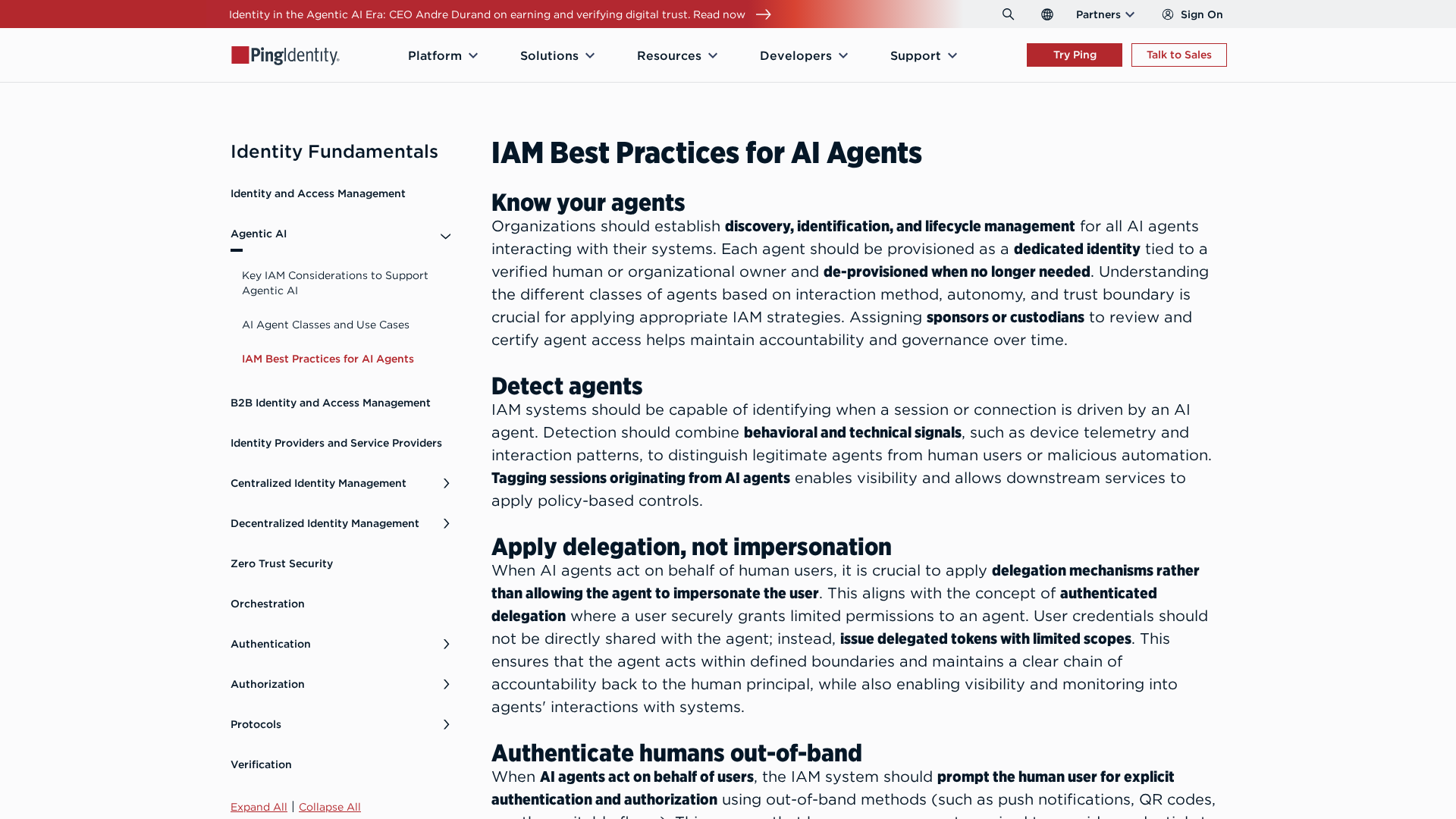
Best-practices for securing AI agents with identity management, delegated access, least privilege, and human oversight.