Topic Overview
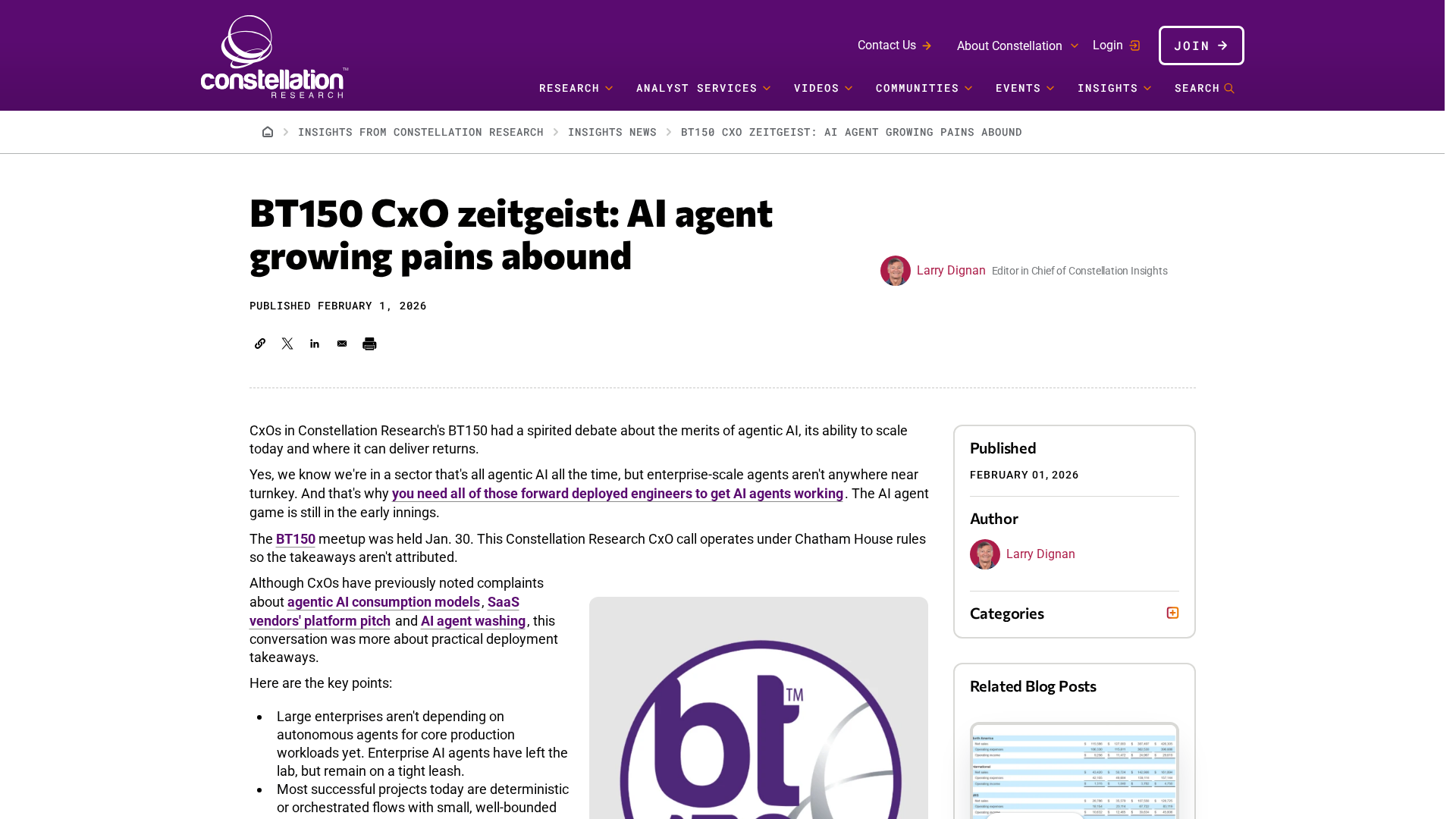
“Best AI Agent Platforms for Enterprise Workflows” examines the tool classes and platform capabilities enterprises need to design, deploy, and govern autonomous assistants that operate across business systems. By 2026 enterprises are moving beyond experiments: agent orchestration, low‑code workflow builders, and purpose‑built infrastructure must work together with model governance, monitoring, and vendor controls to meet performance, privacy, and compliance requirements. Key platform categories include AI agent marketplaces (prebuilt agents and integrations), agent frameworks (developer SDKs and runtime orchestration), low‑code workflow platforms (visual builders for business teams), and AI automation platforms (end‑to‑end deployment, monitoring, and governance). Representative tools span those categories: Mistral AI offers enterprise‑oriented, efficiency-focused foundation models and a production platform emphasizing privacy and governance; StackAI provides a no‑/low‑code enterprise environment for building, deploying, and governing agents; Vertex AI is a unified, fully managed Google Cloud service for model training, deployment, and monitoring; MindStudio is a visual no‑/low‑code studio for designing, testing, and operating agents quickly; Notion and Microsoft 365 Copilot illustrate how workspace and productivity platforms embed agent capabilities to automate knowledge and document workflows; Xilos targets agentic infrastructure with visibility into connected services; and Monitaur focuses on governance, monitoring, and vendor control for regulated industries like insurance. Choosing a platform requires balancing integration with existing systems, model choice (open vs managed), governance and observability, low‑code vs developer flexibility, and operational scale. This topic synthesizes those tradeoffs to help IT and product leaders evaluate platforms that can safely accelerate enterprise automation initiatives.
Tool Rankings – Top 6

Enterprise-focused provider of open/efficient models and an AI production platform emphasizing privacy, governance, and
End-to-end no-code/low-code enterprise platform for building, deploying, and governing AI agents that automate work onun

Unified, fully-managed Google Cloud platform for building, training, deploying, and monitoring ML and GenAI models.

No-code/low-code visual platform to design, test, deploy, and operate AI agents rapidly, with enterprise controls and a
A single, block-based AI-enabled workspace that combines docs, knowledge, databases, automation, and integrations to sup
AI assistant integrated across Microsoft 365 apps to boost productivity, creativity, and data insights.
Latest Articles (52)
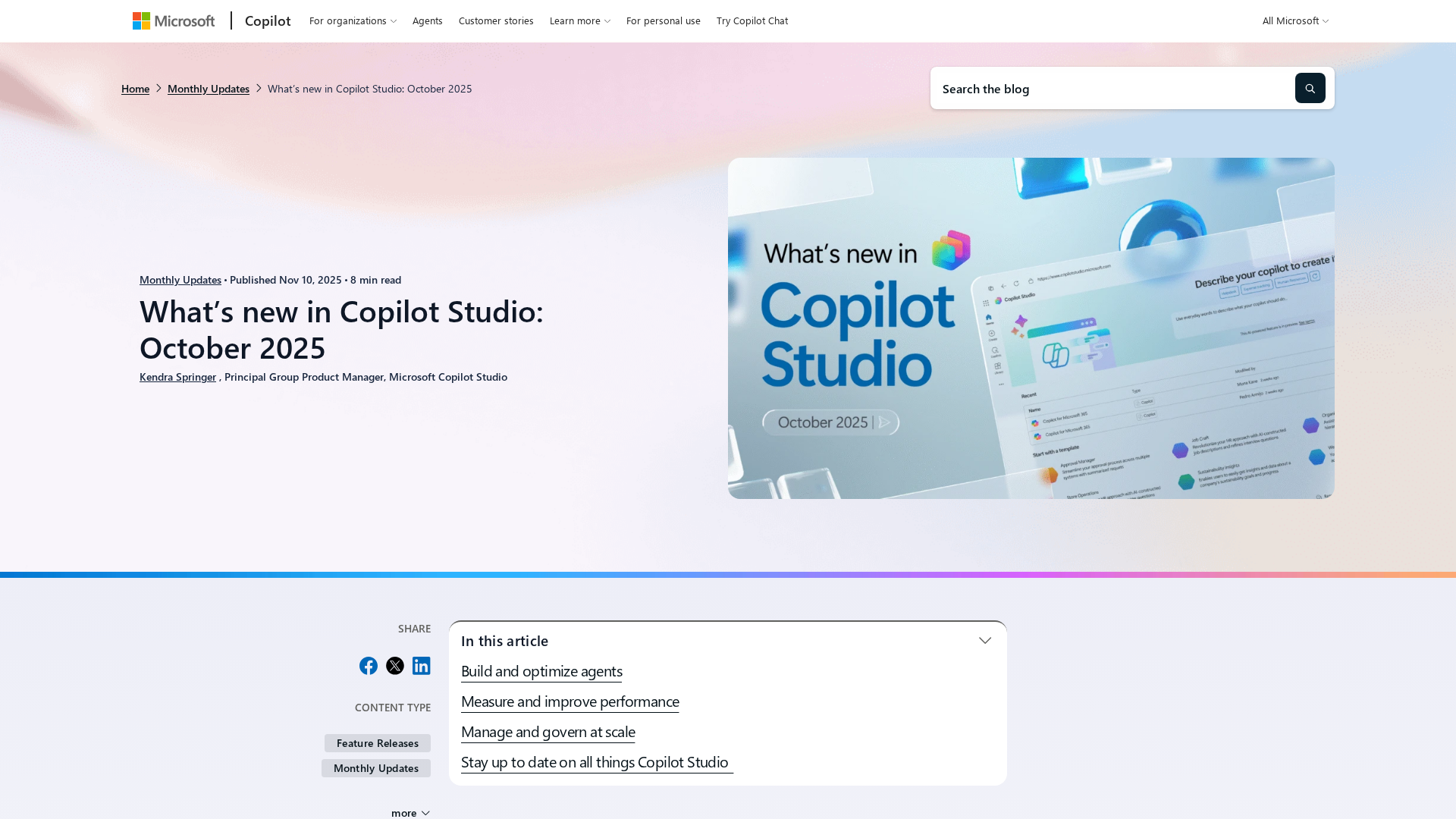
A comprehensive October 2025 roundup of Copilot Studio’s new testing, model, and governance features.
OpenAI’s bypass moment underscores the need for governance that survives inevitable user bypass and hardens system controls.
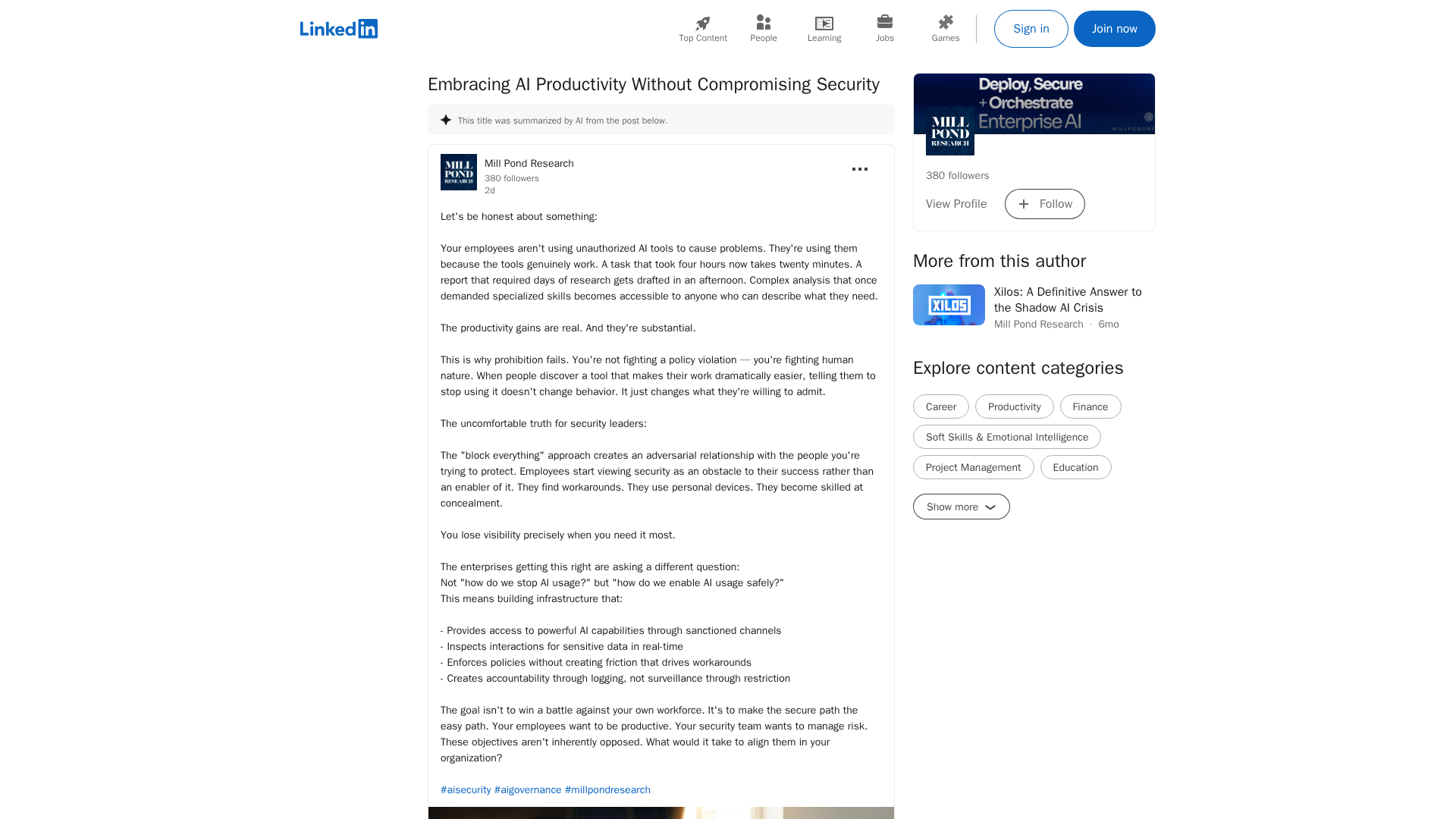
A call to enable safe AI use at work via sanctioned access, real-time data protections, and frictionless governance.
A real-world look at AI in SOCs, debunking myths and highlighting the human role behind automation with Bell Cyber experts.
Explores the human role behind AI automation and how Bell Cyber tackles AI hallucinations in security operations.