Topic Overview
This topic covers the evolving ecosystem of conversational voice‑to‑chat assistants: consumer voice agents (Apple’s Siri redesign, Google Assistant, Amazon Alexa, and ChatGPT’s voice interfaces) and the back‑end platforms, voice synthesis, transcription, and orchestration tools that enable real‑time spoken dialogue. As of 2026-01-24 the field is defined by multimodal large models, low‑latency speech‑to‑text + LLM pipelines, higher‑fidelity text‑to‑speech and fast voice cloning, and growing enterprise deployments for contact centers and sales automation. Key tool categories and examples: consumer assistants (Siri, Google Assistant, Alexa, ChatGPT) provide device‑level and ambient voice experiences; LLM platforms such as Anthropic’s Claude and Google Gemini supply conversational reasoning and multimodal capabilities; enterprise assistants like IBM watsonx Assistant, PolyAI, Yellow.ai, and Crescendo.ai focus on no‑code/developer orchestration for CX automation; real‑time phone/meeting agents (ZenCall.ai, Sophie, AI Phone) combine STT + LLM + TTS to answer, route, translate, and qualify leads; and specialized voice synthesis/voice‑cloning services provide high‑quality TTS and rapid cloning for personalization and multilingual support. Why it matters now: advances in model efficiency and cloud‑edge deployment have pushed voice assistants from experimental to production for both consumers and enterprises, enabling 24/7 voice operators, multilingual translation, and human+AI hybrid workflows. Key considerations include latency, transcription accuracy, naturalness and ethical use of cloned voices, integration with calendars and CRM, and privacy/onsite inference options. Evaluating voice‑to‑chat assistants therefore requires looking beyond a single interface to the full STT→LLM→TTS stack, orchestration capabilities, and enterprise controls that determine real‑world reliability and compliance.
Tool Rankings – Top 6
Anthropic's Claude family: conversational and developer AI assistants for research, writing, code, and analysis.

Voice-first conversational AI for enterprise contact centers, delivering lifelike multilingual agents across voice, chat

Google’s multimodal family of generative AI models and APIs for developers and enterprises.

Enterprise virtual agents and AI assistants built with watsonx LLMs for no-code and developer-driven automation.
_logo%201.svg)
AI-native CX platform combining agentic AI with human experts in a managed service model (platform + per-resolution fees

Enterprise agentic AI platform for CX and EX automation, building autonomous, human-like agents across channels.
Latest Articles (100)
A vendor‑agnostic guide to the 14 best AI governance platforms in 2025, with criteria, comparisons, and practical buying guidance.
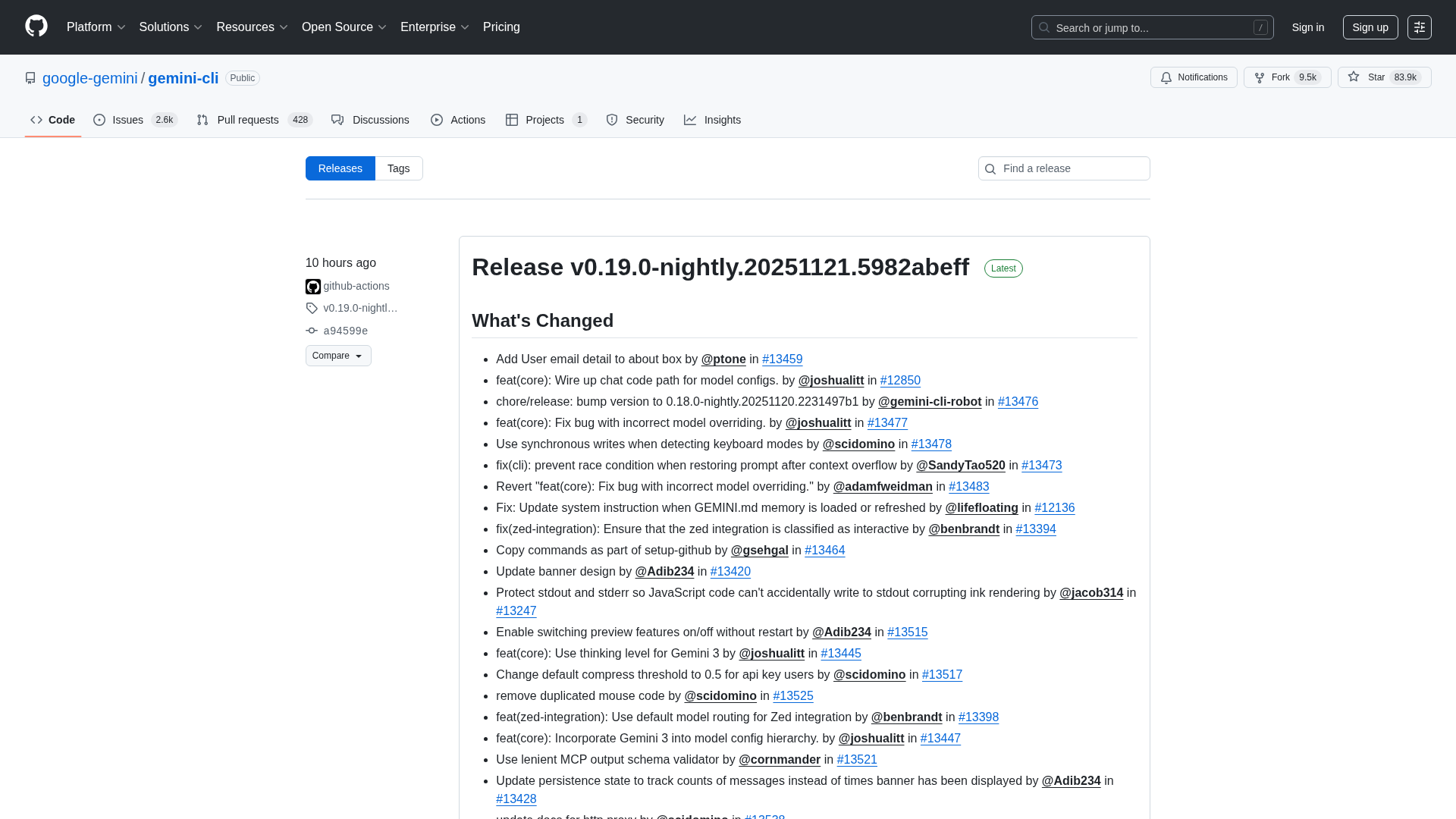
Overview of the Gemini CLI v0.36.0-preview release series, highlighting architectural, CLI, and UI changelogs across multiple pre-release versions.

Adobe nears a $19 billion deal to acquire Semrush, expanding its marketing software capabilities, according to WSJ reports.
Wolters Kluwer expands UpToDate Expert AI with UpToDate Lexidrug to bolster drug information and medication decision support.
A practical, step-by-step guide to fine-tuning large language models with open-source NLP tools.