
Topic Overview
This topic examines the rapidly evolving market for consumer AI hardware—particularly smart earbuds and wearable devices—where on‑device inference, natural voice interfaces, and privacy controls are now core differentiators. By early 2026, devices marketed as “personal AI assistants” increasingly combine always‑available speech agents, edge vision sensors, and low‑latency text‑to‑speech (TTS) to support hands‑free workflows, real‑time captioning, translation, and creative audio production. Key technology categories include Personal AI Assistants (contextual, conversational agents running partly on-device), Edge AI Vision Platforms (camera‑based sensing for gesture and context), Voice Synthesis and Transcription (speech‑to‑text and voice cloning), and Text‑to‑Speech Tools (low‑latency expressive TTS). Representative tools illustrate the tradeoffs developers and OEMs face: Bocca prioritizes offline, on‑device transcription and prompt generation for privacy‑sensitive workflows; ElevenLabs offers production‑grade TTS, voice cloning, and Scribe transcription for high‑fidelity audio and voice agents; Smallest.ai targets real‑time, low‑latency TTS with emotion controls and broad language support; Murf AI provides cloud‑first studio voices, multilingual dubbing, and developer APIs for integration. Trends to watch include hybrid edge/cloud architectures that balance latency, battery life, and model freshness; wider adoption of voice cloning and expressive TTS with stronger consent and security controls; and growing demand for developer APIs to slot services into earbuds and wearable ecosystems. For buyers and builders, the practical questions are interoperability, privacy guarantees, fallback to cloud processing, and how voice/audio tooling is integrated into broader assistant and vision capabilities—areas where platform choices and vendor toolchains (on‑device vs cloud TTS/transcription) materially affect user experience and trust.
Tool Rankings – Top 4
A push-to-talk tool that transforms your audio into text
Industry-leading AI audio platform for ultra-realistic text-to-speech, voice cloning, transcription, and voice agents.
Hyper-realistic AI voiceovers

Realistic AI text-to-speech, dubbing, and voice APIs with 200+ voices and multilingual support.
Latest Articles (18)
Bocca is an offline, on-device AI transcription and content tool that speeds prompts, transcripts, and multilingual tasks without internet access.
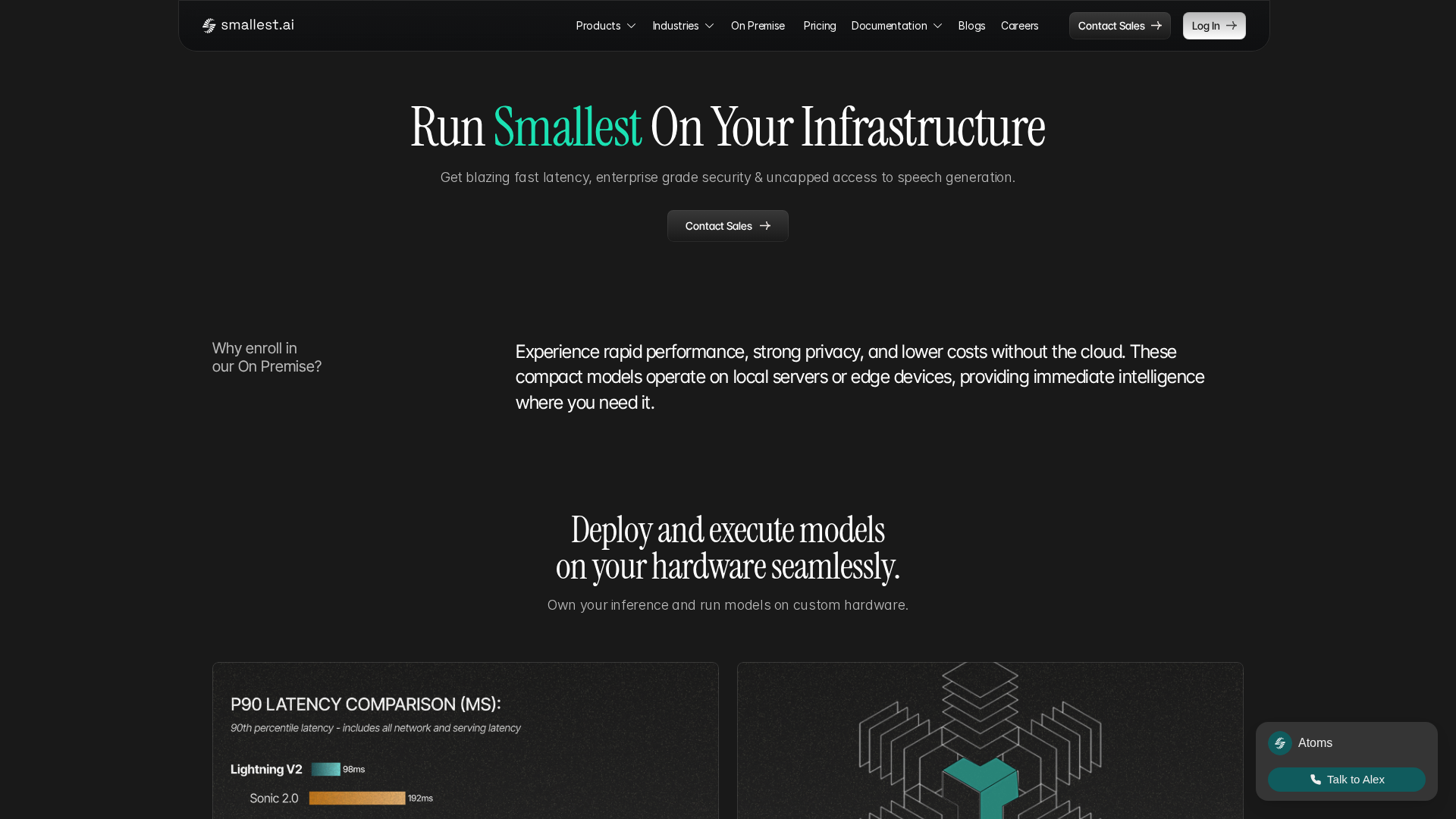
Ultra-fast, on-premise AI voice agents delivering secure, scalable enterprise speech solutions with rapid latency.
Real-time, full-duplex multimodal voice AI for enterprise contact centers with sub-300ms responses.
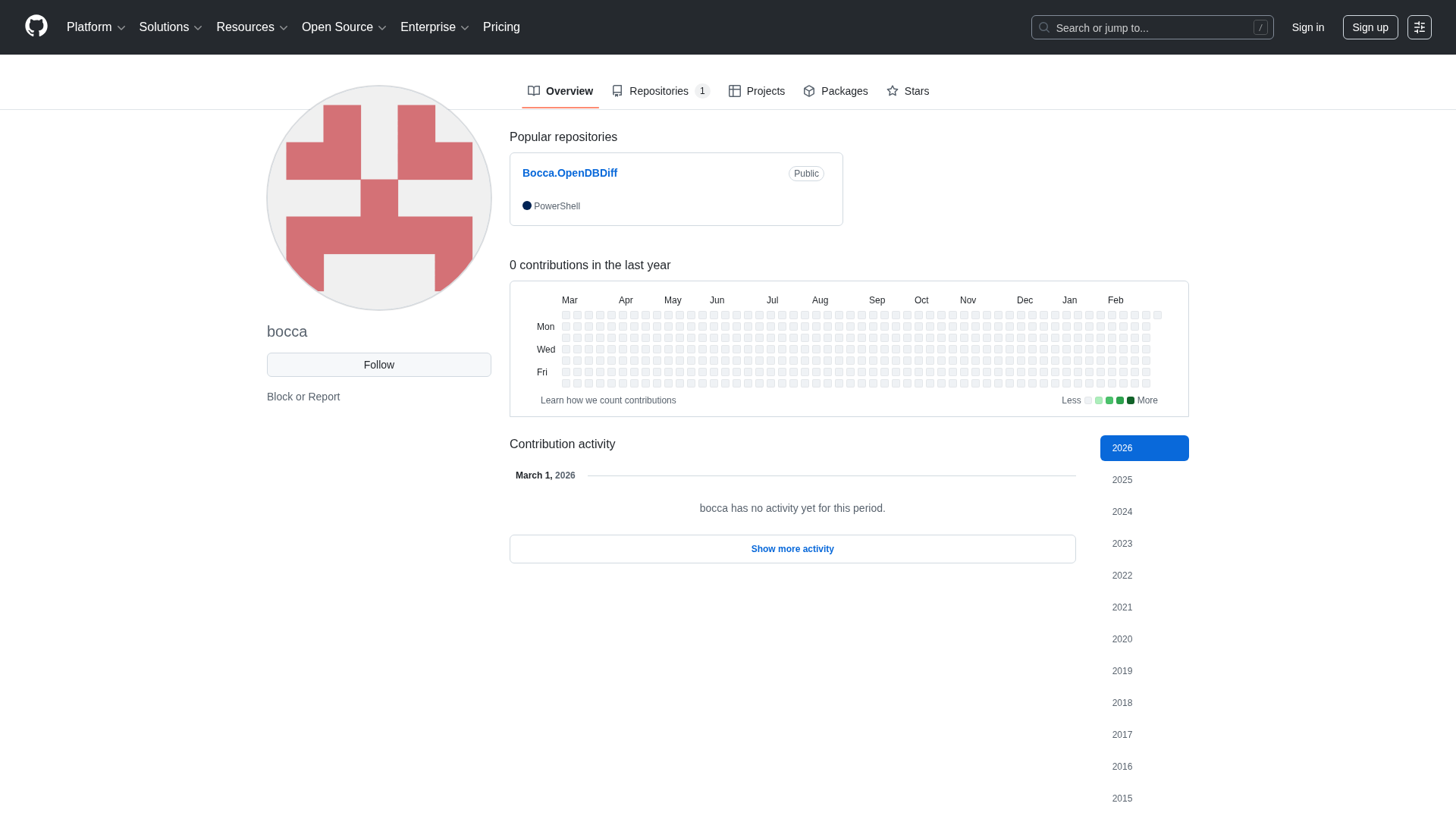
Snapshot of a GitHub repository page showing feedback prompts, blocking controls, abuse reporting, and a load error.
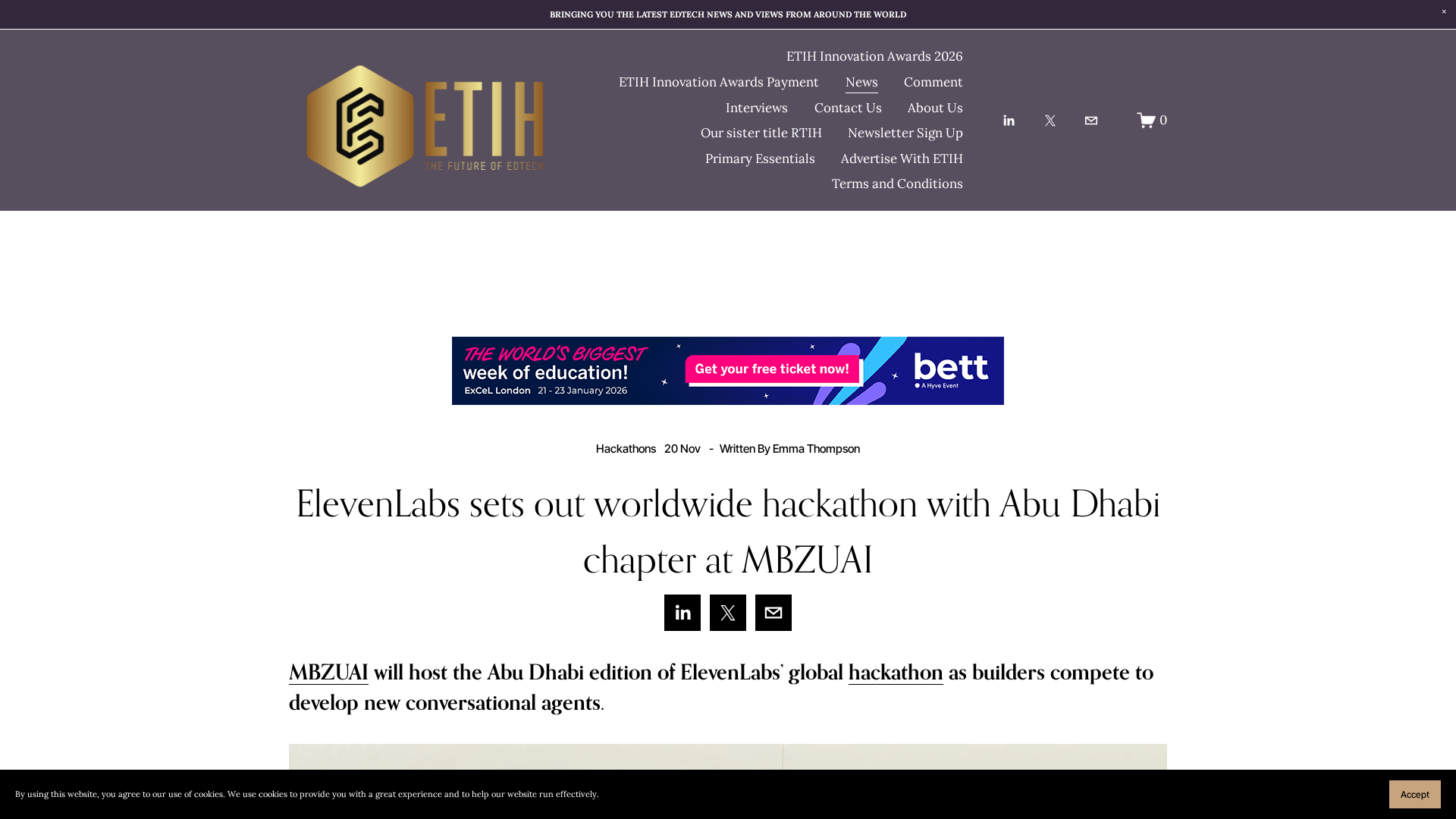
ElevenLabs launches a worldwide hackathon with MBZUAI's Abu Dhabi chapter to prototype conversational agents for prize winnings.