Topic Overview
Personal AI assistants are conversational, multimodal systems and integrated assistants that help individuals and organizations with writing, research, coding, scheduling, and task automation. By 2026, the category centers on models that combine natural language, images, and structured data with connectors into apps and corporate knowledge bases, enabling productivity gains across personal and enterprise workflows. This comparison focuses on product and platform differences: Google’s Gemini family (multimodal generative models available via Google AI APIs, AI Studio and Vertex AI) emphasizes model variety, cloud-native deployment, and deep integration with Google Cloud services. OpenAI’s ChatGPT (and ChatGPT Enterprise) is built around conversational fluency, developer APIs, and ecosystem extensions. Anthropic’s Claude family targets safe, research-oriented conversational assistants tuned for analysis and long-form reasoning. Microsoft 365 Copilot embeds assistant capabilities directly into Office apps to accelerate document creation, data analysis and collaboration. Perplexity AI prioritizes web-grounded answers with citations for real-time research. Notion offers a block-based, AI-enabled workspace that combines docs, knowledge bases and automation. Cohere and IBM watsonx Assistant serve enterprise customers with private, customizable LLMs, retrieval and orchestration tools for secure assistants; Vertex AI is the underlying Google Cloud platform for model training, fine-tuning and deployment. Key decision drivers today are multimodal capability, real-time web grounding and citation, integration with personal and enterprise data, privacy/governance controls, and developer tooling for customization and orchestration. As organizations embed assistants into workflows, trade-offs between latency, costs, data residency and safety shape adoption. This comparison helps buyers and developers choose the right assistant based on use case, integration needs, and governance requirements.
Tool Rankings – Top 6

Google’s multimodal family of generative AI models and APIs for developers and enterprises.
AI assistant integrated across Microsoft 365 apps to boost productivity, creativity, and data insights.
Anthropic's Claude family: conversational and developer AI assistants for research, writing, code, and analysis.
AI-powered answer engine delivering real-time, sourced answers and developer APIs.
A single, block-based AI-enabled workspace that combines docs, knowledge, databases, automation, and integrations to sup

Enterprise-focused LLM platform offering private, customizable models, embeddings, retrieval, and search.
Latest Articles (93)
A vendor‑agnostic guide to the 14 best AI governance platforms in 2025, with criteria, comparisons, and practical buying guidance.
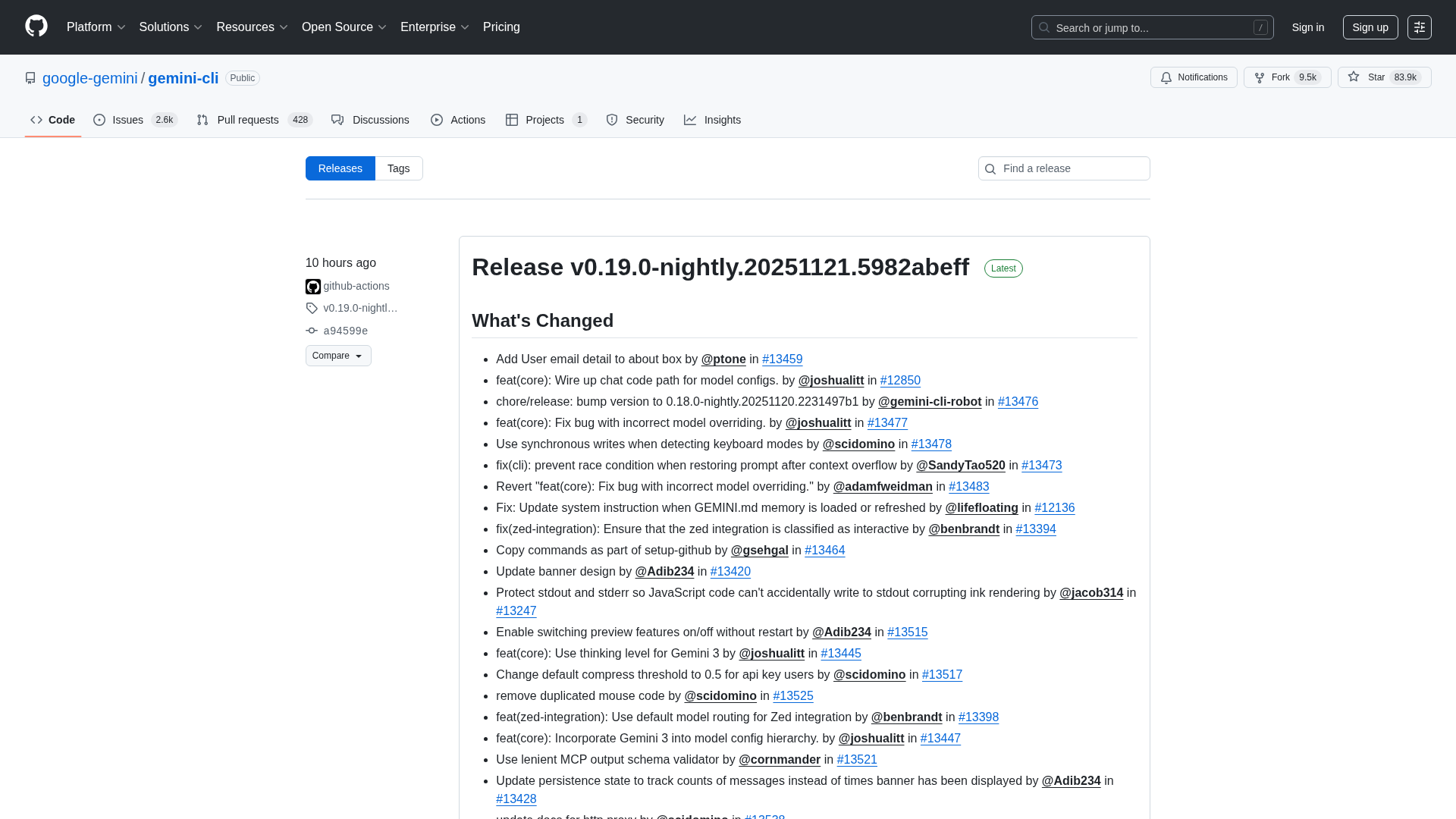
Overview of the Gemini CLI v0.36.0-preview release series, highlighting architectural, CLI, and UI changelogs across multiple pre-release versions.
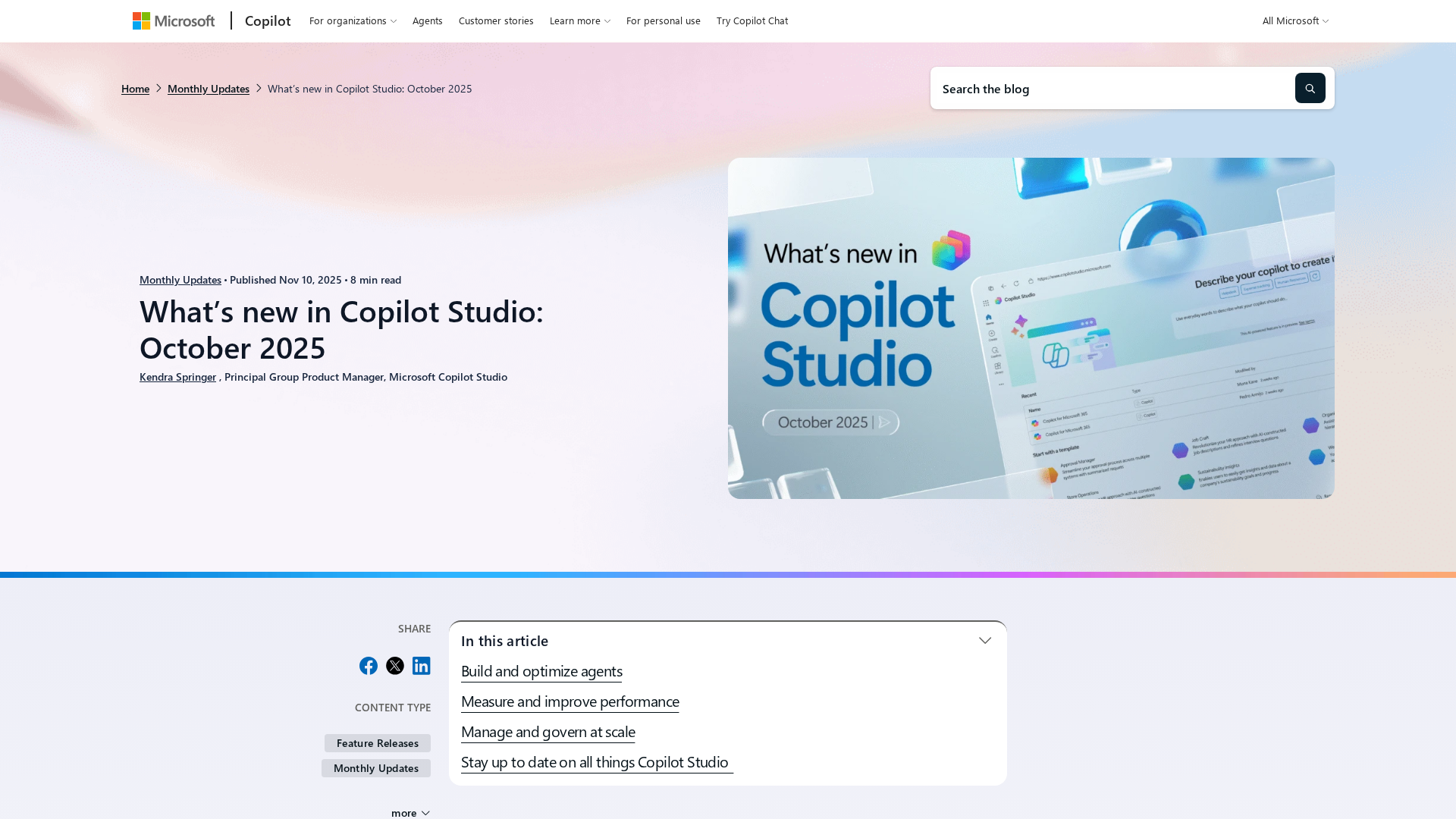
A comprehensive October 2025 roundup of Copilot Studio’s new testing, model, and governance features.

Adobe nears a $19 billion deal to acquire Semrush, expanding its marketing software capabilities, according to WSJ reports.
Wolters Kluwer expands UpToDate Expert AI with UpToDate Lexidrug to bolster drug information and medication decision support.