
Topic Overview
Intelligent NFT frameworks and hybrid on‑chain/off‑chain NFT platforms describe architectures where non‑fungible tokens retain cryptographic provenance and settlement on a blockchain while richer, compute‑heavy or private functionality runs off chain. This pattern is increasingly relevant in 2026 as NFTs move from static collectibles to dynamic, interactive assets that embed AI‑driven metadata, personalized experiences, and autonomous behaviors — all while requiring stronger cryptographic guarantees and scalable economics. Practically, hybrid platforms anchor ownership and immutable proofs on‑chain (token standards, event logs, on‑chain anchors) and delegate heavy tasks—model inference, retrieval‑augmented generation (RAG), metadata synthesis, and policy execution—to off‑chain services or decentralized compute. Decentralized AI infrastructure and post‑quantum blockchain tools are central: post‑quantum primitives and migration strategies mitigate future cryptographic risks; oracles, verifiable computation and zk‑style receipts help preserve auditability when off‑chain agents act on tokens. Developer tooling shown here maps to different layers of the stack. LangChain and LlamaIndex provide engineering frameworks for building stateful agents and RAG pipelines that can generate or contextualize NFT metadata and behaviors. AutoGPT and AgentGPT enable autonomous agent workflows that can monitor on‑chain events and trigger off‑chain updates. Replit, GitHub Copilot, Windsurf (Codeium) and Tabnine accelerate developer productivity and safe deployment—covering IDE, pair programming, agentic coding, and enterprise governance or self‑hosted models. For architects and builders, the current priorities are: clear separation of on‑chain guarantees vs off‑chain logic, verifiable attestations for AI outputs, post‑quantum key and signature strategies, and developer workflows that support reproducible, auditable agent behavior. Combining these elements yields NFTs that are interactive, auditable, and resilient to future cryptographic threats while keeping compute and privacy costs manageable.
Tool Rankings – Top 6

Engineering platform and open-source frameworks to build, test, and deploy reliable AI agents.

Developer-focused platform to build AI document agents, orchestrate workflows, and scale RAG across enterprises.

Platform to build, deploy and run autonomous AI agents and automation workflows (self-hosted or cloud-hosted).

A browser-based platform to create and deploy autonomous AI agents with simple goals.

AI-powered online IDE and platform to build, host, and ship apps quickly.
An AI pair programmer that gives code completions, chat help, and autonomous agent workflows across editors, theterminal
Latest Articles (59)
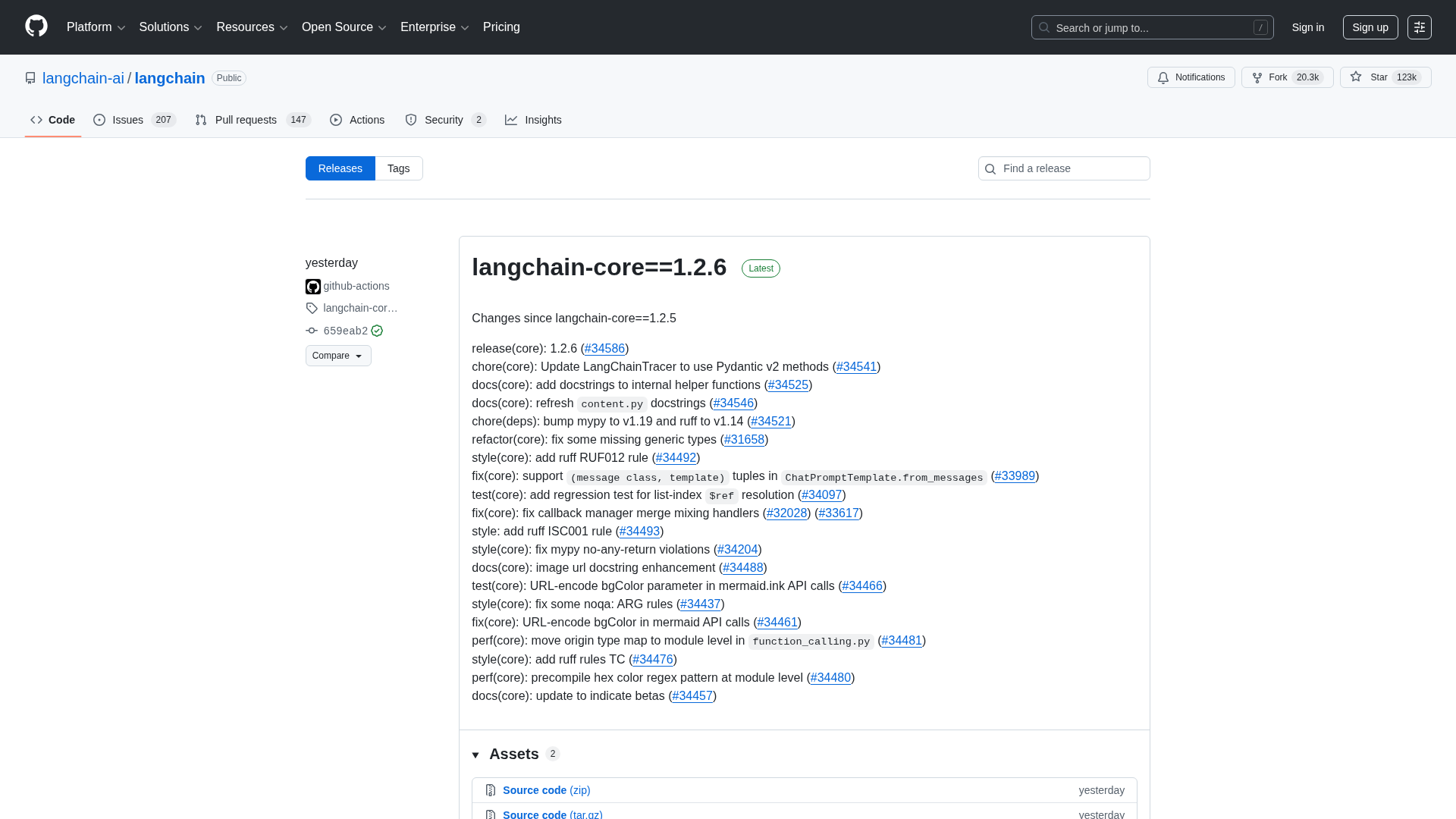
A comprehensive LangChain releases roundup detailing Core 1.2.6 and interconnected updates across XAI, OpenAI, Classic, and tests.
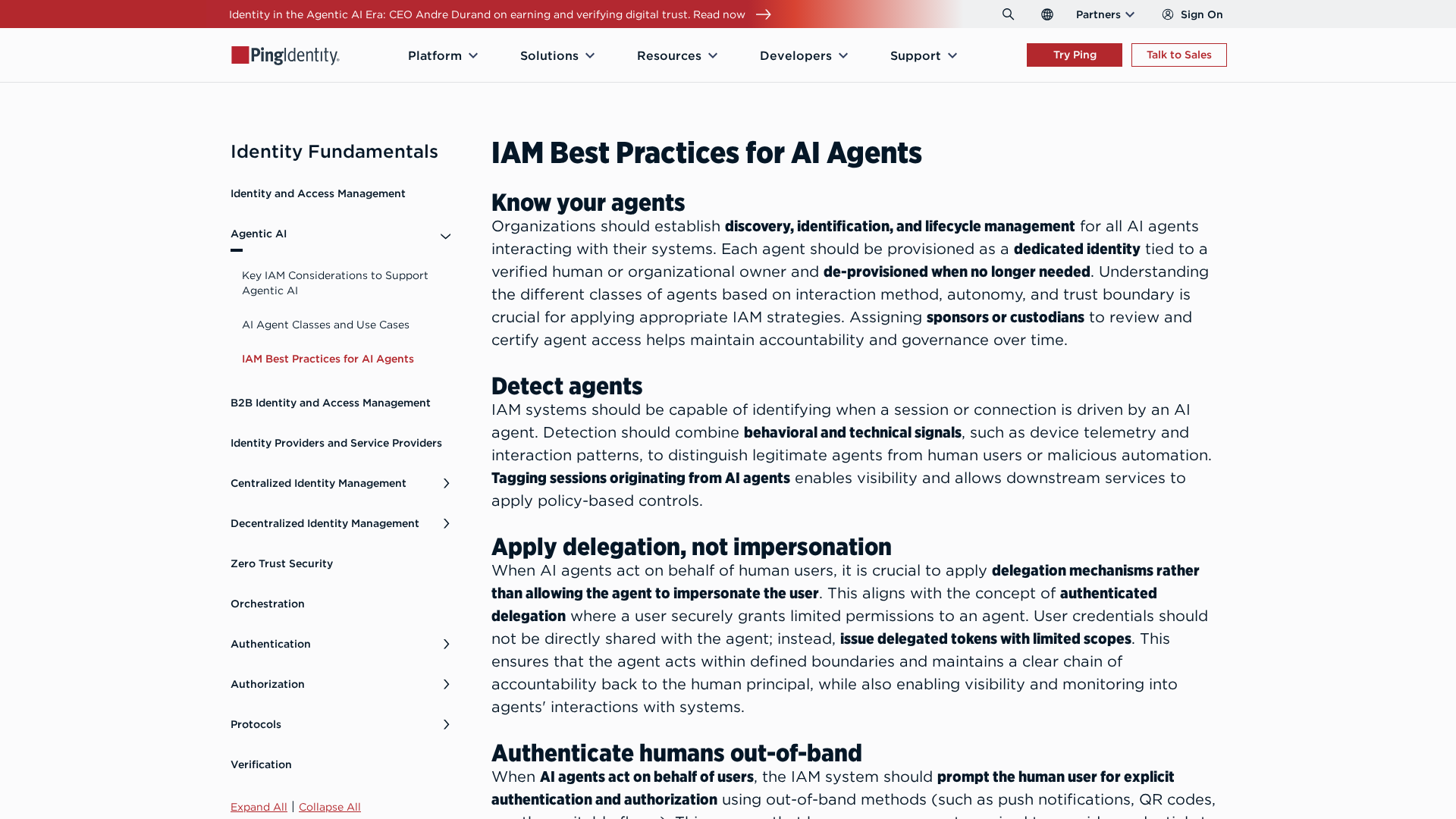
Best-practices for securing AI agents with identity management, delegated access, least privilege, and human oversight.

Cannot access the article content due to an access-denied error, preventing summarization.
A quick preview of POE-POE's pros and cons as seen in G2 reviews.
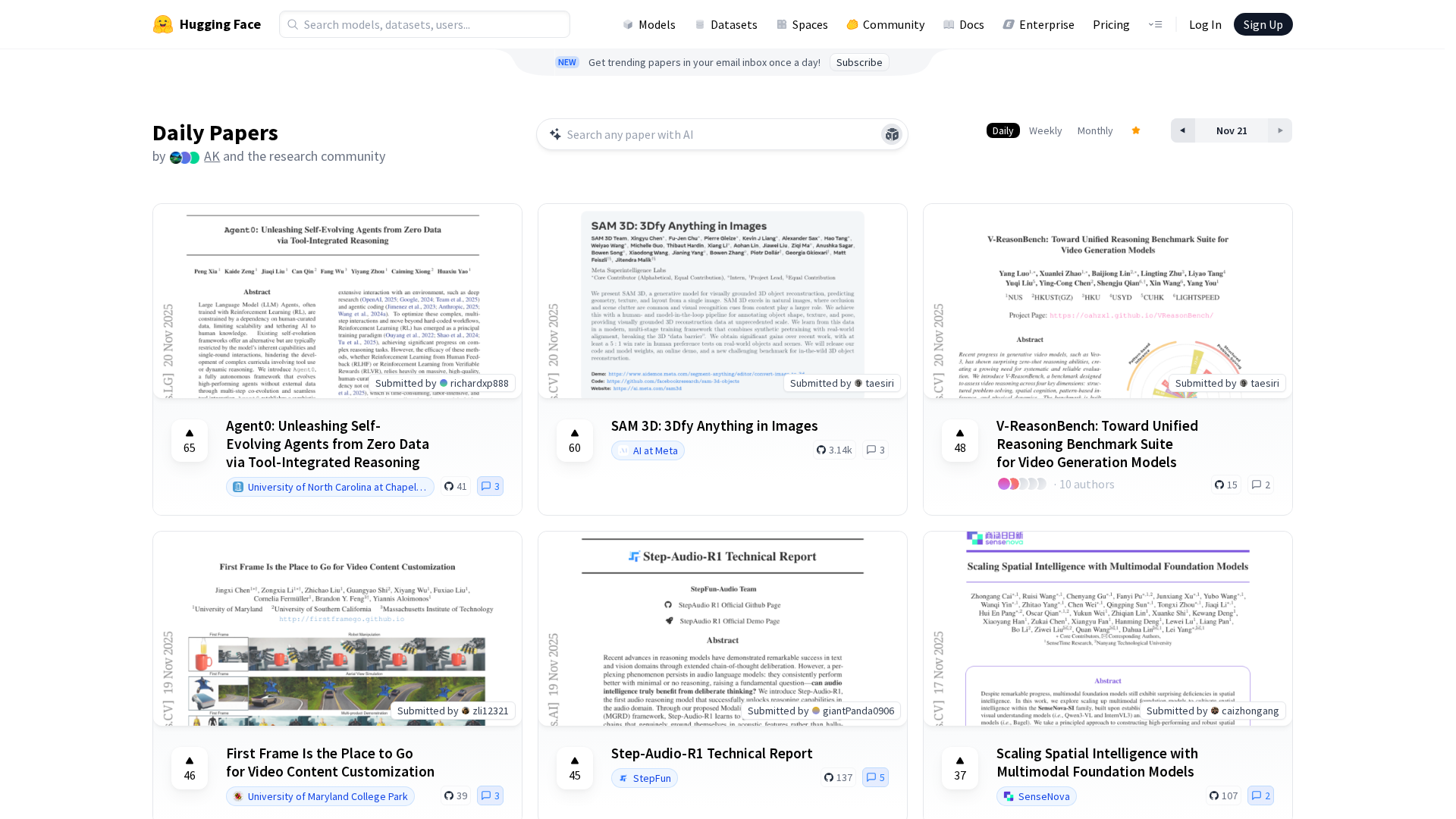
Get daily, curated trending ML papers delivered straight to your inbox.