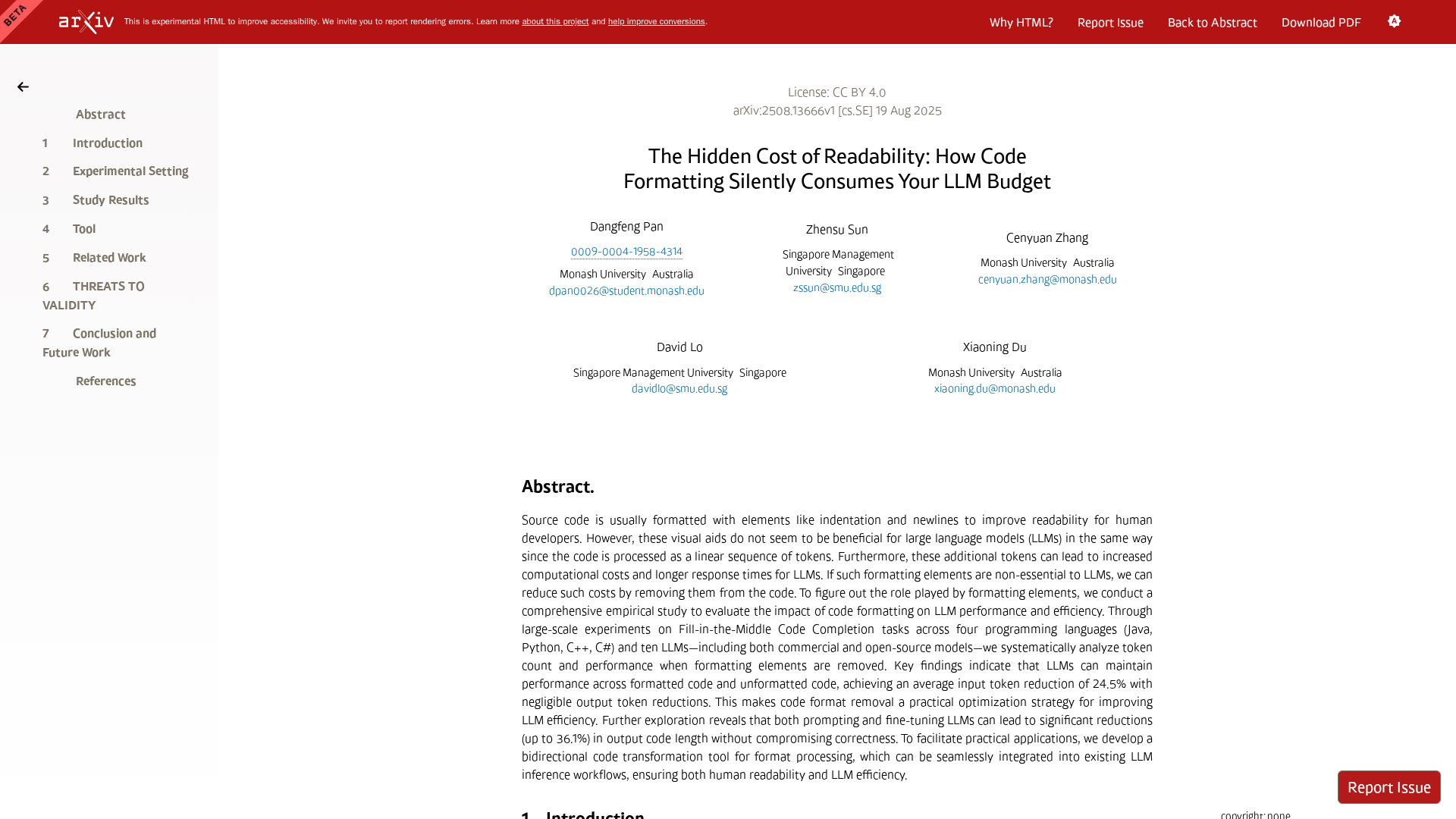
Topic Overview
This topic examines LLMs and agentic coding platforms optimized for token efficiency and coding workloads, comparing cost, throughput and alignment considerations for real-world developer use. By 2025, pressures to reduce inference cost and increase throughput—while maintaining correctness and safe behavior—have driven adoption of code-specialized models, quantized on‑prem/self‑hosted deployments, and IDE-native agent workflows. Key model families include Code Llama and Salesforce’s CodeT5 (encoder–decoder models tuned for completion, infilling and code understanding), and instruction-focused families such as WizardLM/WizardCoder for developer-facing prompts. Toolchains and platforms pair these models with agent architectures and developer UX: Cline provides a client‑side planning/execution/audit agent for multi‑step code tasks; Windsurf (formerly Codeium) embeds Cascade agents and multi‑model support into an AI‑native IDE; GitHub Copilot offers inline completions and chat integrated across editors; Tabnine emphasizes enterprise self‑hosting and governance. Autonomous-agent frameworks (AutoGPT, AgentGPT, Agentverse) and ADEs like Warp extend agentic automation into CI and terminal workflows, while reviewers like Bito target codebase‑aware PR review. Practical trade‑offs include larger models’ higher accuracy but greater token and latency cost versus smaller, optimized models or quantized replications that lower cost and improve throughput at some accuracy loss. Alignment and safety remain critical—auditing, prompt‑chaining, test-driven validation and model choice affect hallucination rates in generated code. Evaluations should consider cost per useful token, end‑to‑end latency in developer flows, context window economics, and governance requirements for private code. This comparison helps engineering and procurement teams choose combinations of models, hosting, and agent orchestration that balance cost, speed and reliability for production coding tasks.
Tool Rankings – Top 6
Open-source, client-side AI coding agent that plans, executes and audits multi-step coding tasks.

AI-native IDE and agentic coding platform (Windsurf Editor) with Cascade agents, live previews, and multi-model support.
Code-specialized Llama family from Meta optimized for code generation, completion, and code-aware natural-language tasks

Official research release of CodeT5 and CodeT5+ (open encoder–decoder code LLMs) for code understanding and generation.
Open-source family of instruction-following LLMs (WizardLM/WizardCoder/WizardMath) built with Evol-Instruct, focused on
An AI pair programmer that gives code completions, chat help, and autonomous agent workflows across editors, theterminal
Latest Articles (69)

Adobe nears a $19 billion deal to acquire Semrush, expanding its marketing software capabilities, according to WSJ reports.
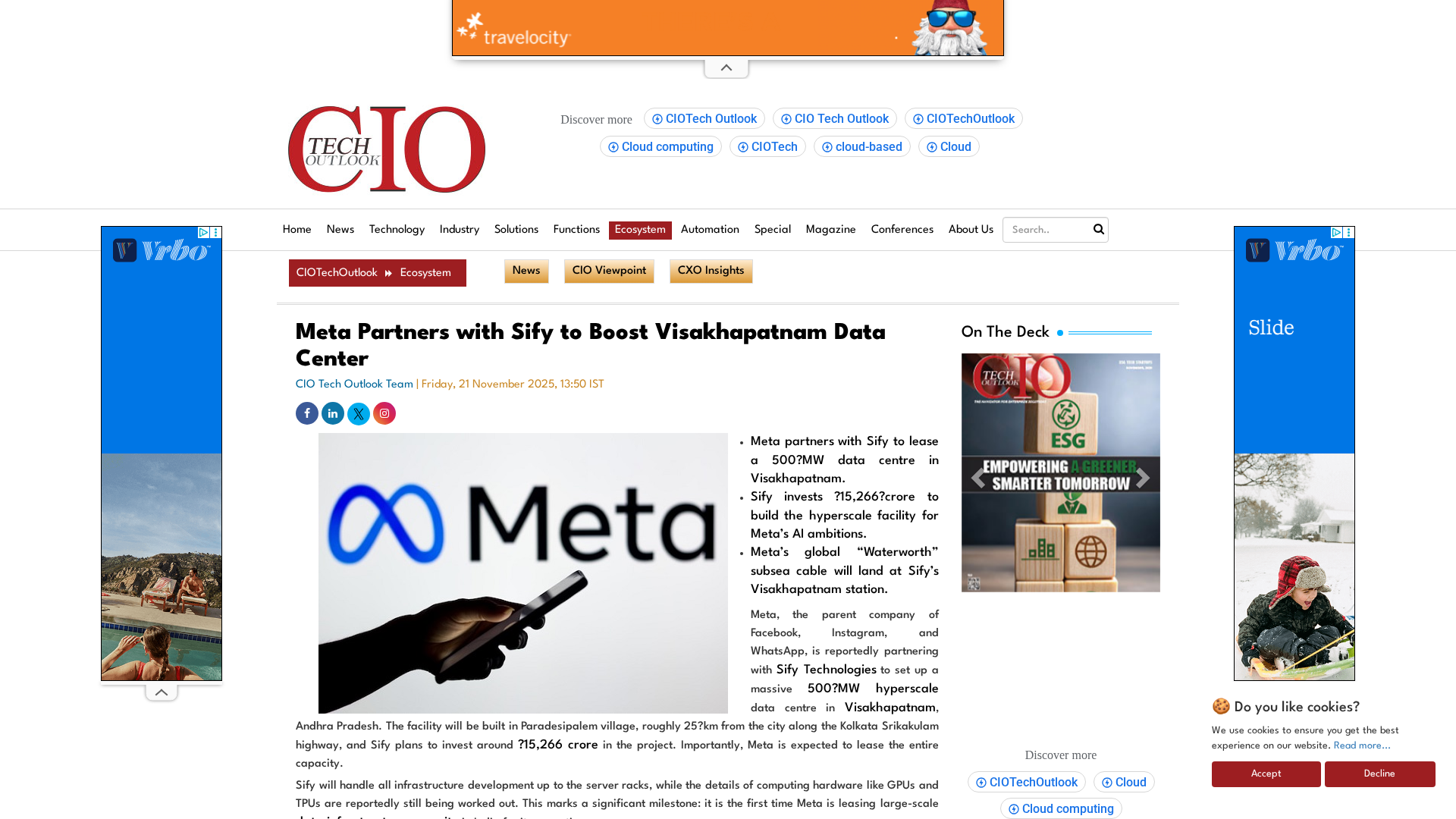
Meta and Sify plan a 500 MW hyperscale data center in Visakhapatnam with the Waterworth subsea cable landing.
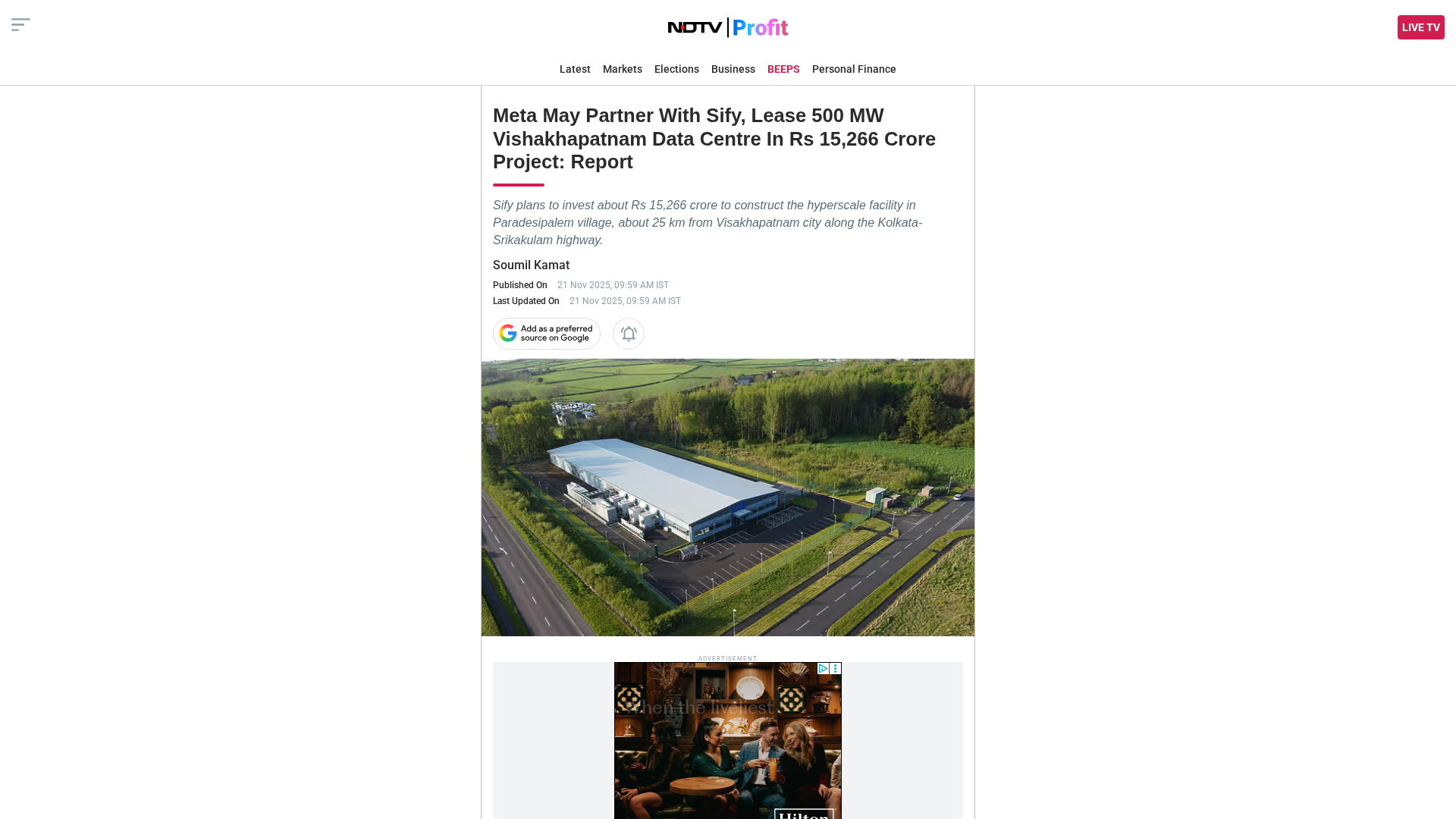
Meta may partner with Sify to lease a 500 MW Vishakhapatnam data center in a Rs 15,266 crore project linked to the Waterworth subsea cable.

Adobe’s Semrush acquisition signals a major AI-driven shift and potential consolidation in SEO tools.
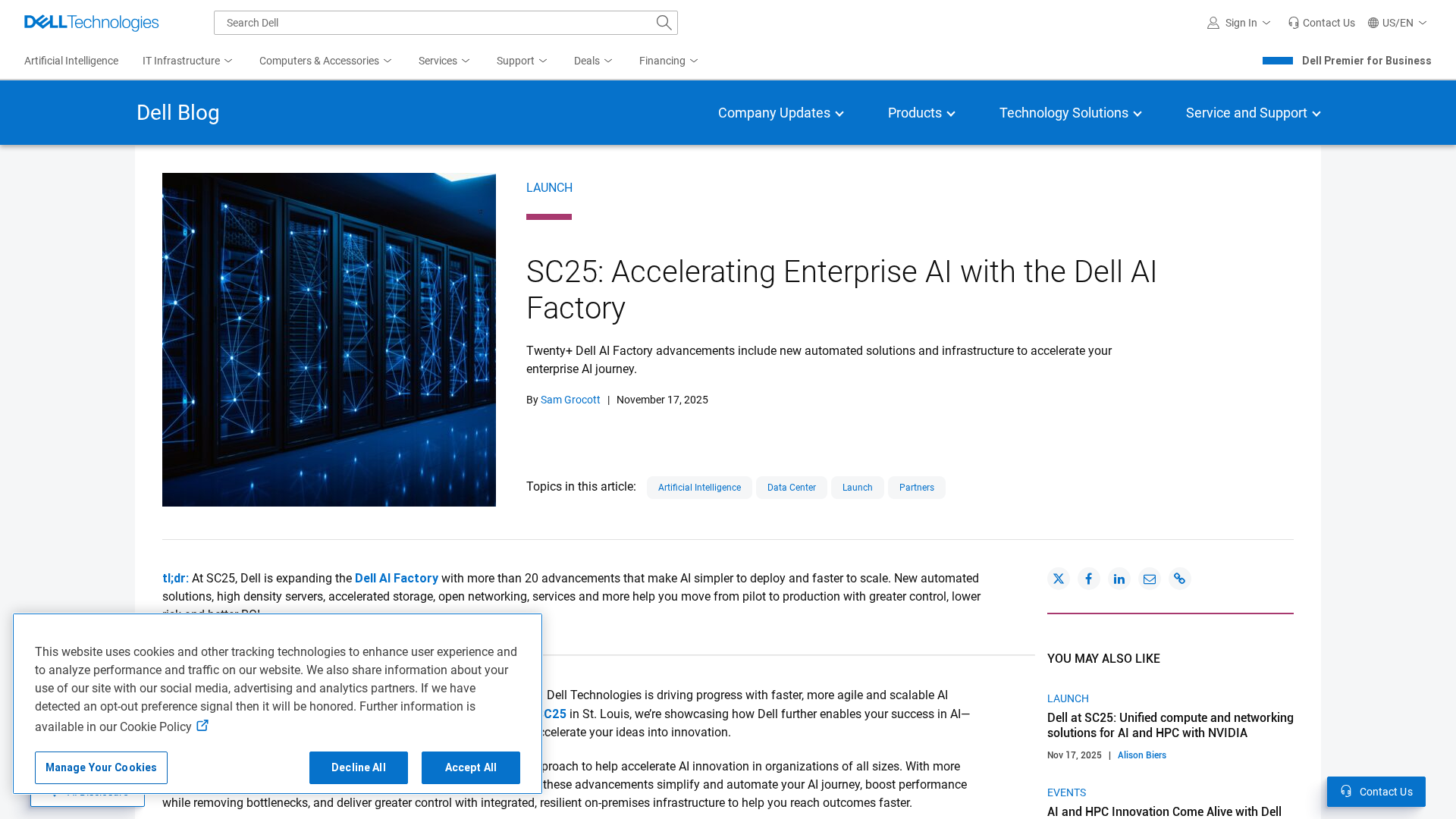
Dell unveils 20+ advancements to its AI Factory at SC25, boosting automation, GPU-dense hardware, storage and services for faster, safer enterprise AI.