Topic Overview
This topic covers LLM-driven systems that coordinate multiple specialized agents and provide granular “effort controls” — mechanisms to limit compute, iterations, retries, latency, and human intervention during autonomous workflows. By 2026, real-world deployments increasingly favor orchestrated agent architectures over single monolithic assistants: frameworks and platforms focus on stateful choreography, lifecycle management, observability, and policy enforcement to make agentic automation predictable and auditable. Key categories include agent frameworks (LangChain’s engineering stack and LangGraph for stateful orchestration), enterprise agent platforms (Kore.ai for multi-agent workflows with governance and observability), AI automation platforms and marketplaces (self‑hosted/cloud AutoGPT and browser no-code AgentGPT for rapid prototyping and deployment), and developer-focused tooling that embeds agents into workflows (GitHub Copilot and Cursor for developer productivity, GPTConsole for SDK/API/CLI-based productionization). These tools address different needs: experimentation and composition, enterprise governance, marketplace discovery and templates, and production lifecycle and monetization. Relevance and timing: organizations are moving beyond proofs of concept to operational agent workflows that must be cost‑bounded, auditable, and safe. That shift drives demand for effort controls — e.g., step budgets, compute caps, human‑in‑loop gates, sandboxing, and telemetry — and for integrations with low‑code platforms and developer toolchains so teams can test, debug, and scale agents reliably. Expect continued convergence: agent frameworks will standardize orchestration primitives, marketplaces will supply verified skills, and enterprise platforms will layer governance and observability to meet compliance and operational requirements.
Tool Rankings – Top 6

Engineering platform and open-source frameworks to build, test, and deploy reliable AI agents.

Enterprise AI agent platform for building, deploying and orchestrating multi-agent workflows with governance, observabil

Platform to build, deploy and run autonomous AI agents and automation workflows (self-hosted or cloud-hosted).

A browser-based platform to create and deploy autonomous AI agents with simple goals.
An AI pair programmer that gives code completions, chat help, and autonomous agent workflows across editors, theterminal

AI-first code editor and assistant by Anysphere embedding AI across editor, agents, CLI and web workflows.
Latest Articles (55)
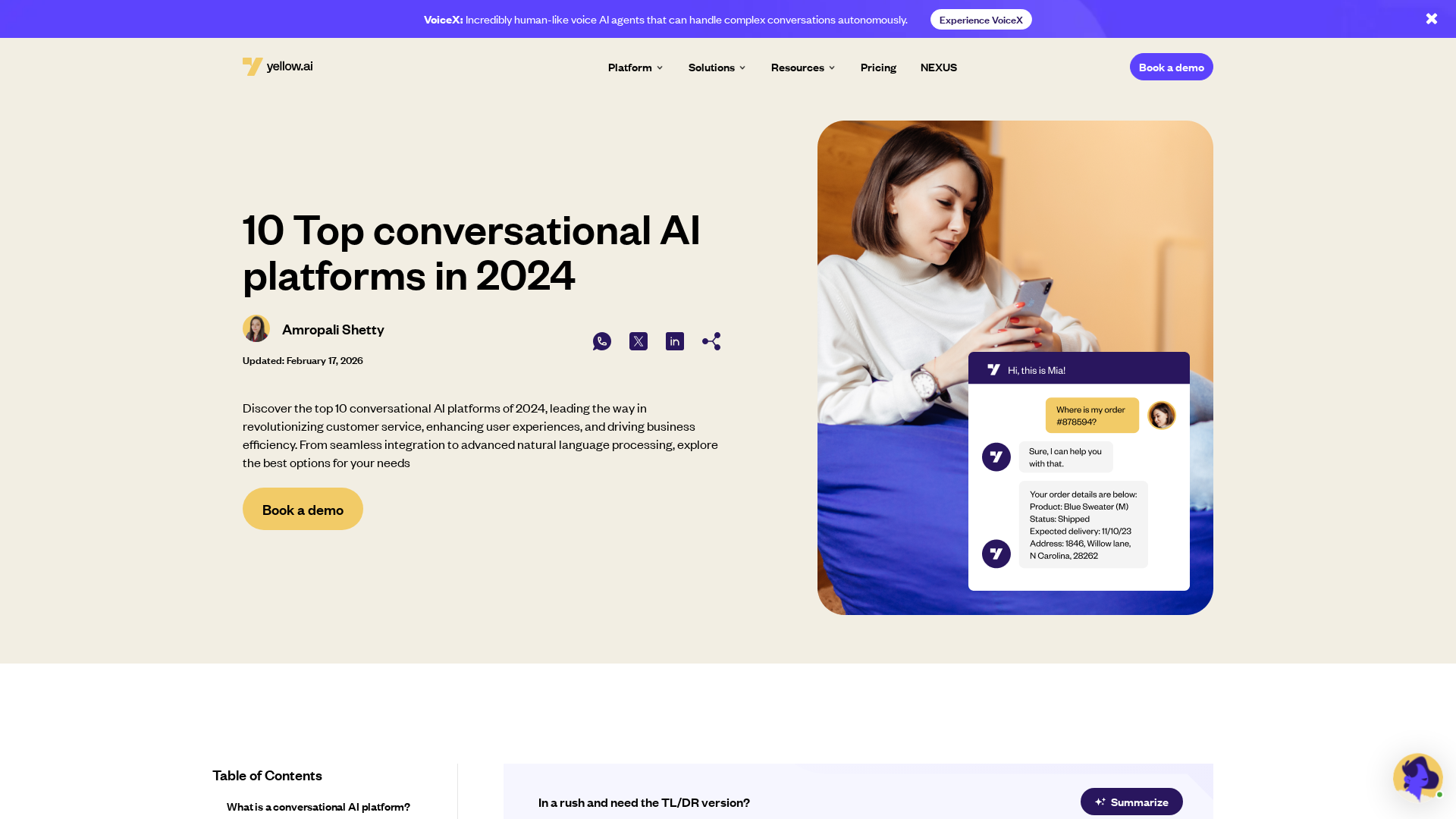
A concise guide to the top 10 conversational AI platforms in 2024, with features, benefits, and use cases.
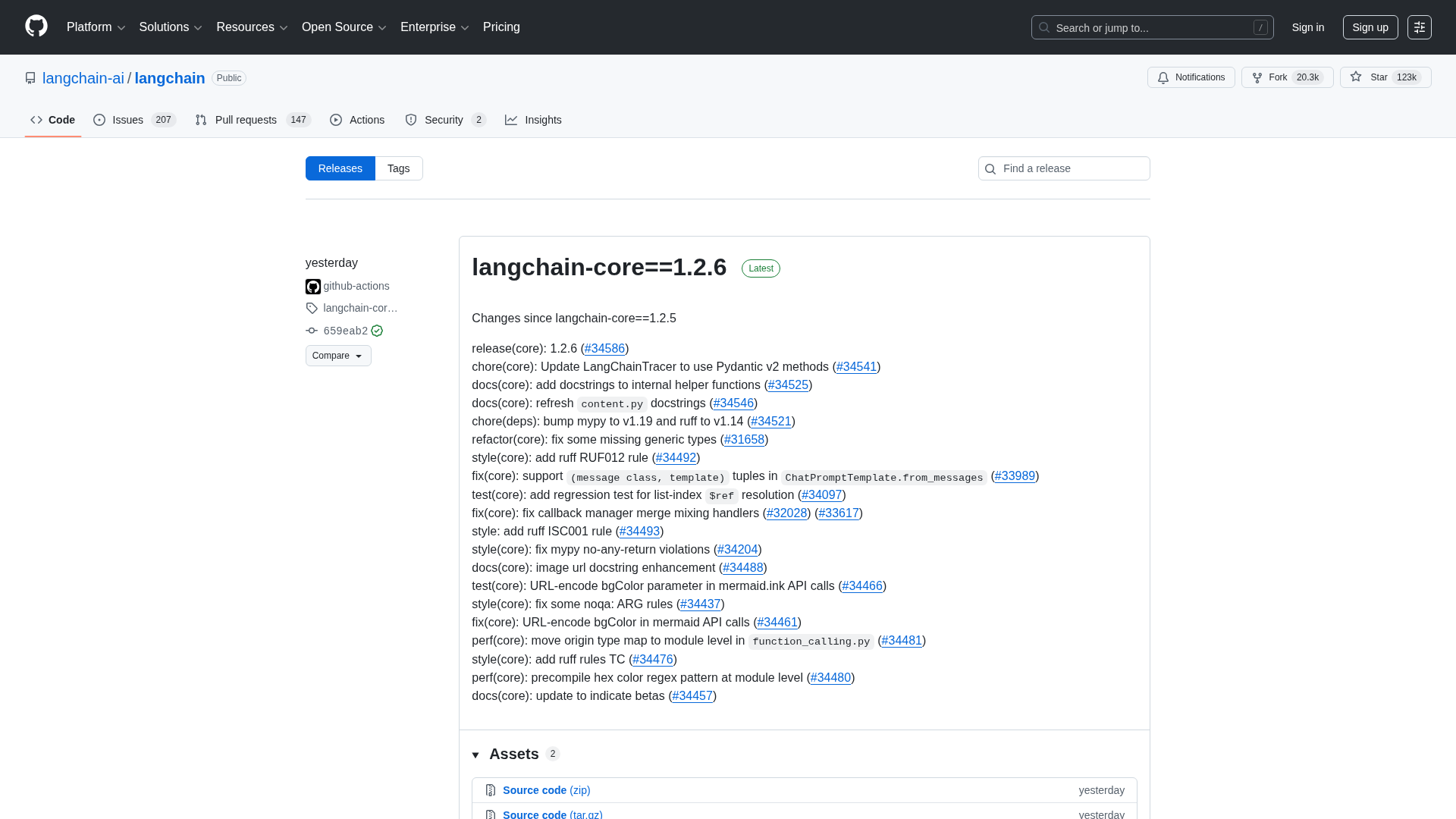
A comprehensive LangChain releases roundup detailing Core 1.2.6 and interconnected updates across XAI, OpenAI, Classic, and tests.
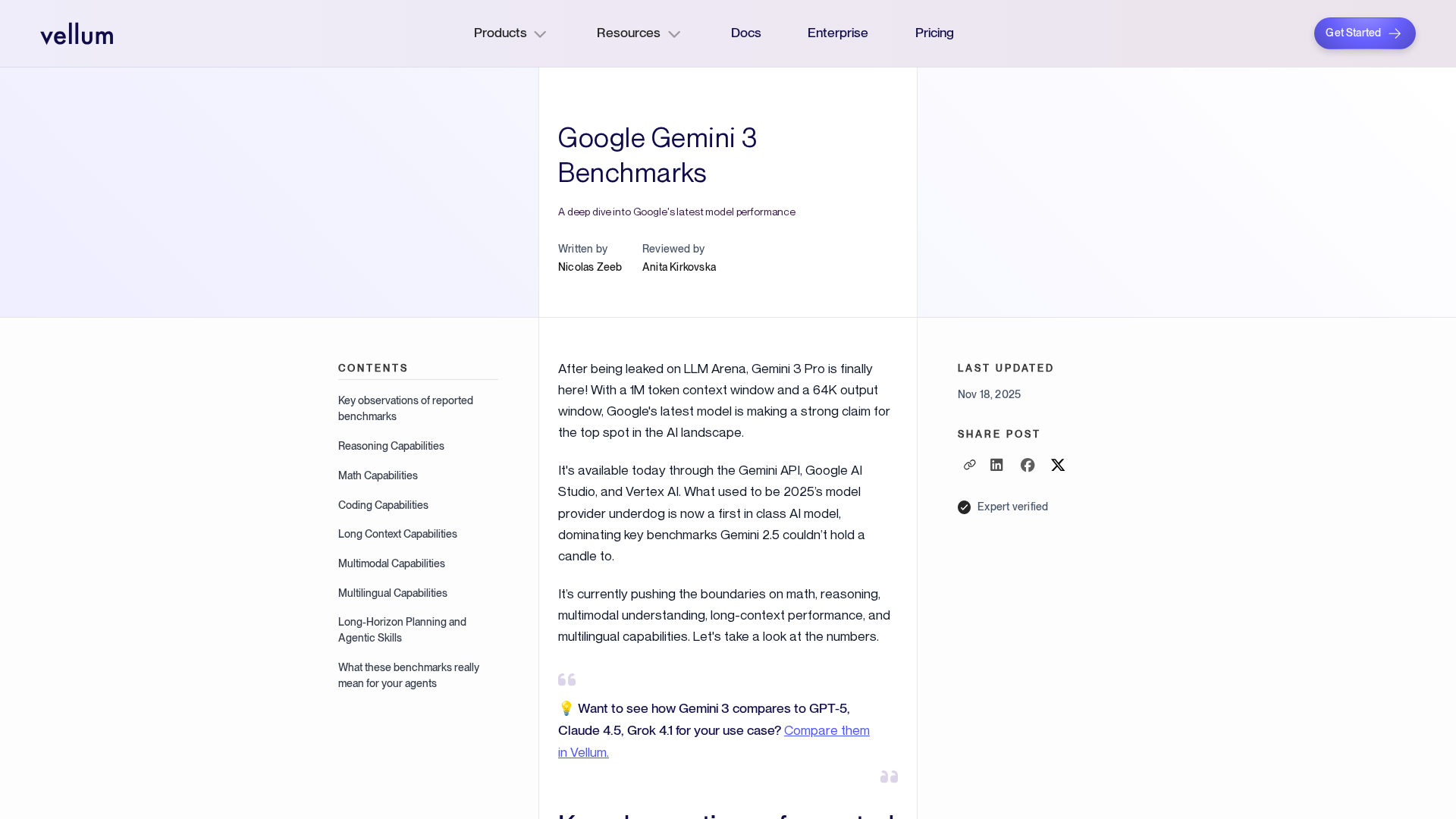
In-depth look at Gemini 3 Pro benchmarks across reasoning, math, multimodal, and agentic capabilities with implications for building AI agents.

Cannot access the article content due to an access-denied error, preventing summarization.

A quick preview of POE-POE's pros and cons as seen in G2 reviews.