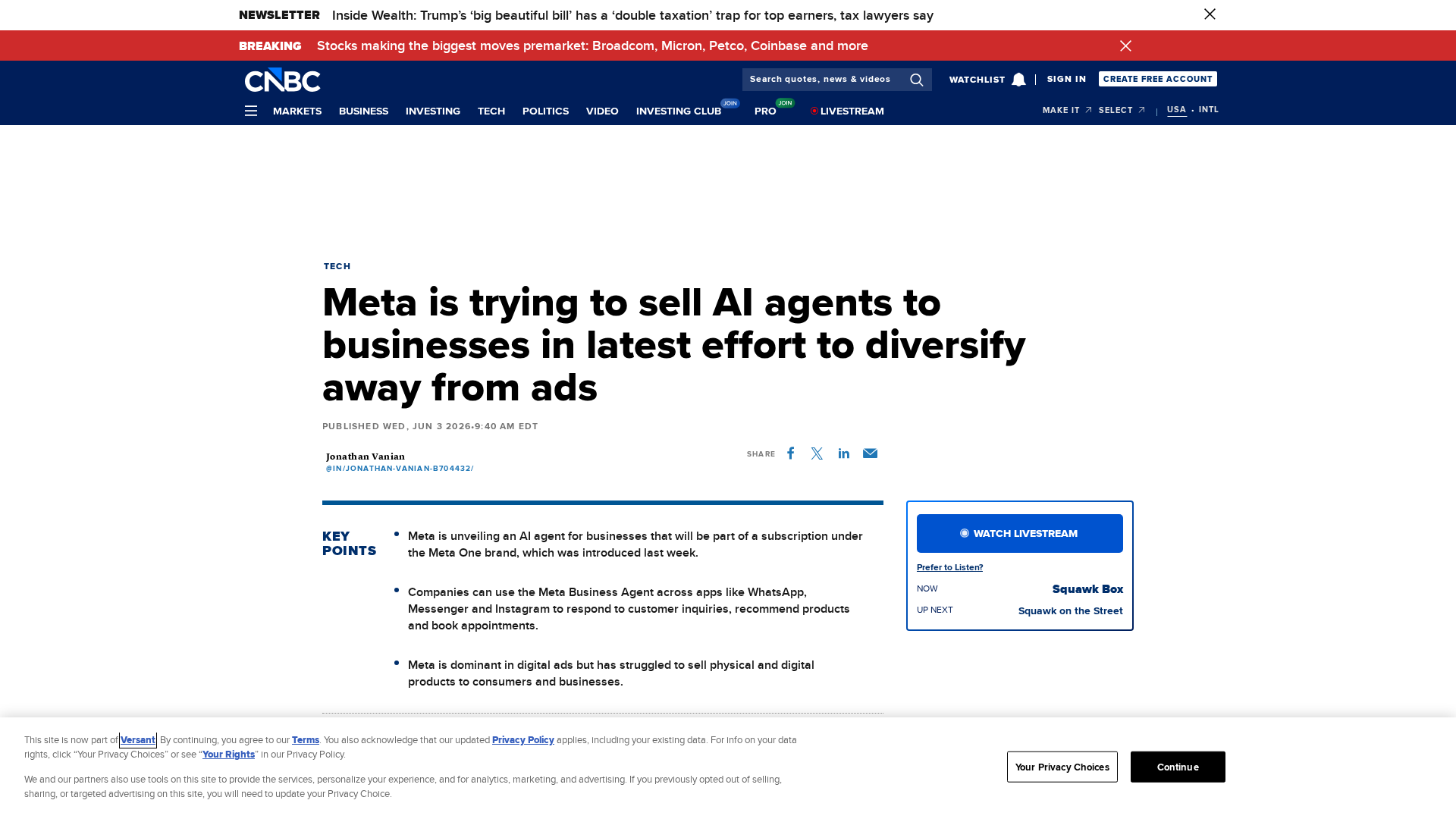
Topic Overview
This topic compares Meta Business Agent–style assistants (platform-embedded, channel-centric agents) with enterprise conversational agents built and deployed across CRM, contact-center and backend systems. The comparison focuses on where each approach is strongest: platform native reach versus enterprise-grade integrations, stateful orchestration, and compliance controls. Why it matters in mid‑2026: organizations are moving beyond single-turn bots to multi-step, stateful agent workflows that must span messaging platforms, voice channels, and internal tools. That shift makes choices about agent frameworks, marketplaces, and brand platforms critical for reliability, data governance, and customer experience. Key tool categories and examples: Agent frameworks/engineering platforms (LangChain) provide state management, testing and deployment primitives for complex agentic applications. No-code and browser-based agent creators (AgentGPT, Nelly) accelerate prototyping and multi‑agent teams. Brand-embedded assistants and unified CX suites (HubSpot Breeze) enable contextual, CRM-aware AI teammates. Customer service chatbots and web widgets (Olark, Untap AI) focus on accessibility, brand alignment and visitor conversion. Specialized assistants (Patra for Jira, Vocea for voice-based service providers) demonstrate verticalized workflows and channel specialization. Replit and similar platforms speed development, hosting and iteration for custom agents. Practical trade-offs: platform-native agents can drive reach and low-friction engagement but may limit enterprise control and data residency; framework-driven agents give engineers fine-grained control but require more integration work. Conversation intelligence and observability tools are essential for monitoring, evaluation and continuous improvement. Choosing between Meta-style business agents and enterprise conversational agents is therefore a matter of channel strategy, integration depth, compliance needs, and the organization’s engineering resources.
Tool Rankings – Top 6

Engineering platform and open-source frameworks to build, test, and deploy reliable AI agents.

A browser-based platform to create and deploy autonomous AI agents with simple goals.

Breeze — HubSpot’s unified, context-aware AI suite embedded across its Customer Platform.

Accessible, multi-channel live chat platform with AI chatbots, SMS, and a comprehensive JavaScript API.

Natural language Jira assistant for Slack

AI-powered online IDE and platform to build, host, and ship apps quickly.
Latest Articles (58)
Announcement page is currently unavailable; no content could be loaded.
A hands-on look at Untap's AI-powered program management capabilities.
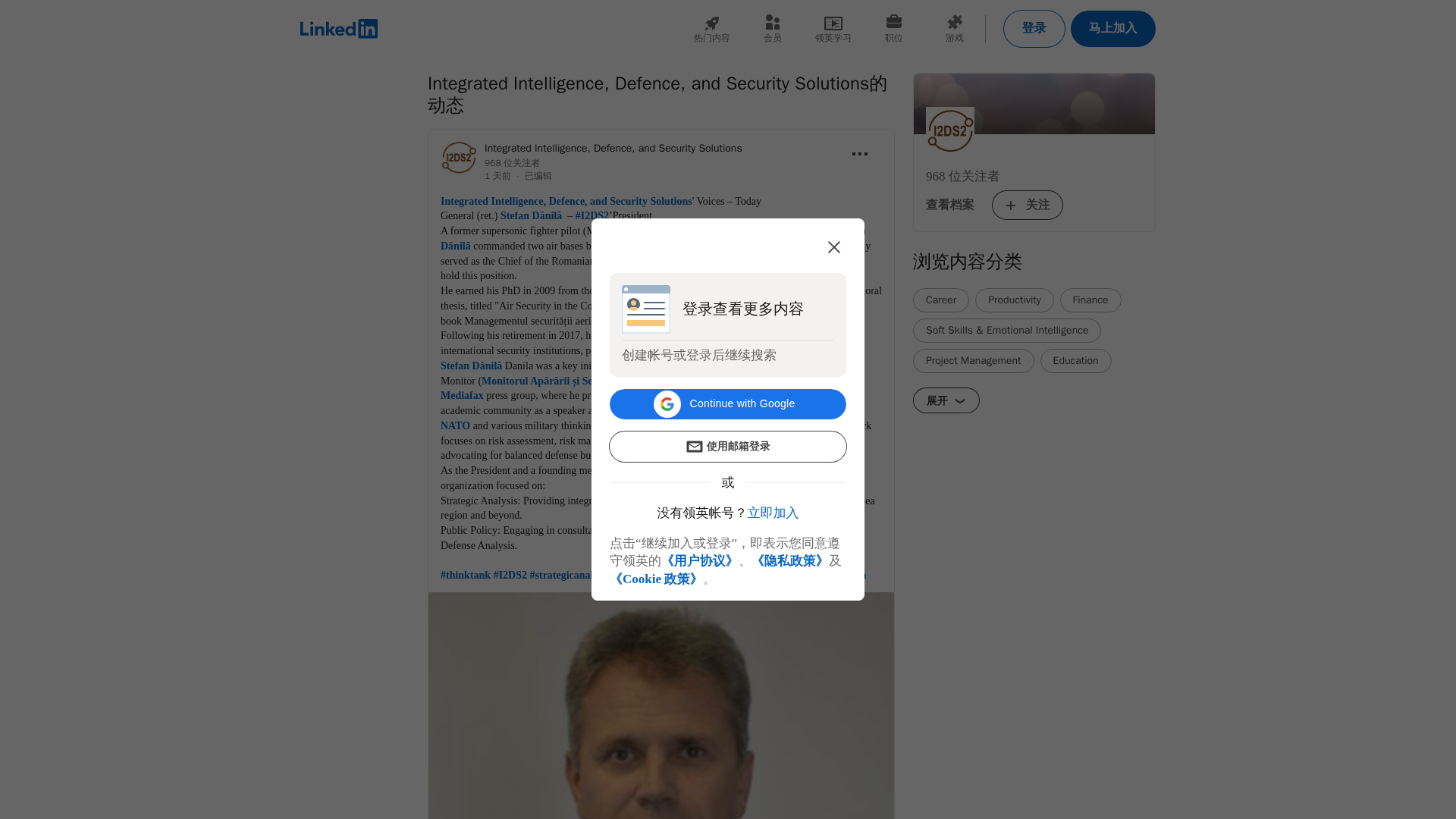
Profile of General (ret.) Stefan Dănilă, founder of I2DS2, and the thinktank’s mission to shape integrated security for the Black Sea.
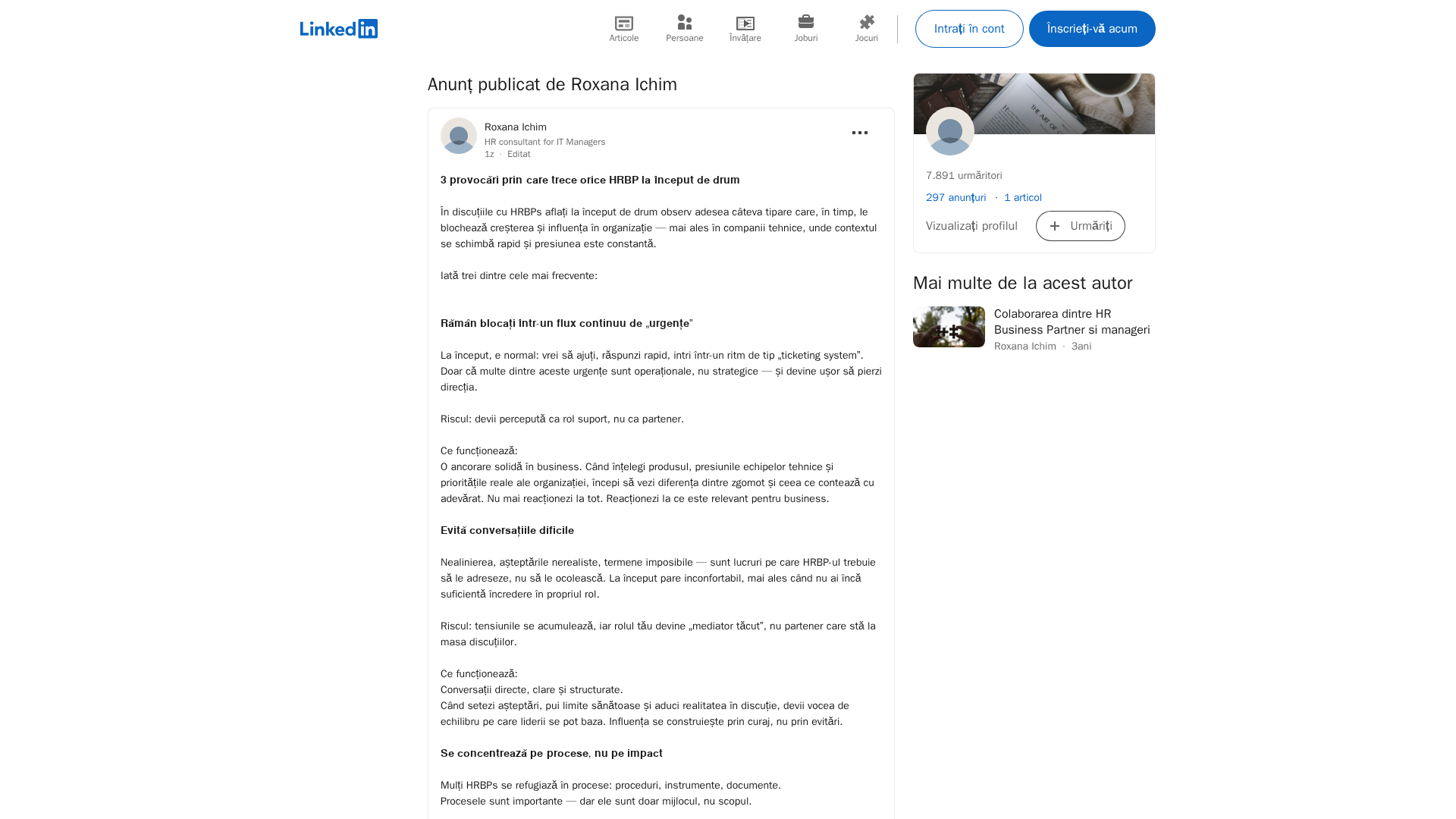
Trei provocări comune pentru HRBP la început de drum și soluțiile pentru a-ți mări impactul în companii tech.
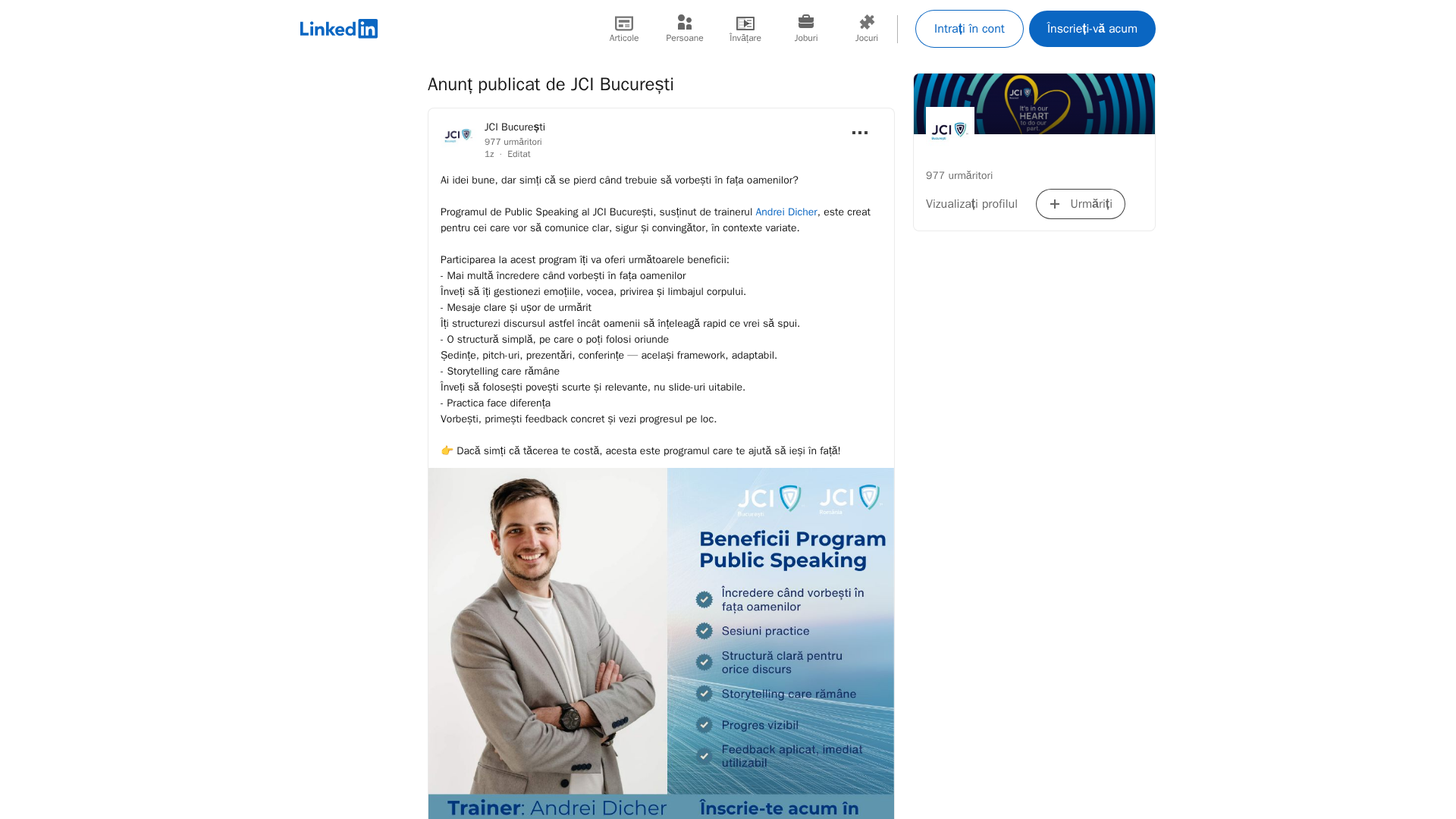
Programul JCI București cu Andrei Dicher promite încredere, mesaje clare și storytelling prin practică și feedback direct.