Topic Overview
On‑chain prediction markets use traded contracts to aggregate crowd forecasts; integrating AI—large language models, agent frameworks and decentralized inference—is accelerating signal synthesis, automated strategy execution and oracle provision. This topic compares centralized exchange‑run prediction markets (e.g., Binance’s exchange‑hosted markets) with decentralized alternatives running on public blockchains, highlighting tradeoffs in custody, transparency, settlement, composability and governance. By 2026 the convergence of powerful multimodal models and agentic platforms has made AI a practical layer for market intelligence and competitive analysis. Models and platforms such as Google’s Gemini, Anthropic’s Claude family and IBM watsonx Assistant are commonly used to ingest news, social signals and fundamentals; StackAI and Yellow.ai enable low‑code/no‑code agent deployments for monitoring and alerts; GitHub Copilot accelerates developer workflows for strategy code; and infrastructure vendors like Xilos position themselves as orchestration and visibility layers for agentic systems across on‑chain and off‑chain services. Key considerations include oracle integrity (how model outputs are attested and fed on‑chain), front‑running and MEV risks, model explainability and auditability, regulatory exposure for centralized providers vs permissionless alternatives, and the operational complexity of running autonomous agents that interact with on‑chain markets. Practical use cases span enhanced market intelligence, automated hedging and research synthesis, while risks center on data poisoning, model drift and governance failure. Understanding these dynamics helps practitioners choose between the performance, UX and liquidity of centralized markets and the transparency, composability and censorship resistance of decentralized protocols—while designing safe AI‑to‑blockchain integrations that prioritize verifiable data, governance and operational controls.
Tool Rankings – Top 6

Google’s multimodal family of generative AI models and APIs for developers and enterprises.
Anthropic's Claude family: conversational and developer AI assistants for research, writing, code, and analysis.

Enterprise virtual agents and AI assistants built with watsonx LLMs for no-code and developer-driven automation.

End-to-end no-code/low-code enterprise platform for building, deploying, and governing AI agents that automate work onun

Enterprise agentic AI platform for CX and EX automation, building autonomous, human-like agents across channels.

An AI pair programmer that gives code completions, chat help, and autonomous agent workflows across editors, theterminal
Latest Articles (84)
A vendor‑agnostic guide to the 14 best AI governance platforms in 2025, with criteria, comparisons, and practical buying guidance.
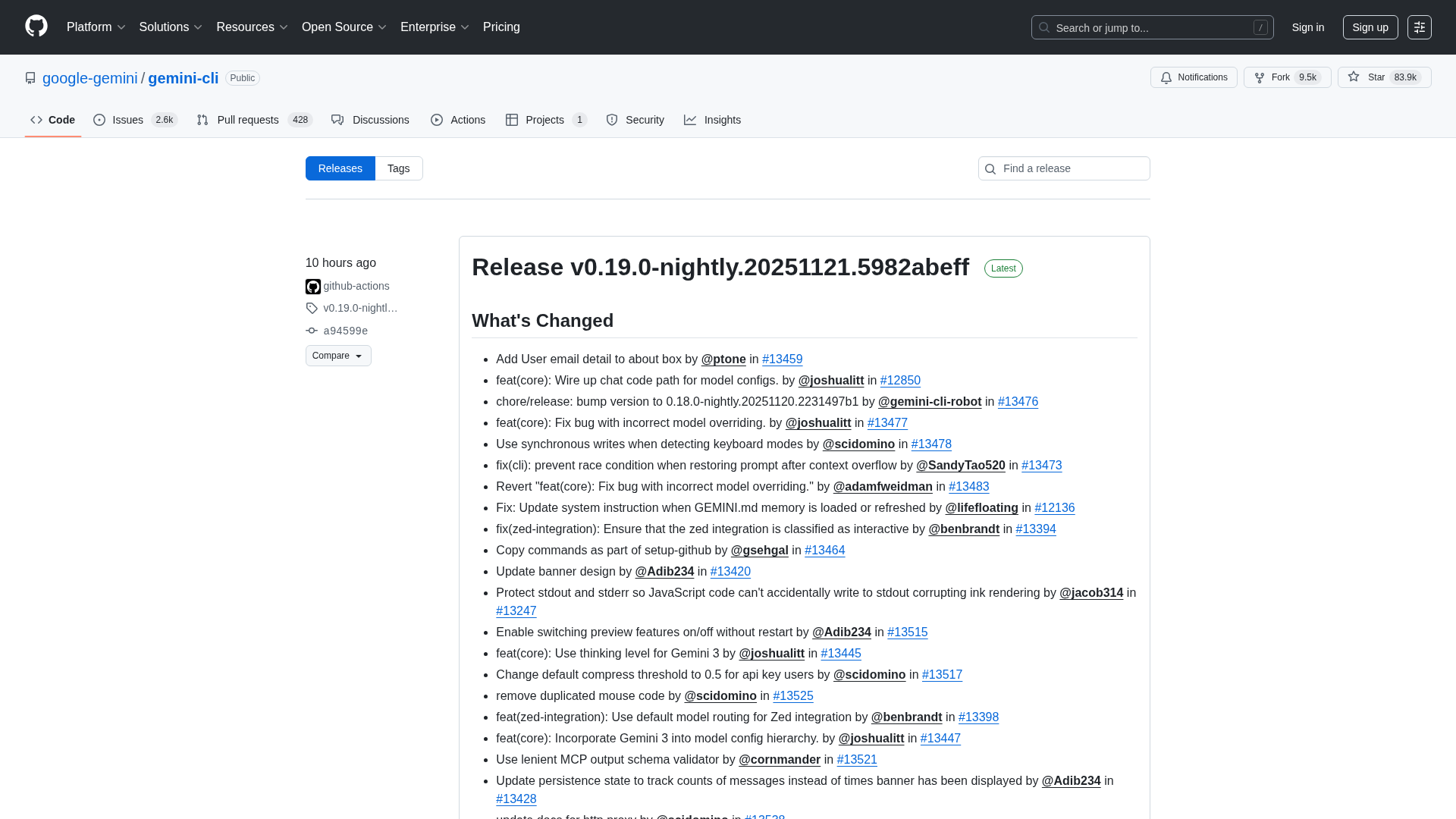
Overview of the Gemini CLI v0.36.0-preview release series, highlighting architectural, CLI, and UI changelogs across multiple pre-release versions.
OpenAI’s bypass moment underscores the need for governance that survives inevitable user bypass and hardens system controls.
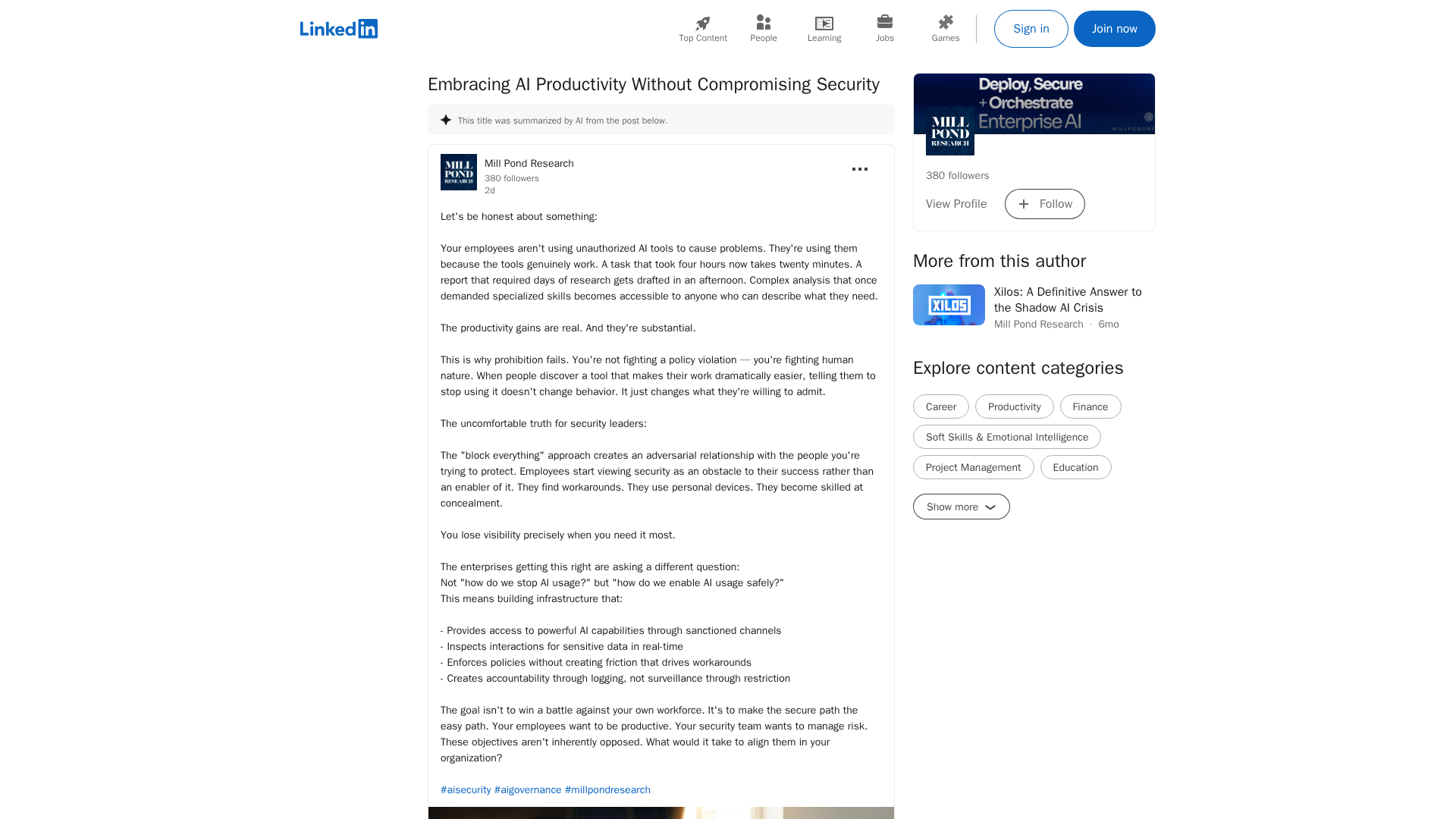
A call to enable safe AI use at work via sanctioned access, real-time data protections, and frictionless governance.
A real-world look at AI in SOCs, debunking myths and highlighting the human role behind automation with Bell Cyber experts.