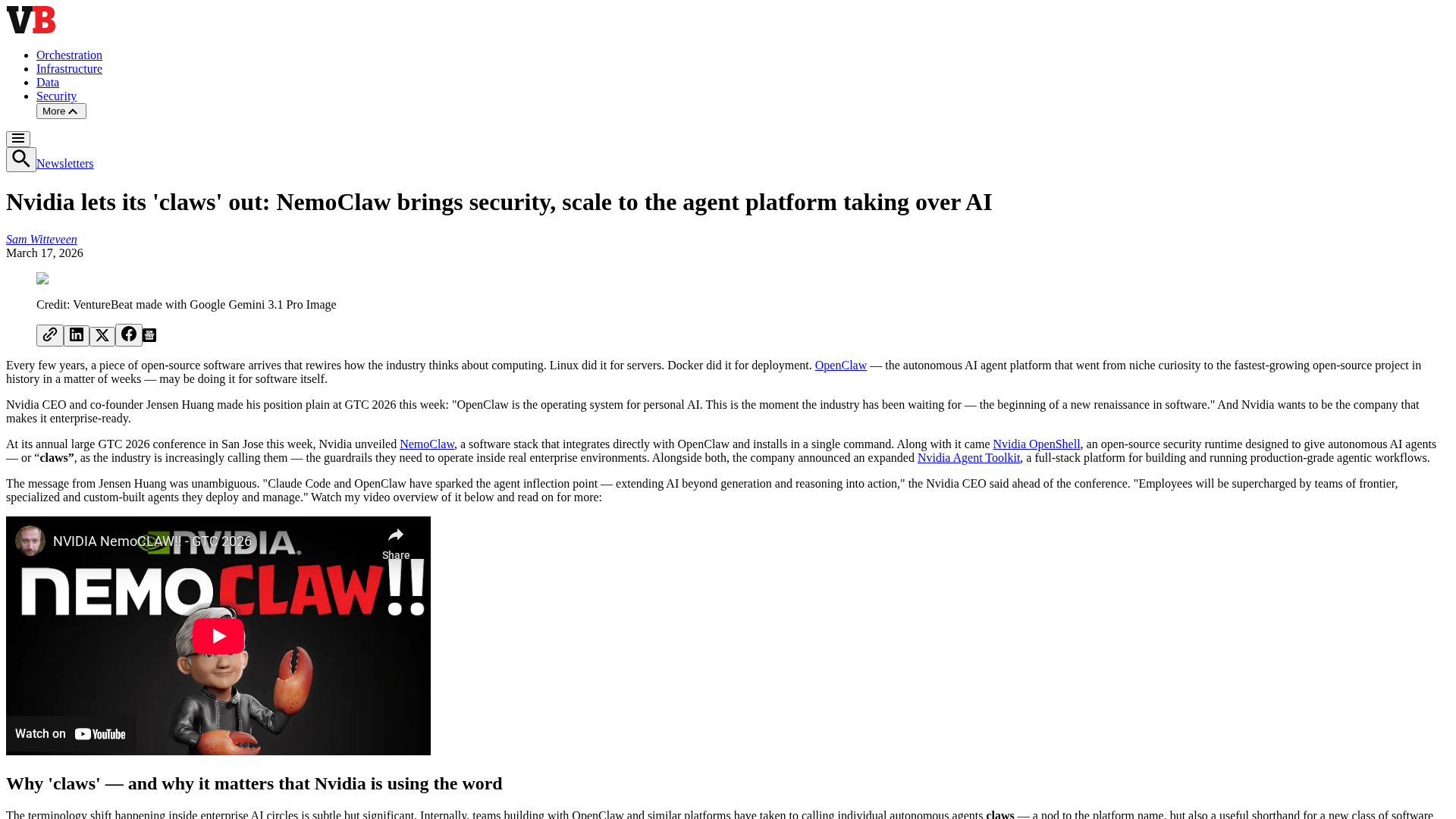
Topic Overview
Privacy-focused always-on assistant frameworks cover the software and deployment patterns that let assistants run continuously or semi-continuously while minimizing data exposure, latency, and compliance risk. As of 2026-03-19 this topic is timely because enterprises and device makers balance user expectations for proactive, low-latency assistance with stricter data-privacy rules, rising demand for on-device and hybrid inference, and maturity in small, efficient models. NVIDIA’s NeMo-derived toolset and related “NemoClaw” approaches exemplify the class: stacks that favor local or edge inference, hardware-accelerated runtimes, and data minimization. Alternatives span an ecosystem: Mistral AI (open, efficiency-focused foundation models plus an enterprise platform for private deployment and governance), Cohere (private, customizable LLMs, embeddings and retrieval for secure search), LangChain (engineering and open-source frameworks for building stateful, agentic applications), and StackAI/Lindy/Kore.ai (no-code/low-code and pro-code platforms to build, orchestrate and govern multi-agent workflows). Supporting components include Gumnut (real‑time collaboration and audit trails), Qodo (code-quality and SDLC governance), and AutoGPT-style frameworks for autonomous agents. Key trade-offs are latency vs model footprint, cloud vs edge privacy guarantees, and operational needs such as observability, policy enforcement, and retrievability of context. Implementations favor retrieval-augmented architectures with ephemeral local embeddings, secure enclaves or enterprise-hosted model endpoints, and layered governance (access controls, logging, test suites). For decision-makers, evaluating NemoClaw-style stacks means assessing hardware constraints, data residency requirements, agent orchestration needs, and toolchain support for testing and compliance across the lifecycle.
Tool Rankings – Top 6

Enterprise-focused provider of open/efficient models and an AI production platform emphasizing privacy, governance, and

End-to-end no-code/low-code enterprise platform for building, deploying, and governing AI agents that automate work onun

Enterprise-focused LLM platform offering private, customizable models, embeddings, retrieval, and search.

Engineering platform and open-source frameworks to build, test, and deploy reliable AI agents.

Enterprise AI agent platform for building, deploying and orchestrating multi-agent workflows with governance, observabil
Solve working together in your SaaS
Latest Articles (88)
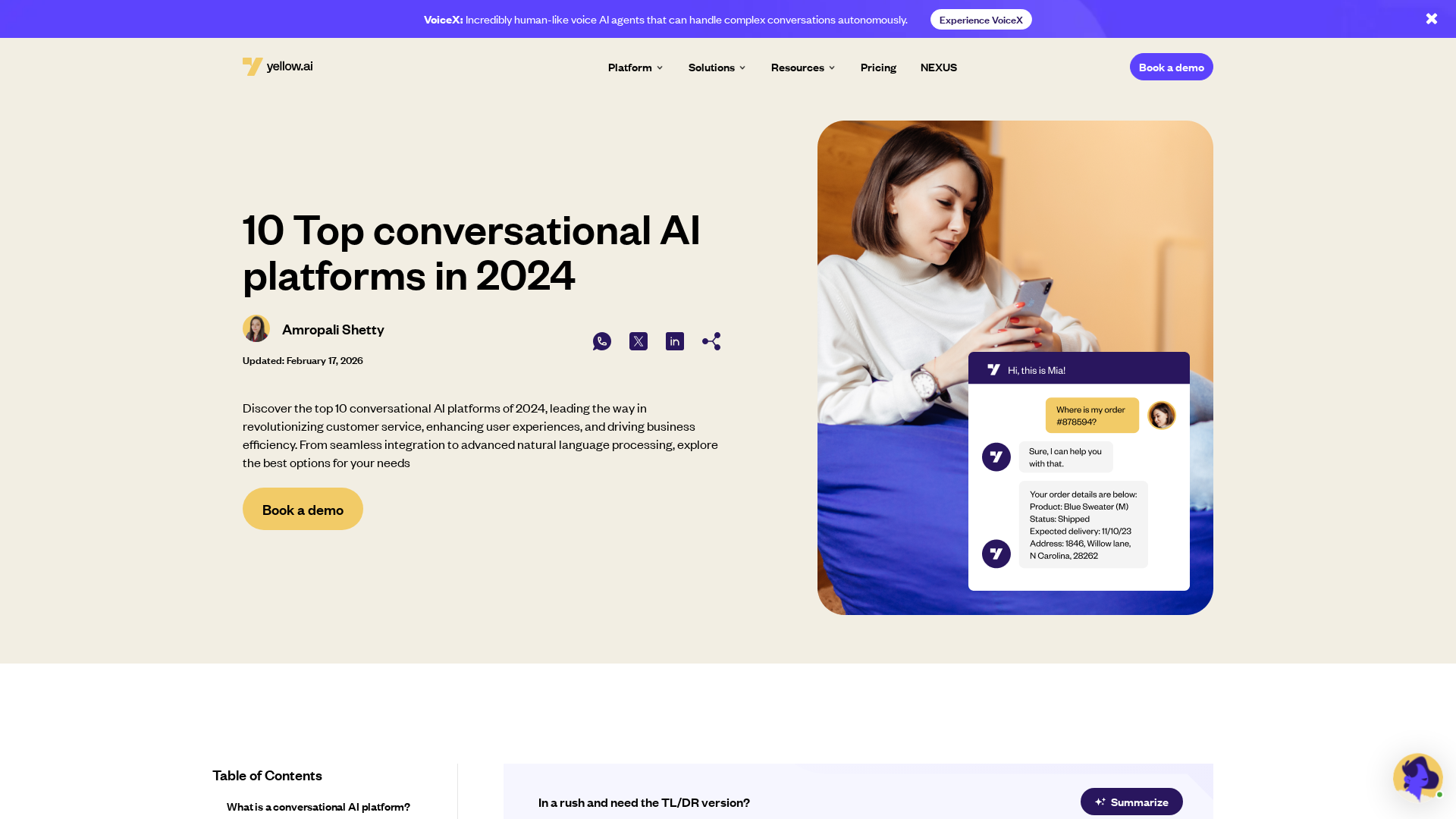
A concise guide to the top 10 conversational AI platforms in 2024, with features, benefits, and use cases.
A lightweight real-time framework that enables simultaneous editing, version history, and audit logging for HTML forms and their documents.
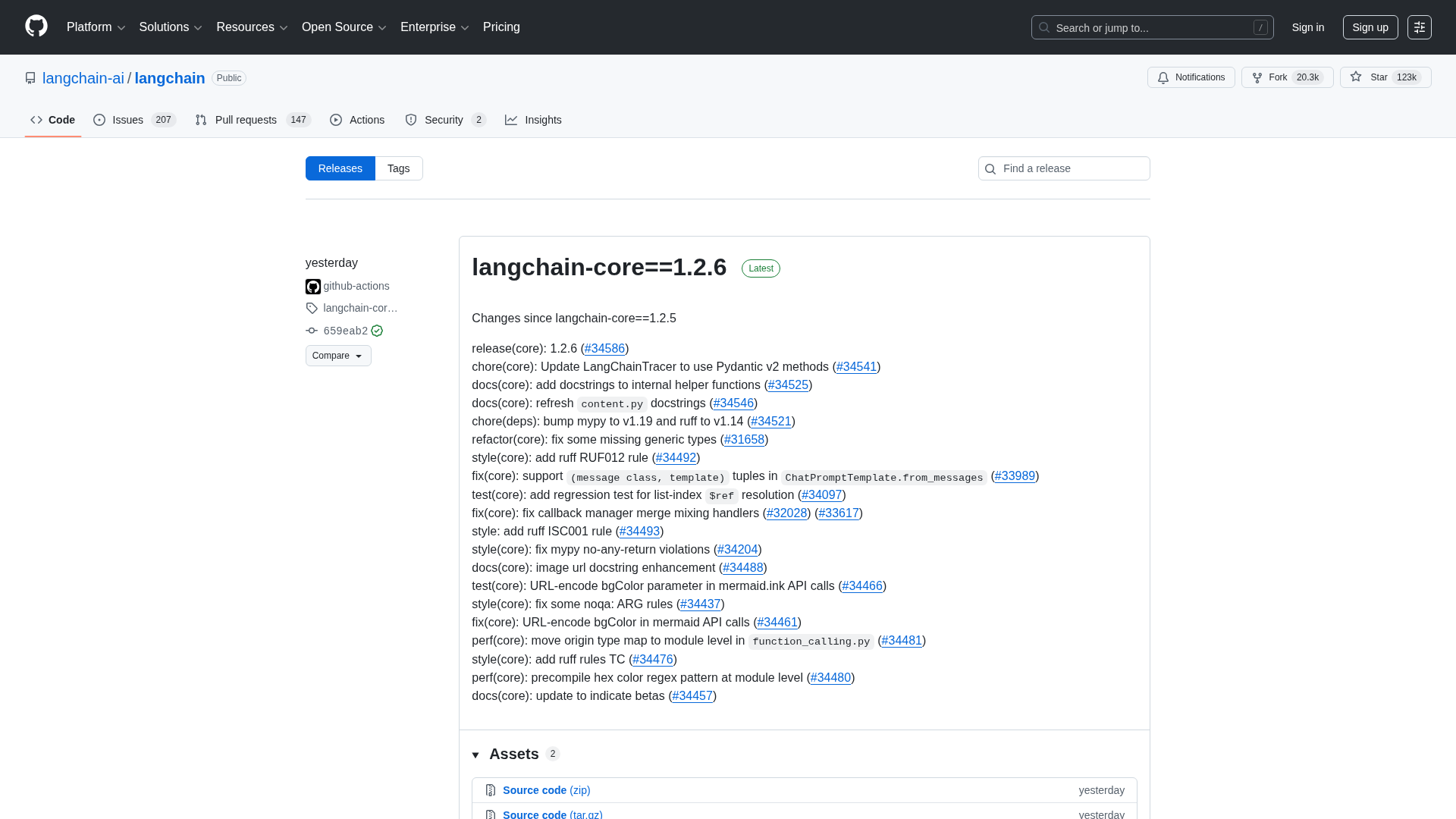
A comprehensive LangChain releases roundup detailing Core 1.2.6 and interconnected updates across XAI, OpenAI, Classic, and tests.
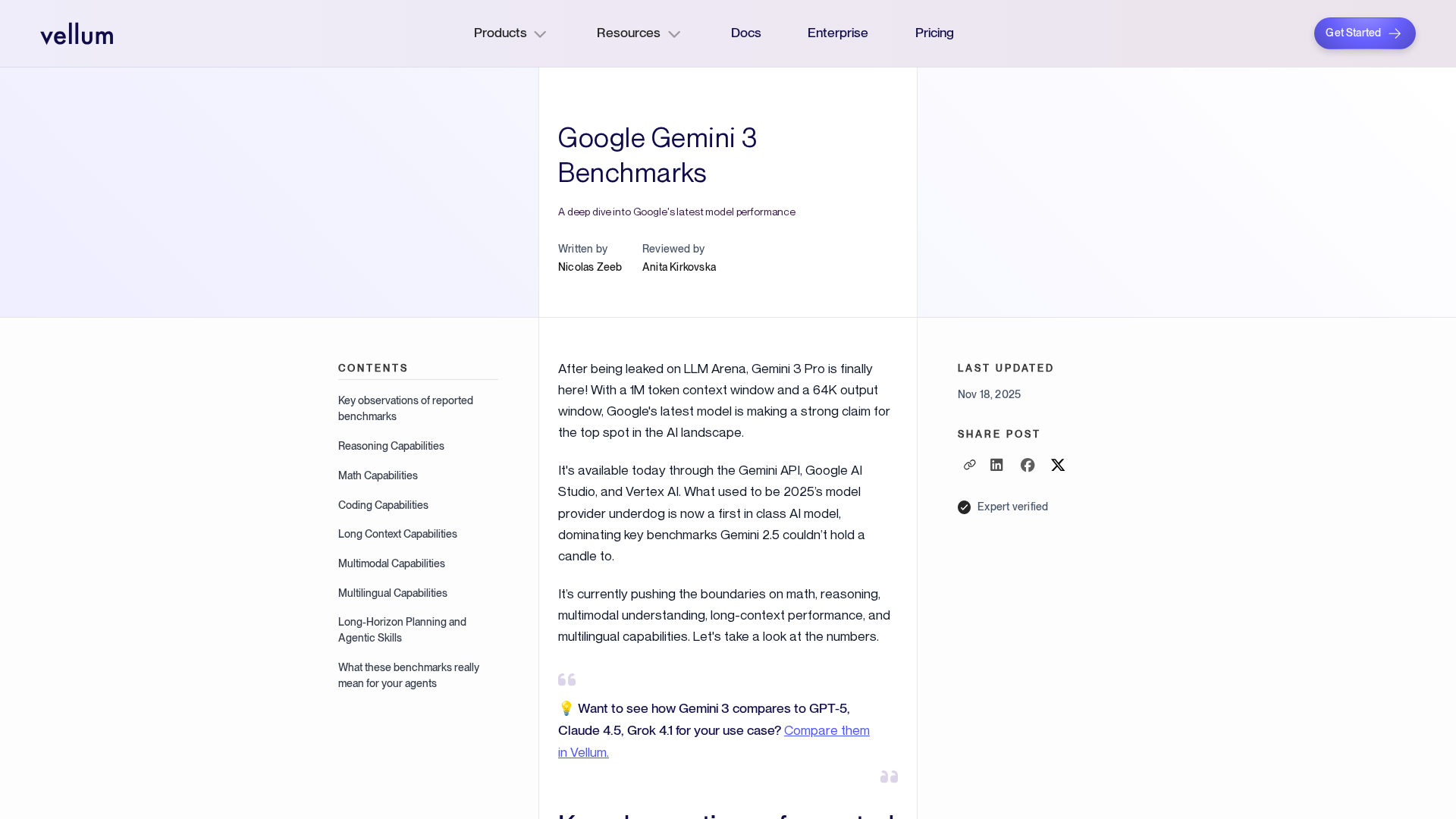
In-depth look at Gemini 3 Pro benchmarks across reasoning, math, multimodal, and agentic capabilities with implications for building AI agents.
A step-by-step guide to building an AI-powered Reliability Guardian that reviews code locally and in CI with Qodo Command.