Topic Overview
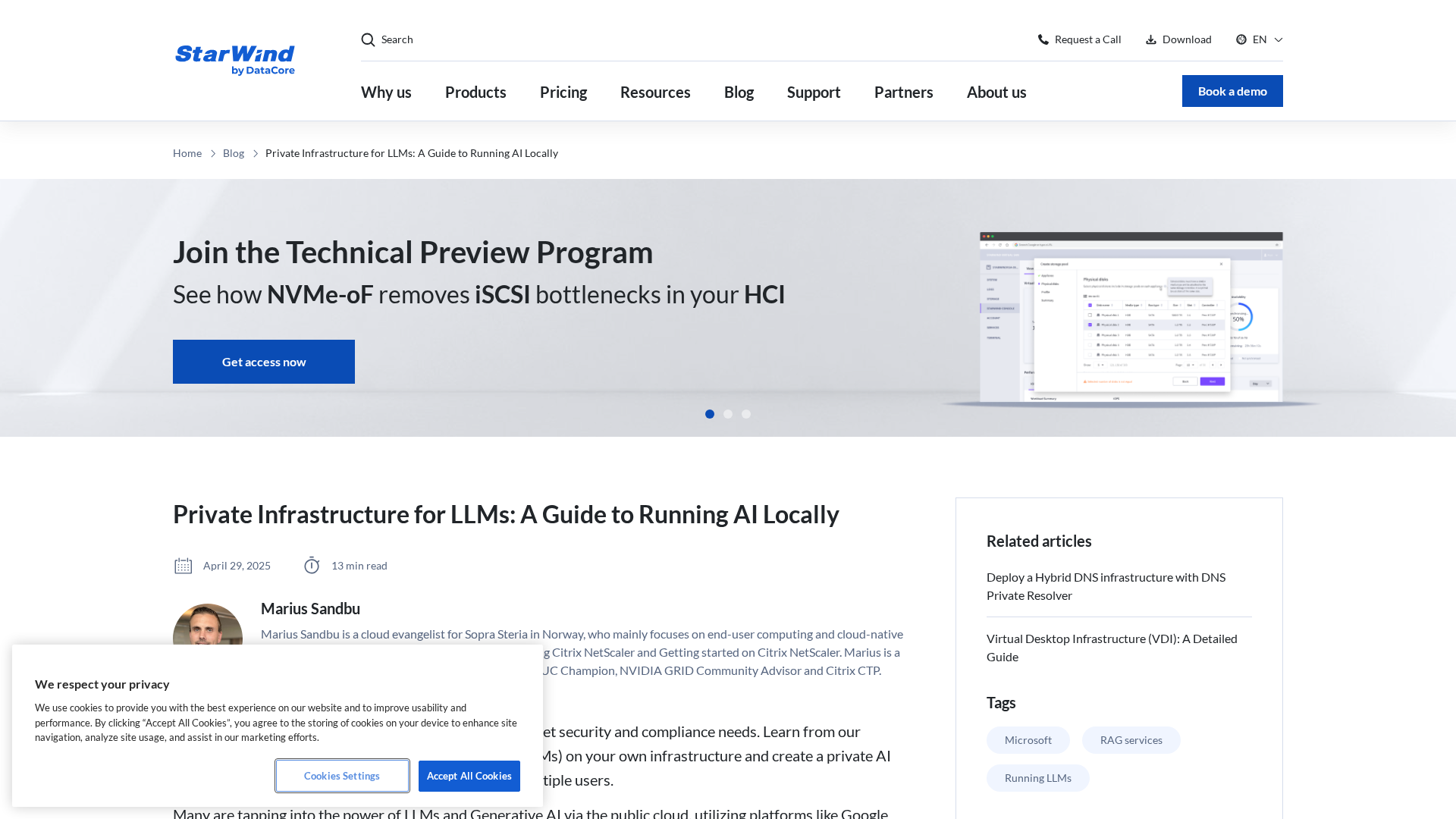
This topic covers architectures and toolchains for running conversational AI and code assistants where data residency, confidentiality, and auditability matter: private‑cloud hosting, on‑device inference, NEAR AI-style near‑edge deployments, and hybrid mixes that combine local models with cloud-based services. In 2025 enterprises are choosing data‑controlled AI to meet tighter regulation, reduce latency and egress risk, and retain operational control when public LLMs are inappropriate or unavailable. Key categories include decentralized AI infrastructure (private clusters, edge nodes, and orchestration), AI data platforms (RAG pipelines and document stores), security and governance (access controls, audit logs, model provenance), and regulatory compliance tooling (data residency, consent, and policy enforcement). Representative tools reflect these needs: Tabnine and JetBrains AI Assistant provide enterprise, in‑IDE code assistants with private/self‑hosted deployment and contextual controls; Cursor and Windsurf (formerly Codeium) embed AI across editor and agent workflows for developer productivity with on‑prem options; IBM watsonx Assistant focuses on enterprise virtual agents and multi‑agent orchestrations with no‑code and developer modes; MindStudio offers no‑/low‑code design and deployment for agent workflows with enterprise controls; LlamaIndex supplies developer primitives for RAG and document agents to keep retrieval and indexing inside controlled environments. Practical tradeoffs center on model size versus local resource limits, cost and complexity of private hosting, hybrid orchestration to fall back to cloud offerings, and operationalizing governance across model, data and deployment lifecycles. Organizations should evaluate tooling for self‑hosting support, policy and audit features, integration with document stores and RAG frameworks, and the ability to run inference on edge or device when connectivity or data sensitivity requires it.
Tool Rankings – Top 6

Enterprise-focused AI coding assistant emphasizing private/self-hosted deployments, governance, and context-aware code.
In‑IDE AI copilot for context-aware code generation, explanations, and refactorings.

Enterprise virtual agents and AI assistants built with watsonx LLMs for no-code and developer-driven automation.

No-code/low-code visual platform to design, test, deploy, and operate AI agents rapidly, with enterprise controls and a

AI-first code editor and assistant by Anysphere embedding AI across editor, agents, CLI and web workflows.

AI-native IDE and agentic coding platform (Windsurf Editor) with Cascade agents, live previews, and multi-model support.
Latest Articles (40)
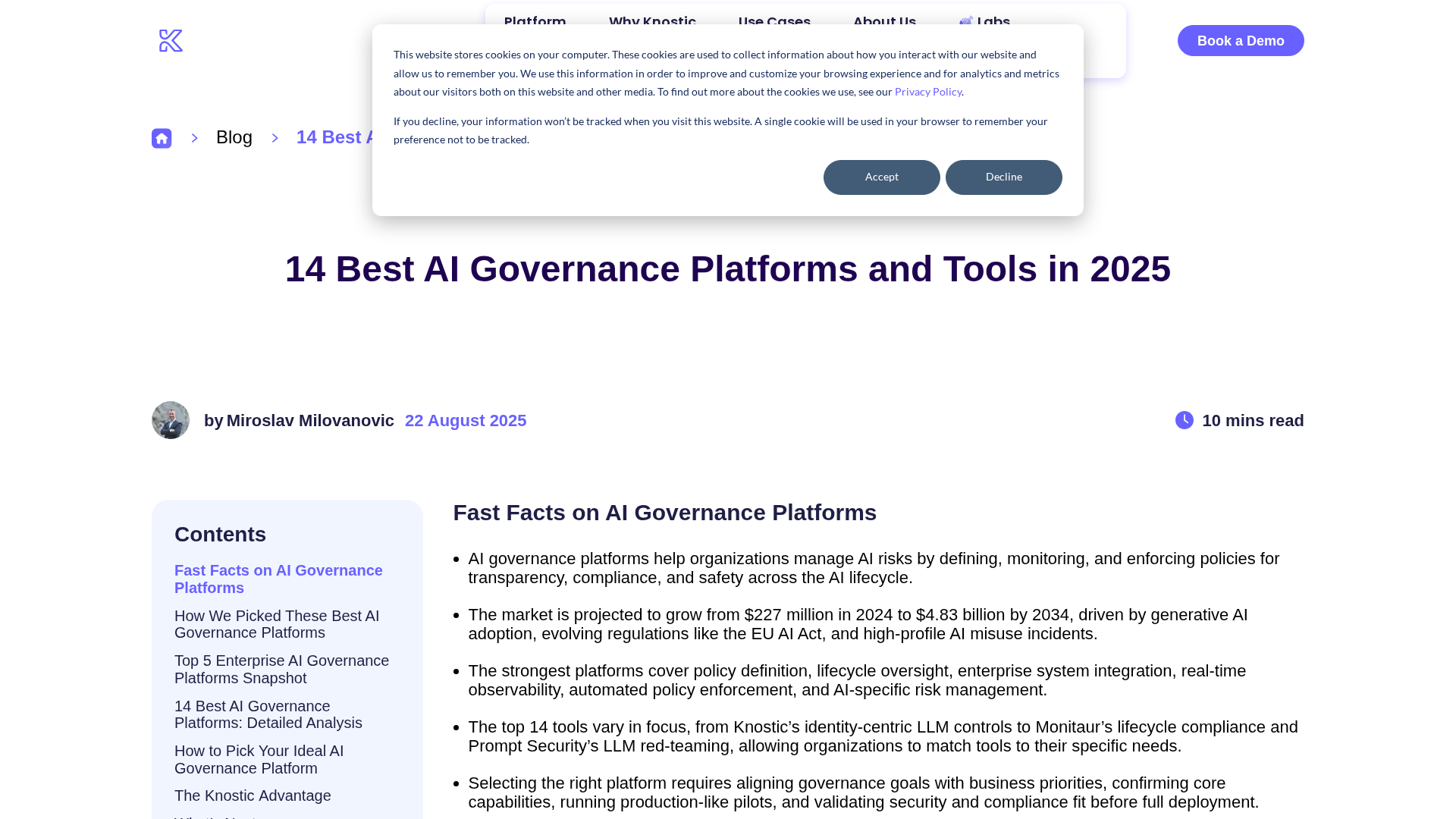
A vendor‑agnostic guide to the 14 best AI governance platforms in 2025, with criteria, comparisons, and practical buying guidance.
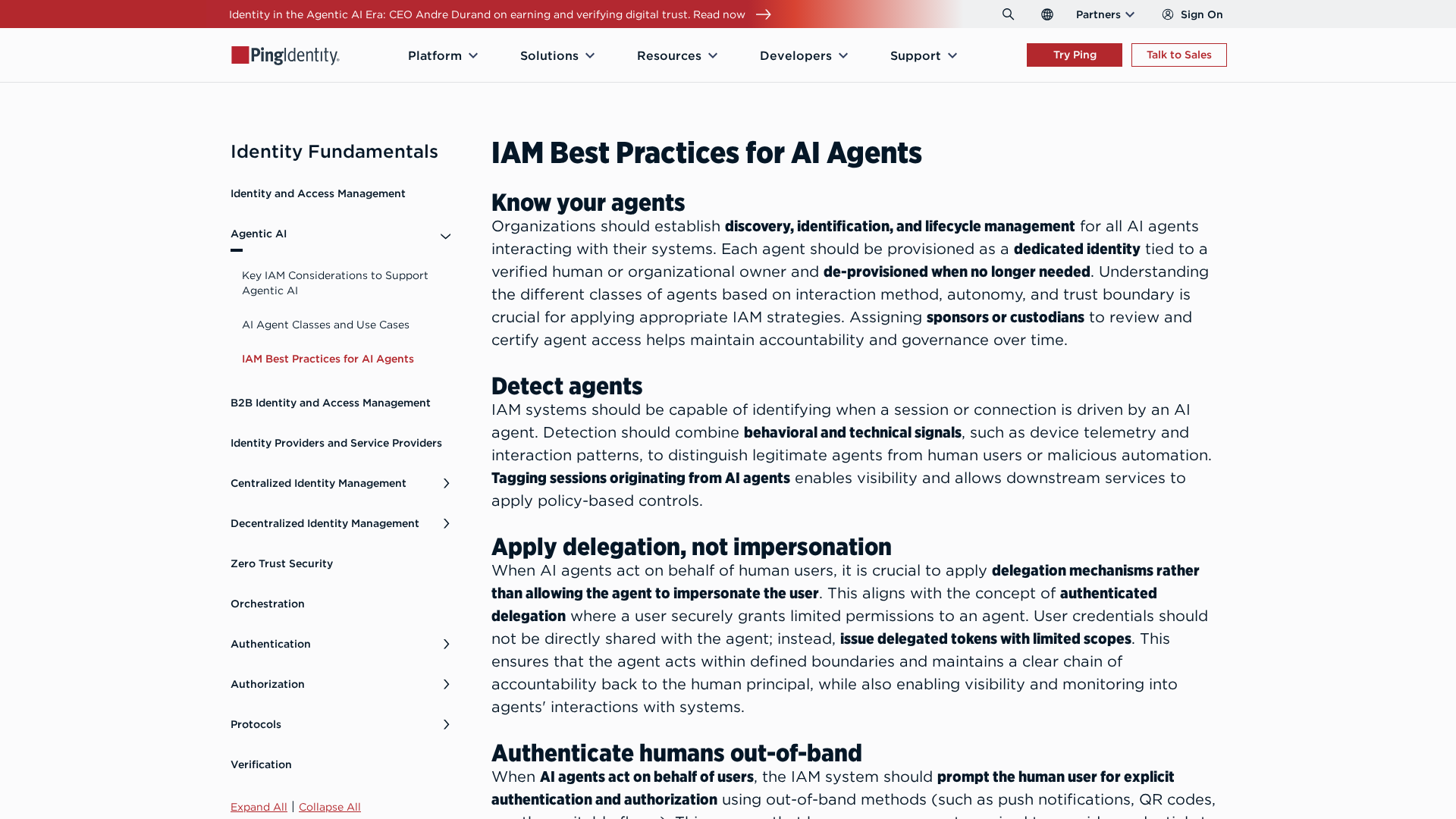
Best-practices for securing AI agents with identity management, delegated access, least privilege, and human oversight.

Adobe nears a $19 billion deal to acquire Semrush, expanding its marketing software capabilities, according to WSJ reports.
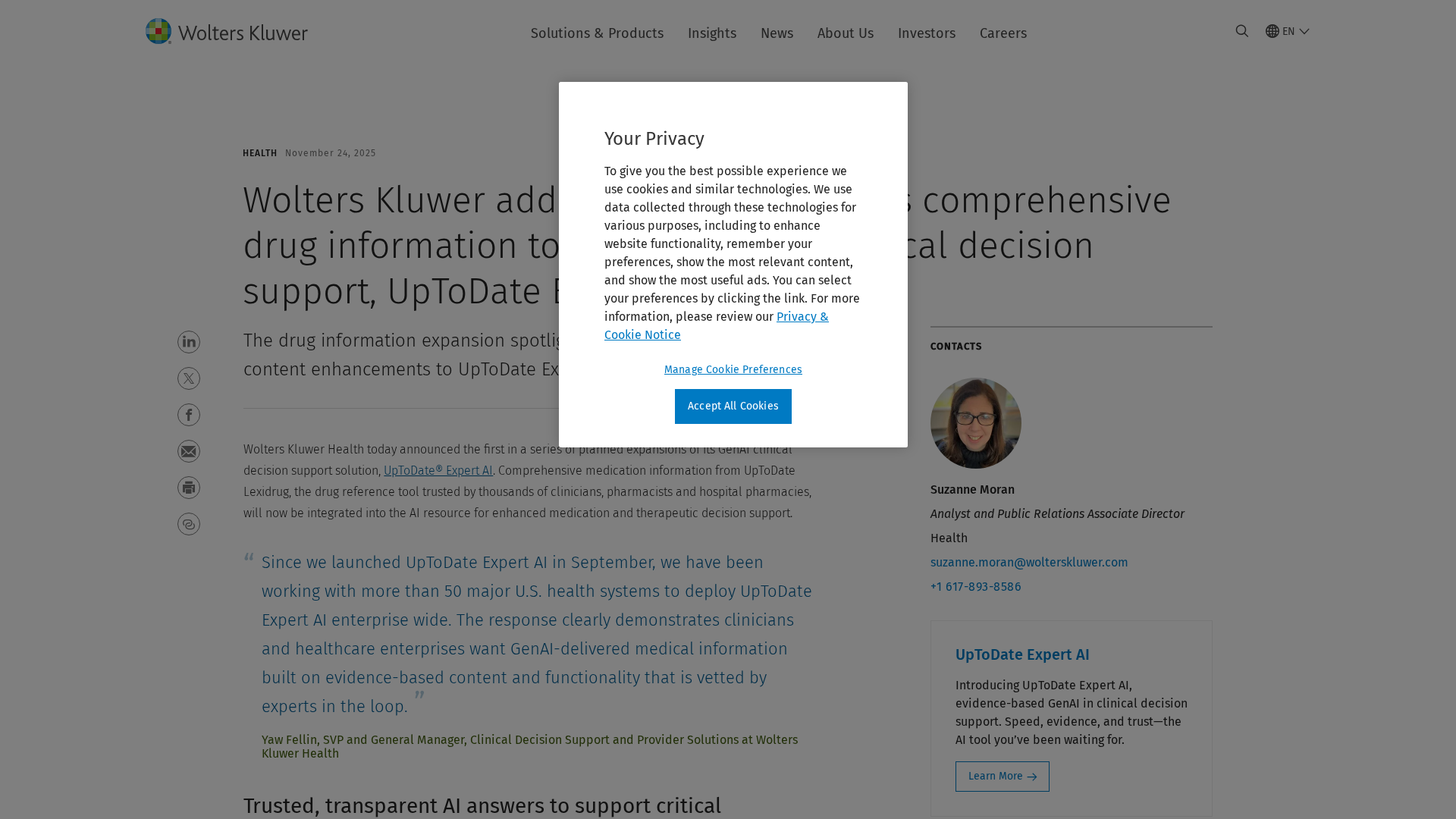
Wolters Kluwer expands UpToDate Expert AI with UpToDate Lexidrug to bolster drug information and medication decision support.
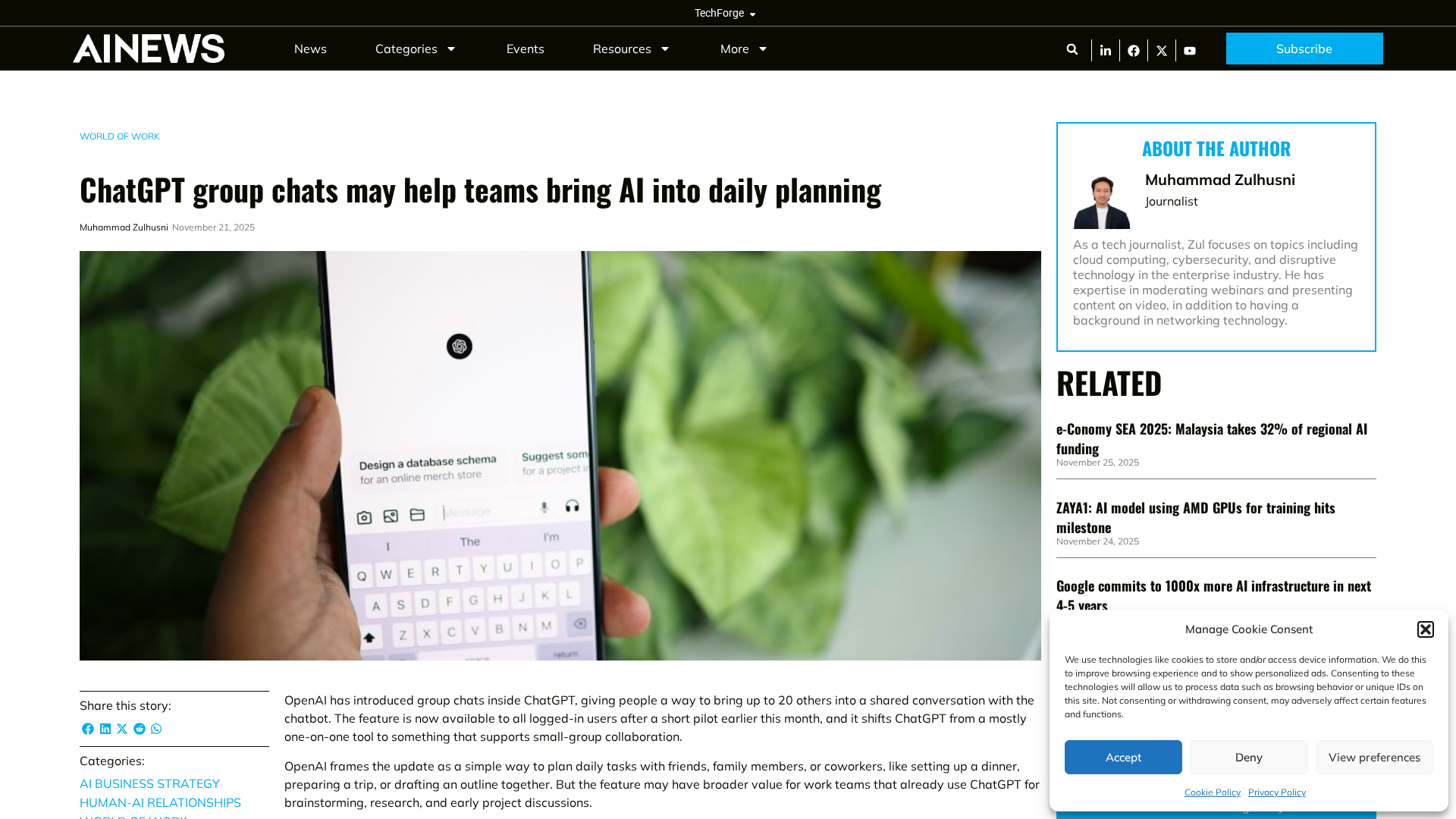
OpenAI adds group chats to ChatGPT, letting up to 20 participants collaborate with AI in a shared planning space.