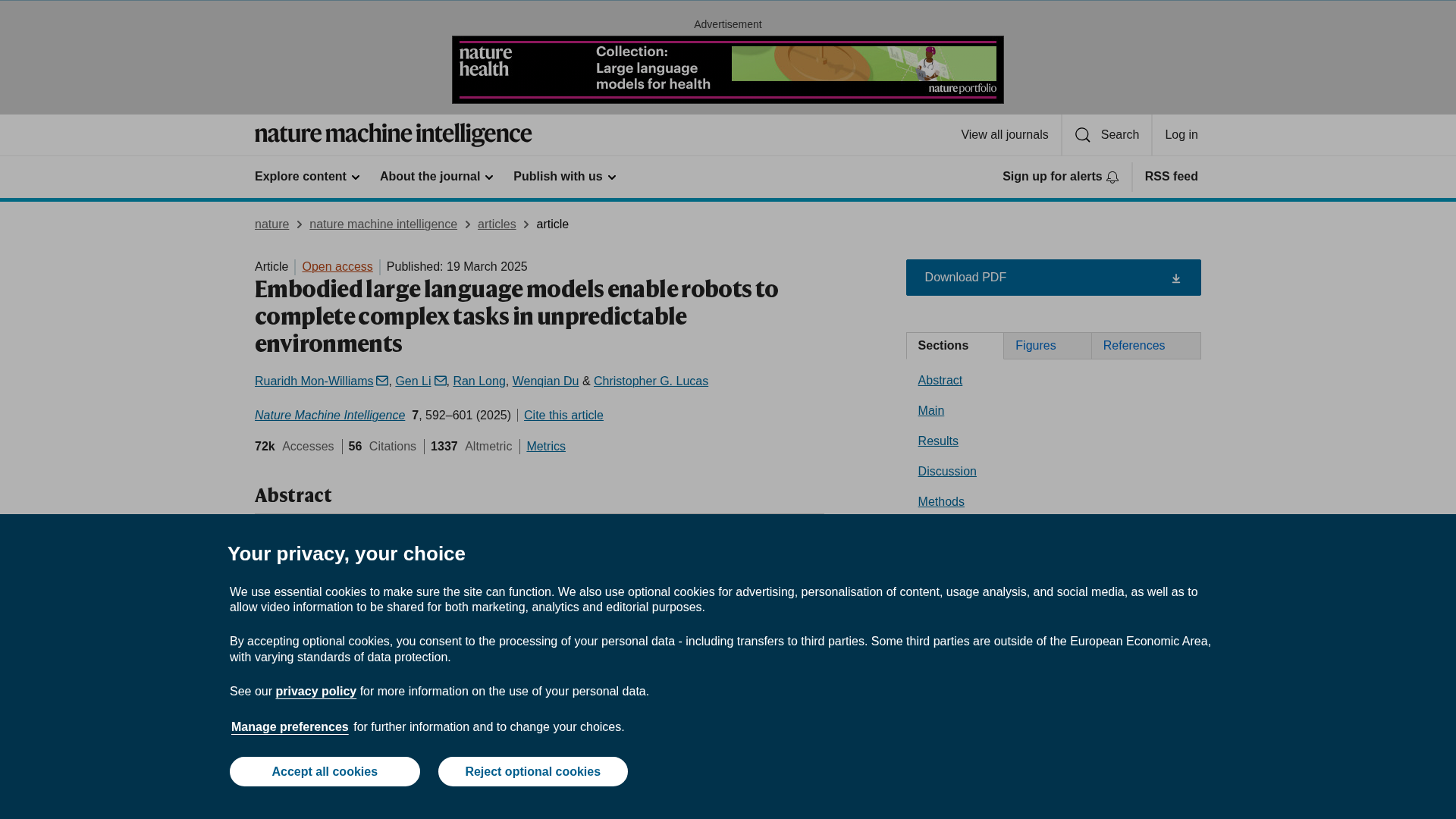
Topic Overview
This topic compares robotics memory and task-learning frameworks—exemplified by Physical Intelligence’s MEM—with broader robotic AI platforms and the agent/data tooling that increasingly powers embodied agents. MEM represents a class of systems that aim to persist structured, task-relevant memory and support continual task learning on physical systems; robotic AI platforms provide higher-level orchestration, sensor-data management and runtime integration for controllers, planners and LLM-based agents. Relevance (2026-03-06): robotics projects now combine large language models, retrieval-augmented workflows and long-term state to handle multi-step physical tasks, so designers need clear patterns for memory, retrieval, evaluation and safe execution. Trends include stateful agent frameworks (LangChain’s agent engineering and LangGraph state models), developer-focused RAG/document agent tooling (LlamaIndex), autonomous agent orchestration (AutoGPT), hybrid workflow automation with AI nodes (n8n), and lifecycle/memory primitives for production agents (GPTConsole). Practical distinctions: MEM-style frameworks focus on schema for sensor logs, episodic and semantic memory tied to robotic affordances and task generalization; robotic AI platforms emphasize integration with perception/control stacks, real-time constraints and deployment pipelines. Complementary tooling fills gaps: LangChain and GPTConsole enable agent engineering and lifecycle management; LlamaIndex supports turning unstructured sensor and log data into retrievable knowledge; AutoGPT and n8n provide autonomous workflow orchestration and integrations. For practitioners, the choice is driven by latency/real-time needs, memory semantics (episodic vs. semantic), data infrastructure for high-volume sensor streams, reproducible evaluation, and safety/verification requirements when moving from simulation to physical deployment.
Tool Rankings – Top 5

Engineering platform and open-source frameworks to build, test, and deploy reliable AI agents.

Developer-focused platform to build AI document agents, orchestrate workflows, and scale RAG across enterprises.

Platform to build, deploy and run autonomous AI agents and automation workflows (self-hosted or cloud-hosted).
Hybrid workflow automation platform with a visual editor, code support, AI nodes, and broad integrations—self-hosted,云,或

Developer-focused platform (SDK, API, CLI, web) to create, share and monetize production-ready AI agents.
Latest Articles (32)
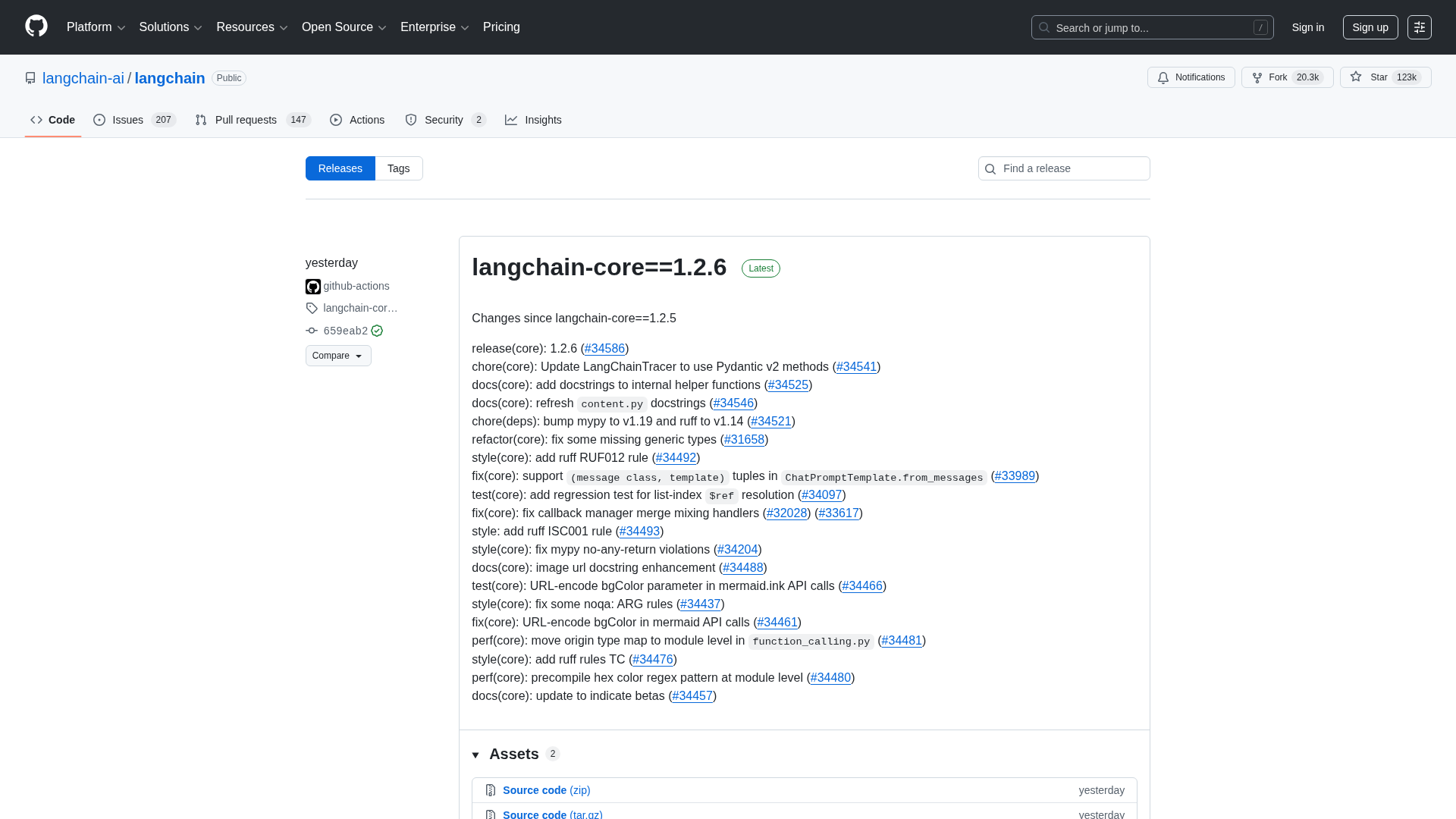
A comprehensive LangChain releases roundup detailing Core 1.2.6 and interconnected updates across XAI, OpenAI, Classic, and tests.
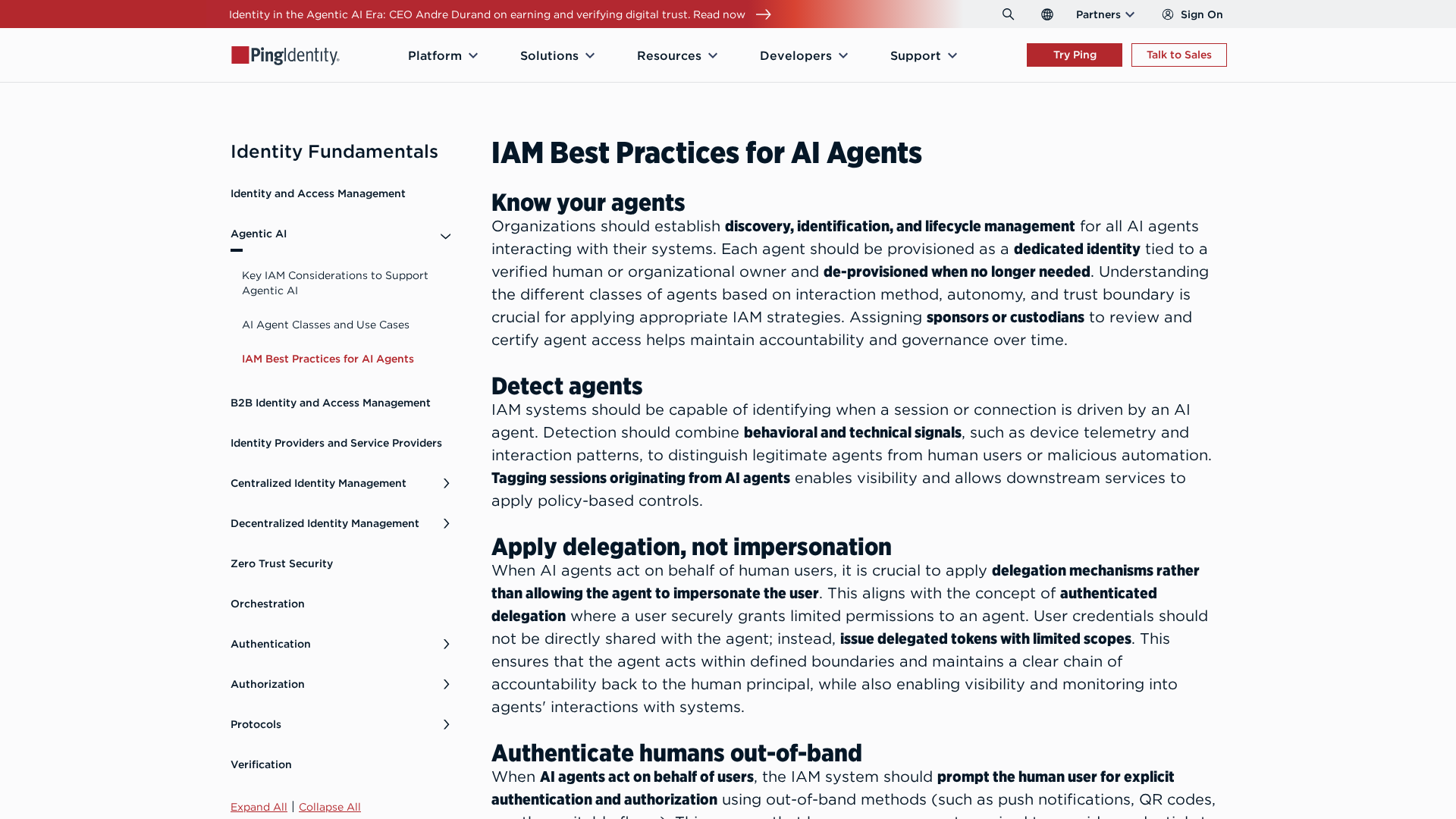
Best-practices for securing AI agents with identity management, delegated access, least privilege, and human oversight.

Cannot access the article content due to an access-denied error, preventing summarization.

A quick preview of POE-POE's pros and cons as seen in G2 reviews.
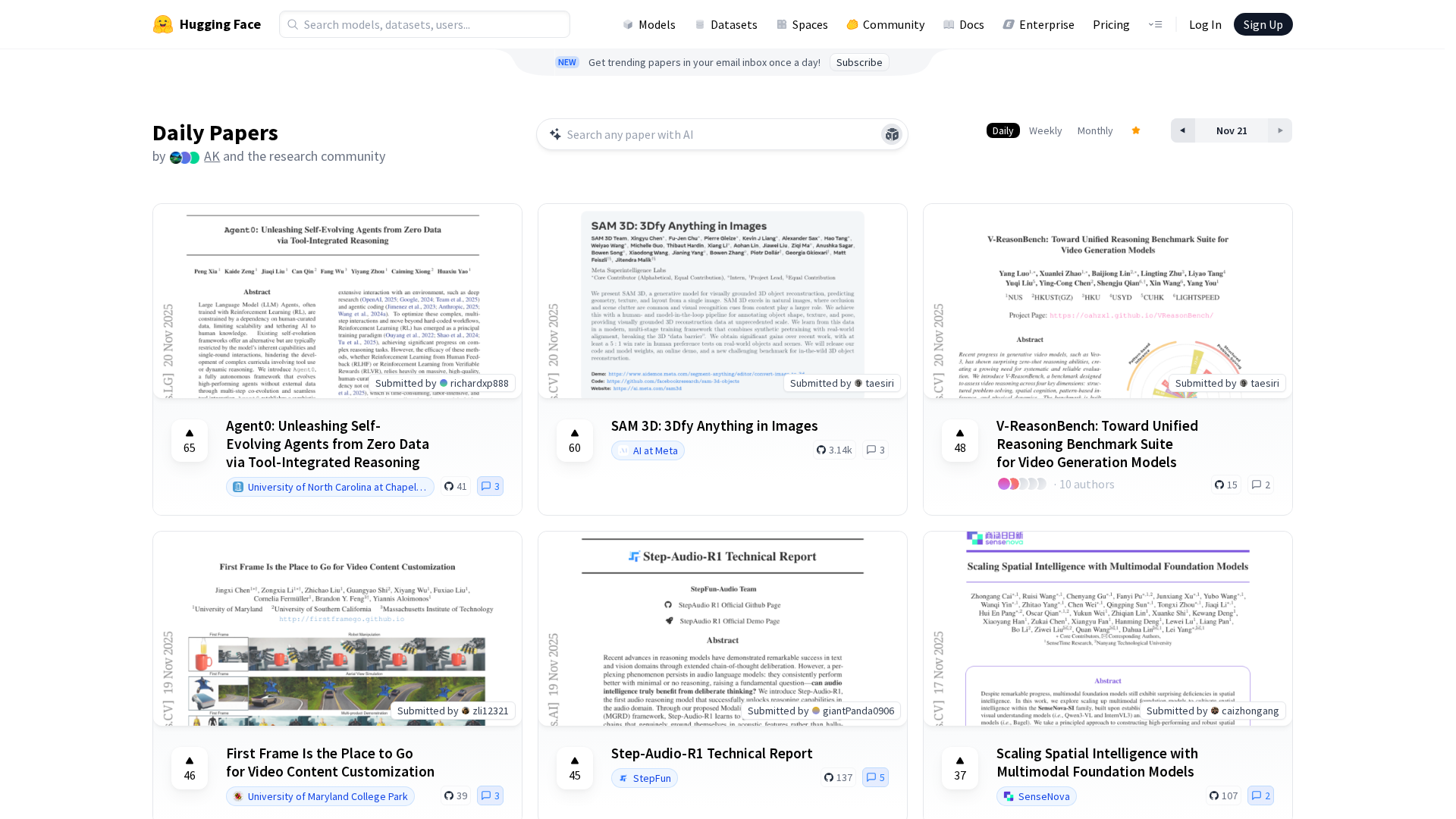
Get daily, curated trending ML papers delivered straight to your inbox.