Topic Overview
Self‑updating artefacts and memory systems describe the patterns, architectures and operational practices that let AI agents maintain persistent, evolving knowledge — notes, code, metadata, and semantic embeddings — and use that memory to inform future decisions. By 2026 this topic matters because agents are moving from one‑off prompts to long‑lived workflows that must ingest streams (meetings, logs, databases), update representations, and surface reliable context while meeting privacy and compliance requirements. Key components include agent frameworks that orchestrate tool use and memory access (e.g., LangChain’s SDK and orchestration patterns), conversational assistants that ground reasoning and synthesis (Anthropic’s Claude family), enterprise agent infrastructure that provides observability and service integration (Xilos), meeting/transcription capture for live ingestion (Fireflies), local‑first note and developer notebooks that combine chat and executable context (Znote), and developer‑focused, governance‑aware model assistants for code and private deployments (Tabnine). Together these tools support pipelines for ingestion, semantic indexing (vector stores), retrieval‑augmented generation, continuous artefact updates, testing, and deployment. Practical concerns include versioning of memory artefacts, data drift and stale context, auditability of automated updates, access controls, and human‑in‑the‑loop validation. Emerging operational patterns pair automated triggers (new meeting transcripts, CI results, sensor events) with governance checks, observability, and rollback mechanisms so artefacts can evolve without eroding trust. For teams building production agents, recommended focus areas are standard model interfaces, immutable change logs for artefacts, privacy‑preserving storage, and integration with governance and monitoring platforms to ensure reliability and compliance.
Tool Rankings – Top 6
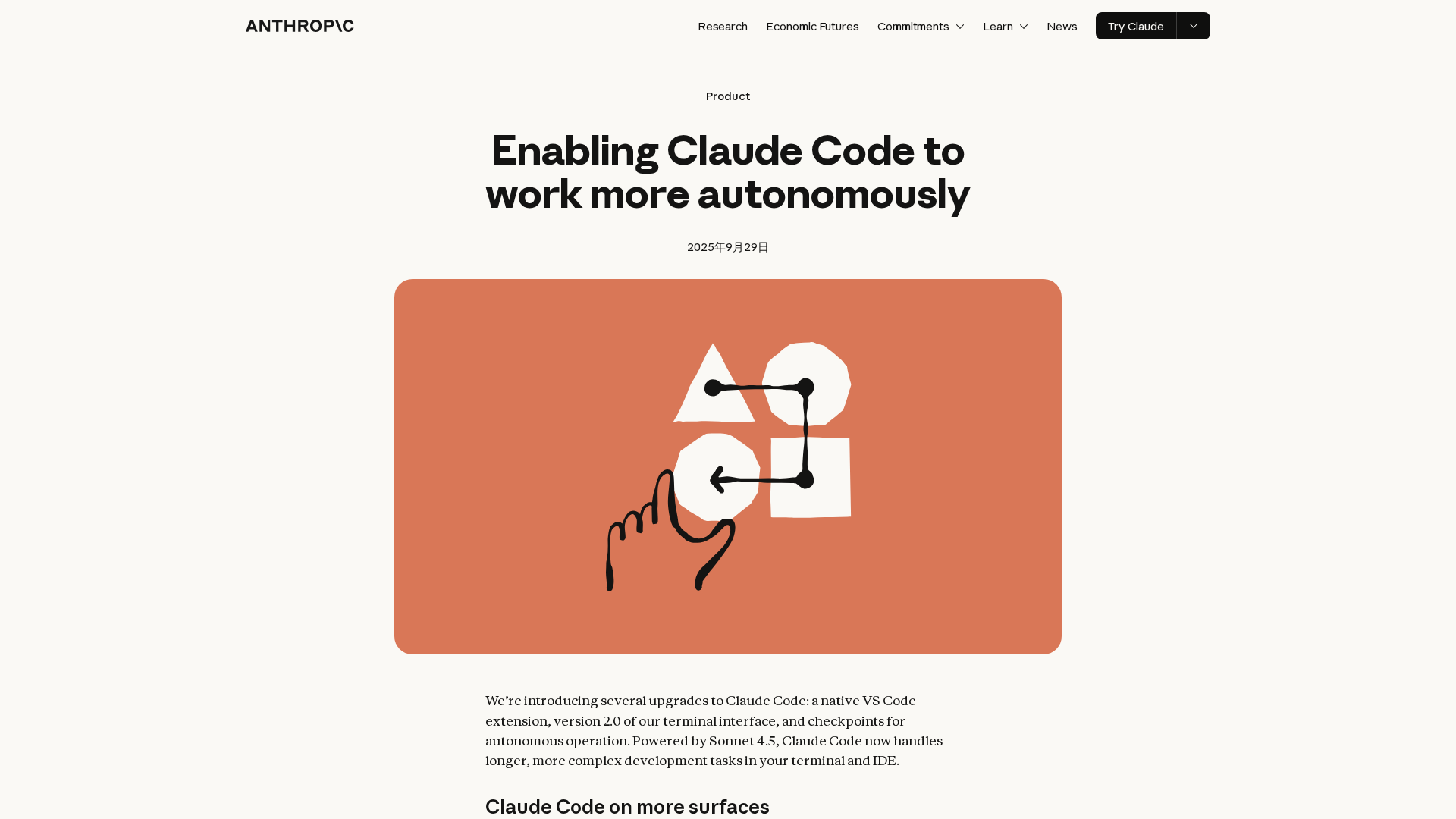
Anthropic's Claude family: conversational and developer AI assistants for research, writing, code, and analysis.

An open-source framework and platform to build, observe, and deploy reliable AI agents.
Intelligent Agentic AI Infrastructure
AI meeting note taker that joins meetings, transcribes audio, generates summaries, extracts insights and action items, &
Continue your ChatGPT chats inside smart notes

Enterprise-focused AI coding assistant emphasizing private/self-hosted deployments, governance, and context-aware code.
Latest Articles (38)
OpenAI’s bypass moment underscores the need for governance that survives inevitable user bypass and hardens system controls.
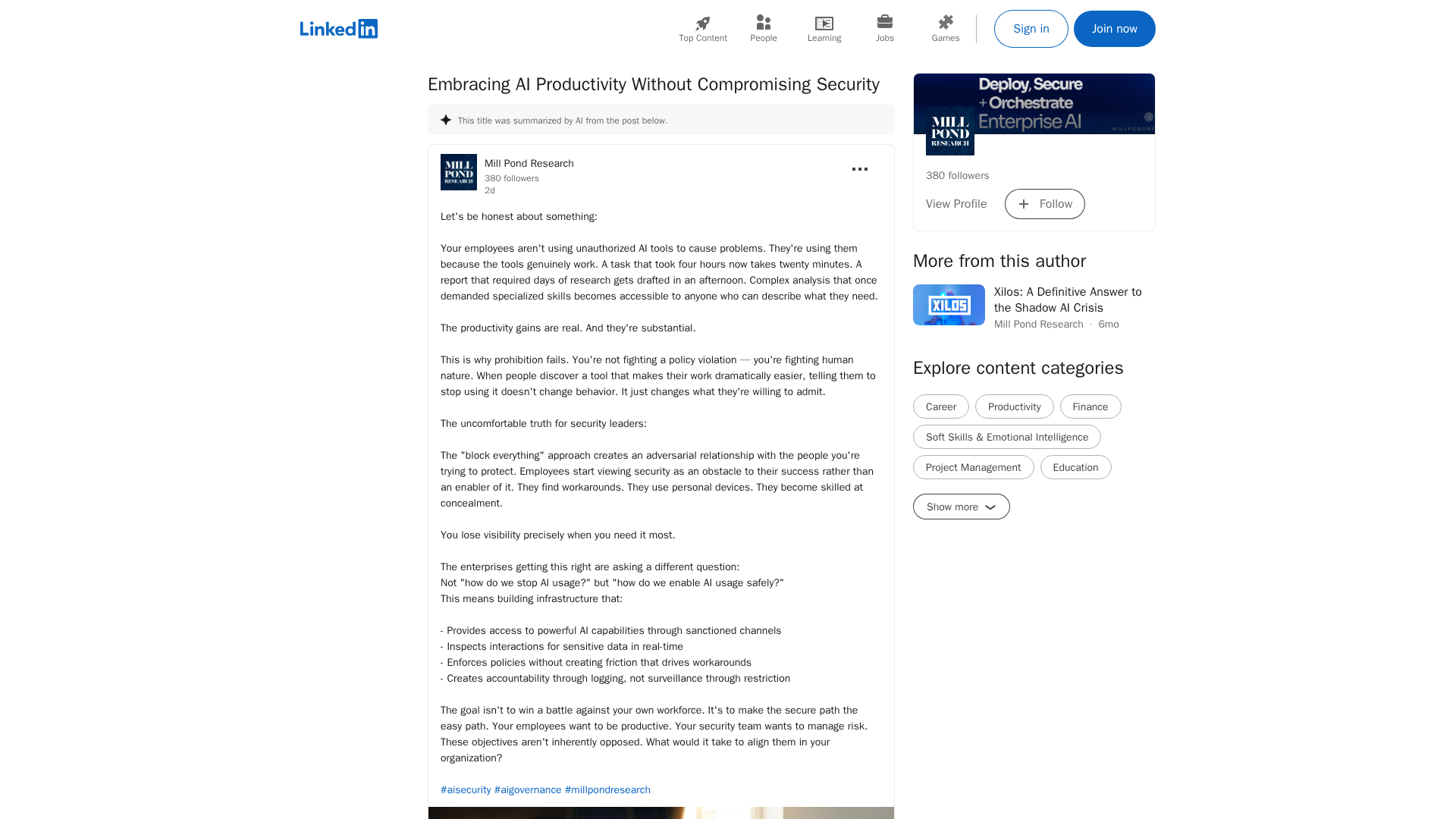
A call to enable safe AI use at work via sanctioned access, real-time data protections, and frictionless governance.
Explores the human role behind AI automation and how Bell Cyber tackles AI hallucinations in security operations.
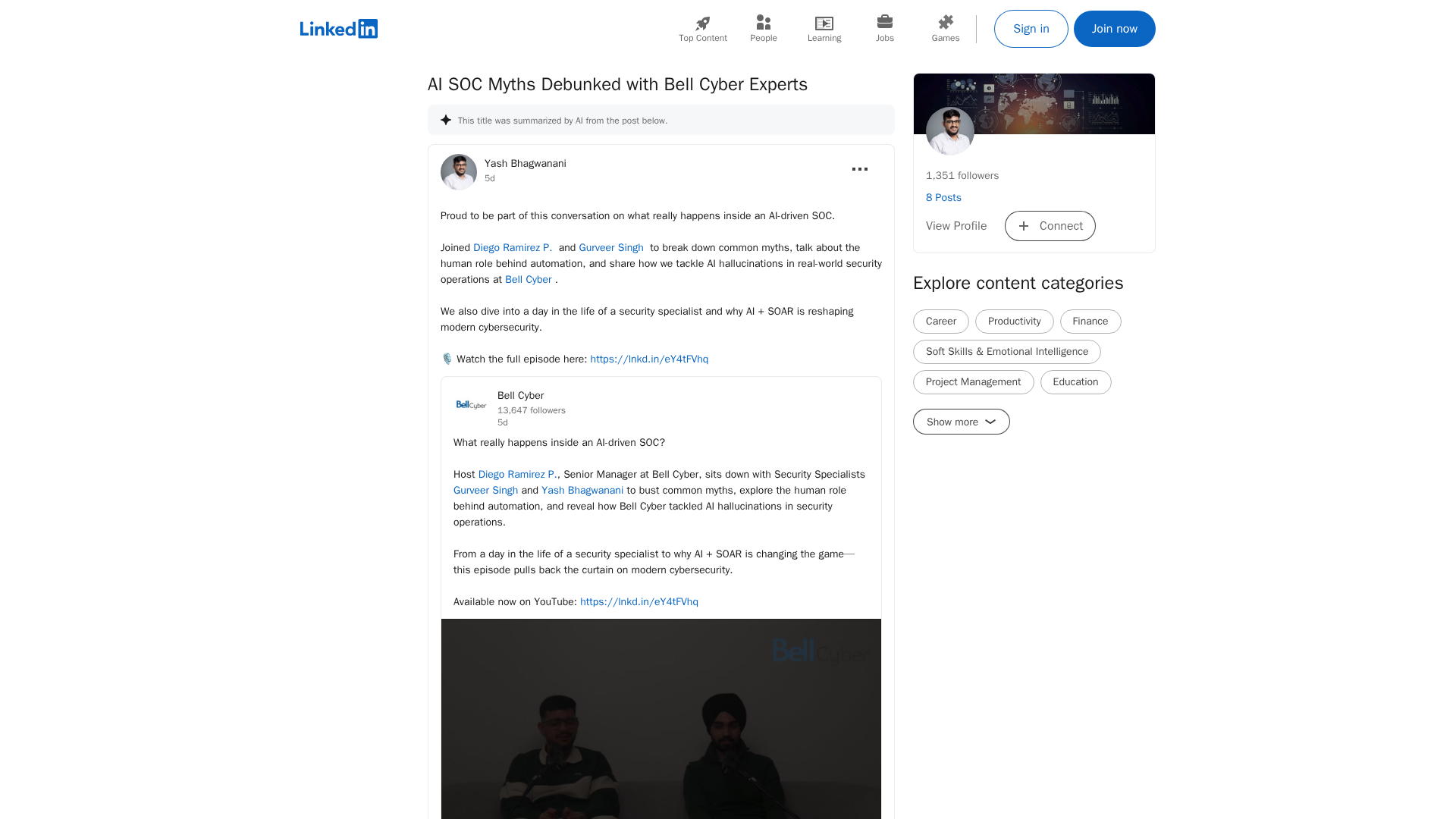
A real-world look at AI in SOCs, debunking myths and highlighting the human role behind automation with Bell Cyber experts.
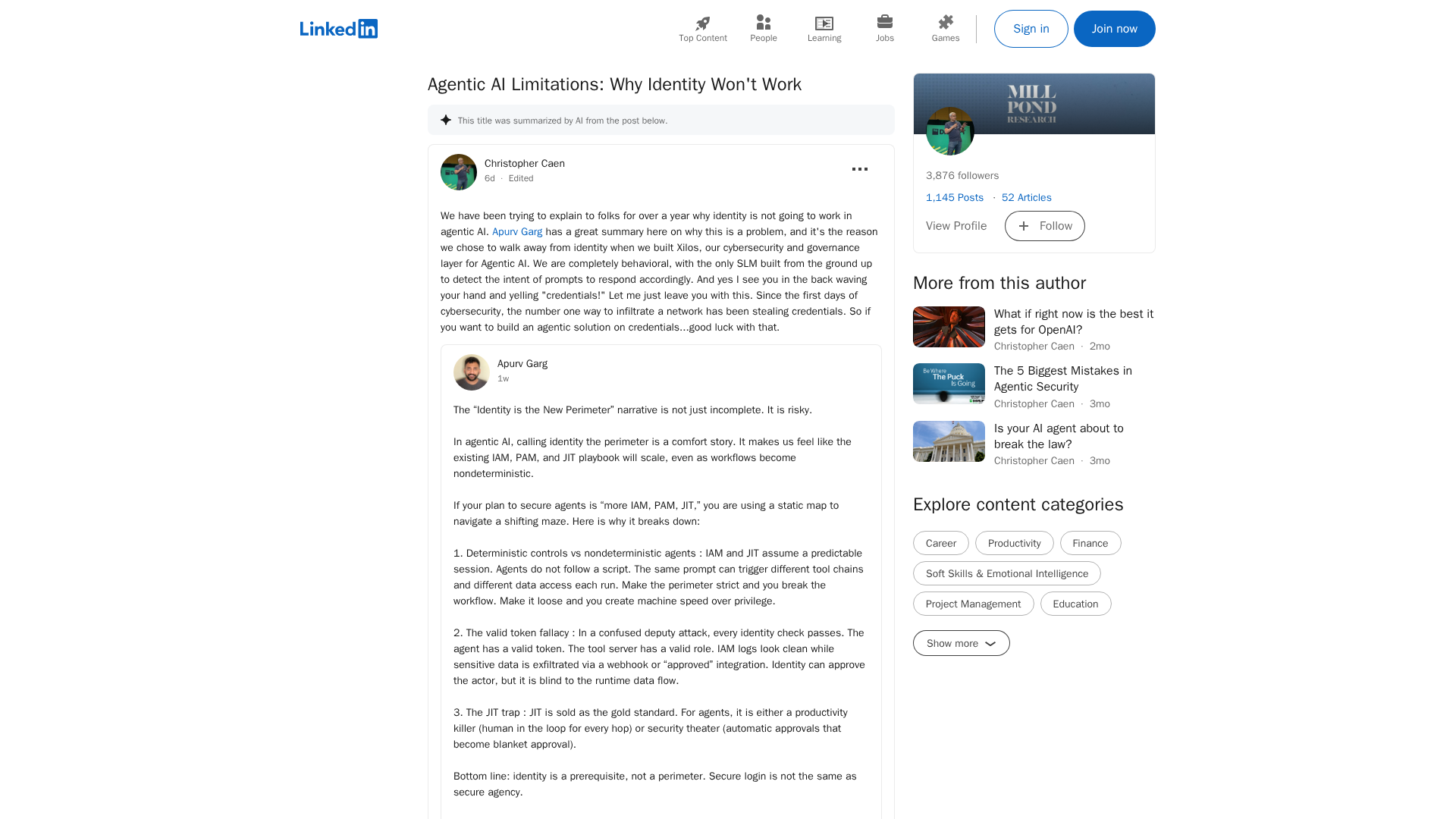
Identity won’t secure agentic AI; you need runtime visibility and action-based policy.