
Topic Overview
This topic examines the landscape of inference servers and hardware options for generative AI (GenAI) as organizations move from research prototypes to production-scale deployments. As of 2026-01-08, operators must choose between established GPU-based fleets, cloud-native inference engines (e.g., NVIDIA Rubin, AWS Trainium and Inferentia), and emerging energy‑efficient accelerators and decentralized stacks that optimize cost, latency, and power consumption. Key trends include greater hardware specialization (purpose-built inference ASICs and chiplets), tighter co-design of inference software stacks, and a push toward decentralized and on‑prem models for data governance and cost control. Representative tools illustrate this diversity: Rebellions.ai focuses on energy‑efficient inference accelerators and a GPU‑class software stack for hyperscale data centers; OpenPipe provides managed pipelines to collect LLM interactions, fine-tune models, and host optimized inference; Activeloop’s Deep Lake offers multimodal data storage, streaming, and vector indexing to speed retrieval-augmented generation (RAG) workflows; and Tensorplex Labs explores open-source, decentralized infrastructure that integrates model development with blockchain/DeFi primitives for alternative governance and incentive models. Decisions hinge on workload characteristics (throughput vs. latency), model size and sparsity, data locality and compliance, and lifecycle needs (monitoring, fine-tuning, dataset versioning). This overview synthesizes current tooling and infrastructure directions to help teams evaluate trade-offs between cloud accelerators (Trainium/Inferentia), NVIDIA/GPU ecosystems (including Rubin-oriented software), and specialized or decentralized options that prioritize efficiency, modularity, and data control.
Tool Rankings – Top 4

Energy-efficient AI inference accelerators and software for hyperscale data centers.
Open-source, decentralized AI infrastructure combining model development with blockchain/DeFi primitives (staking, cross

Managed platform to collect LLM interaction data, fine-tune models, evaluate them, and host optimized inference.

Deep Lake: a multimodal database for AI that stores, versions, streams, and indexes unstructured ML data with vector/RAG
Latest Articles (43)
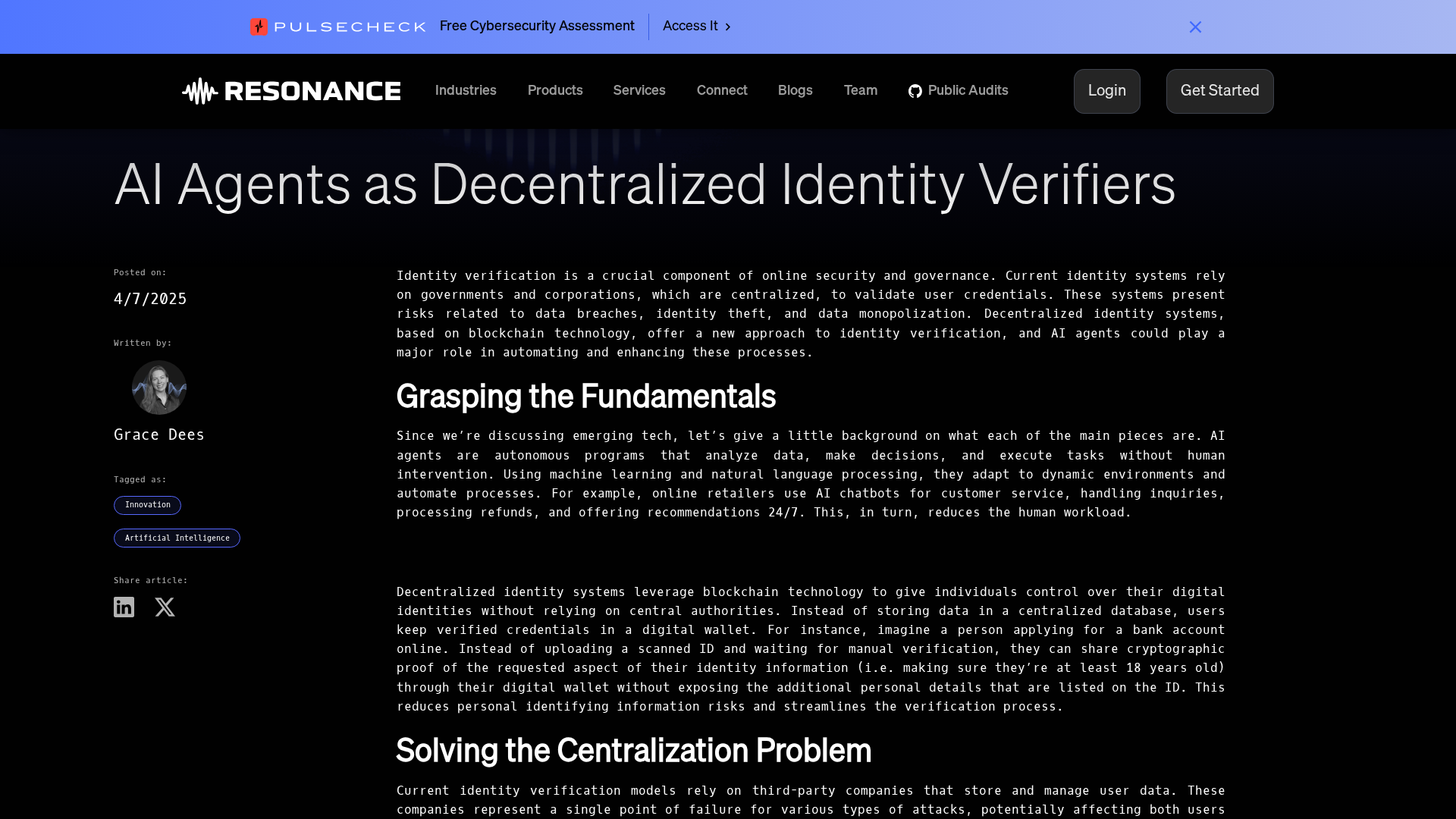
How AI agents can automate and secure decentralized identity verification on blockchain-enabled systems.
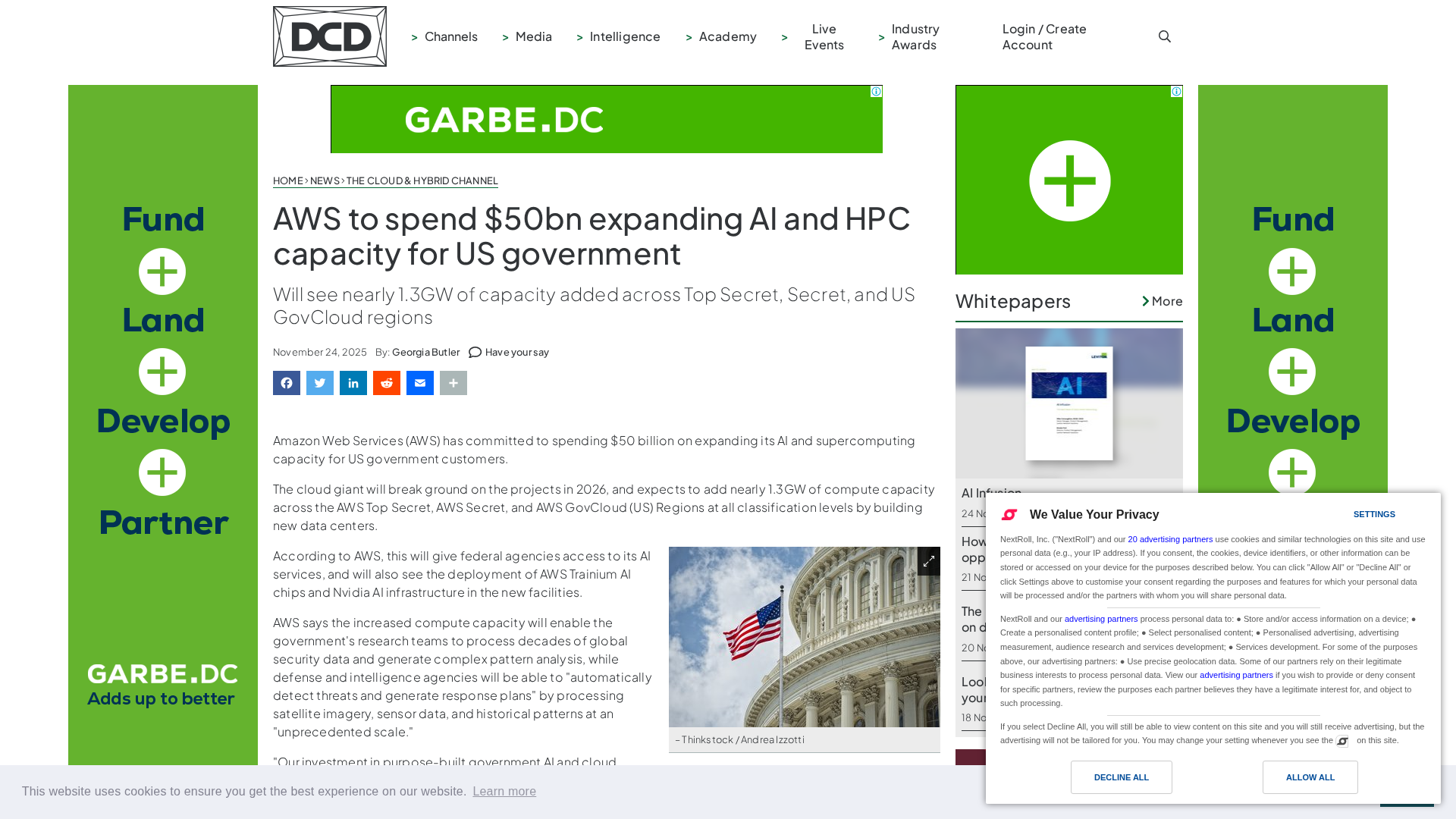
AWS commits $50B to expand AI/HPC capacity for U.S. government, adding 1.3GW compute across GovCloud regions.
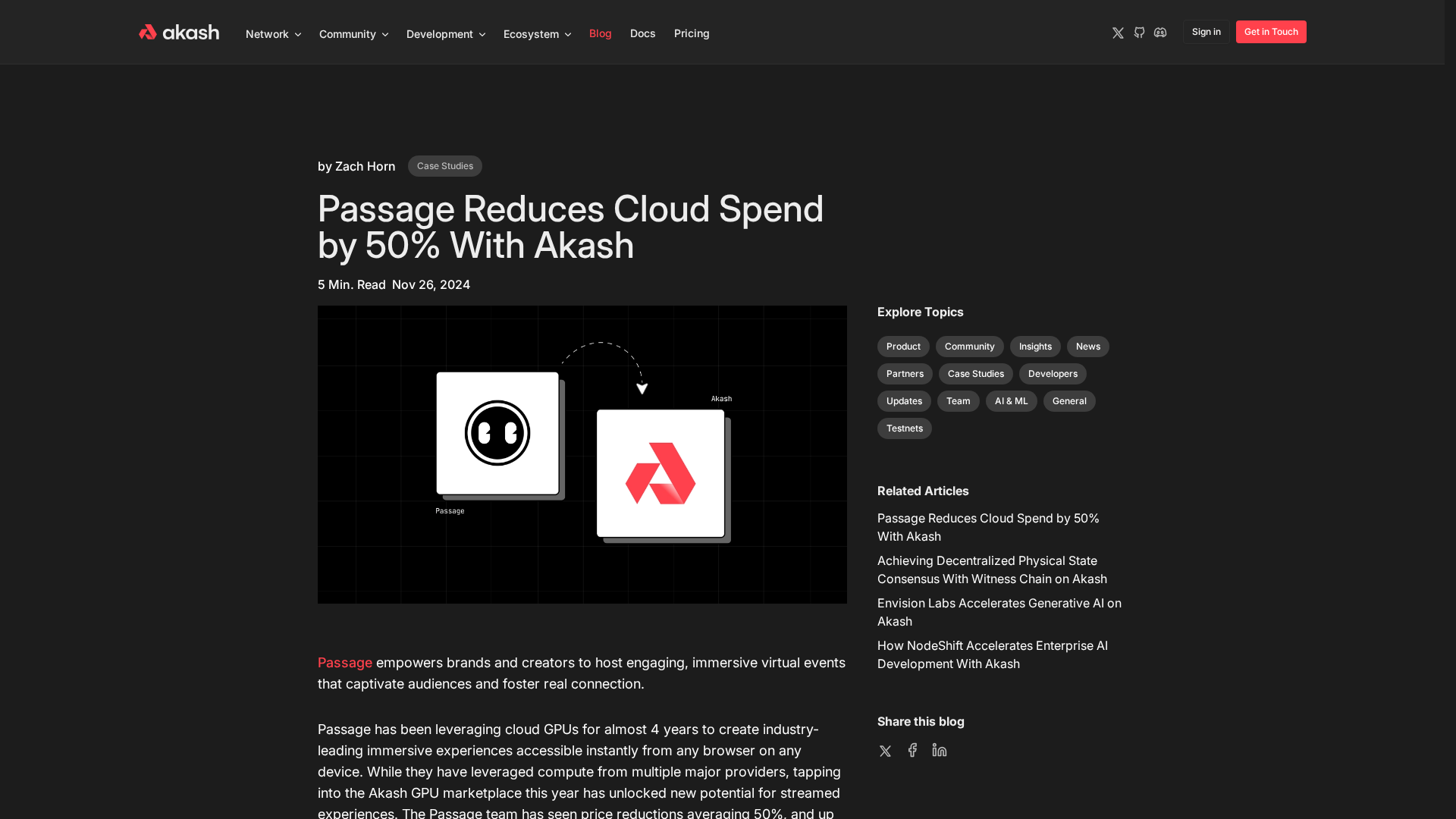
Passage cuts GPU cloud costs by up to 70% using Akash's open marketplace, enabling immersive Unreal Engine 5 events.
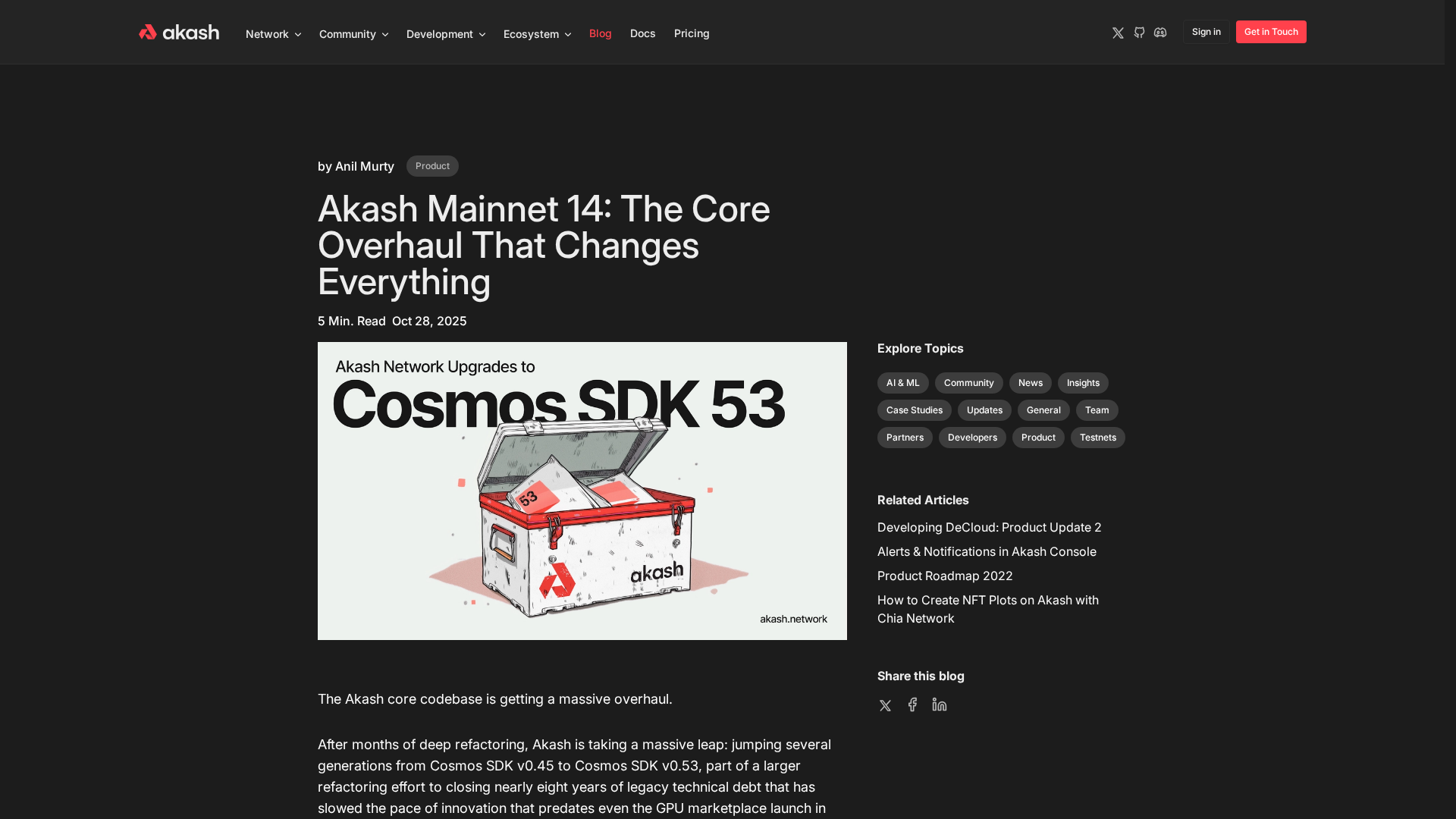
A foundational Core overhauL that speeds up development, simplifies authentication with JWT, and accelerates governance for Akash's decentralized cloud.

Meta plans a 500MW AI data center in Visakhapatnam with Sify, linked to the Waterworth subsea cable.