Topic Overview
This topic examines the current landscape of face, image and speech recognition APIs and toolkits, with emphasis on edge-capable vision platforms and high-fidelity voice synthesis/transcription. Interest in these capabilities has grown because real-time multimodal experiences—on-device face and object detection, low-latency speech-to-text (STT), and production-grade text-to-speech (TTS) or voice cloning—are now practical for consumer products and enterprise contact centers. Key trends include on-device inference for privacy and latency, multimodal model orchestration, and enterprise governance/observability for automated voice agents. Representative tools cover different layers of this stack. Google’s Gemini and Vertex AI provide multimodal models and a unified managed platform for training, fine-tuning, deploying and monitoring vision and speech workflows. IBM watsonx Assistant, Kore.ai, Yellow.ai and Observe.AI focus on enterprise agent orchestration: building conversational voice agents, real-time agent assist and post-call QA. ElevenLabs and Murf AI specialize in production-quality TTS, voice cloning and transcription APIs for natural-sounding voice output and accurate STT. Simple Phones and VOICEplug illustrate turnkey phone/drive-thru voice agents that integrate with CRMs and webhooks. Archetype AI’s Newton points to a growing category of large behavior models for real-time multimodal sensor fusion and reasoning on edge or on‑premises hardware. Choosing between APIs and toolkits depends on priorities: latency and privacy (edge-first models like Newton or on-device variants), customization and scale (Vertex AI, Gemini), or contact-center workflows and governance (watsonx, Observe.AI, Kore.ai). Key implementation concerns remain accuracy across diverse populations, data protection, continuous model evaluation, and integration with existing CX systems—making observability, fine-tuning paths and robust APIs critical selection criteria in late 2025.
Tool Rankings – Top 6

Google’s multimodal family of generative AI models and APIs for developers and enterprises.

Unified, fully-managed Google Cloud platform for building, training, deploying, and monitoring ML and GenAI models.

Enterprise virtual agents and AI assistants built with watsonx LLMs for no-code and developer-driven automation.

Enterprise conversation-intelligence and GenAI platform for contact centers: voice agents, real-time assist, auto QA, &洞
Industry-leading AI audio platform for ultra-realistic text-to-speech, voice cloning, transcription, and voice agents.

Realistic AI text-to-speech, dubbing, and voice APIs with 200+ voices and multilingual support.
Latest Articles (132)
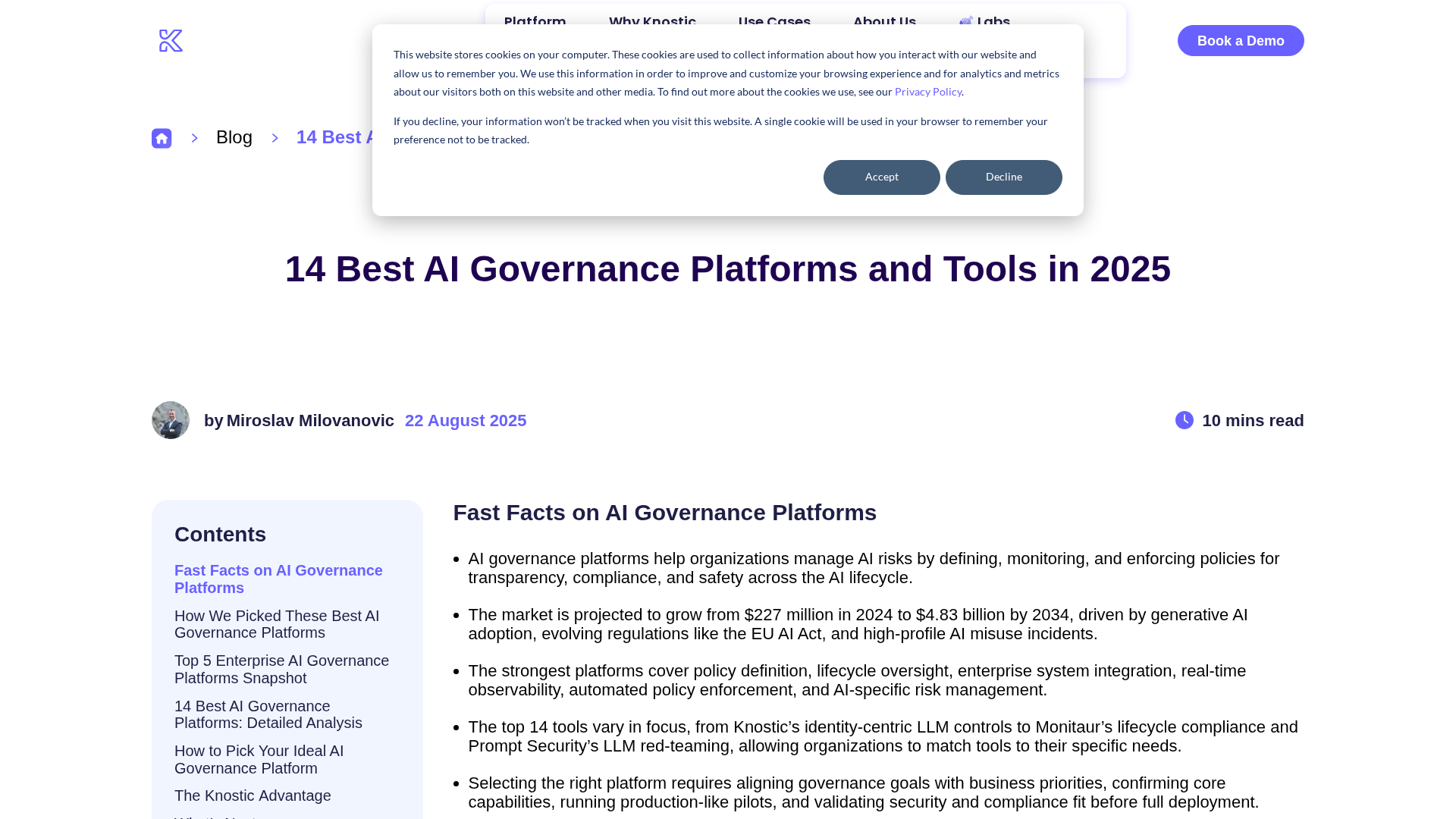
A vendor‑agnostic guide to the 14 best AI governance platforms in 2025, with criteria, comparisons, and practical buying guidance.
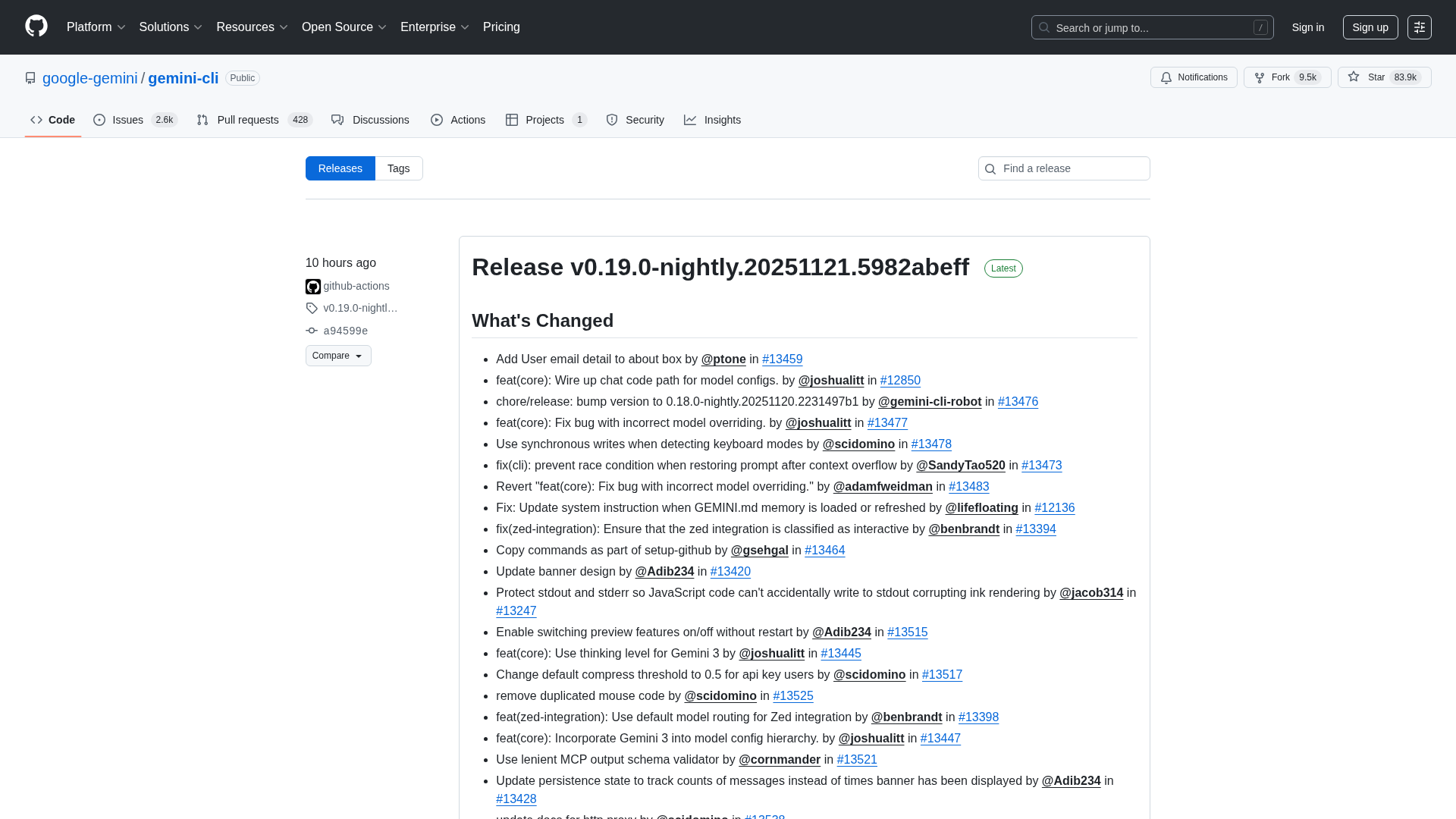
Overview of the Gemini CLI v0.36.0-preview release series, highlighting architectural, CLI, and UI changelogs across multiple pre-release versions.
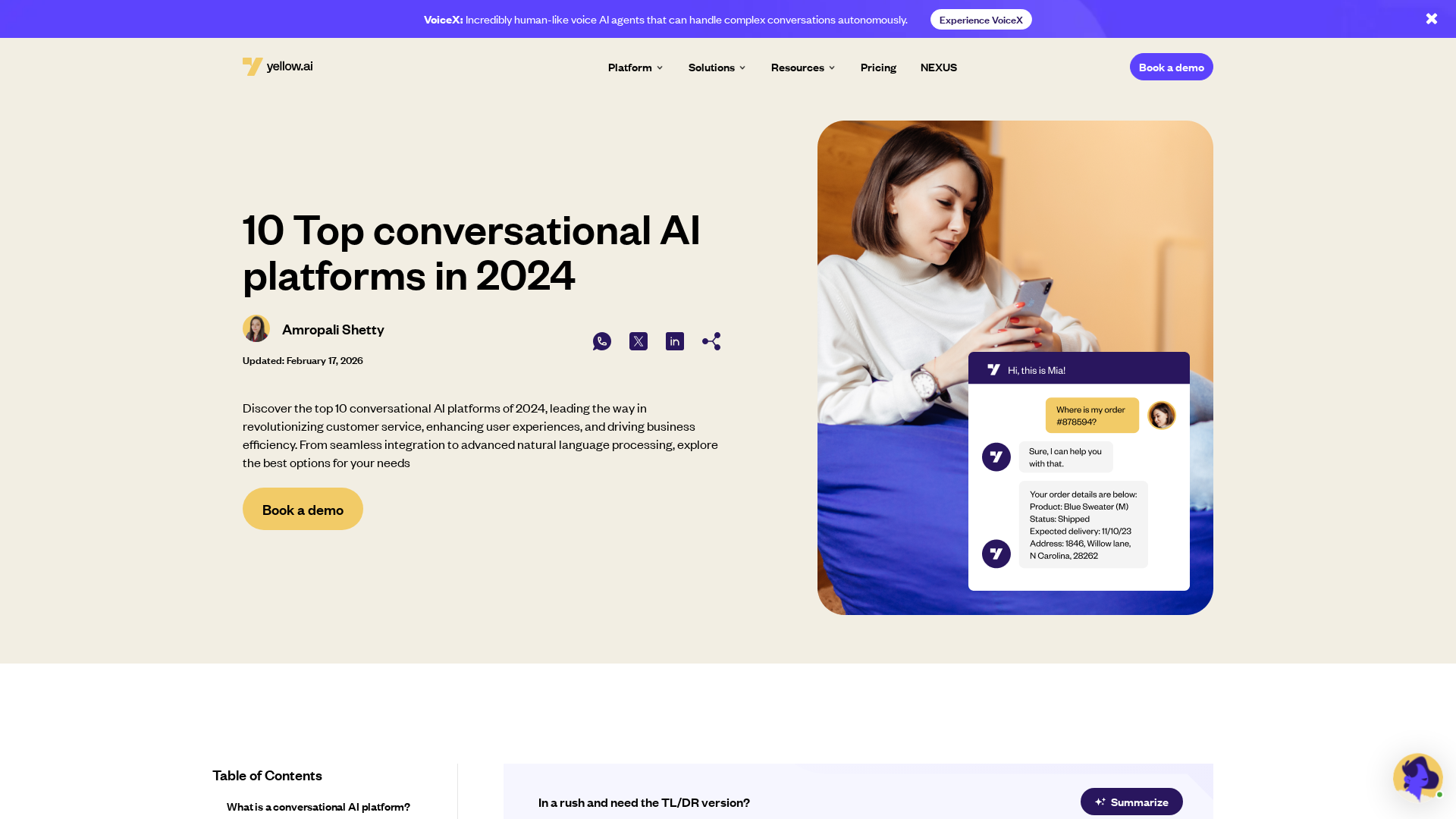
A concise guide to the top 10 conversational AI platforms in 2024, with features, benefits, and use cases.
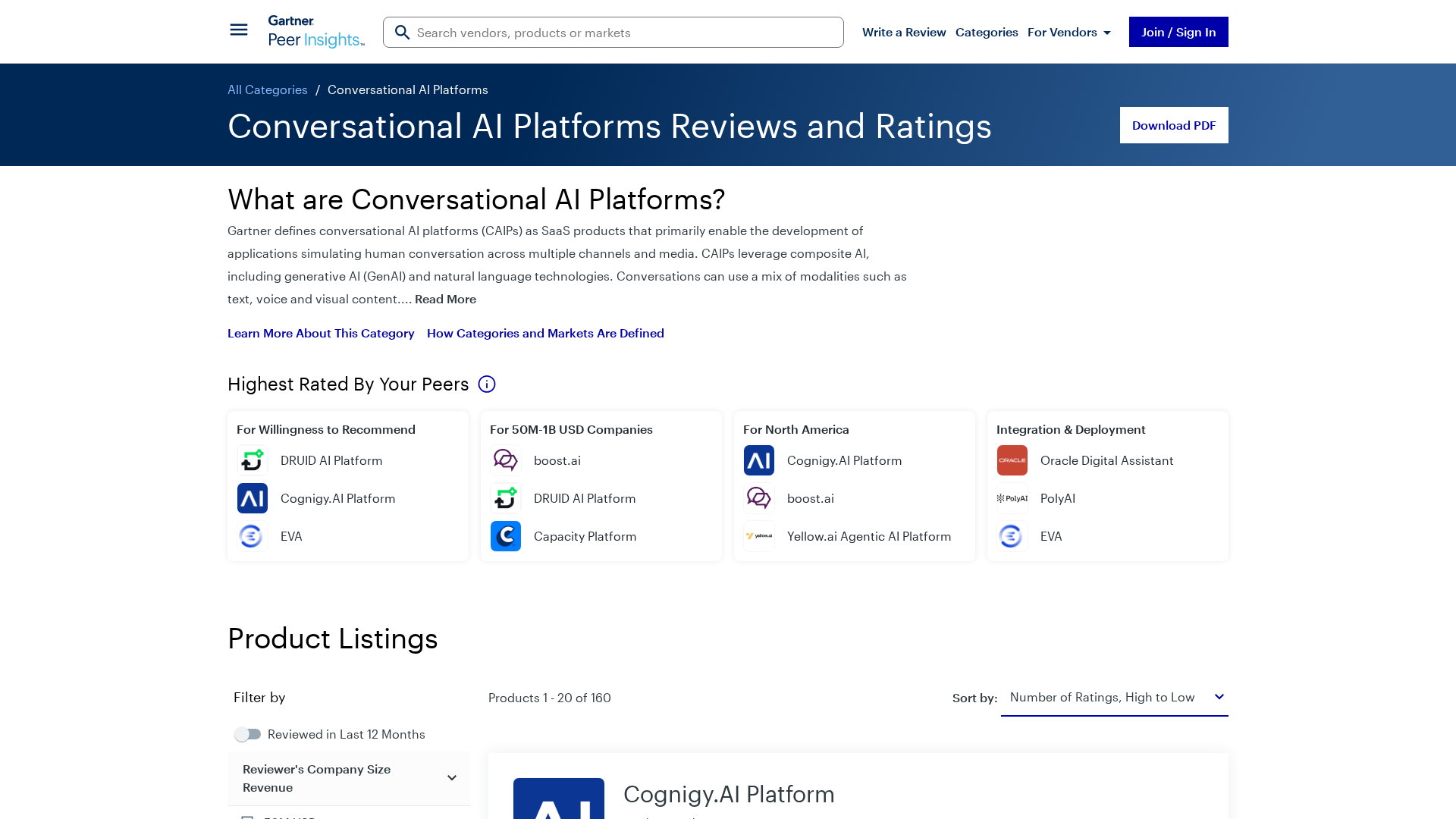
Gartner’s market view on conversational AI platforms, outlining trends, vendors, and buyer guidance.
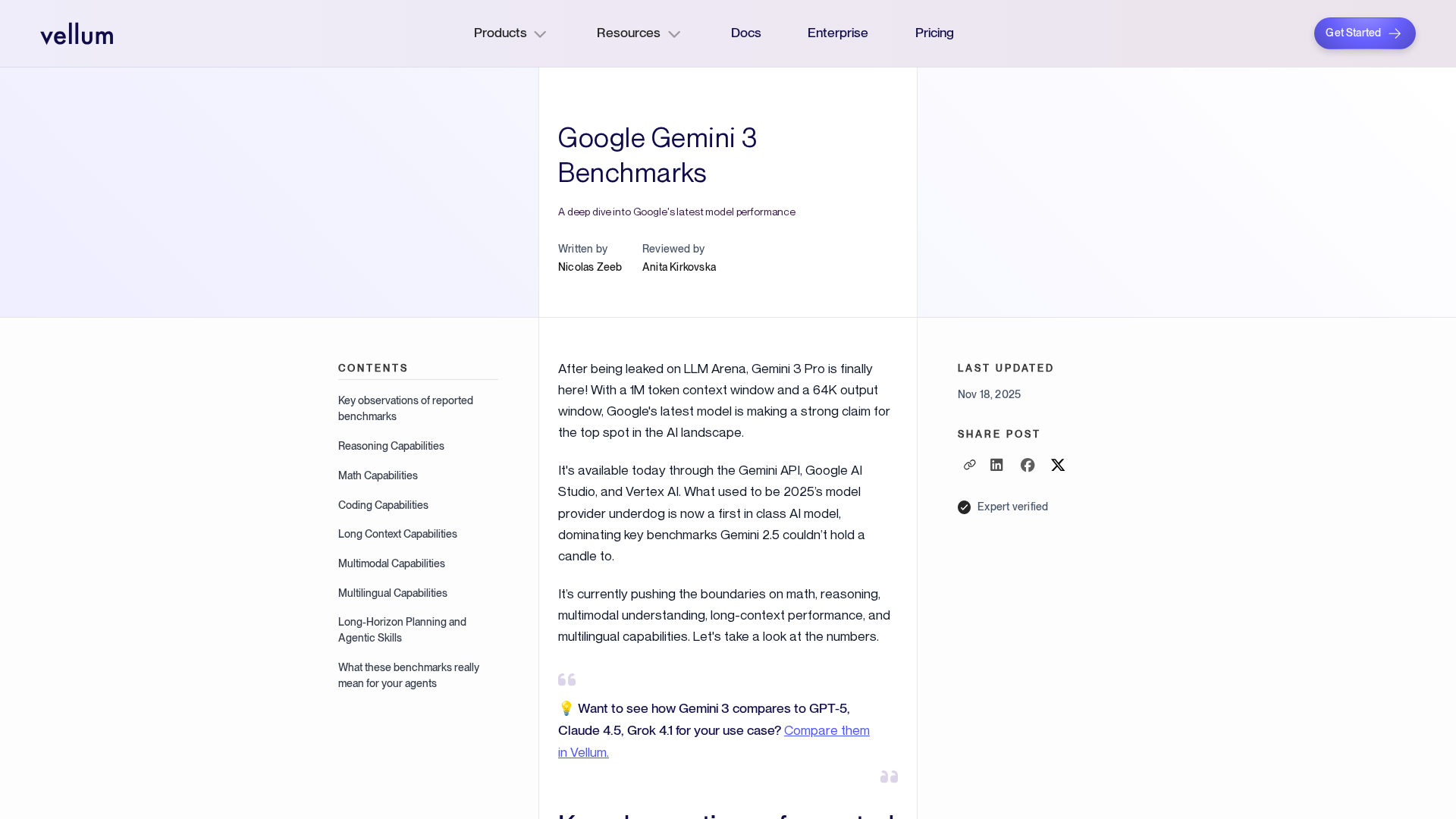
In-depth look at Gemini 3 Pro benchmarks across reasoning, math, multimodal, and agentic capabilities with implications for building AI agents.