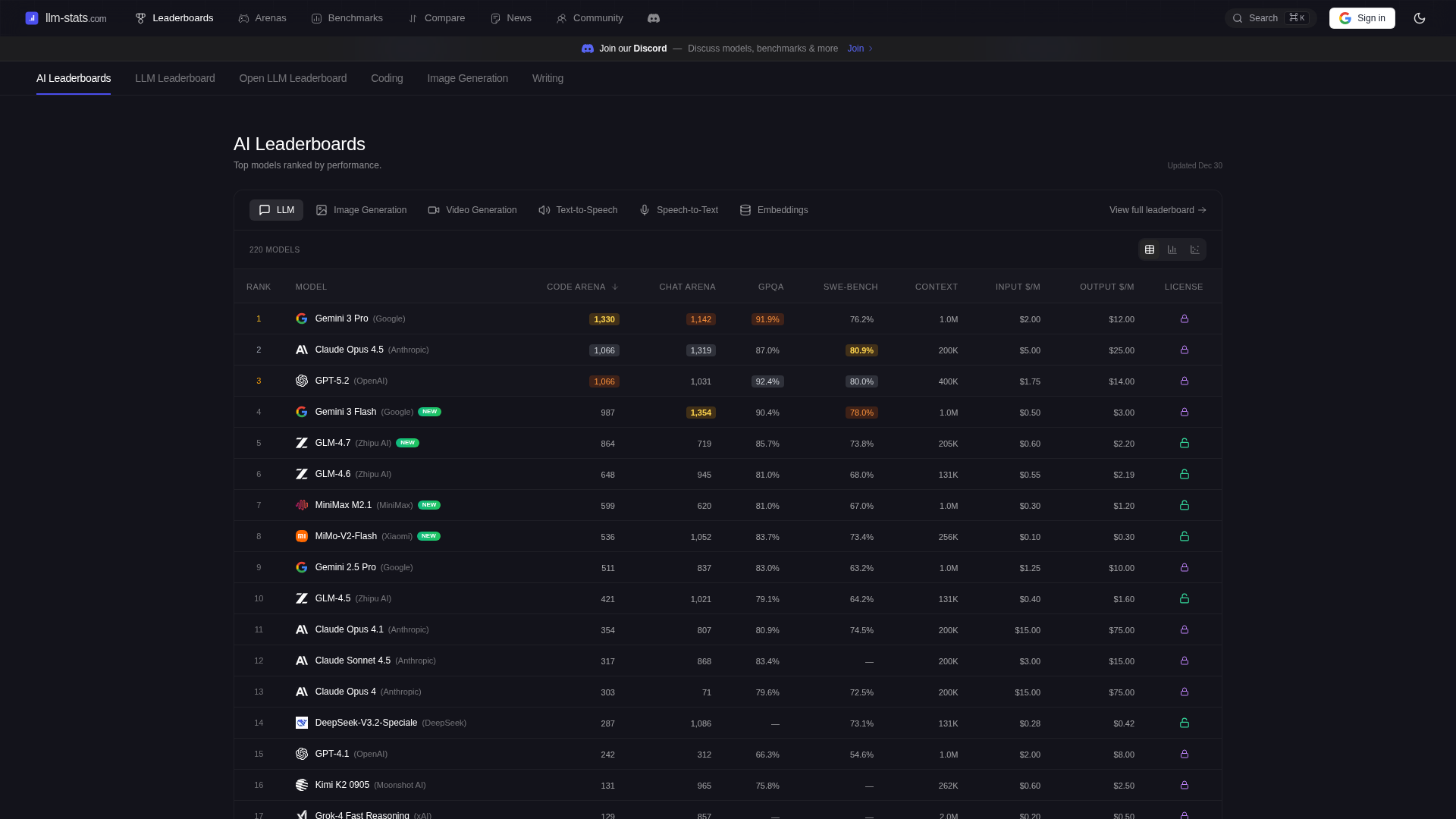
Topic Overview
This topic examines the current landscape of large language models and AI coding assistants optimized for multi-language programming and automated code generation. It covers high-capacity proprietary LLMs (e.g., MiniMax M2.1, Claude Opus 4.5) alongside code-specialized and open-source families (Code Llama, Salesforce CodeT5, WizardLM/WizardCoder). Relevance in late 2025 comes from matured model architectures, larger context windows, and richer tool integrations that make LLMs practical for real developer workflows across many languages and stacks. Key tool categories include code-specialized models (Code Llama, CodeT5) for reliable completions, instruction-tuned open families (WizardLM) for custom workflows, and integrated developer products (GitHub Copilot, Replit, Windsurf) that embed AI directly into editors, terminals, and CI/CD. Enterprise and governance-focused options (Tabnine, self-hosting of open models) address privacy, compliance, and latency needs. Platforms like Warp, Cline, and GPTConsole enable agentic or multi-step automation by chaining tools, running tests, and managing state for more autonomous development tasks. Practical trade-offs to consider are accuracy on polyglot codebases, prompt/context management, hallucination and correctness, latency/cost, and deployment model (cloud API vs self-hosted). Trends to watch include retrieval-augmented generation for up-to-date code, execution-feedback loops (test-driven synthesis), multi-model stacks that combine a fast completion model with a stronger reasoning model, and tighter IDE/agent integrations that preserve developer flow. This comparison helps teams choose between off-the-shelf assistants, open code models for customization, and platform solutions that prioritize collaboration, security, or agentic automation.
Tool Rankings – Top 6
Code-specialized Llama family from Meta optimized for code generation, completion, and code-aware natural-language tasks

An AI pair programmer that gives code completions, chat help, and autonomous agent workflows across editors, theterminal

AI-native IDE and agentic coding platform (Windsurf Editor) with Cascade agents, live previews, and multi-model support.
Official research release of CodeT5 and CodeT5+ (open encoder–decoder code LLMs) for code understanding and generation.
Open-source family of instruction-following LLMs (WizardLM/WizardCoder/WizardMath) built with Evol-Instruct, focused on

AI-powered online IDE and platform to build, host, and ship apps quickly.
Latest Articles (51)
Adobe nears a $19 billion deal to acquire Semrush, expanding its marketing software capabilities, according to WSJ reports.
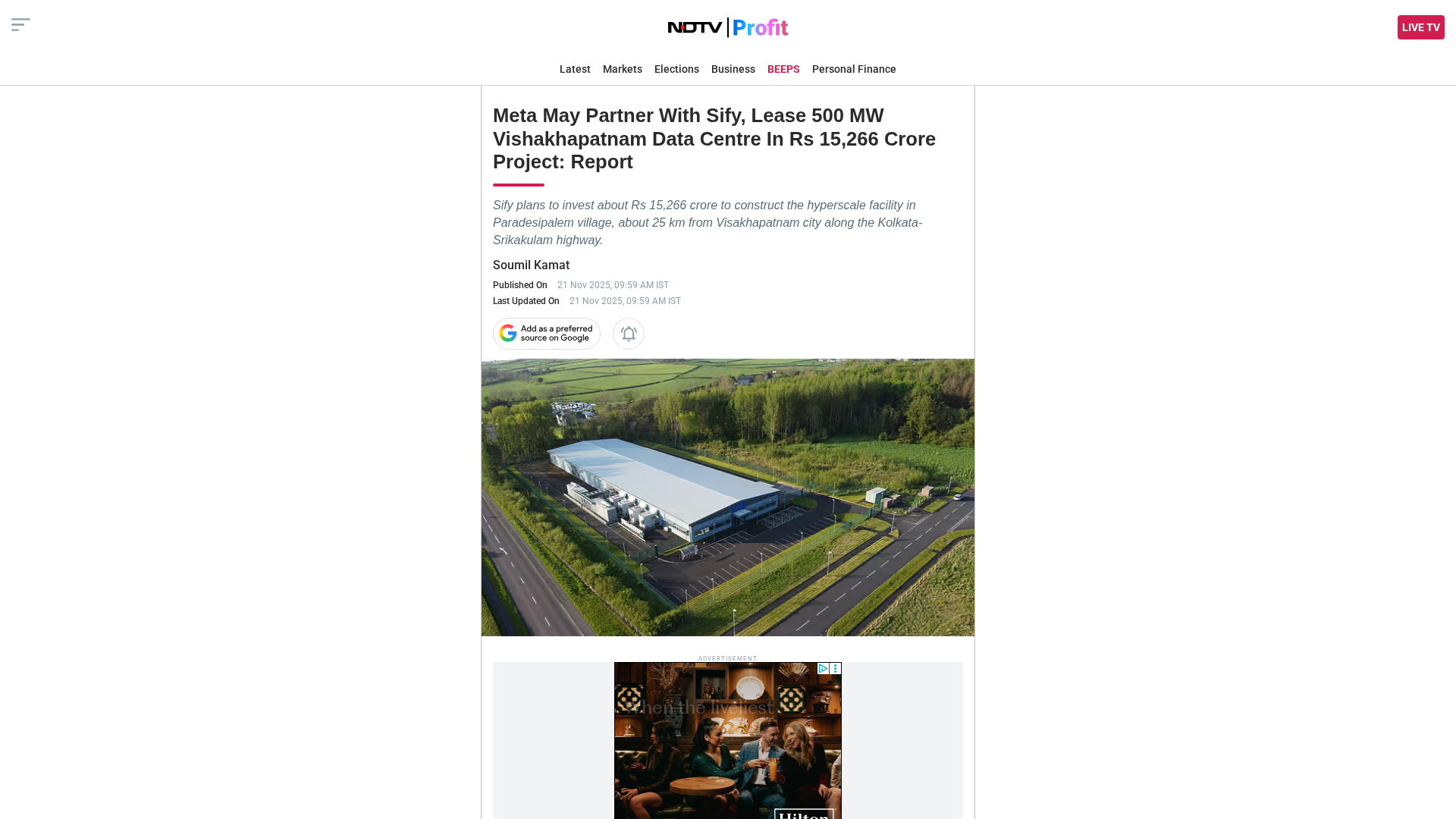
Meta may partner with Sify to lease a 500 MW Vishakhapatnam data center in a Rs 15,266 crore project linked to the Waterworth subsea cable.
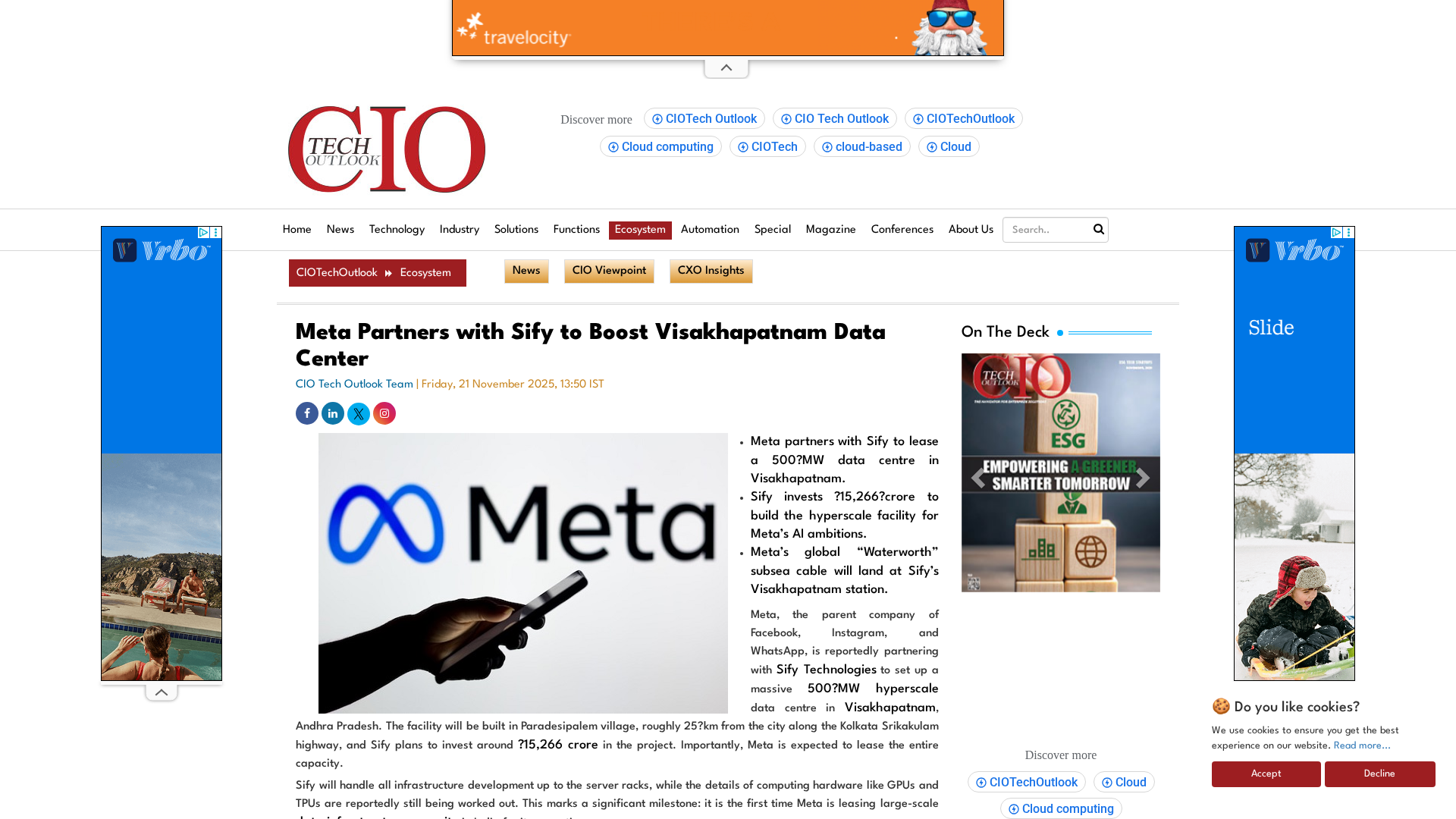
Meta and Sify plan a 500 MW hyperscale data center in Visakhapatnam with the Waterworth subsea cable landing.
Adobe’s Semrush acquisition signals a major AI-driven shift and potential consolidation in SEO tools.
Dell unveils 20+ advancements to its AI Factory at SC25, boosting automation, GPU-dense hardware, storage and services for faster, safer enterprise AI.