
Topic Overview
Unified AI access layers (sometimes called “gates” or mediation layers, e.g., Gate For AI) standardize how agentic AI systems interact with financial rails and crypto networks. They provide a single interface for identity and credentialing, transaction orchestration, policy enforcement, risk controls, and audit logging—bridging enterprise systems, payment platforms, and decentralized infrastructure. This topic sits at the intersection of AI tool marketplaces, decentralized AI infrastructure, AI security governance, and regulatory compliance tooling. Relevance in 2026 stems from three converging trends: broad deployment of agentic AI that can act on behalf of users, the emergence of payments-for-agents (Visa Intelligent Commerce introduced agent purchasing capabilities in 2025), and intensifying regulatory scrutiny around programmable value transfers (KYC/AML, consent, and auditability). Organizations now need interoperable layers that let large LLMs and assistants (Claude, Google Gemini), enterprise agent platforms (IBM watsonx Assistant, Microsoft 365 Copilot), and infrastructure vendors (Xilos’ visibility and agent telemetry) transact or access crypto services without exposing internal systems or violating compliance obligations. Key tool roles: Visa Intelligent Commerce enables agent-driven payments and discovery; Xilos offers visibility and service-level control for agentic activity; IBM watsonx Assistant and Microsoft 365 Copilot provide enterprise agent orchestration and workflow integration; Claude and Gemini supply the underlying conversational and decisioning models. A unified access layer mediates these components—enforcing security policies, translating between centralized and decentralized protocols, tokenizing credentials, and producing immutable audit trails. For buyers and architects, the practical questions are interoperability, provenance and audit, latency and UX for real-world transactions, and how governance controls map to evolving regulatory requirements. The topic highlights how technical mediation and policy tooling are becoming essential infrastructure for safe AI-enabled finance and crypto interactions.
Tool Rankings – Top 6
Enabling AI agents to buy securely and seamlessly
Intelligent Agentic AI Infrastructure

Enterprise virtual agents and AI assistants built with watsonx LLMs for no-code and developer-driven automation.
AI assistant integrated across Microsoft 365 apps to boost productivity, creativity, and data insights.
Anthropic's Claude family: conversational and developer AI assistants for research, writing, code, and analysis.

Google’s multimodal family of generative AI models and APIs for developers and enterprises.
Latest Articles (68)
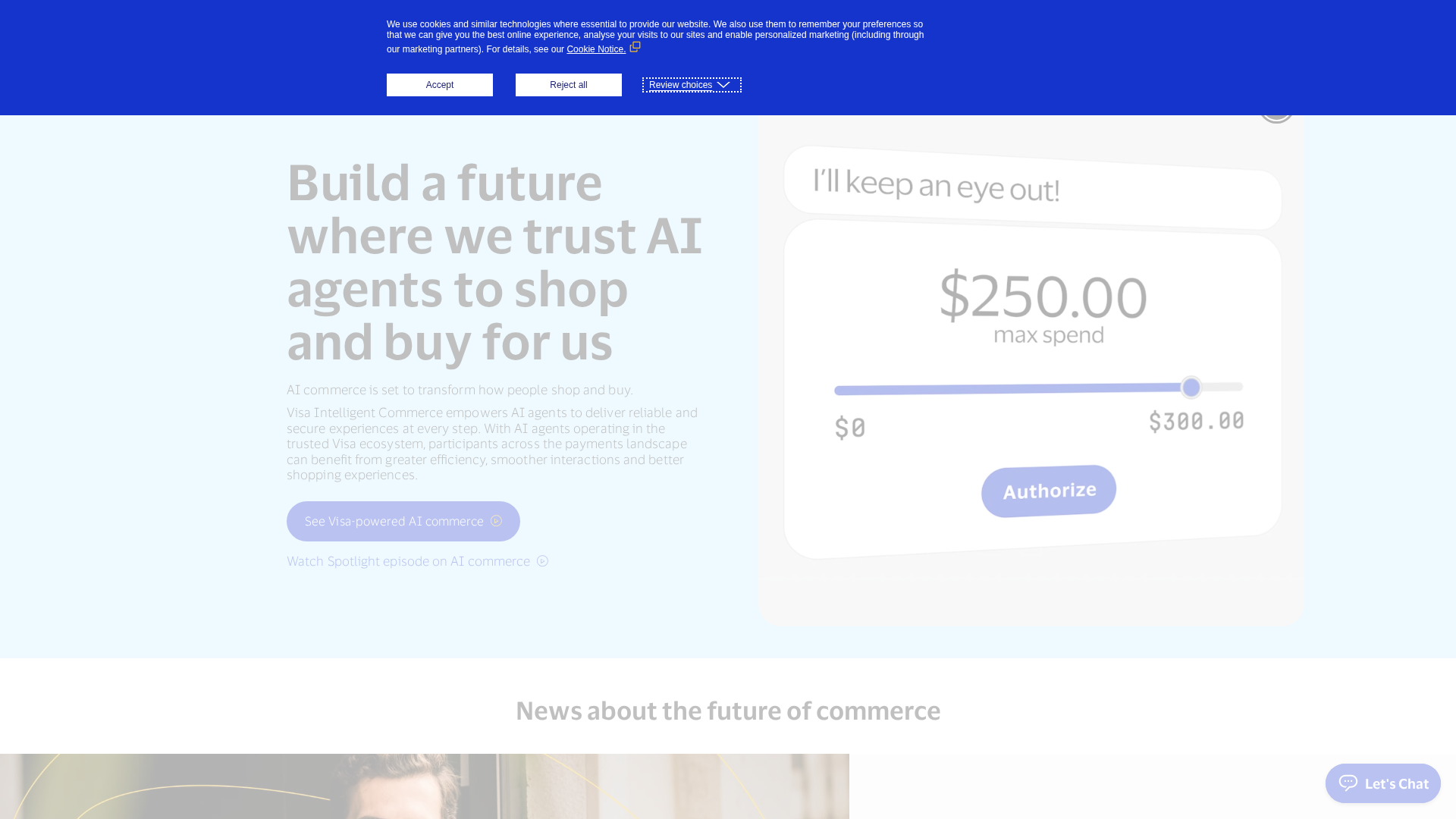
Visa Intelligent Commerce enables trusted, AI-powered agents to deliver secure, seamless, and personalized shopping at scale.
A vendor‑agnostic guide to the 14 best AI governance platforms in 2025, with criteria, comparisons, and practical buying guidance.
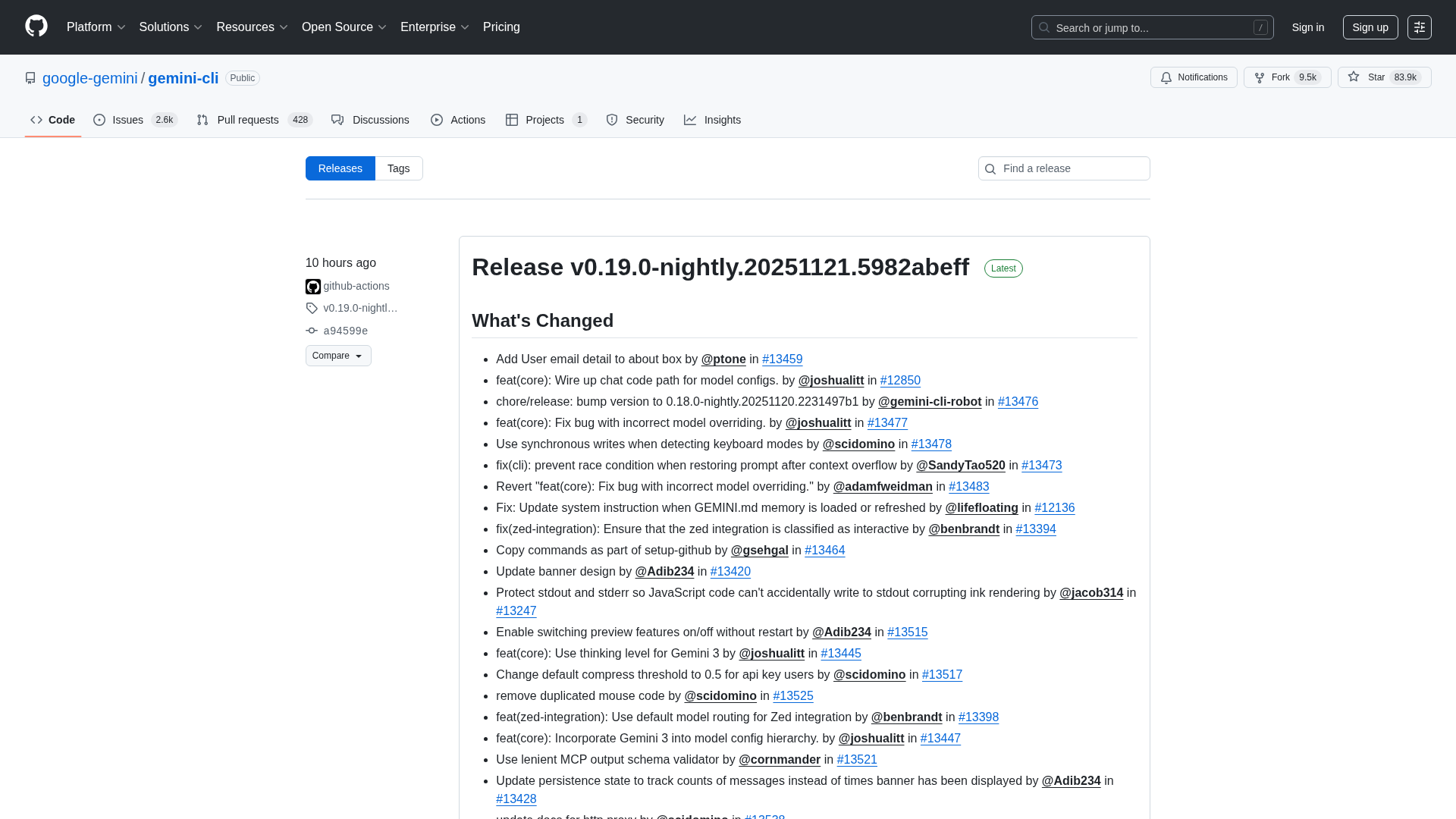
Overview of the Gemini CLI v0.36.0-preview release series, highlighting architectural, CLI, and UI changelogs across multiple pre-release versions.
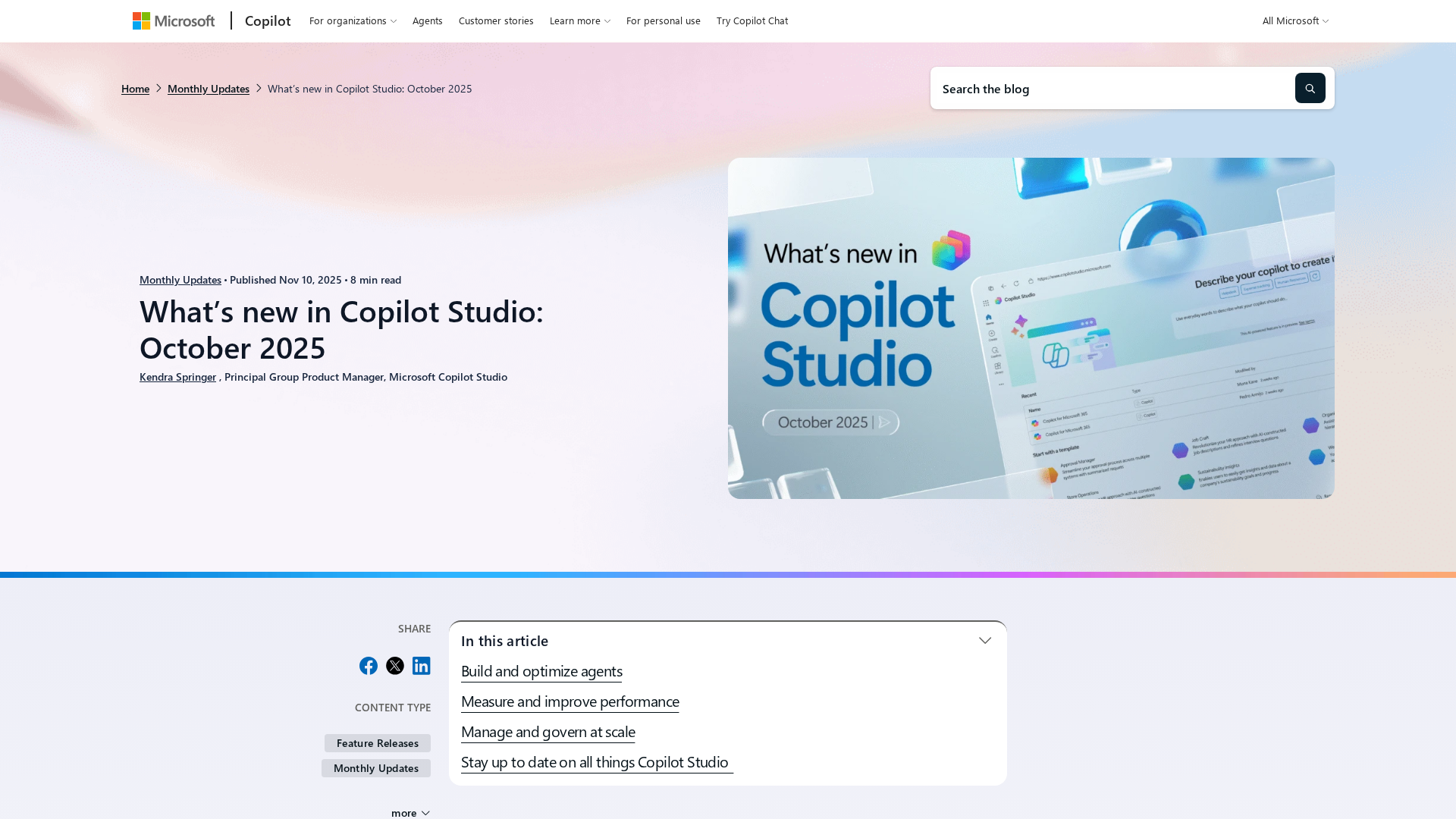
A comprehensive October 2025 roundup of Copilot Studio’s new testing, model, and governance features.
OpenAI’s bypass moment underscores the need for governance that survives inevitable user bypass and hardens system controls.