Topic Overview
This topic covers universal AI frameworks and SDKs designed to enable consistent deployment of models and agent workflows across devices—from cloud and edge servers to mobile and embedded hardware. In 2026 the push for on‑device inference, lower latency, privacy-preserving processing, and heterogeneous hardware support has made cross‑platform SDKs central to production AI. Frameworks such as QVAC and HOPPR aim to provide abstraction layers that let developers target CPUs, GPUs and dedicated NPUs with a single integration, while NVIDIA’s mature SDK ecosystem (TensorRT, DeepStream, JetPack and related runtimes) focuses on high‑performance inference and vision pipelines for edge and embedded systems. Key complementary pieces in this landscape include agent frameworks and developer assistants (Adept, StackAI, GitHub Copilot, Amazon CodeWhisperer, Tabnine, JetBrains AI Assistant) that accelerate building orchestration and application logic; multimodal model providers and APIs (Google Gemini, Anthropic’s Claude) that supply the generative and reasoning backends; and AI data platforms that handle labeling, governance and continuous retraining. Edge AI vision platforms specialize in camera‑to‑insight pipelines—optimizing preprocessing, model pruning, and real‑time analytics for constrained devices. Taken together, these tool classes address the full stack: model sources and LLMs, developer productivity and agent orchestration, data and governance, and optimized device runtimes. For teams deploying production systems, the critical tradeoffs are performance vs. portability, privacy vs. cloud capability, and the operational tooling needed to monitor and update models across heterogeneous fleets. Understanding universal frameworks and SDKs helps teams standardize deployments, reduce fragmentation, and adapt to increasingly diverse inference targets.
Tool Rankings – Top 6

An AI pair programmer that gives code completions, chat help, and autonomous agent workflows across editors, theterminal

Google’s multimodal family of generative AI models and APIs for developers and enterprises.
Anthropic's Claude family: conversational and developer AI assistants for research, writing, code, and analysis.
Agentic AI (ACT-1) that observes and acts inside software interfaces to automate multistep workflows for enterprises.

AI-driven coding assistant (now integrated with/rolling into Amazon Q Developer) that provides inline code suggestions,

Enterprise-focused AI coding assistant emphasizing private/self-hosted deployments, governance, and context-aware code.
Latest Articles (69)
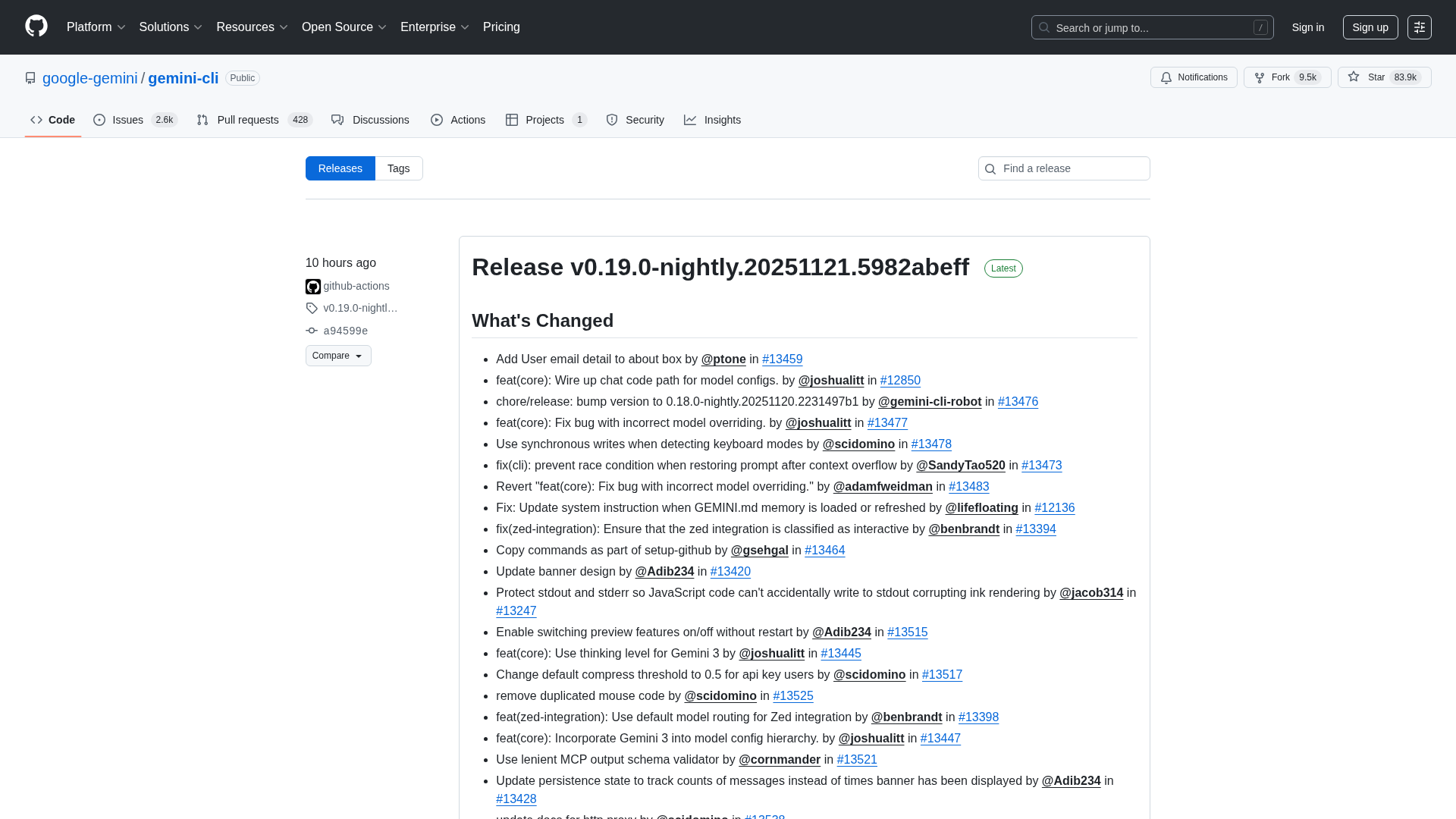
Overview of the Gemini CLI v0.36.0-preview release series, highlighting architectural, CLI, and UI changelogs across multiple pre-release versions.
A practical, step-by-step guide to fine-tuning large language models with open-source NLP tools.

Humain teams with XAI to develop next-generation AI compute power, aiming to accelerate AI workloads.
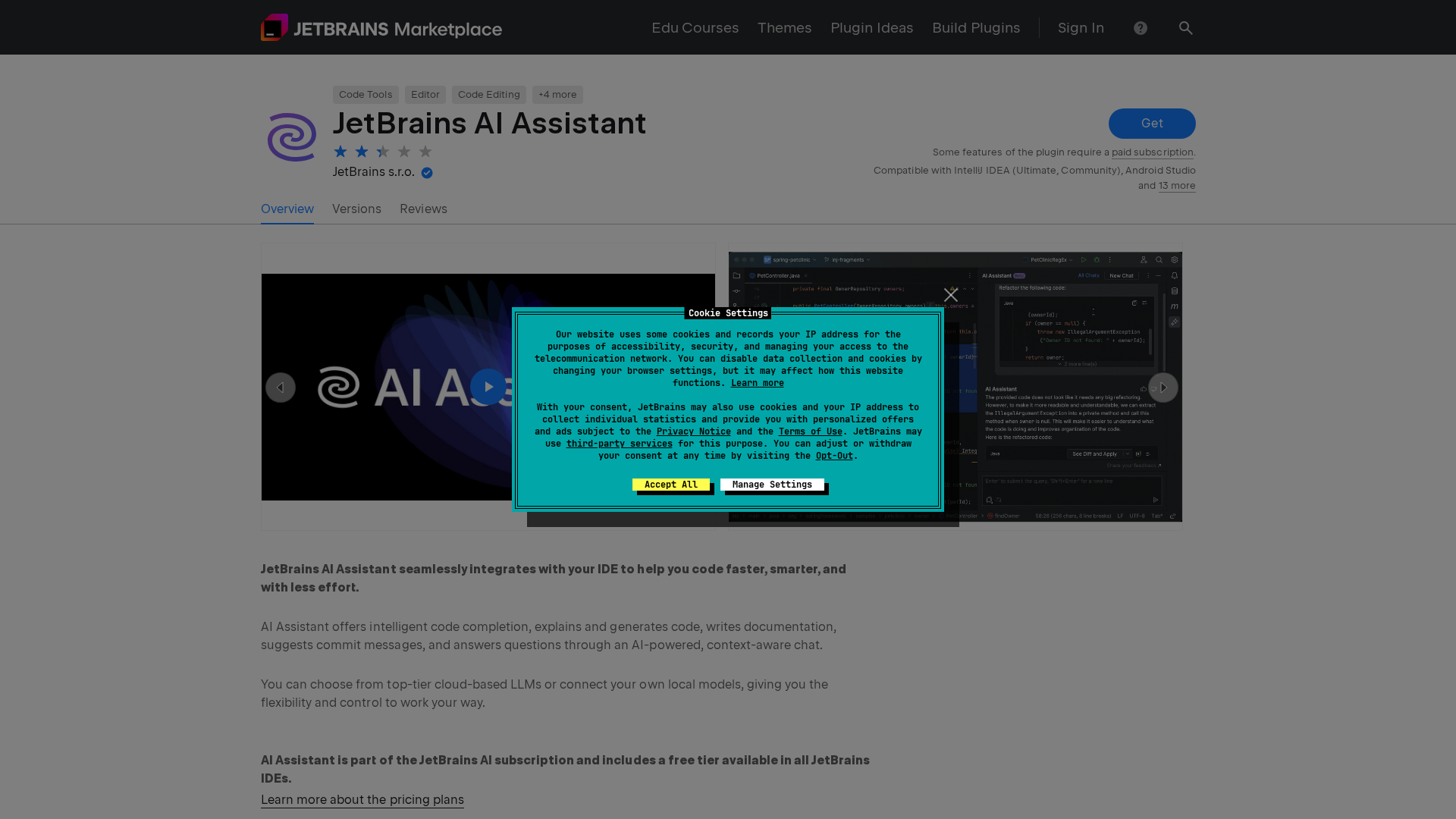
AI-powered coding assistant integrated into IntelliJ IDEs to generate code, explain concepts, and streamline development.
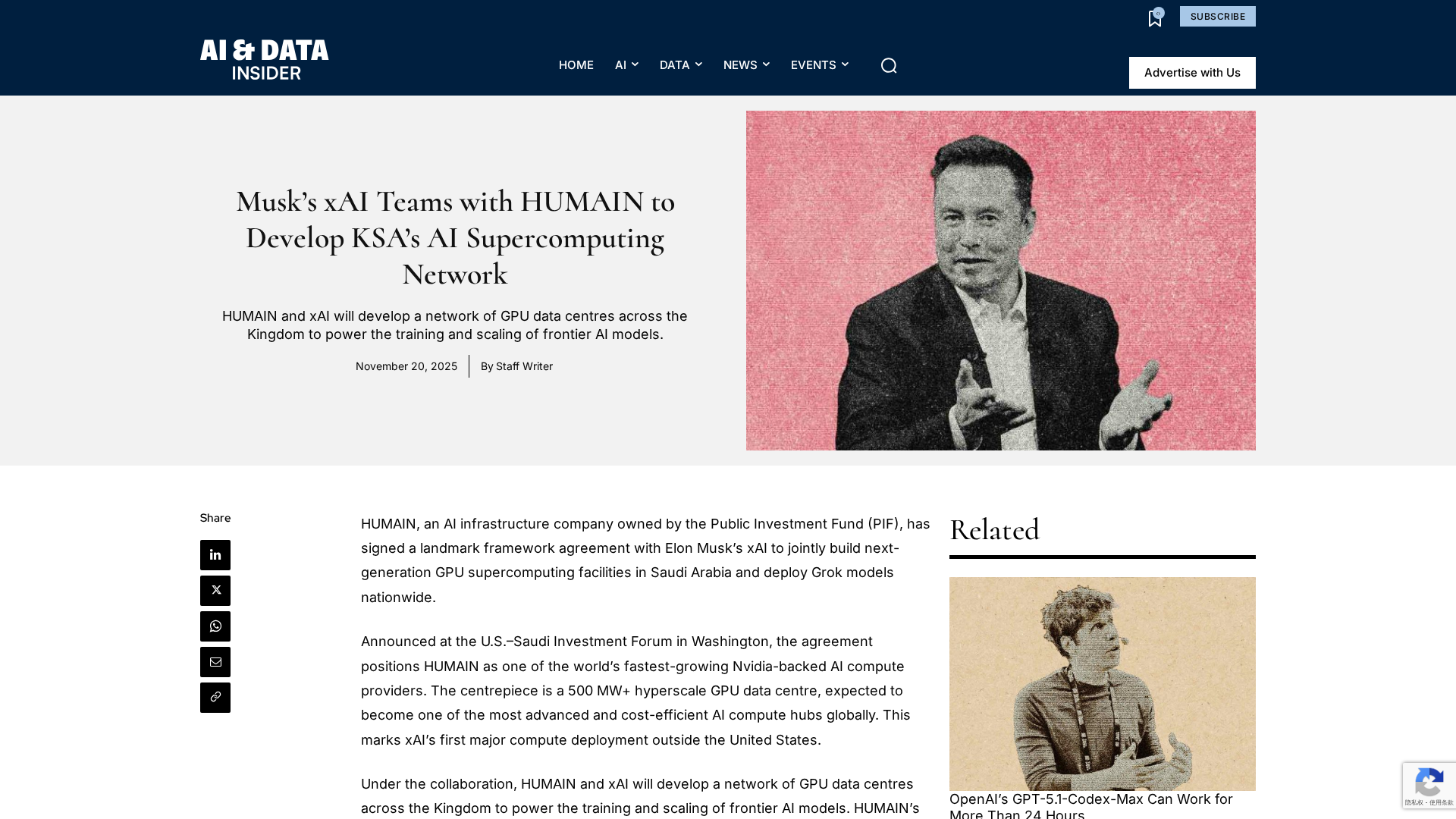
xAI partners with HUMAIN to deploy a nationwide 500+ MW GPU AI supercomputing network in Saudi Arabia.