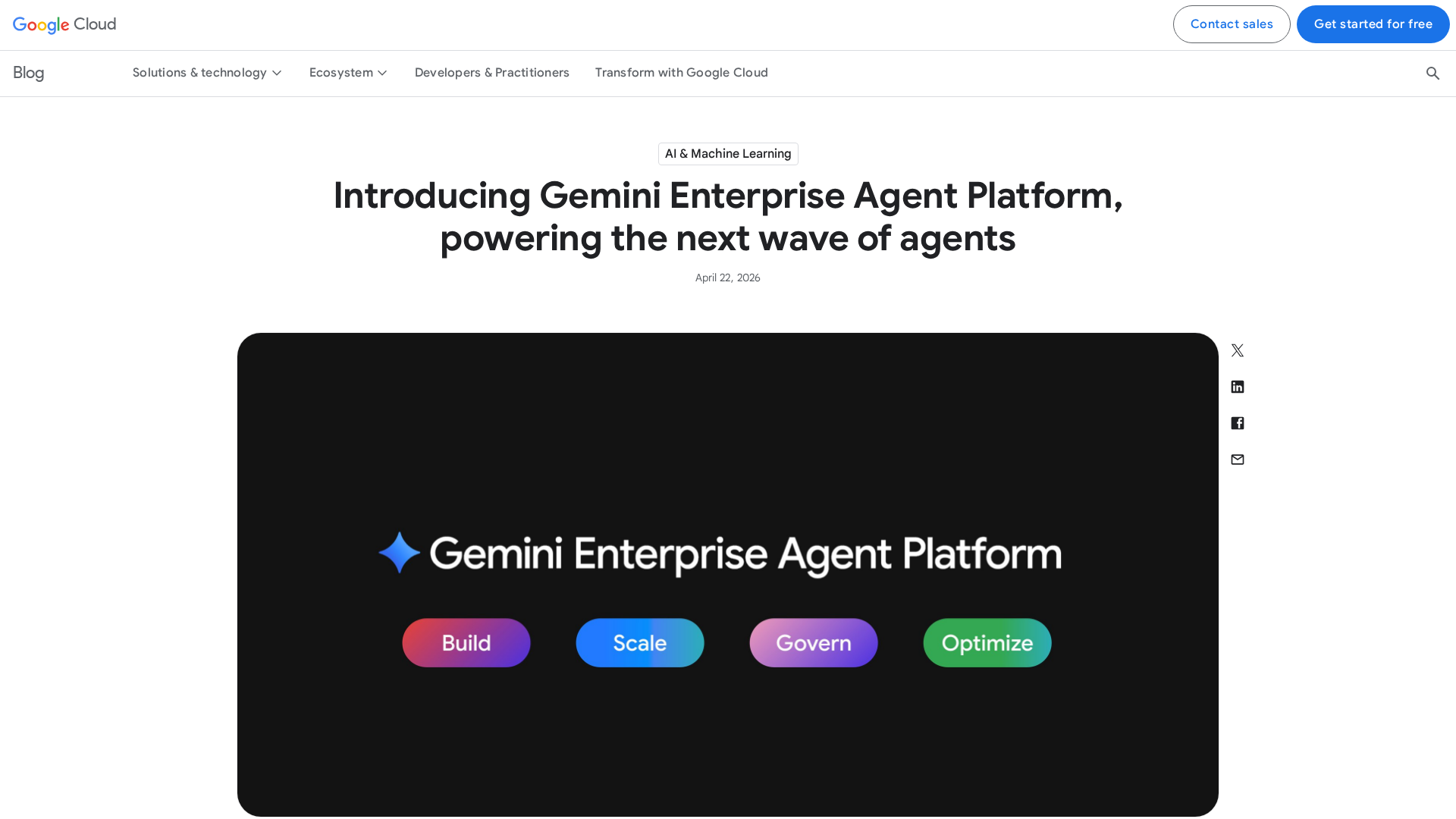
Topic Overview
This topic covers developer platforms and marketplaces that combine very large context windows with structured, enterprise‑grade reasoning and orchestration. “Massive context” refers to LLMs and multimodal models that can ingest and maintain tens to hundreds of thousands of tokens (documents, code, logs, and UI state) to support sustained reasoning; “deep‑enterprise reasoning” refers to retrieval‑augmented workflows, multi‑agent pipelines, and domain‑aware logic used across regulated business processes. Why it matters now: organizations are moving beyond single‑prompt assistants toward systems that must reason over long histories, large codebases, and cross‑app data while meeting governance, latency, and privacy constraints. That drives demand for integrated platform services (AI Data Platforms), curated model/agent marketplaces, and developer stacks that combine observability, RAG, and policy controls. Key players and roles: Google’s Gemini family (via Google AI APIs, AI Studio, Vertex AI) emphasizes multimodal models and native Google Workspace/GCP integrations for enterprises that need tight app embedding and data residency. Anthropic’s Claude family targets conversational, safety‑focused developer assistants and deep analysis workflows. Microsoft 365 Copilot embeds copilots across Office apps for productivity workflows. IBM watsonx Assistant focuses on no‑code and developer tools for enterprise virtual agents and automation. LangChain provides an SDK and commercial tooling for building, testing, and deploying agentic applications and RAG pipelines. Mistral and Stable Code supply open/efficient and edge‑ready models for privacy and latency-sensitive use cases. Adept brings agentic UI automation; JetBrains offers in‑IDE copilots for code context. Practical tradeoffs include context window costs and latency, governance and observability, on‑prem versus cloud models, and the role of marketplaces for composable agents. The ecosystem is consolidating around interoperable stacks: model providers, agent frameworks, and enterprise governance layers.
Tool Rankings – Top 6

Google’s multimodal family of generative AI models and APIs for developers and enterprises.
Anthropic's Claude family: conversational and developer AI assistants for research, writing, code, and analysis.
AI assistant integrated across Microsoft 365 apps to boost productivity, creativity, and data insights.

Enterprise virtual agents and AI assistants built with watsonx LLMs for no-code and developer-driven automation.

An open-source framework and platform to build, observe, and deploy reliable AI agents.
Enterprise-focused provider of open/efficient models and an AI production platform emphasizing privacy, governance, and
Latest Articles (96)
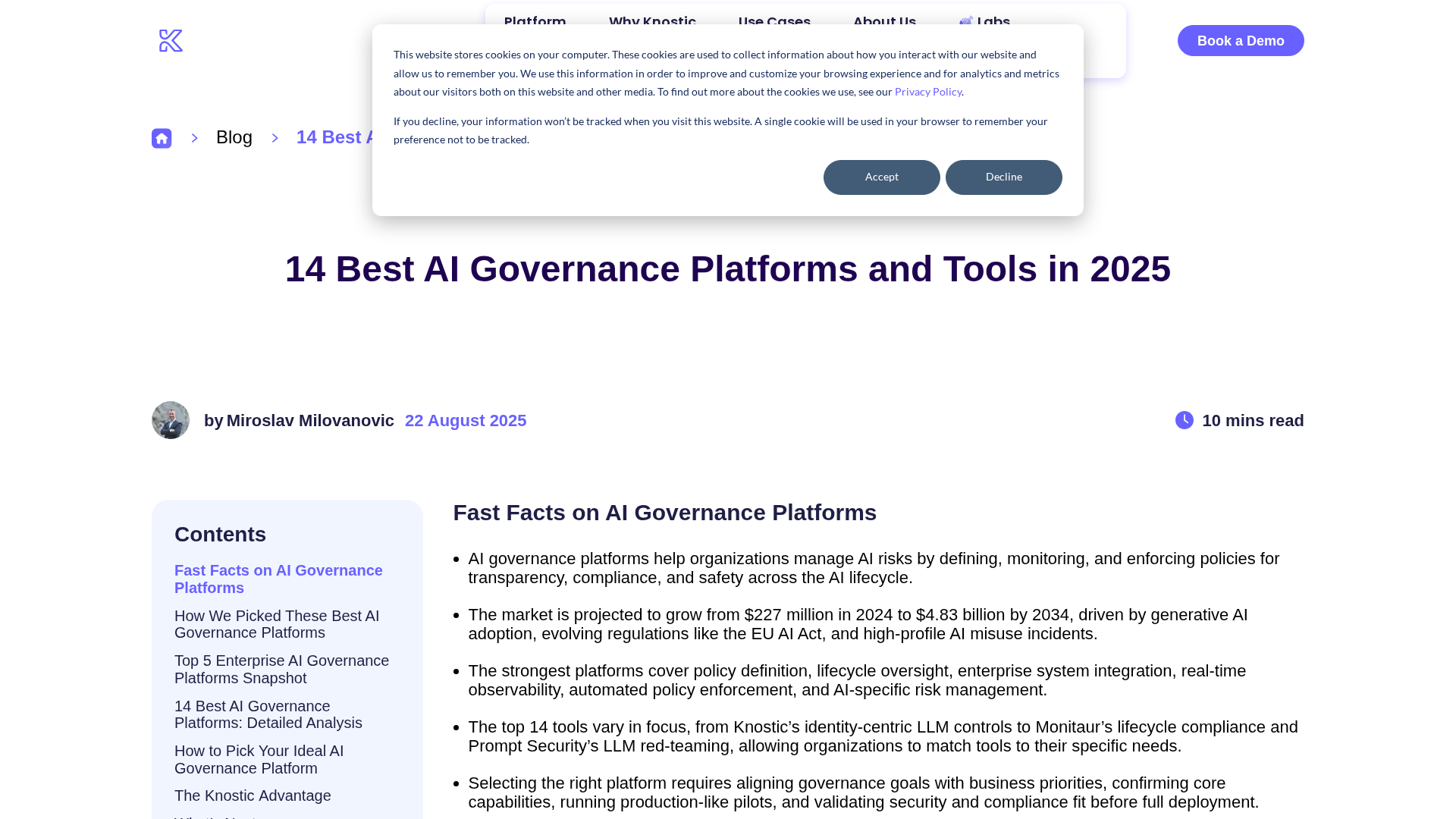
A vendor‑agnostic guide to the 14 best AI governance platforms in 2025, with criteria, comparisons, and practical buying guidance.
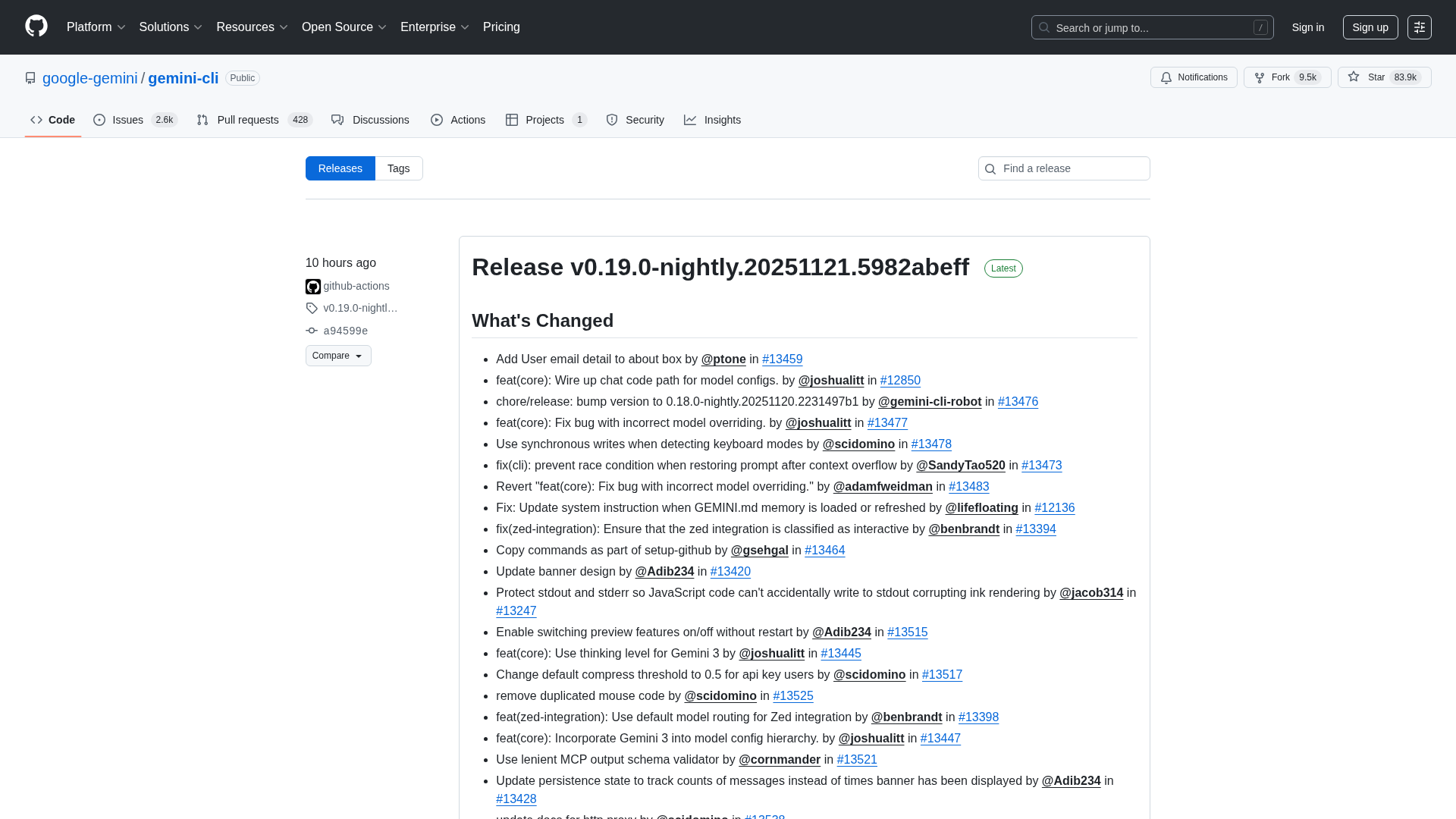
Overview of the Gemini CLI v0.36.0-preview release series, highlighting architectural, CLI, and UI changelogs across multiple pre-release versions.
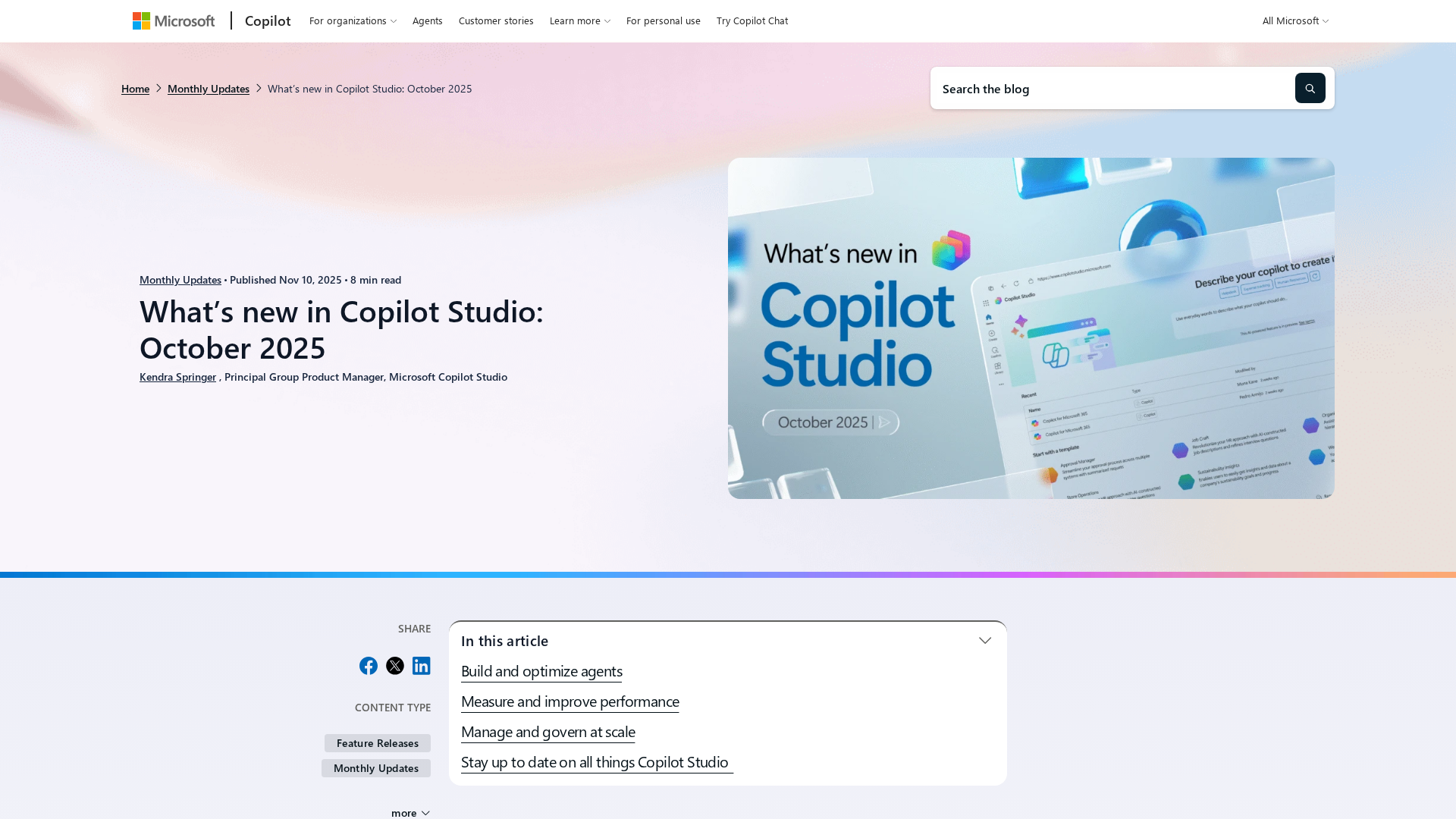
A comprehensive October 2025 roundup of Copilot Studio’s new testing, model, and governance features.
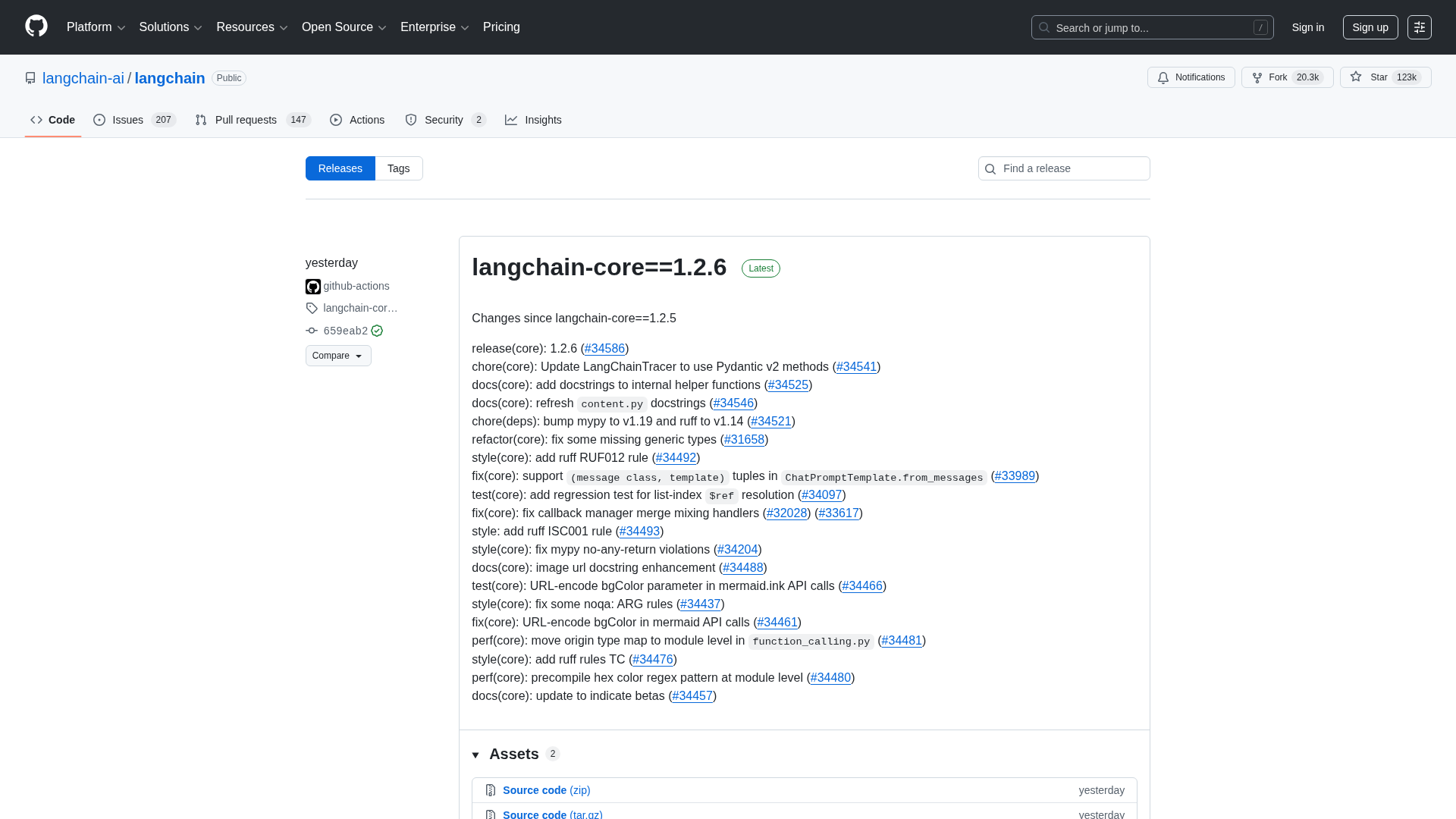
A comprehensive LangChain releases roundup detailing Core 1.2.6 and interconnected updates across XAI, OpenAI, Classic, and tests.
A reproducible bug where LangGraph with Gemini ignores tool results when a PDF is provided, even though the tool call succeeds.