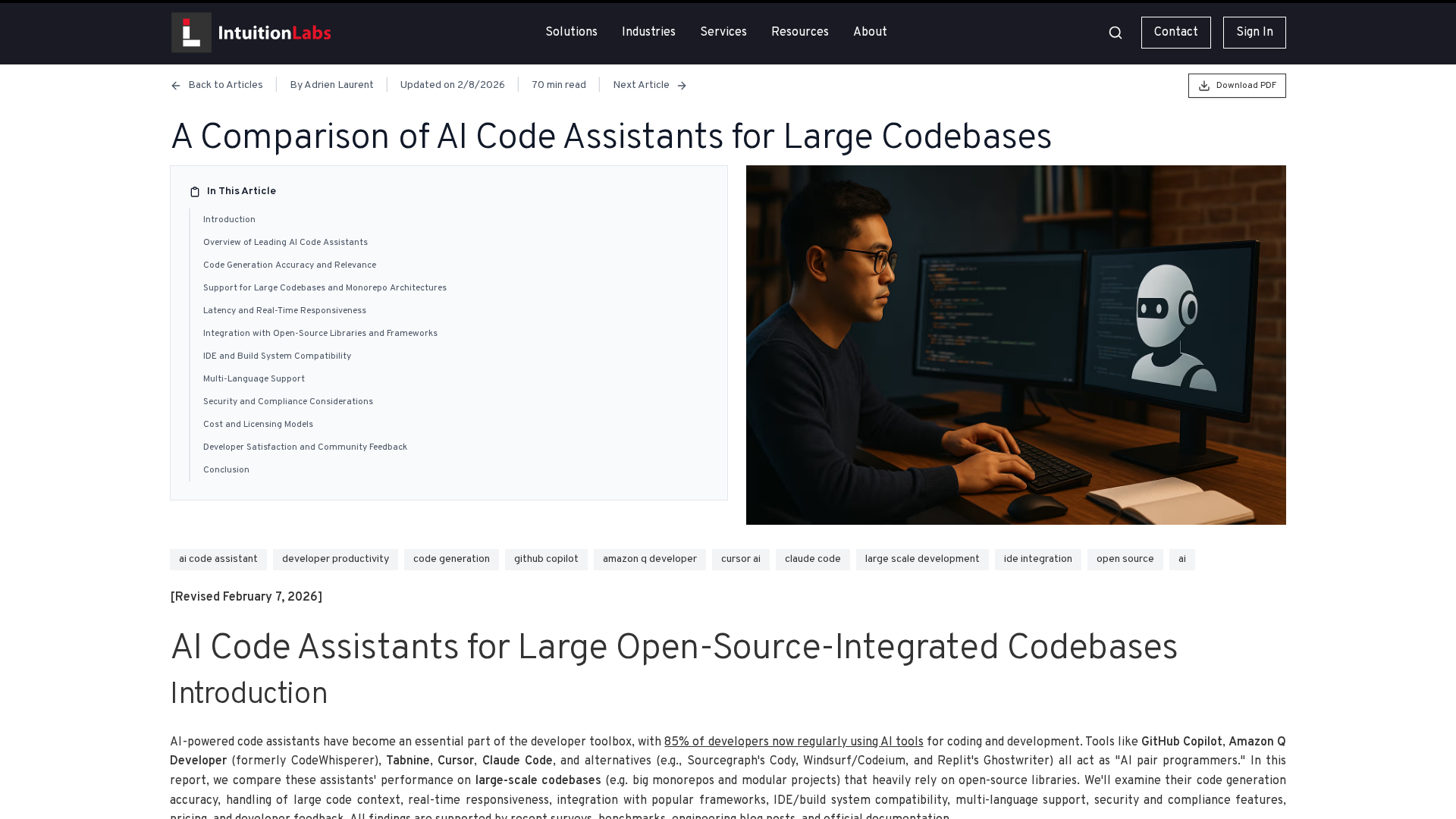
Topic Overview
AI-driven software development platforms cover a spectrum from editor-integrated copilots to full agent frameworks and no-code/low-code deployment stacks. This topic examines how tools that generate, assist, orchestrate, and host code are converging—and where they remain distinct—across categories like AI Code Generation Tools, AI Code Assistants, and AI Tool Marketplaces. Editor-focused copilots such as GitHub Copilot and JetBrains AI Assistant provide inline completions, chat help, and context-aware refactorings inside IDEs and terminals. Web-native environments like Replit combine an online IDE, instant hosting, and embedded assistants to shorten the path from prototype to running app. Frameworks and SDKs—exemplified by LangChain and GPTConsole—target developers building production-grade agents and pipelines, offering model interfaces, lifecycle primitives, memory, and monetization hooks. No-code/low-code and enterprise platforms (MindStudio, StackAI, Tate-A-Tate, IBM watsonx Assistant) aim to democratize agent design, governance, and multi-agent orchestration for non‑developers and business teams. Infrastructure and model-ops providers such as Together AI and Adept bring GPU acceleration, fine-tuning, and agentic capabilities that can operate inside software interfaces. As of 2026, the practical tradeoffs are clearer: integrated copilots speed individual productivity; agent frameworks enable complex, multi-step automation; and platform stacks address deployment, observability, and governance needs. Key considerations for teams include model governance, cost of inference and fine-tuning, reliability and testability of generated code, and security/data controls. Understanding these tool categories and their complementary roles helps engineering leaders choose a mix of IDE assistants, agent frameworks, and hosting/inference platforms that match their product, compliance, and operational requirements.
Tool Rankings – Top 6

AI-powered online IDE and platform to build, host, and ship apps quickly.
An AI pair programmer that gives code completions, chat help, and autonomous agent workflows across editors, theterminal

No-code/low-code visual platform to design, test, deploy, and operate AI agents rapidly, with enterprise controls and a

An open-source framework and platform to build, observe, and deploy reliable AI agents.
Agentic AI (ACT-1) that observes and acts inside software interfaces to automate multistep workflows for enterprises.

Developer-focused platform (SDK, API, CLI, web) to create, share and monetize production-ready AI agents.
Latest Articles (88)
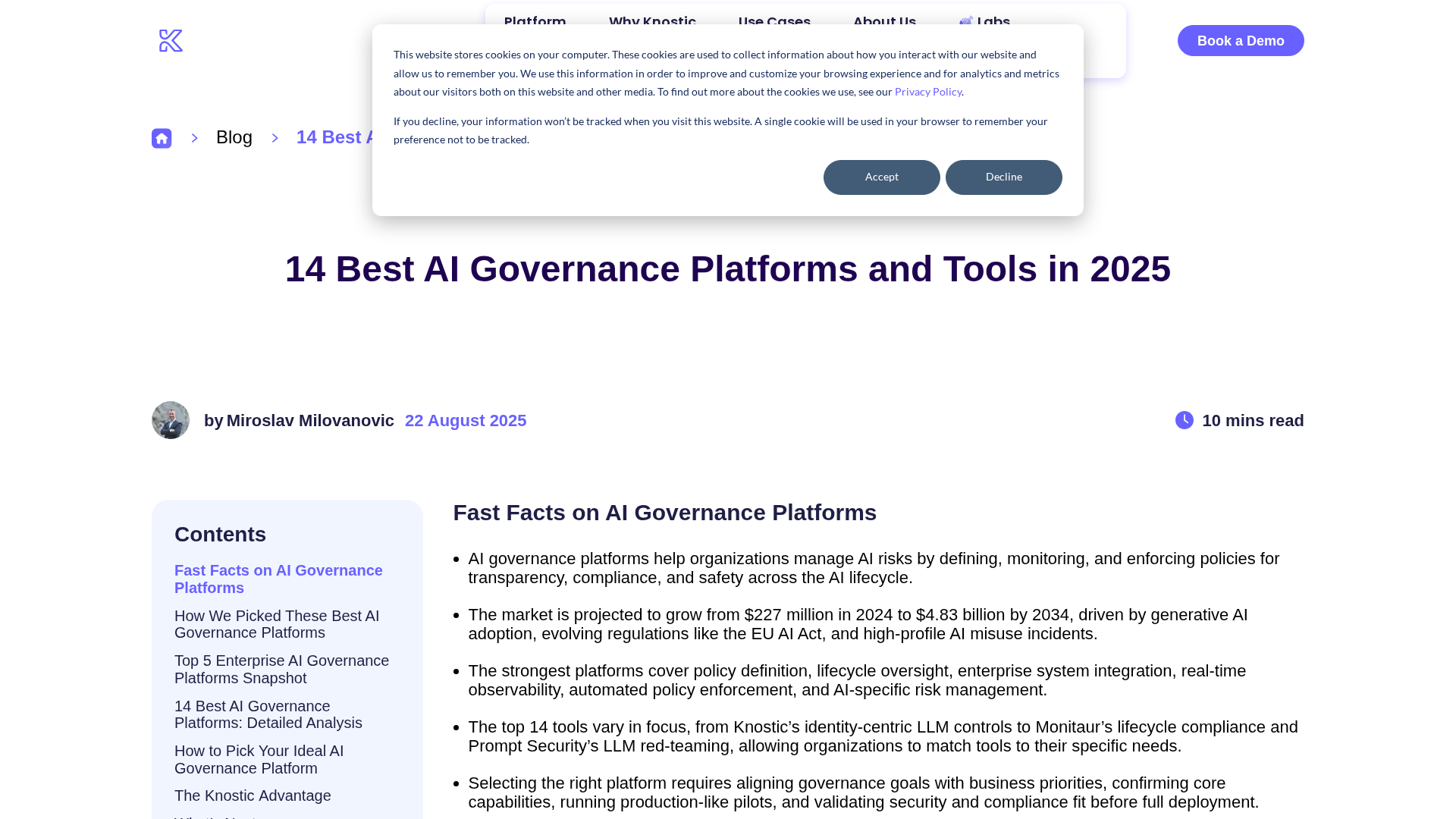
A vendor‑agnostic guide to the 14 best AI governance platforms in 2025, with criteria, comparisons, and practical buying guidance.
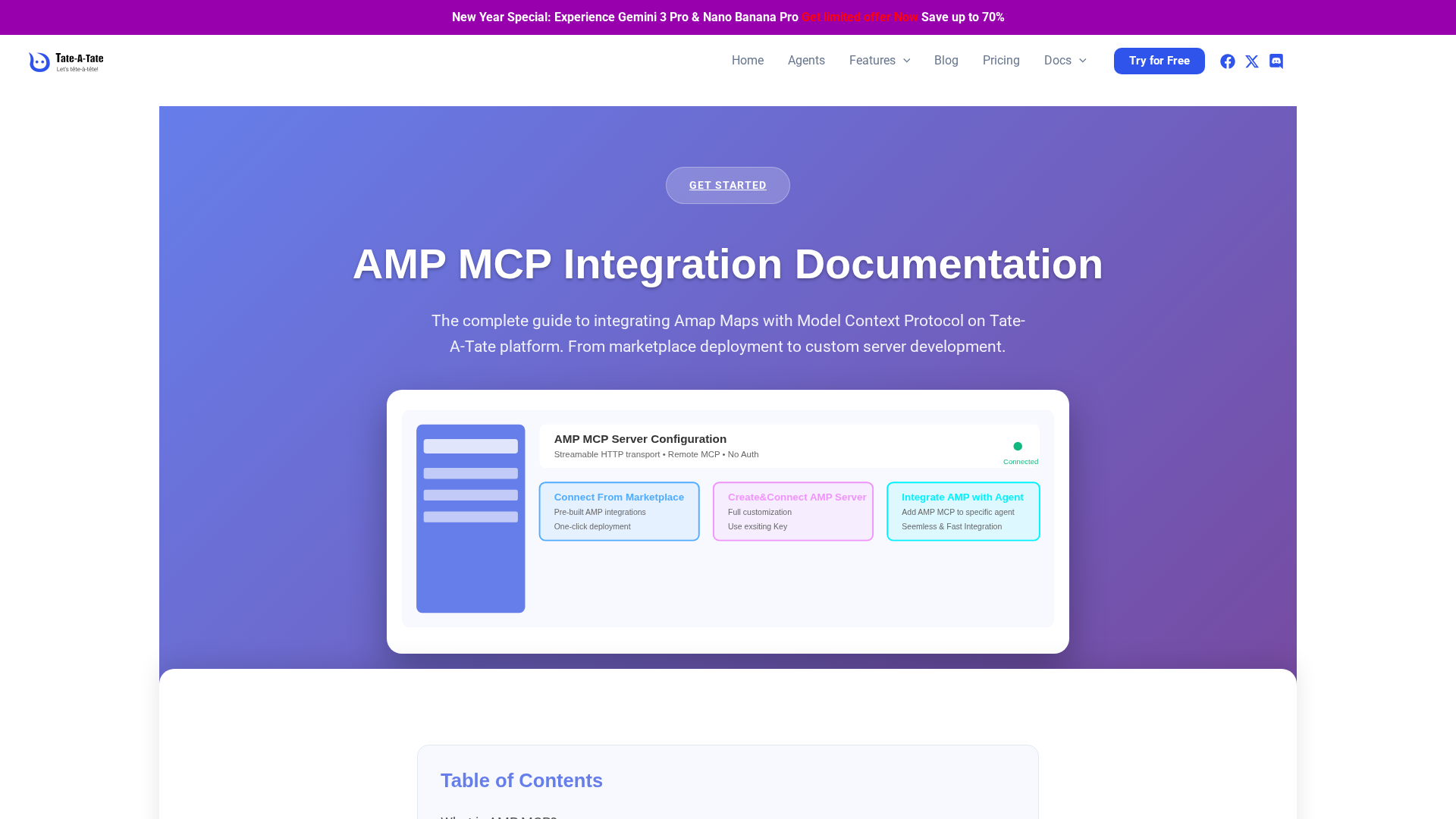
A practical, dual-path guide to integrating AMP MCP with Tate-A-Tate, via marketplace deployment or custom servers.
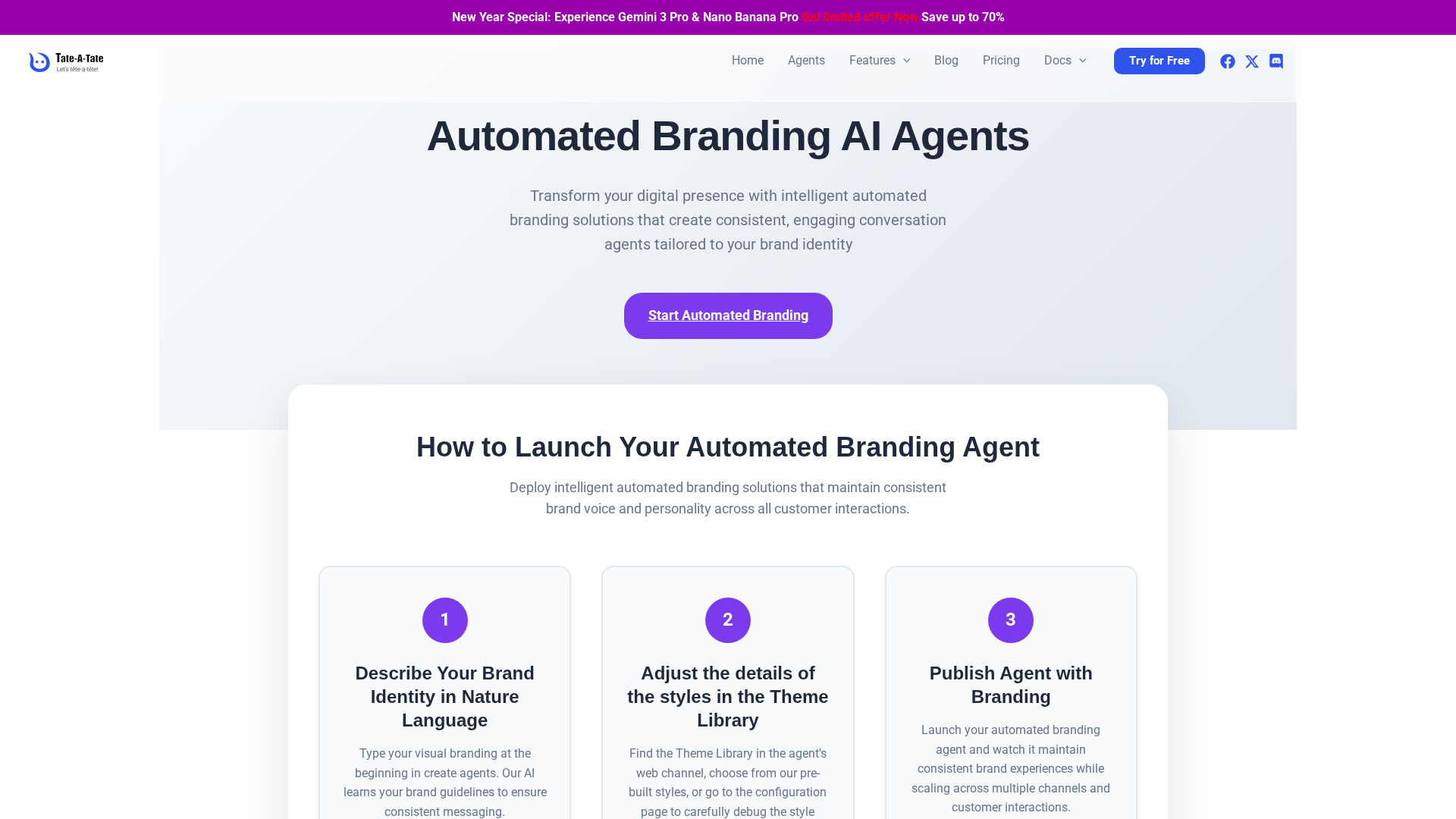
Launch and manage AI-powered branding agents that maintain a consistent brand voice across multiple channels.
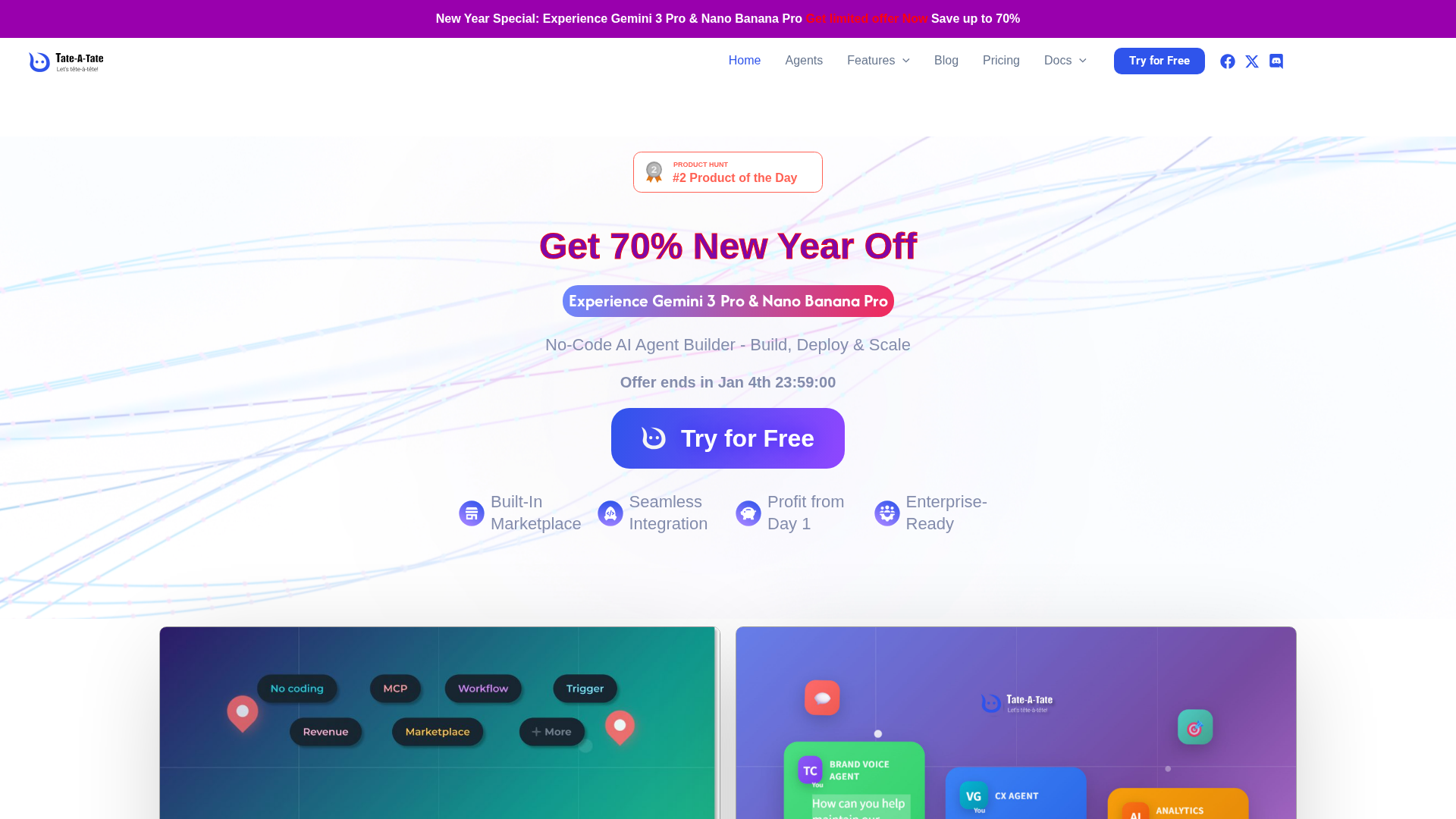
Promotional guide to Tate-A-Tate's no-code AI agent builder with a 70% New Year discount and deployment tutorials.
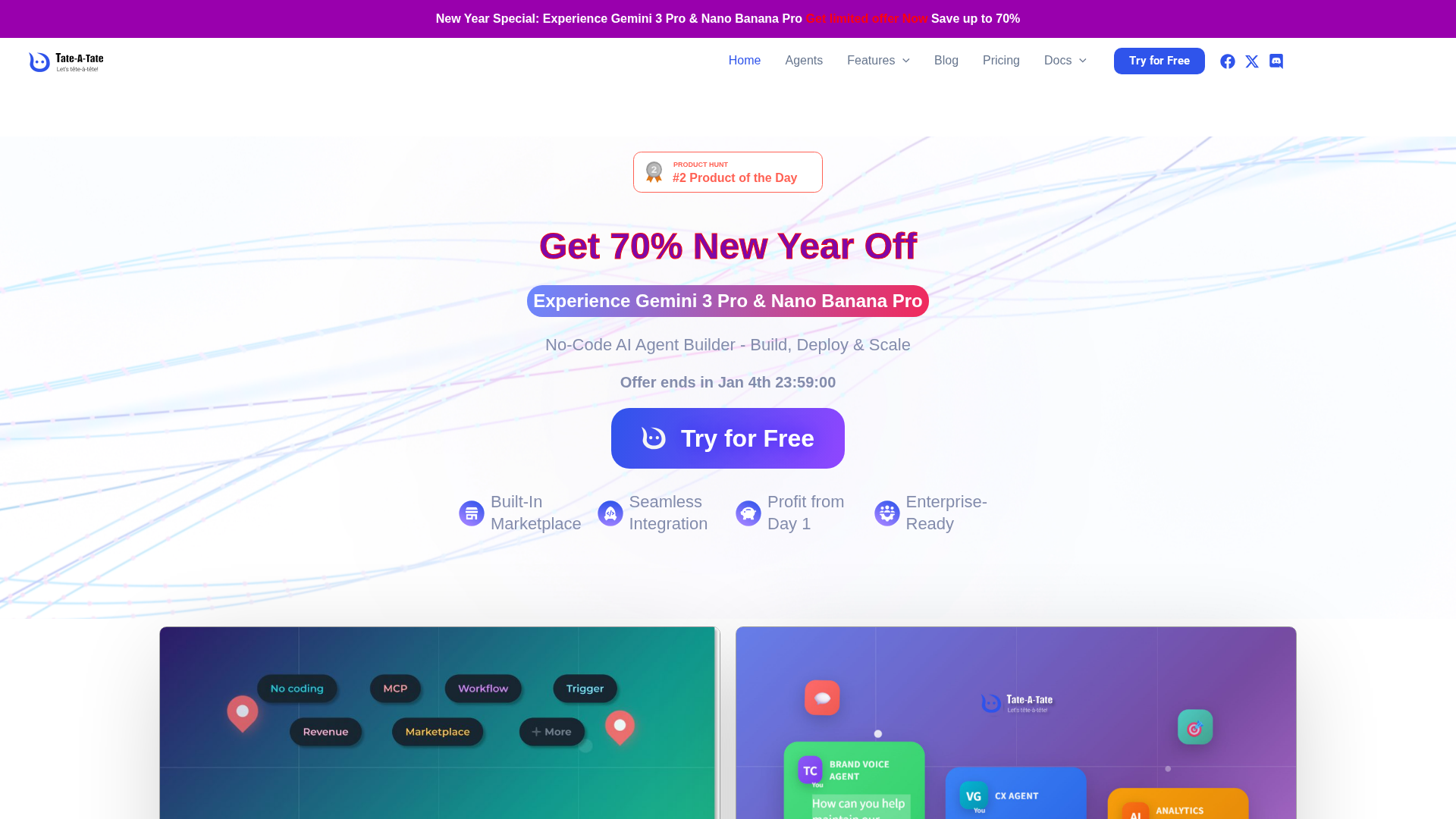
A no-code platform to build, deploy, and monetize AI agents across Web, Discord, Telegram, and API with templates, workflows, and built-in tools.