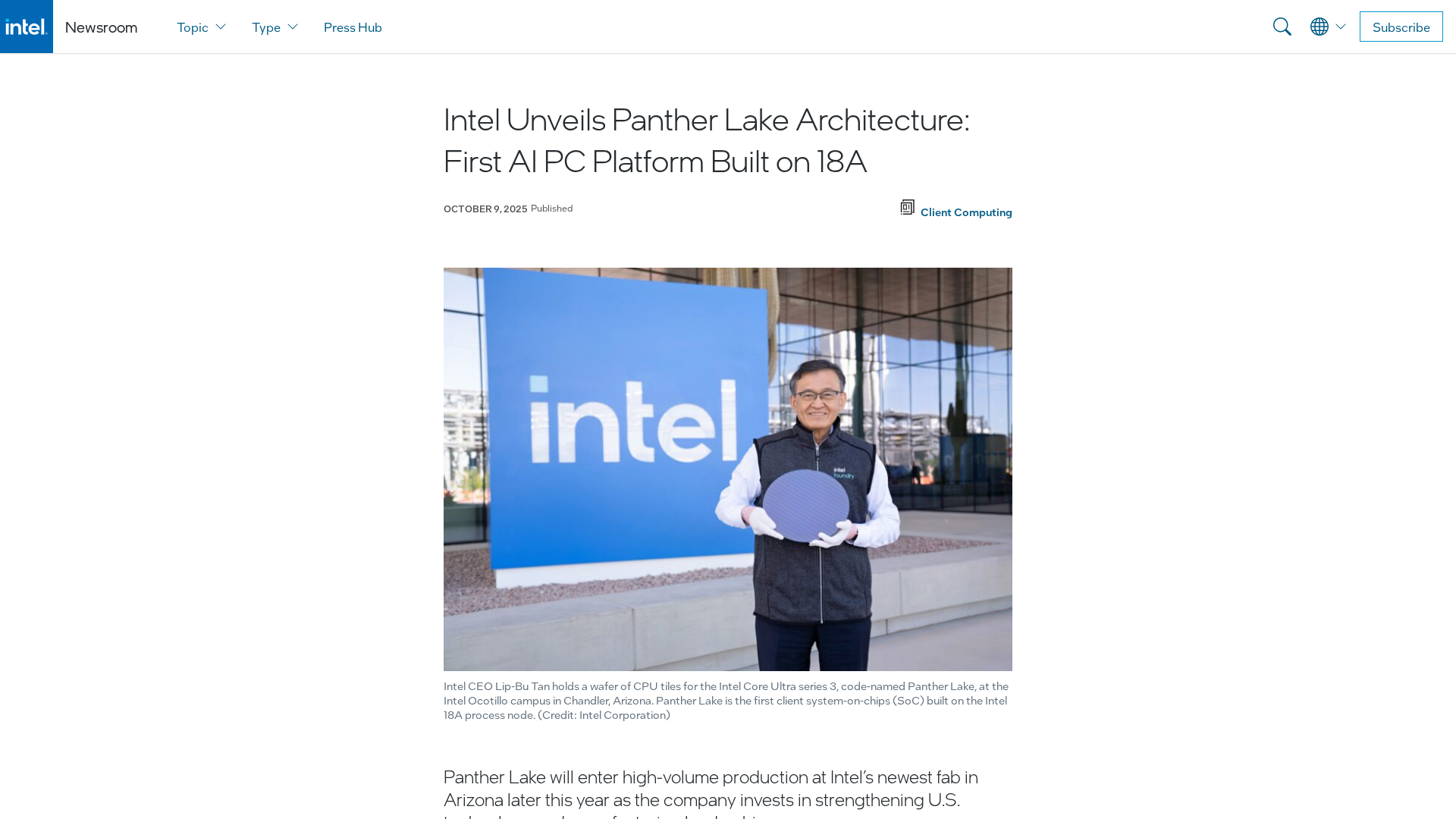
Topic Overview
This topic examines modern AI inference and edge platforms with a focus on three representative stacks—Red Hat AI Inference Server deployed on AWS Trainium/Inferentia, NVIDIA’s Rubin inference stack, and Intel’s Panther Lake accelerators—and how they fit into Edge AI Vision Platforms and Decentralized AI Infrastructure. As of 2026-01-12 the market is characterized by hardware diversification, software standardization around Kubernetes and containerized inference, and a drive to push demanding multimodal workloads out of the cloud to reduce latency, preserve data privacy, and cut operating costs. Evaluation centers on throughput, latency, energy efficiency, compatibility with common model formats and runtimes, and operational tooling. Key ecosystem pieces to consider include orchestration (Run:ai’s Kubernetes-native GPU pooling and optimization), energy-efficient accelerator vendors (Rebellions.ai and purpose-built inference chiplets), managed cloud inference (Vertex AI), and model providers/hosts (Mistral AI, Cohere, Stable Code). Data and lifecycle tooling such as OpenPipe for collecting and fine‑tuning inference logs and Activeloop’s Deep Lake for multimodal dataset storage and indexing are critical for on-device or decentralized deployments. Practical trade-offs include: platform-specific performance tuning versus portability; centralized managed services for scale versus edge deployments for latency and privacy; and total-cost-of-ownership considerations driven by accelerator efficiency (power and density) and orchestration overhead. For Edge AI Vision use cases, attention must be paid to model size, quantization support, and real‑time inference stacks. For decentralized infrastructure, governance, observability, and data pipelines that support continuous fine‑tuning and validation are paramount. This comparison helps teams choose appropriate hardware/software combinations and integration points depending on workload profiles, operational constraints, and governance needs.
Tool Rankings – Top 6

Kubernetes-native GPU orchestration and optimization platform that pools GPUs across on‑prem, cloud and multi‑cloud to提高

Energy-efficient AI inference accelerators and software for hyperscale data centers.

Unified, fully-managed Google Cloud platform for building, training, deploying, and monitoring ML and GenAI models.

Enterprise-focused provider of open/efficient models and an AI production platform emphasizing privacy, governance, and

Managed platform to collect LLM interaction data, fine-tune models, evaluate them, and host optimized inference.

Edge-ready code language models for fast, private, and instruction‑tuned code completion.
Latest Articles (70)
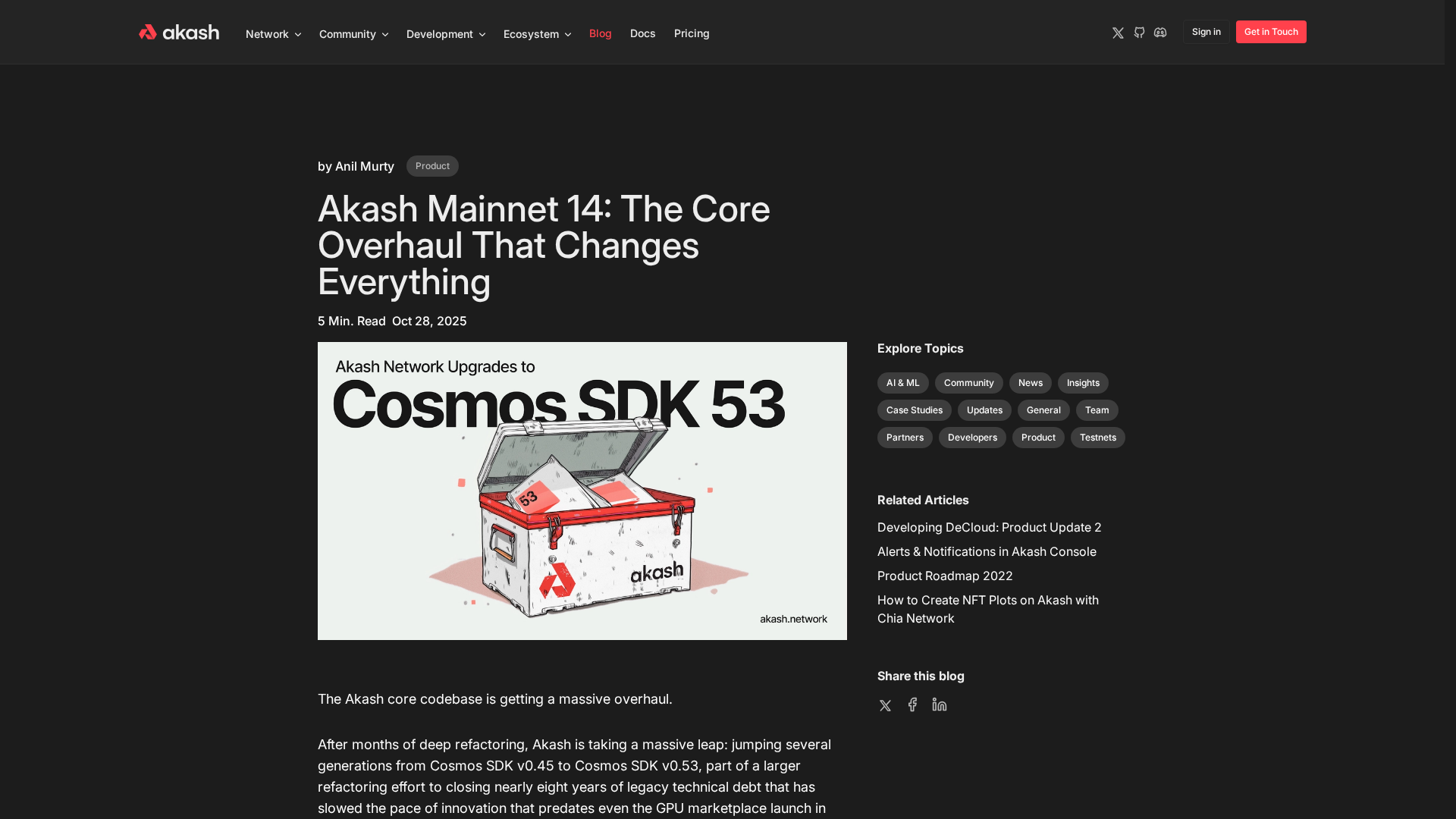
A foundational Core overhauL that speeds up development, simplifies authentication with JWT, and accelerates governance for Akash's decentralized cloud.
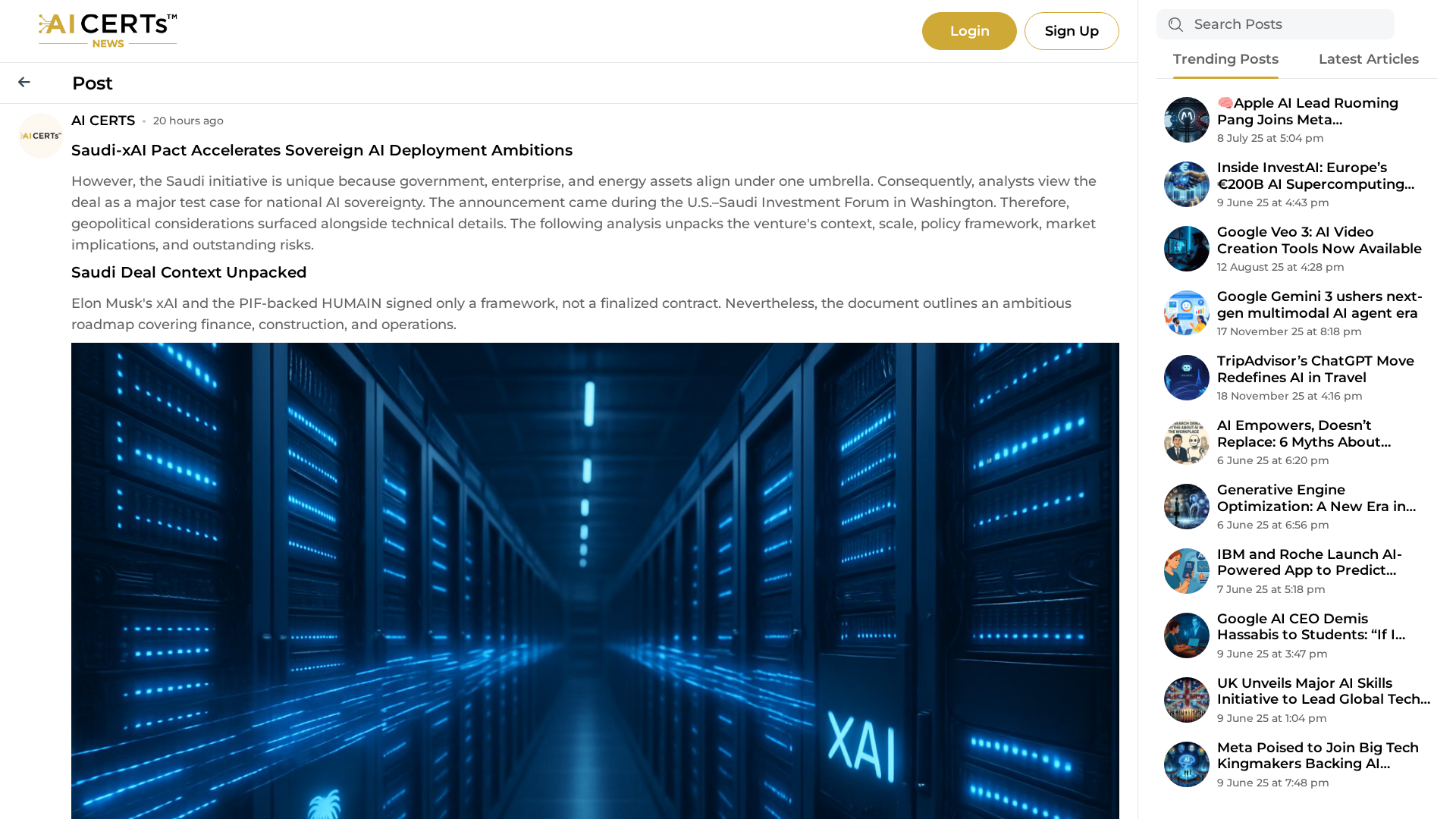
Saudi xAI-HUMAIN launches a government-enterprise AI layer with large-scale GPU deployment and multi-year sovereignty milestones.

Meta plans a 500MW AI data center in Visakhapatnam with Sify, linked to the Waterworth subsea cable.
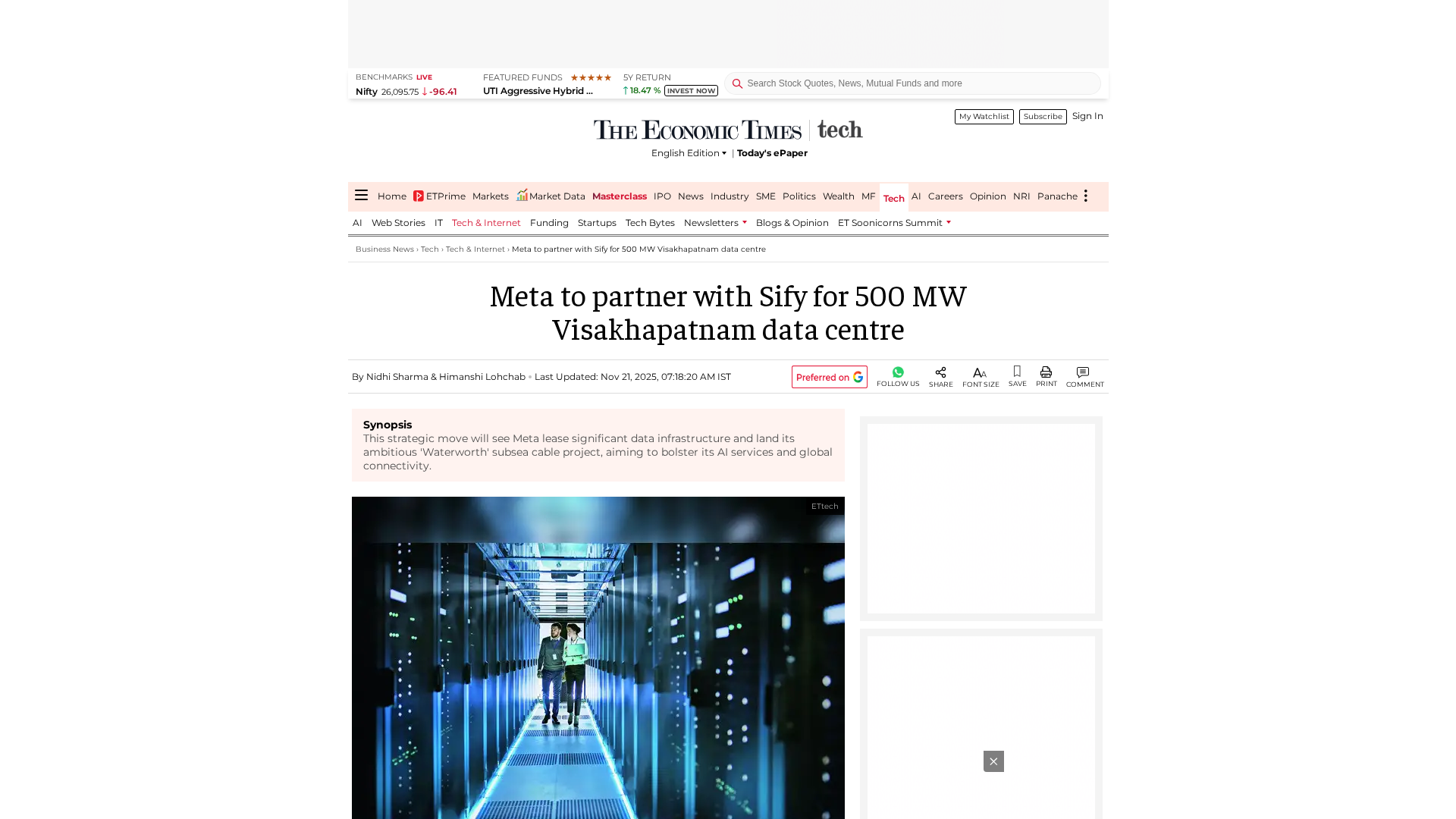
Meta to lease 500 MW Visakhapatnam data centre capacity from Sify and land Waterworth submarine cable.

Saudi AI firm Humain inks multi‑party deals to scale regional AI infrastructure with Adobe, AWS, xAI and Luma AI.