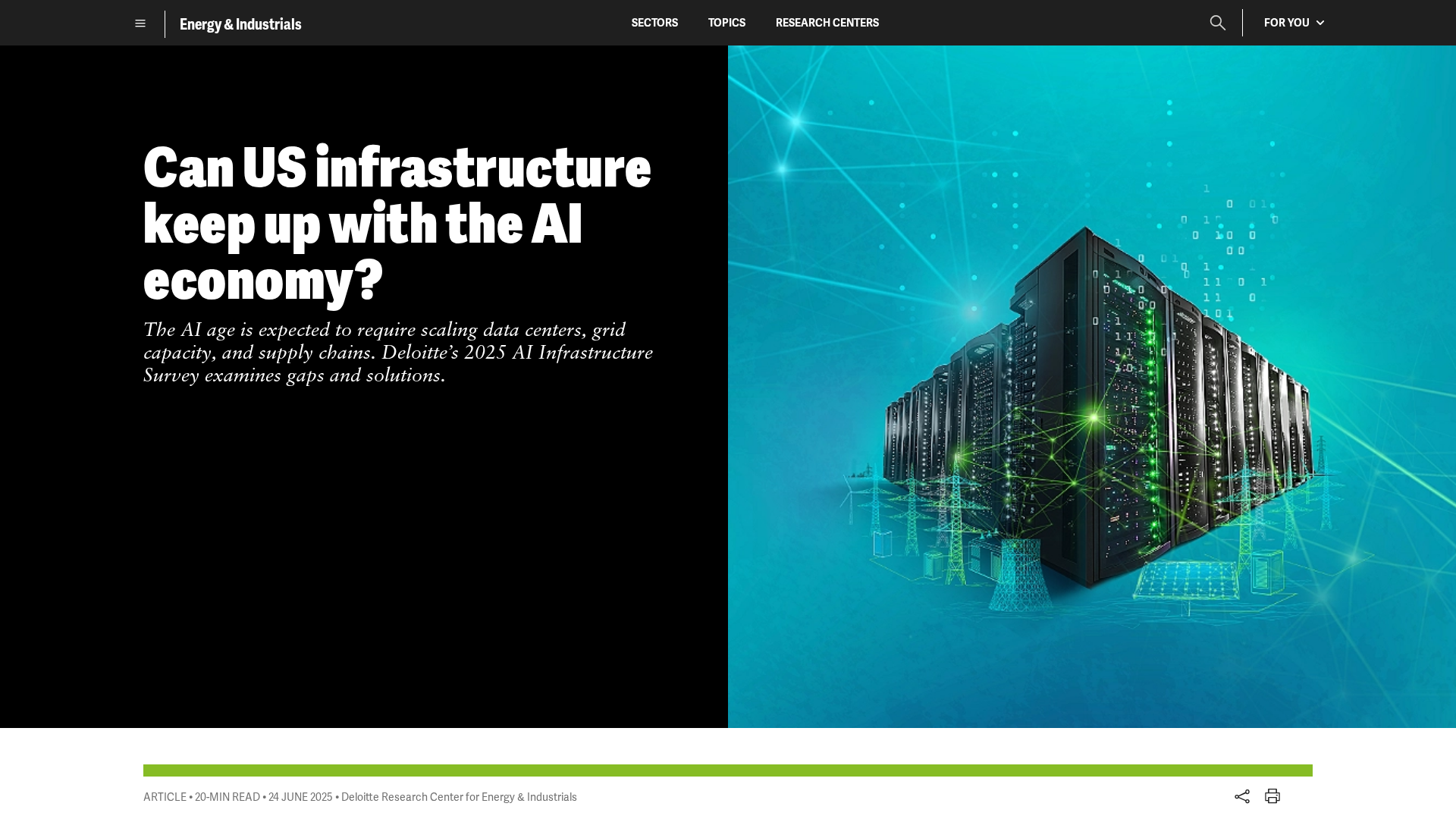
Topic Overview
This topic covers platforms and practices for deploying AI infrastructure that directly intersects with energy management, carbon accounting, and ratepayer protection initiatives. As utilities and grid operators adopt AI-driven optimization, demand-response orchestration and autonomous agents, stakeholders need transparent, auditable stacks that limit cost-shifting to consumers and demonstrate emissions impacts. Key categories include decentralized AI infrastructure (self-hosted or edge agents that reduce cloud energy overhead), AI data platforms (secure, lineage-aware data stores for telemetry and billing), carbon accounting tools (granular metering and emissions attribution), regulatory compliance tools (reporting, tariff-eligible verification) and AI governance tools (explainability, model provenance, access controls). Representative platforms illustrate trade-offs: managed services like Google Vertex AI and Google Gemini provide scale, model hosting and monitoring for large deployments; enterprise no-code governance platforms such as StackAI focus on lifecycle controls, policy enforcement and audit trails; developer-focused stacks (GPTConsole, Replit) and agent frameworks (AutoGPT, AgentGPT) enable rapid prototyping and decentralized agent deployment but require additional controls to meet regulatory and energy-accounting requirements. The current trend (through 2026-03-07) favors hybrid approaches that combine cloud-scale models with local execution and integrated carbon meters to minimize peak-load contributions and to produce verifiable, regulator-ready evidence of consumer protections. Practical implementations prioritize interoperable telemetry, standardized emissions reporting, and policy-first governance so that AI-driven efficiency gains do not inadvertently increase costs for ratepayers or obscure accountability during audits.
Tool Rankings – Top 6

End-to-end no-code/low-code enterprise platform for building, deploying, and governing AI agents that automate work onun

Unified, fully-managed Google Cloud platform for building, training, deploying, and monitoring ML and GenAI models.

Developer-focused platform (SDK, API, CLI, web) to create, share and monetize production-ready AI agents.

Platform to build, deploy and run autonomous AI agents and automation workflows (self-hosted or cloud-hosted).

A browser-based platform to create and deploy autonomous AI agents with simple goals.

AI-powered online IDE and platform to build, host, and ship apps quickly.
Latest Articles (47)
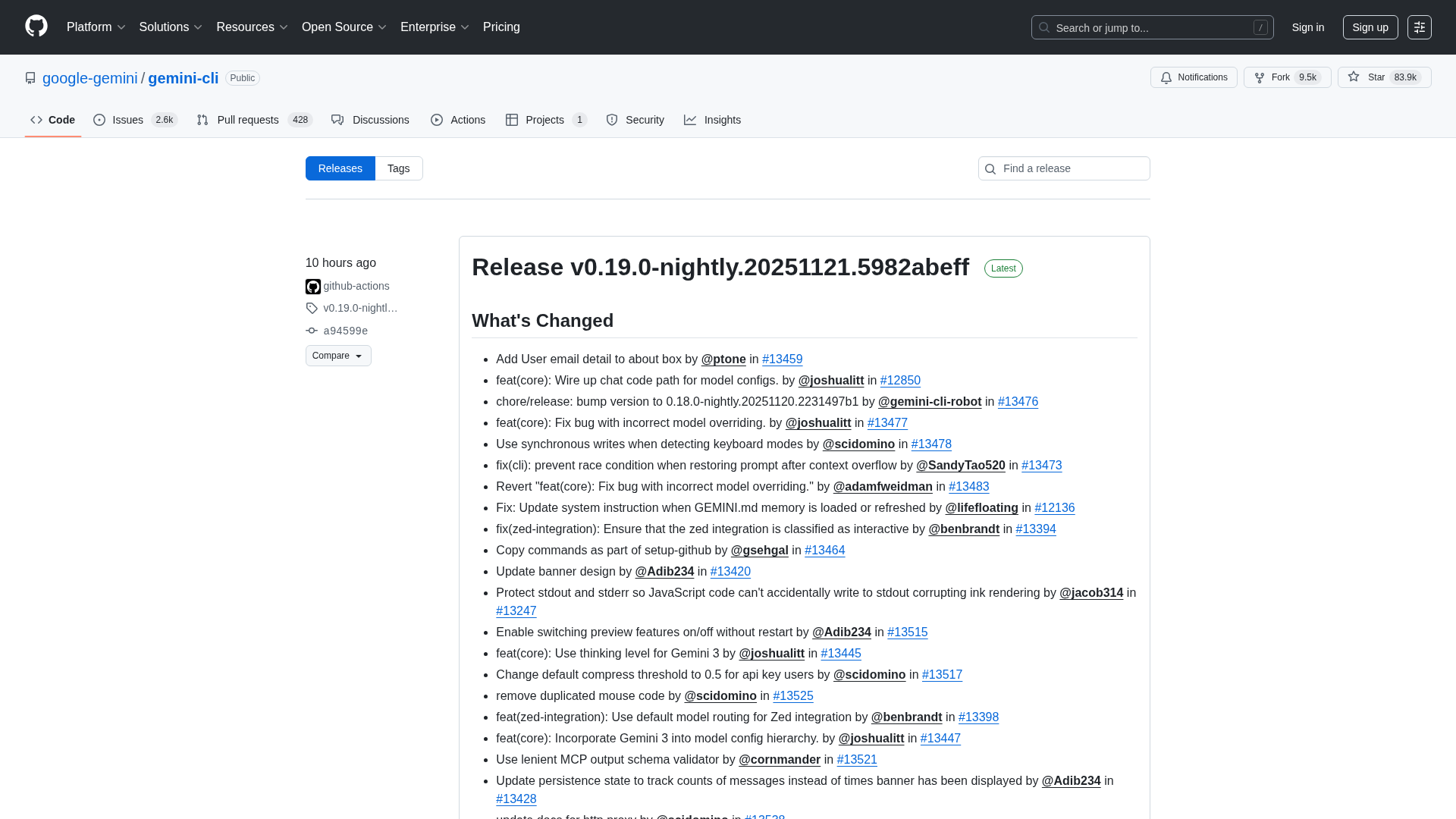
Overview of the Gemini CLI v0.36.0-preview release series, highlighting architectural, CLI, and UI changelogs across multiple pre-release versions.
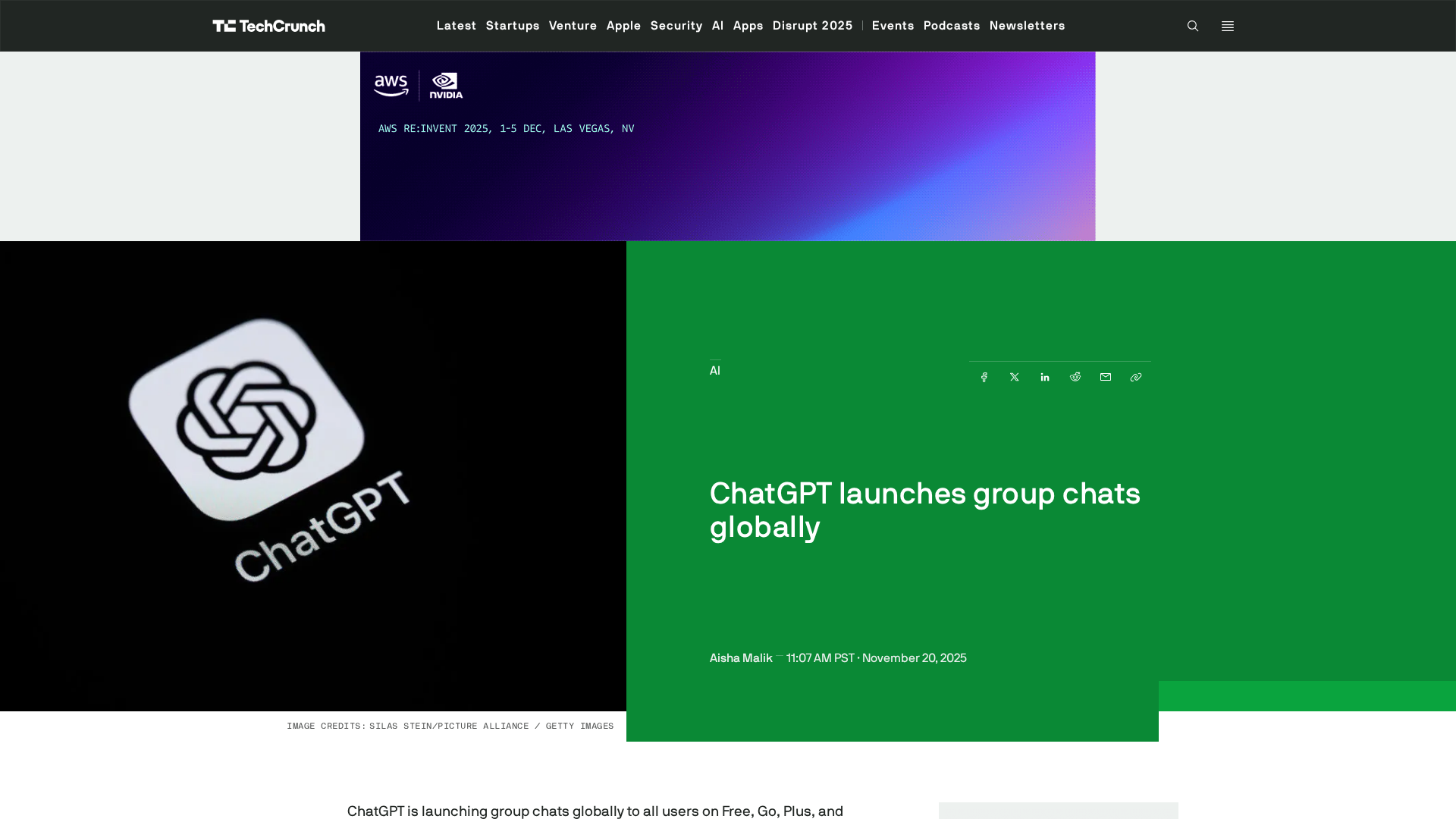
OpenAI rolls out global group chats in ChatGPT, supporting up to 20 participants in shared AI-powered conversations.
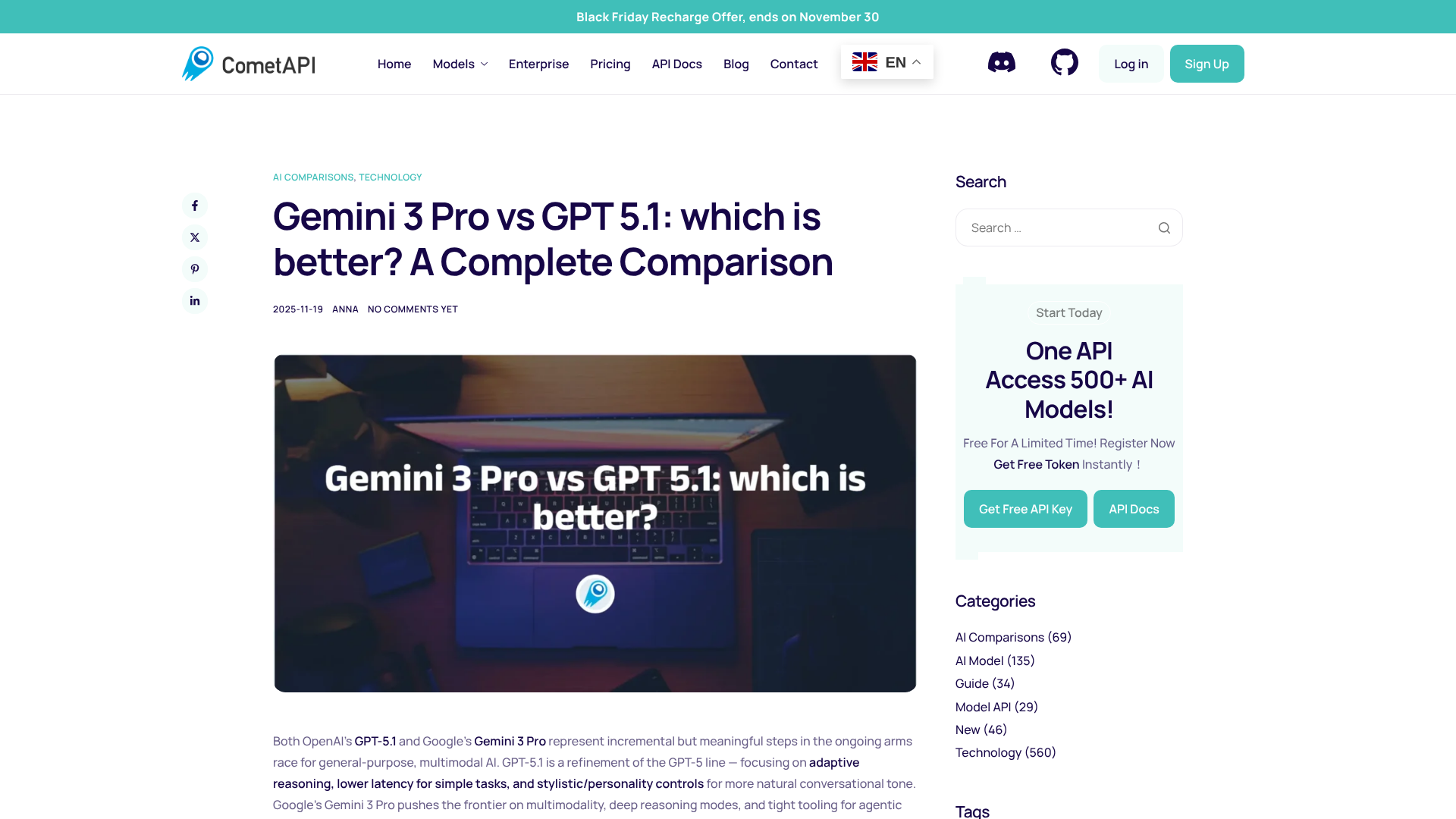
A detailed, use-case-driven comparison of Gemini 3 Pro and GPT-5.1 across context windows, multimodal capabilities, tooling, benchmarks, and pricing.
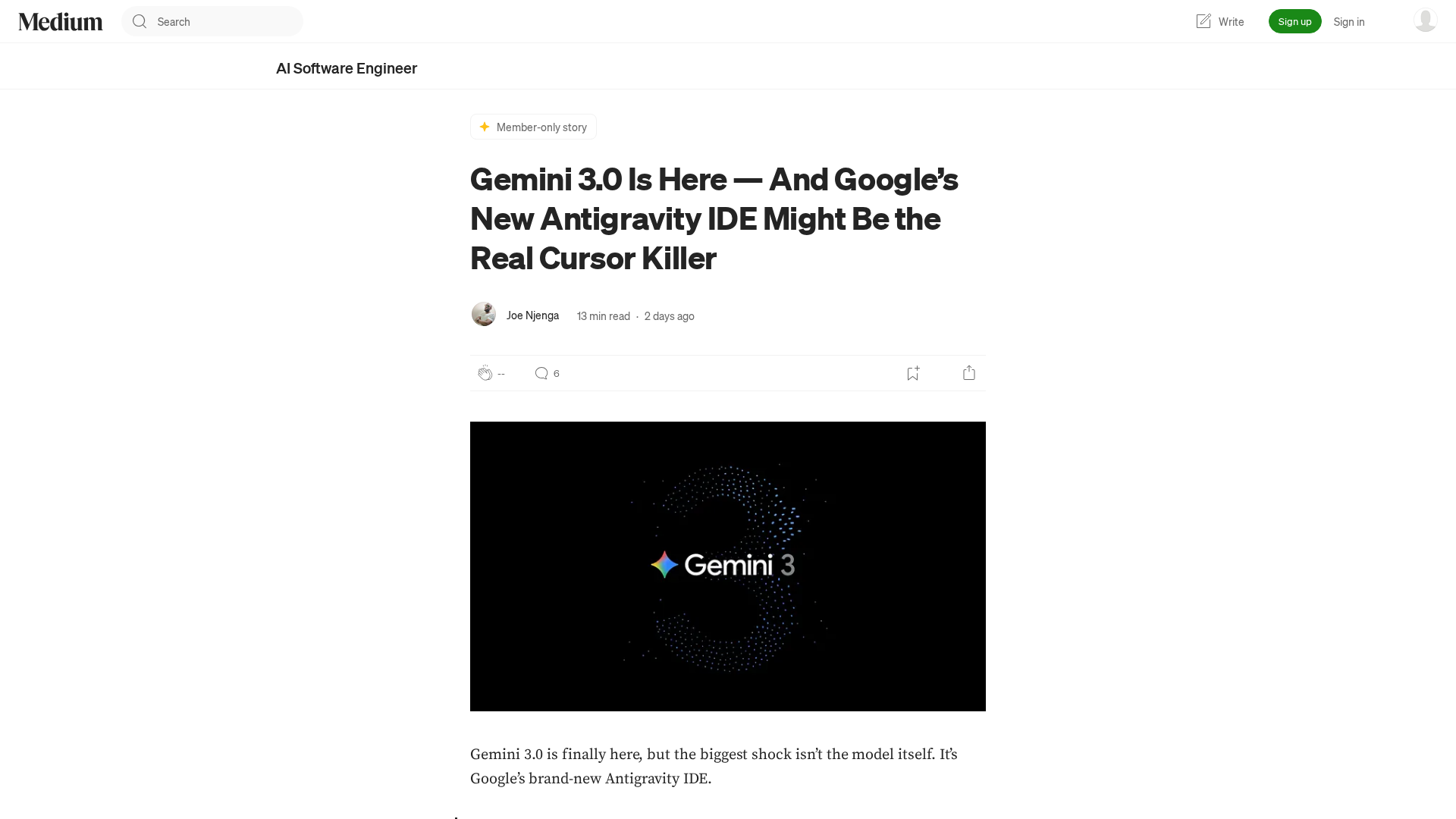
Google launches Gemini 3.0 with the Antigravity IDE, aiming to outpace Cursor 2.0 in AI-powered coding.

Google plans to extend AI Mode’s agentic bookings to hotel and flight reservations with major partners and user control.