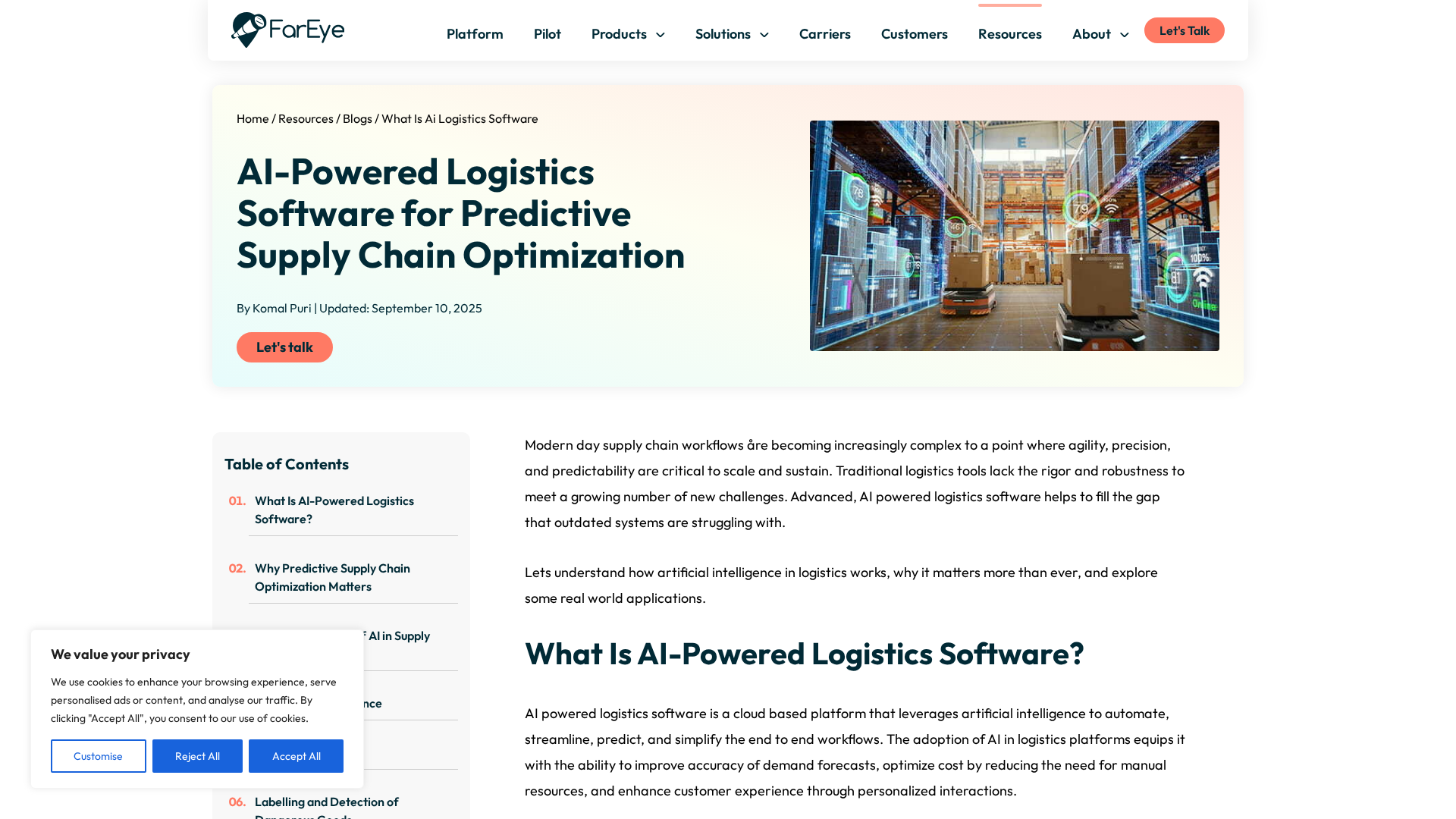
Topic Overview
AI logistics data platforms combine high‑quality data pipelines, semantic retrieval, document intelligence, and analytics to improve visibility, forecasting, and exception handling across supply chains. This topic covers how platforms for labeling and data ops, vector databases for retrieval‑augmented generation (RAG), intelligent document processing (IDP), and embedded BI work together to support real‑time decisioning and automation. Relevance (2026): ongoing supply‑chain volatility, tighter margins, and expanded use of AI agents have pushed logistics teams to adopt production‑grade data stacks that handle unstructured documents, live telemetry, and human feedback. Data‑centric tooling and model evaluation are now central to trustworthy deployment and continuous retraining. Key components and example tools: Scale AI — a data‑centric platform for labeling, RLHF, model evaluation and safety for enterprise ML; Labelbox — annotation and managed data‑factory services to produce training datasets at scale; Pinecone — a serverless vector database for low‑latency semantic search and RAG across product catalogs, manifests, and knowledge bases; DocSynecX (SynecX) — enterprise IDP for extracting structured fields from bills of lading, invoices and customs documents; Dataisland — “AI employee” platforms that ingest documents to power conversational assistants for operations and customer service; Sisense — embedded AI analytics and BI for dashboards, KPI reporting, and operational embedding. Practical considerations include integration with TMS/WMS/ERP, data lineage and governance, latency/edge requirements for tracking, and model monitoring to reduce drift and operational risk. Combined, these tools enable automation of document ingestion, faster exception resolution, semantically powered search across logistics data, and more accurate demand and route optimization—while requiring disciplined data ops and governance to realize reliable, auditable outcomes.
Tool Rankings – Top 6
A data-centric, end-to-end platform for training and operating AI (generative/agentic).
Fully managed, serverless vector database focused on production-grade semantic search, retrieval-augmented generation (R

AI analytics and embedded BI platform with developer SDKs, a marketplace, and a consultative pricing model.

A comprehensive AI data factory providing labeling, evaluation, and managed data services.

Intelligent Document Processing AI Platform
AI employee platform that ingests documents to train conversational assistants for enterprise use.
Latest Articles (17)
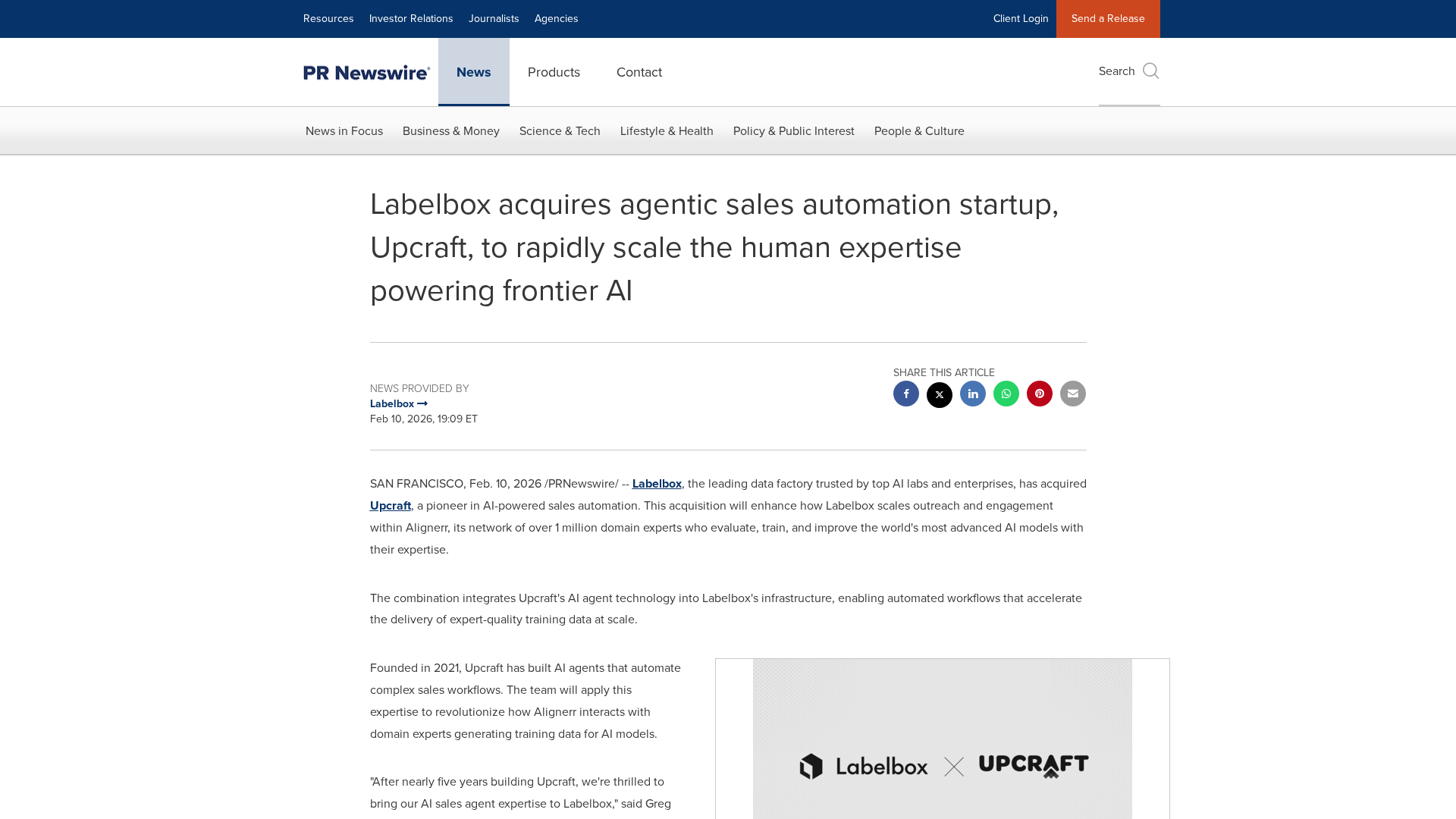
Labelbox acquires Upcraft to automate and scale expert-driven training data for frontier AI.
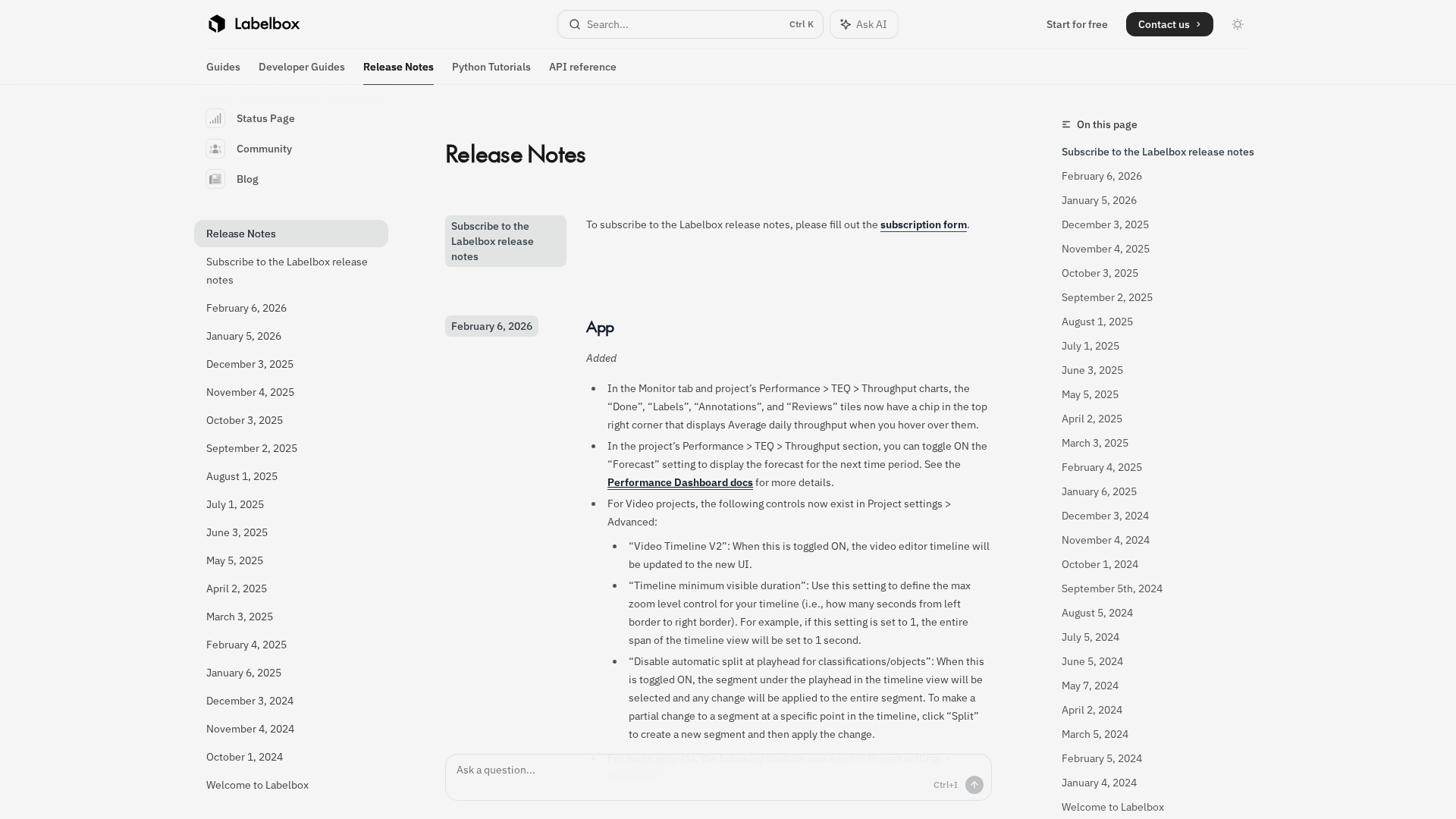
Comprehensive release notes detailing UI upgrades, AI features, timeline editors, and SDK/model changes across Labelbox.
AI-powered platform that automates document and invoice workflows for faster, error-free operations.
多语言实时文档解析与数据提取平台,覆盖金融、医疗、政府等行业。
LeCun calls Alexandr Wang inexperienced and predicts more Meta AI departures amid internal turmoil and strategic pivots.