Topic Overview
This topic covers the intersection of agentic AI platforms and the infrastructure needed to underwrite, originate and manage tokenised real‑world assets (RWAs) for institutional lending. As institutional tokenisation matures, teams are combining token‑issuance and settlement rails (e.g., Plume, DigiFT) with RWA lending protocols (e.g., Morpho) and deploying AI to automate credit assessment, monitoring, reconciliation and regulatory controls. Key components of this stack include agent frameworks and marketplaces for building LLM‑powered workflows (LangChain, AutoGPT, Adept’s ACT‑1), enterprise agentic infrastructure for visibility and orchestration (Xilos), foundation models and production platforms with privacy and governance features (Mistral, Claude family, Google Gemini), plus developer tooling for on‑chain wallets and custody integration. AI data platforms and marketplaces provide the provenance, feature engineering and verified datasets needed for credit models; governance tooling ensures observability, explainability and policy enforcement across agents. Relevance and timing (mid‑2026): institutional adoption of tokenised assets has increased demand for automated, auditable pipelines that bridge on‑chain transactions and off‑chain compliance. At the same time, regulators and counterparties expect model governance, data lineage and operational controls; that pushes teams toward stacks that combine agent frameworks, enterprise‑grade models, and governance/observability layers. Practically, organisations evaluate combinations of agent SDKs, model providers, data platforms and governance tools to balance automation, explainability and custody requirements. Successful deployments will prioritise verifiable data, agent observability, and clear custody/settlement separation to reduce operational and regulatory risk.
Tool Rankings – Top 6

An open-source framework and platform to build, observe, and deploy reliable AI agents.

Automate. Secure. Grow – With AI Crypto Wallets
Intelligent Agentic AI Infrastructure

Enterprise-focused provider of open/efficient models and an AI production platform emphasizing privacy, governance, and
Agentic AI (ACT-1) that observes and acts inside software interfaces to automate multistep workflows for enterprises.
Anthropic's Claude family: conversational and developer AI assistants for research, writing, code, and analysis.
Latest Articles (67)
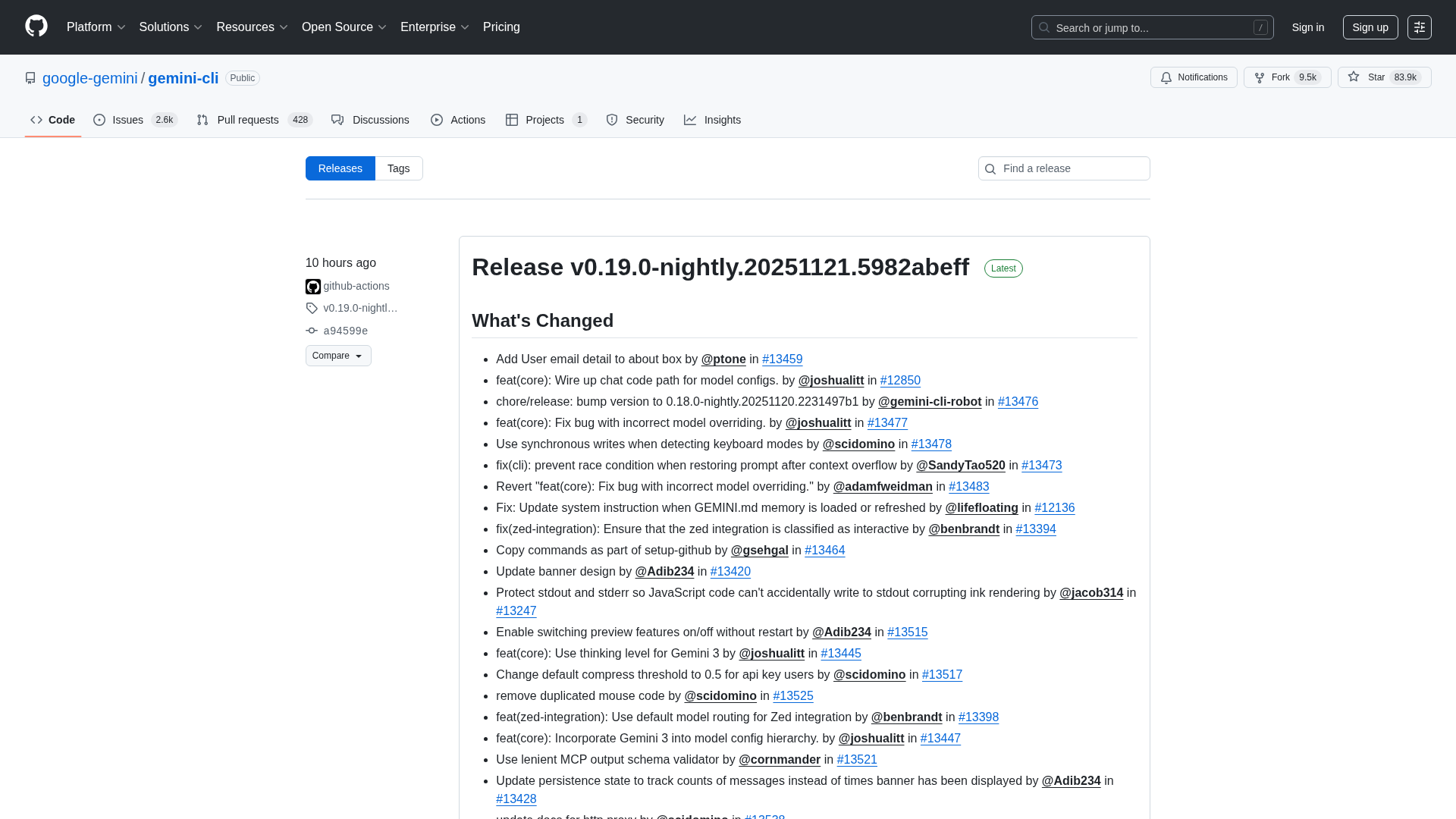
Overview of the Gemini CLI v0.36.0-preview release series, highlighting architectural, CLI, and UI changelogs across multiple pre-release versions.
OpenAI’s bypass moment underscores the need for governance that survives inevitable user bypass and hardens system controls.
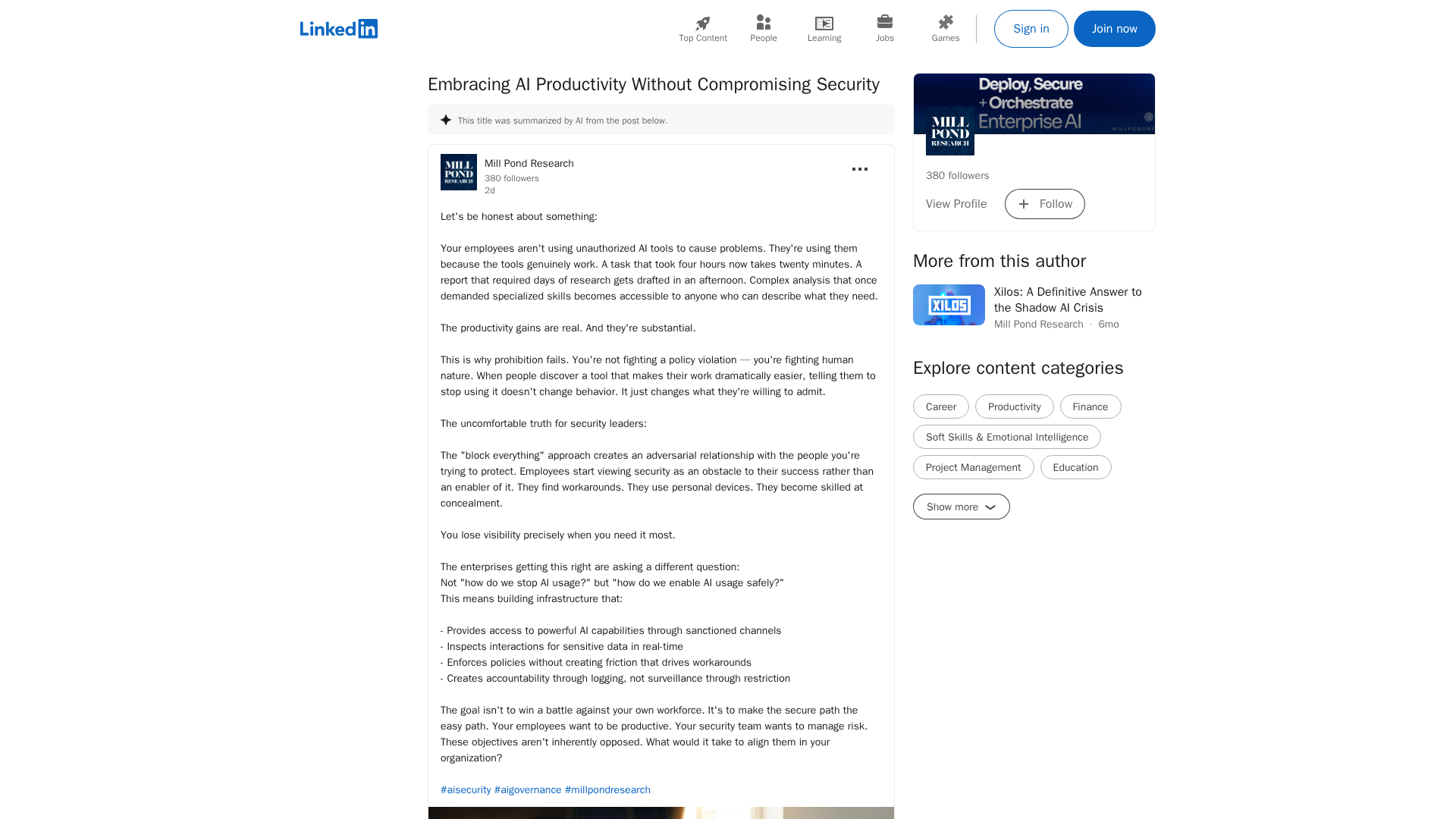
A call to enable safe AI use at work via sanctioned access, real-time data protections, and frictionless governance.
Explores the human role behind AI automation and how Bell Cyber tackles AI hallucinations in security operations.
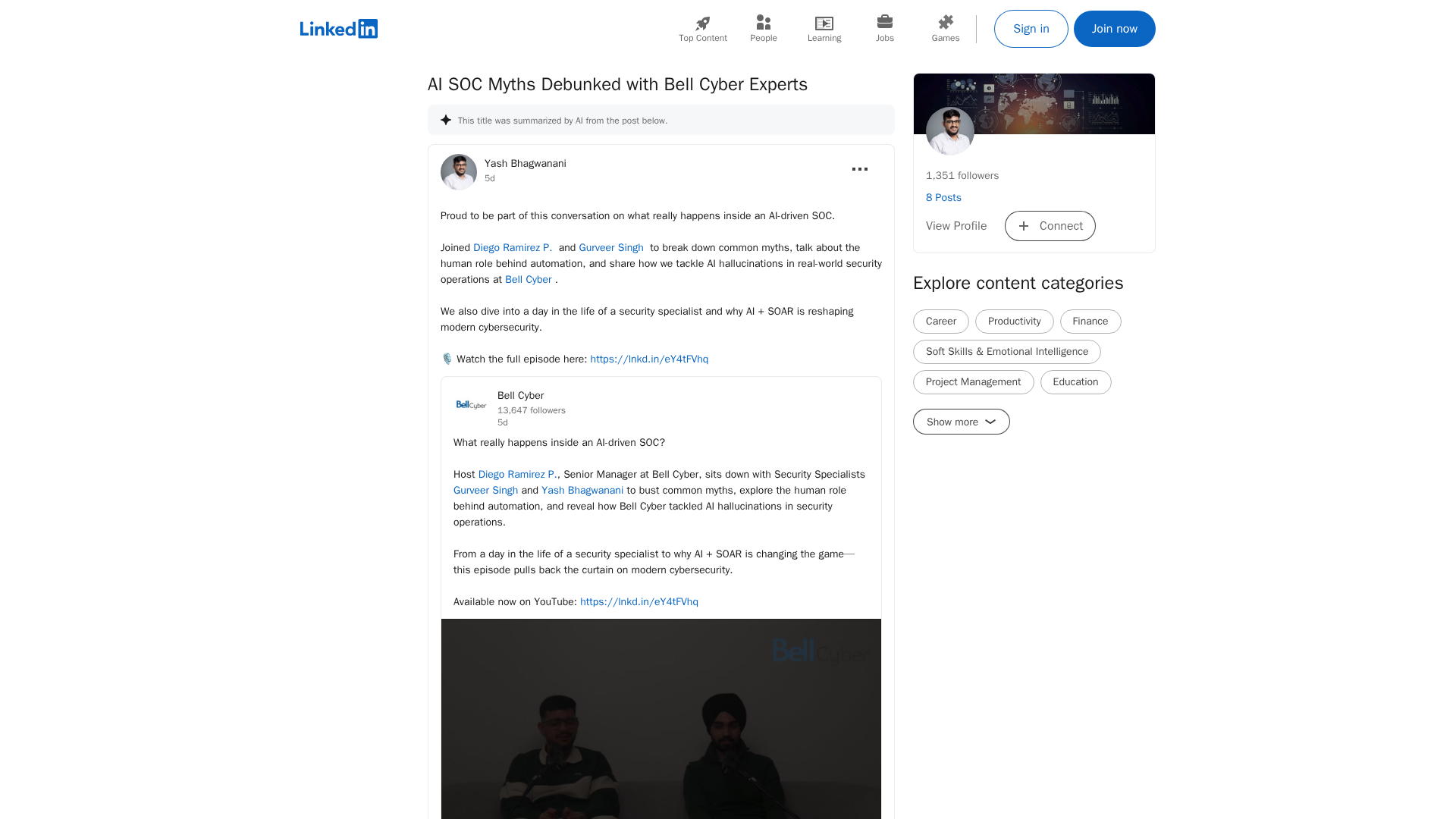
A real-world look at AI in SOCs, debunking myths and highlighting the human role behind automation with Bell Cyber experts.