Topic Overview
AI co‑clinician and clinical decision‑support (CDS) platforms combine large language and multimodal models, retrieval‑augmented workflows, vector databases, and agent orchestration to assist clinicians with documentation, diagnostics, and care coordination. As of 2026-05-05 this category emphasizes clinically validated outputs, provenance and citation, EHR interoperability, and production readiness rather than prototyping alone. Key building blocks include enterprise virtual agents and no‑code assistants (e.g., IBM watsonx Assistant) for workflow orchestration; multimodal foundation models and APIs (e.g., Google Gemini, Anthropic’s Claude family) for summarization, reasoning, and conversational interaction; vector databases (e.g., Pinecone) to enable fast semantic search and retrieval‑augmented generation (RAG); document‑centric chat tools (e.g., ChatPDF) for summarizing and citing source documents; and agentic platforms (e.g., Yellow.ai) to automate multi‑step tasks across channels. AI tool marketplaces and data‑analytics tools play complementary roles: marketplaces accelerate integration and procurement of validated modules, while analytics capture usage, safety signals, and clinical outcomes for continuous monitoring. Current trends include stricter regulatory scrutiny and a push for explainability and citation, hybrid on‑prem/cloud deployments to protect PHI, and broader adoption of no‑code orchestration so clinical teams can configure assistants without deep engineering. Practical selection prioritizes clinical validation, interoperability with EHRs, ability to incorporate local knowledge via RAG and vector stores, and operational features—latency, audit logs, and monitoring—required for deployment in care settings. This landscape is evolving rapidly; procurement should balance innovation benefits against clinical safety, governance, and integration complexity.
Tool Rankings – Top 6

Enterprise virtual agents and AI assistants built with watsonx LLMs for no-code and developer-driven automation.

Google’s multimodal family of generative AI models and APIs for developers and enterprises.
Anthropic's Claude family: conversational and developer AI assistants for research, writing, code, and analysis.
Fully managed, serverless vector database focused on production-grade semantic search, retrieval-augmented generation (R

AI-powered web app to upload documents and chat with them for summaries, answers with citations, and multi-document work

Enterprise agentic AI platform for CX and EX automation, building autonomous, human-like agents across channels.
Latest Articles (72)
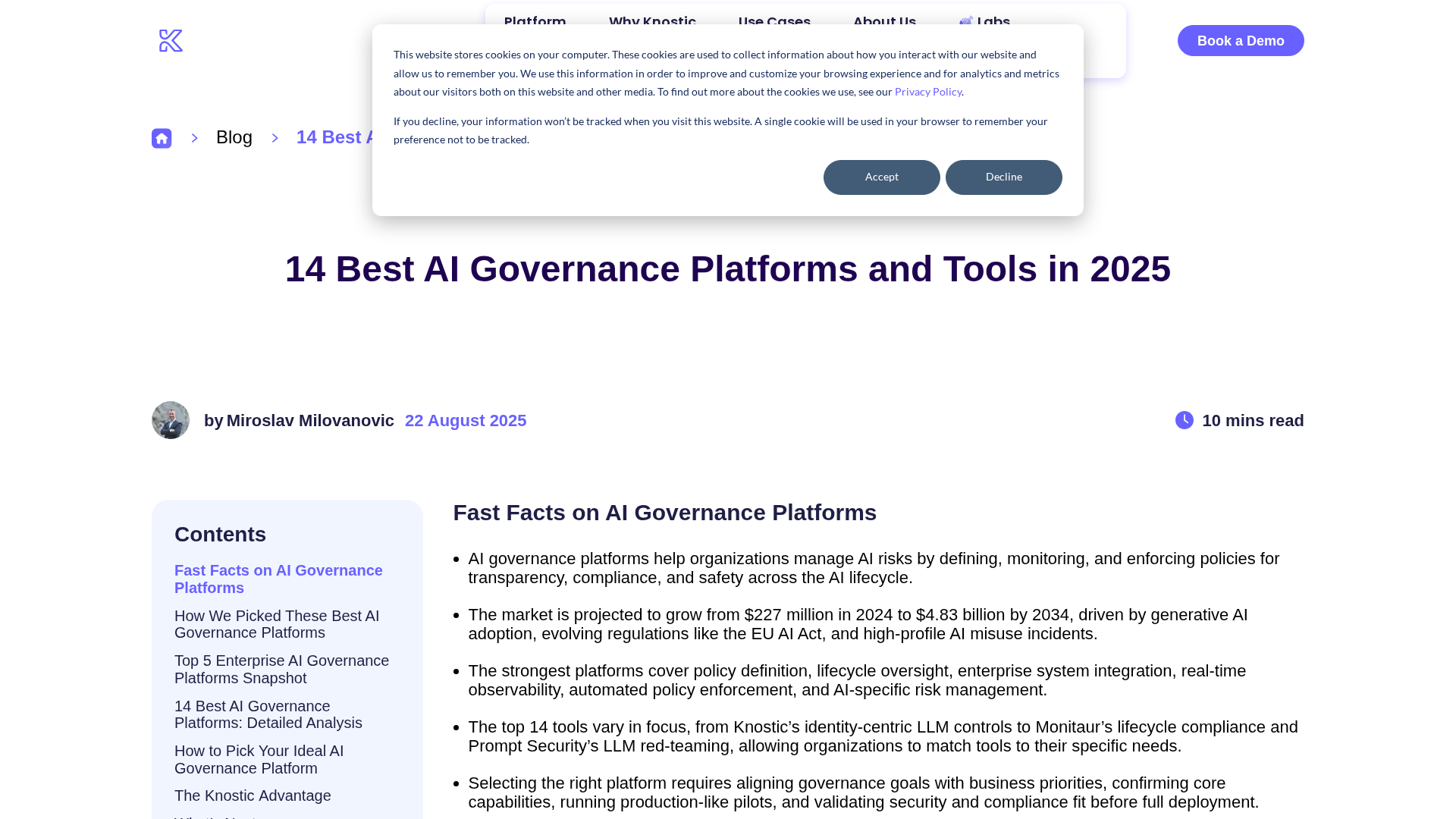
A vendor‑agnostic guide to the 14 best AI governance platforms in 2025, with criteria, comparisons, and practical buying guidance.
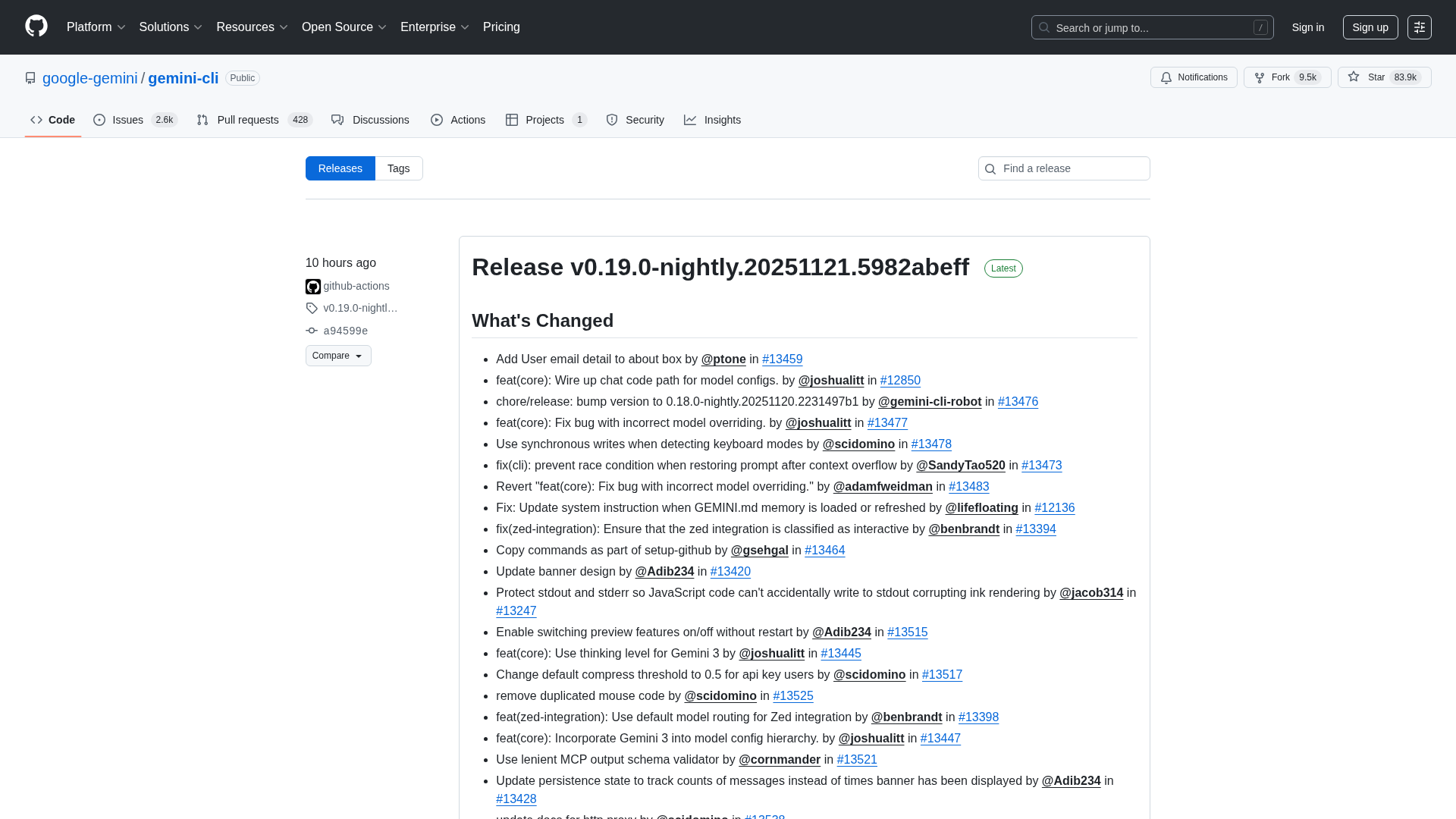
Overview of the Gemini CLI v0.36.0-preview release series, highlighting architectural, CLI, and UI changelogs across multiple pre-release versions.
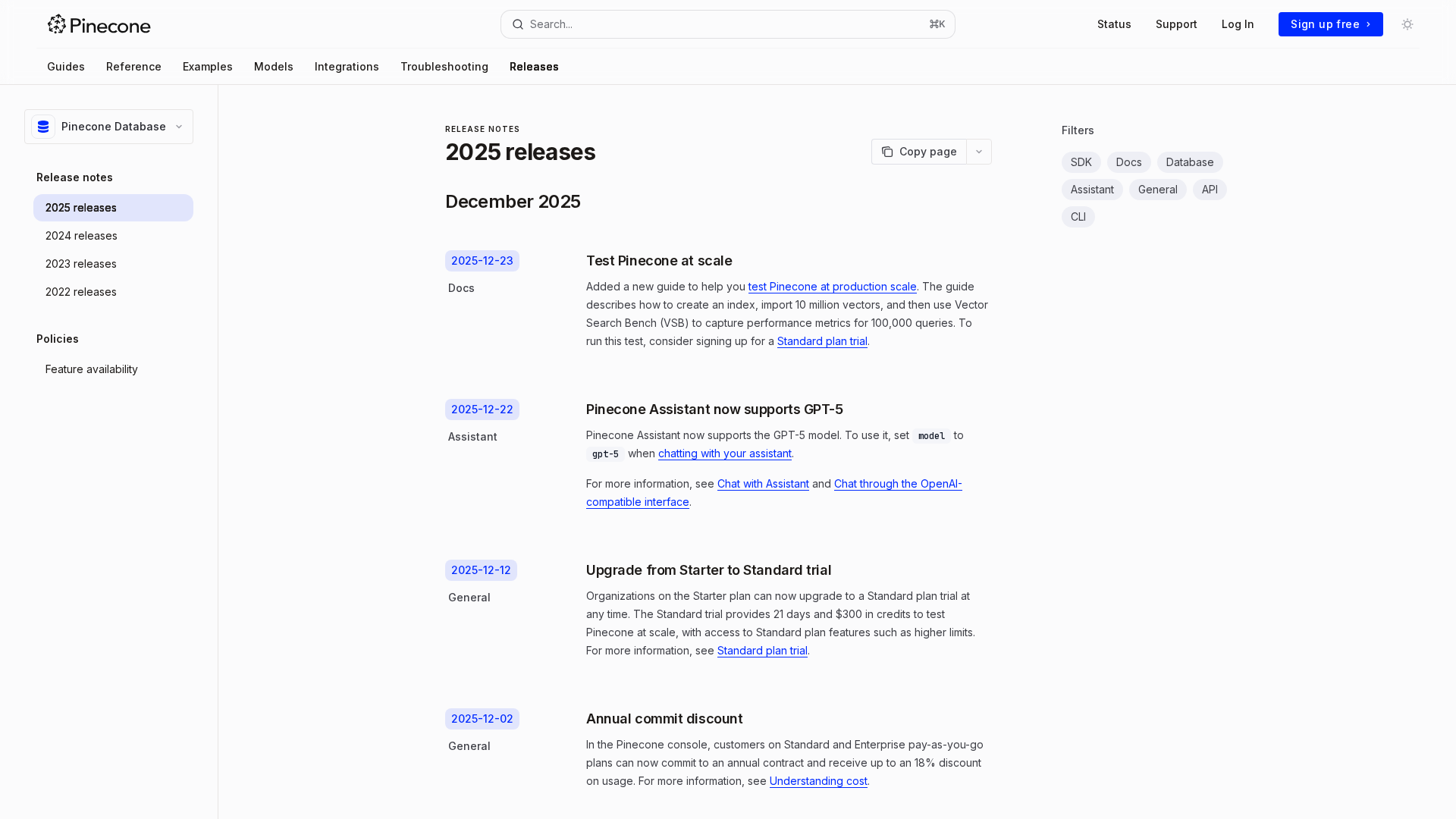
A comprehensive roundup of Pinecone's 2025 releases, features, and SDK updates.

Adobe nears a $19 billion deal to acquire Semrush, expanding its marketing software capabilities, according to WSJ reports.
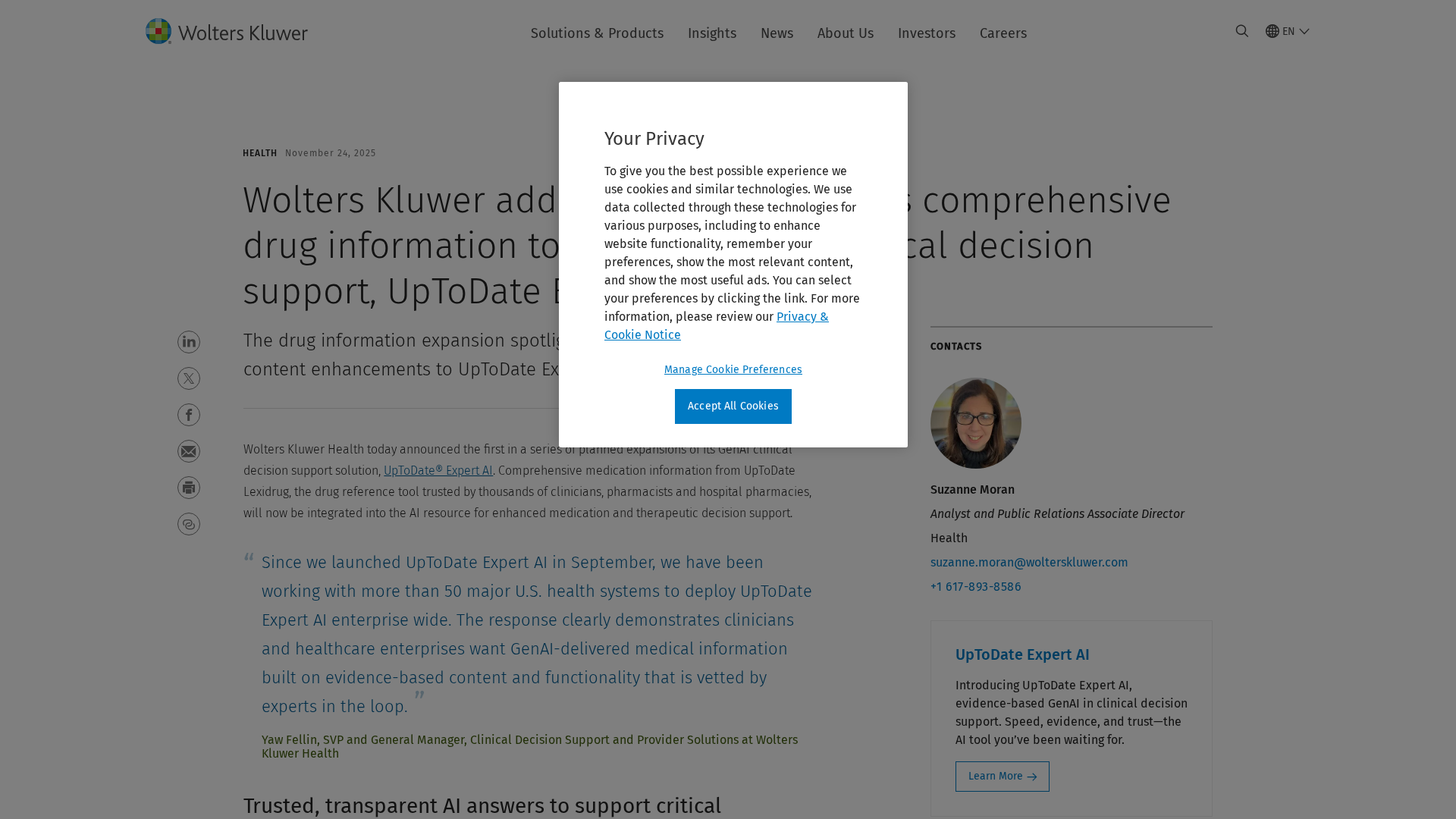
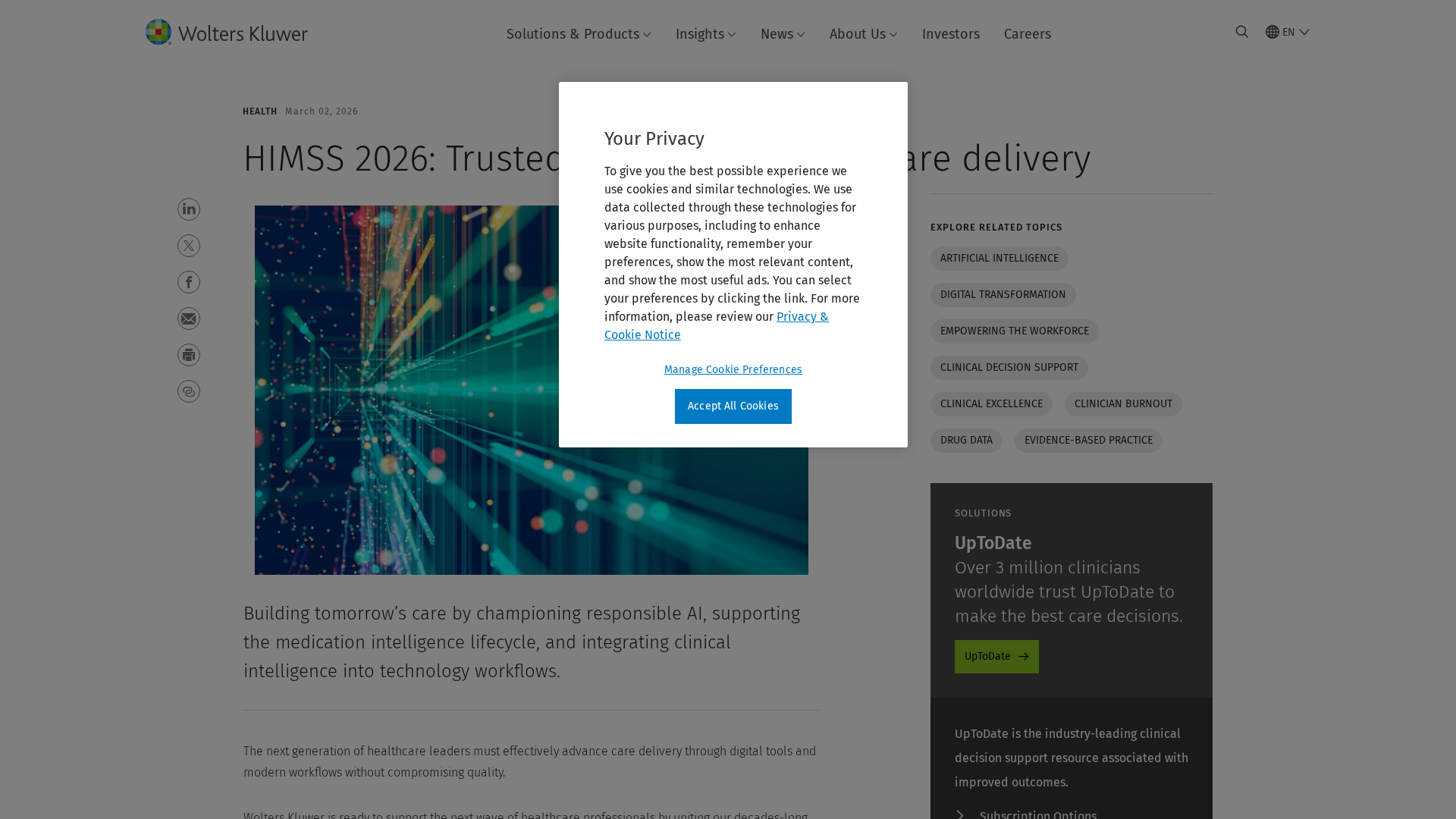
Wolters Kluwer expands UpToDate Expert AI with UpToDate Lexidrug to bolster drug information and medication decision support.