Topic Overview
This topic surveys AI healthcare assistants and clinical AI platforms that combine large language models, voice agents, and clinical decision tools to support clinicians, care teams, and patients. As of early 2026, adoption is driven by improved on‑prem/private models, retrieval‑augmented workflows, and tighter EHR integration—but also by increased attention to validation, governance, and regulatory compliance. Key use cases include point‑of‑care decision support, automated clinical documentation, patient-facing triage, and real‑time clinician assist. Representative technologies span enterprise assistant frameworks (IBM watsonx Assistant for no‑code and developer‑driven multi‑agent automation), voice‑first platforms (Vogent for low‑latency TTS and voice cloning), productivity‑embedded copilots (Microsoft 365 Copilot), and model infrastructure (Vertex AI for training/deploying models). Providers such as Mistral AI and Cohere emphasize private, efficient foundation models and embeddings for secure customization, while Observe.AI and Kore.ai focus on conversation intelligence and orchestrated multi‑agent workflows for operational use. Practical deployment is supported by toolkits and playbooks (eg, Vellum AI Showcase) for composing prompts and agent flows. Important trends for evaluation are clinical validation (safety and accuracy in diagnostic and therapeutic suggestions), interoperability with EHRs using FHIR, privacy and HIPAA considerations, change management for clinician workflows, and auditability/observability for model behavior. Buyers should weigh platform capabilities for fine‑tuning, retrieval and vector search, voice and real‑time assist, and governance controls. This topic aims to help clinical leaders and IT teams compare assistants and platforms by function—personal AI assistants, AI tool marketplaces, and clinical documentation tools—against realistic operational, regulatory, and clinical requirements.
Tool Rankings – Top 6

Enterprise virtual agents and AI assistants built with watsonx LLMs for no-code and developer-driven automation.

Platform to build, deploy, and operate ultra-realistic AI voice agents with low-latency TTS and voice cloning.
AI assistant integrated across Microsoft 365 apps to boost productivity, creativity, and data insights.

Unified, fully-managed Google Cloud platform for building, training, deploying, and monitoring ML and GenAI models.

Enterprise-focused provider of open/efficient models and an AI production platform emphasizing privacy, governance, and

Enterprise-focused LLM platform offering private, customizable models, embeddings, retrieval, and search.
Latest Articles (94)
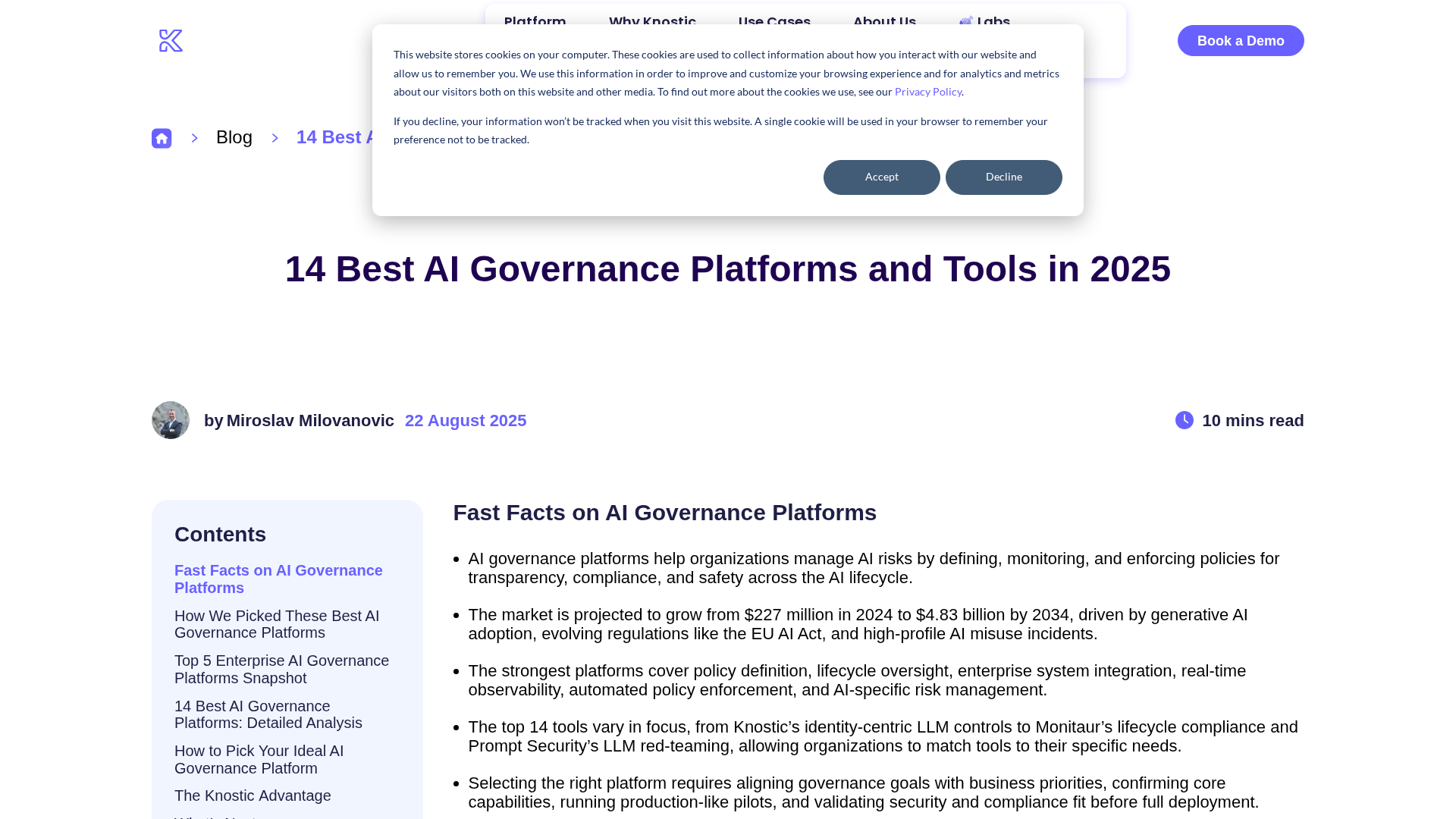
A vendor‑agnostic guide to the 14 best AI governance platforms in 2025, with criteria, comparisons, and practical buying guidance.
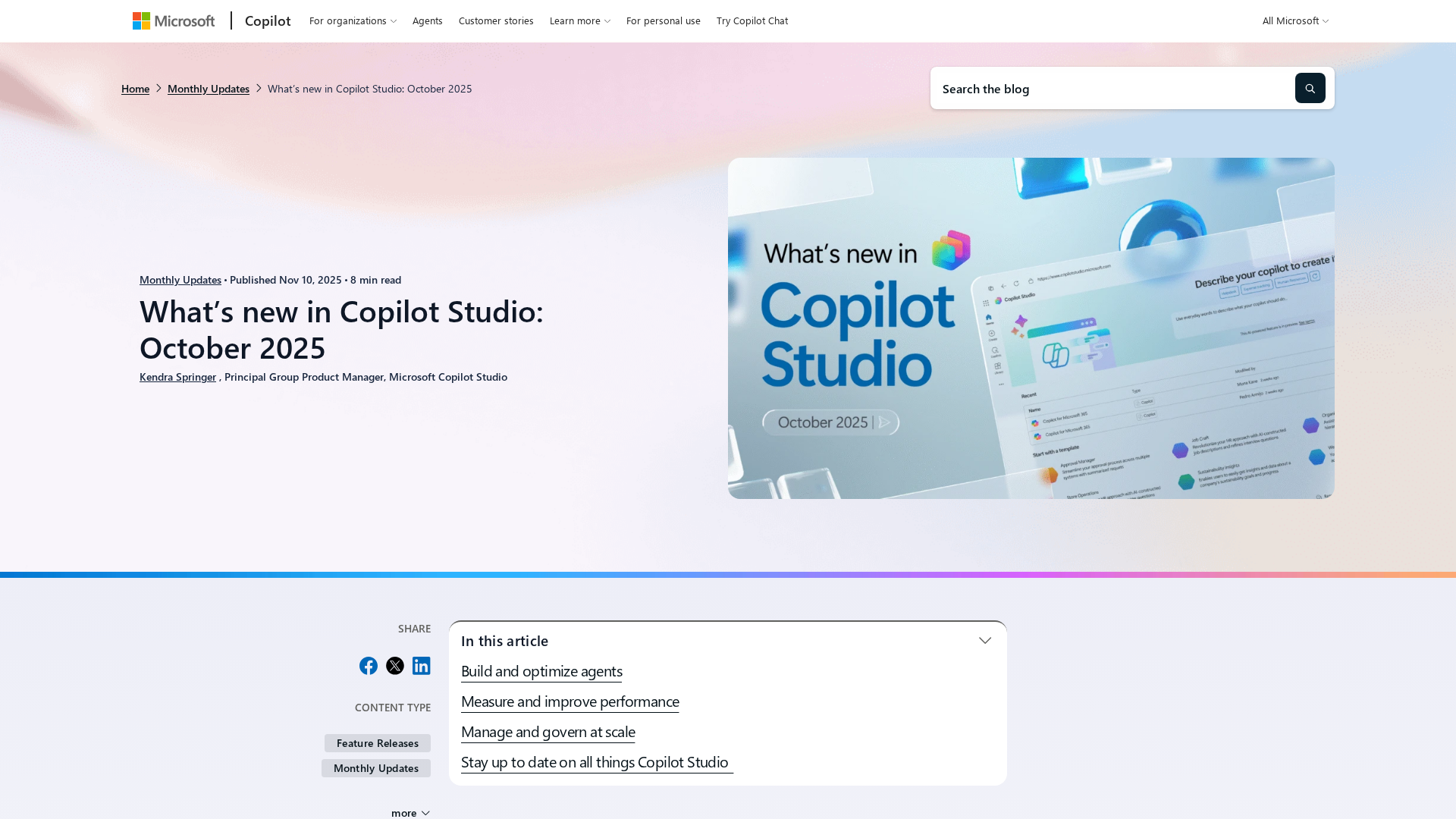
A comprehensive October 2025 roundup of Copilot Studio’s new testing, model, and governance features.
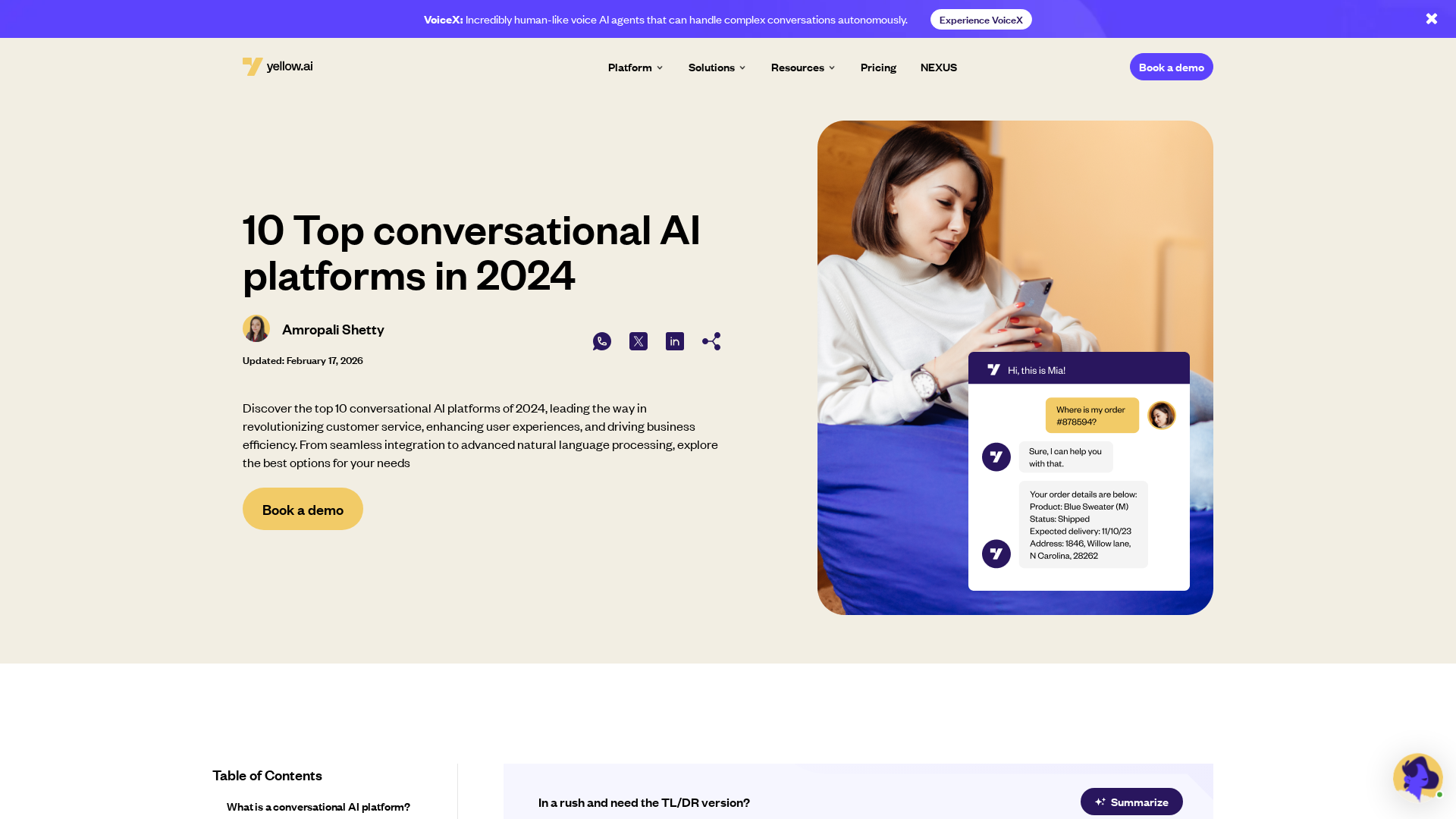
A concise guide to the top 10 conversational AI platforms in 2024, with features, benefits, and use cases.
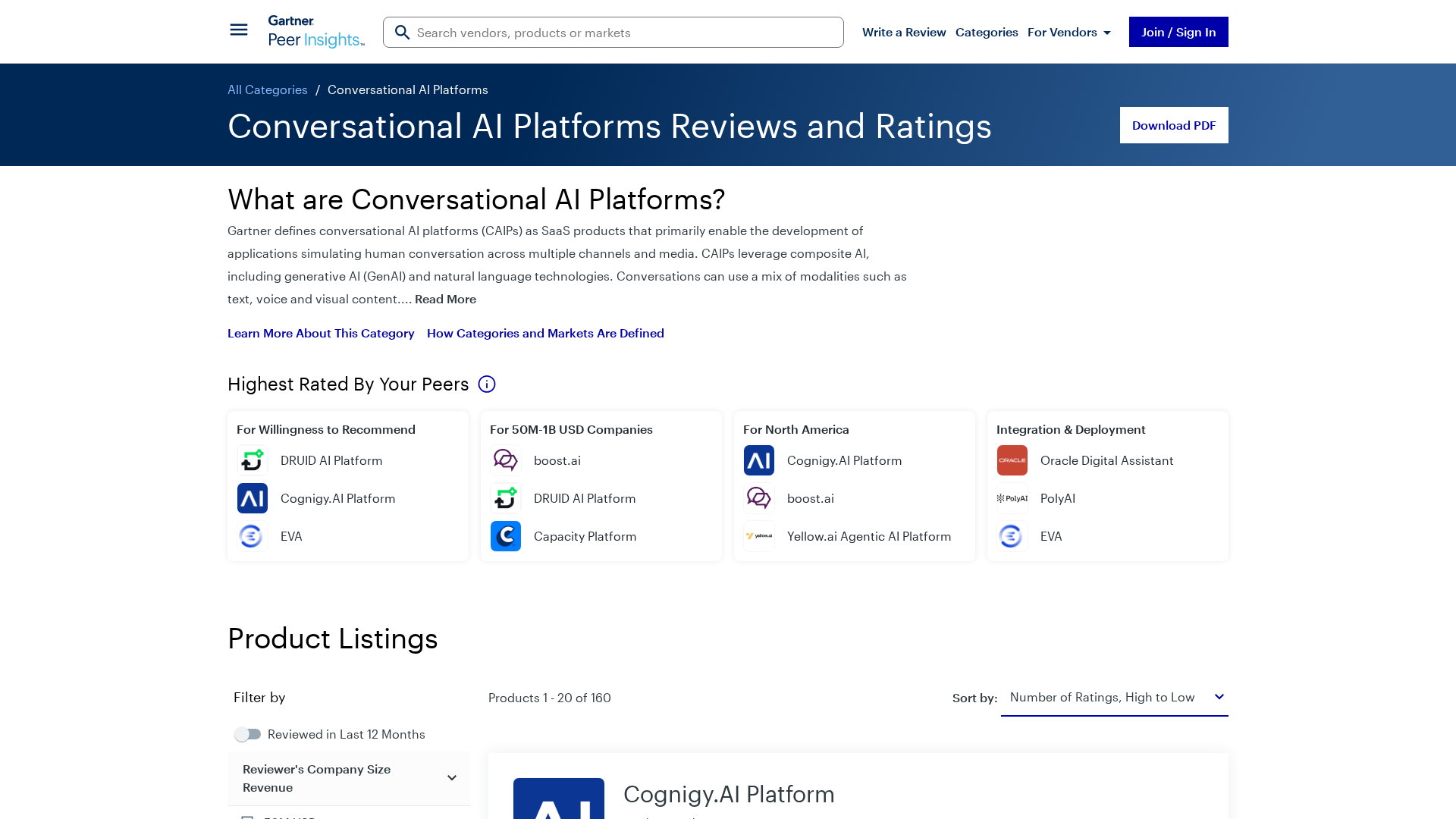
Gartner’s market view on conversational AI platforms, outlining trends, vendors, and buyer guidance.
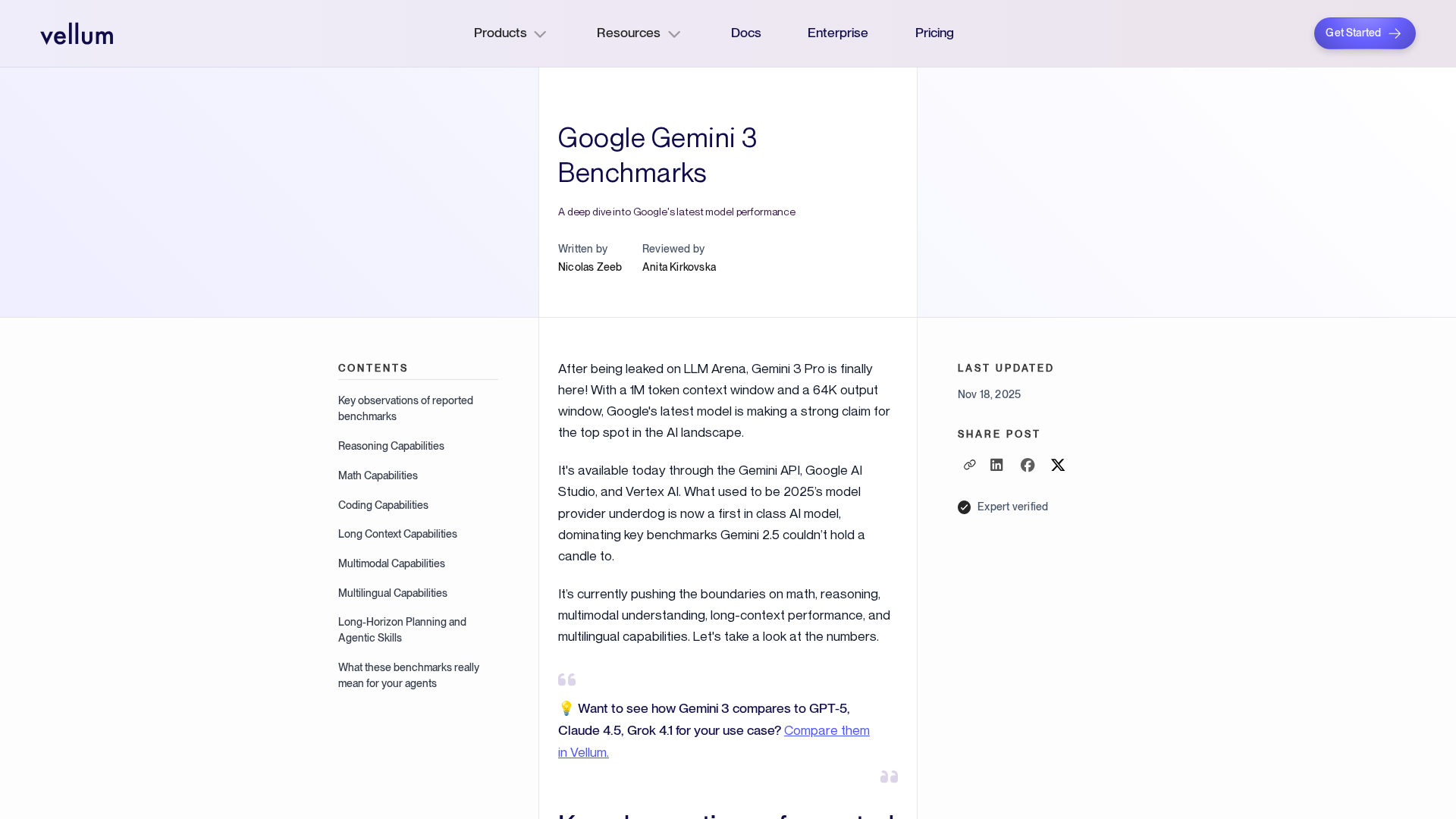
In-depth look at Gemini 3 Pro benchmarks across reasoning, math, multimodal, and agentic capabilities with implications for building AI agents.