Topic Overview
This topic covers the software platforms, agent frameworks, developer toolkits, and edge vision/3D tools used to build AI-powered robots and digital twins. At its core are two converging needs: agentic orchestration of high-level tasks (planning, dialogue, multimodal perception) and robust low‑latency control and simulation for real-world robotics. That requires combinations of LLM/ multimodal model providers, agent frameworks, robotics SDKs, edge inference stacks, and 3D/digital‑twin generation tools. Relevance in 2026 reflects wider adoption of agent frameworks and specialized model deployments: teams use LangChain-style SDKs to compose and observe LLM-driven agents; commercial LLMs and multimodal APIs (e.g., Google Gemini, Cohere) supply reasoning and perception layers; code-focused assistants (GitHub Copilot, JetBrains AI Assistant, Windsurf, Cursor, Stable Code) accelerate the engineering loop for control code and simulation integration. NVIDIA Open Agent Skills and robotics SDKs (ROS, NVIDIA Isaac/Omniverse integration patterns) provide skill libraries, runtime bindings to sensors/actuators, and support for digital twins and simulation‑to‑reality testing. Edge AI vision platforms and optimized models are central for low‑latency perception on devices, while 3D model generation tools populate digital twins with realistic environments and assets. Current trends emphasize modular, observable agent architectures, on‑prem or private model hosting for safety, and marketplace ecosystems for reusable skills and verified components. For teams evaluating options, the practical tradeoffs are: model modality & latency, tooling for agent orchestration and observability, developer productivity (IDE and agentic coding tools), and the fidelity of simulation/digital‑twin pipelines. Selecting a stack typically blends an agent framework, a reliable LLM/multimodal backend, robotics SDKs for hardware integration, and edge/3D toolchains for perception and simulation.
Tool Rankings – Top 6

An open-source framework and platform to build, observe, and deploy reliable AI agents.

An AI pair programmer that gives code completions, chat help, and autonomous agent workflows across editors, theterminal
Google’s multimodal family of generative AI models and APIs for developers and enterprises.

Enterprise-focused LLM platform offering private, customizable models, embeddings, retrieval, and search.
In‑IDE AI copilot for context-aware code generation, explanations, and refactorings.

AI-native IDE and agentic coding platform (Windsurf Editor) with Cascade agents, live previews, and multi-model support.
Latest Articles (53)
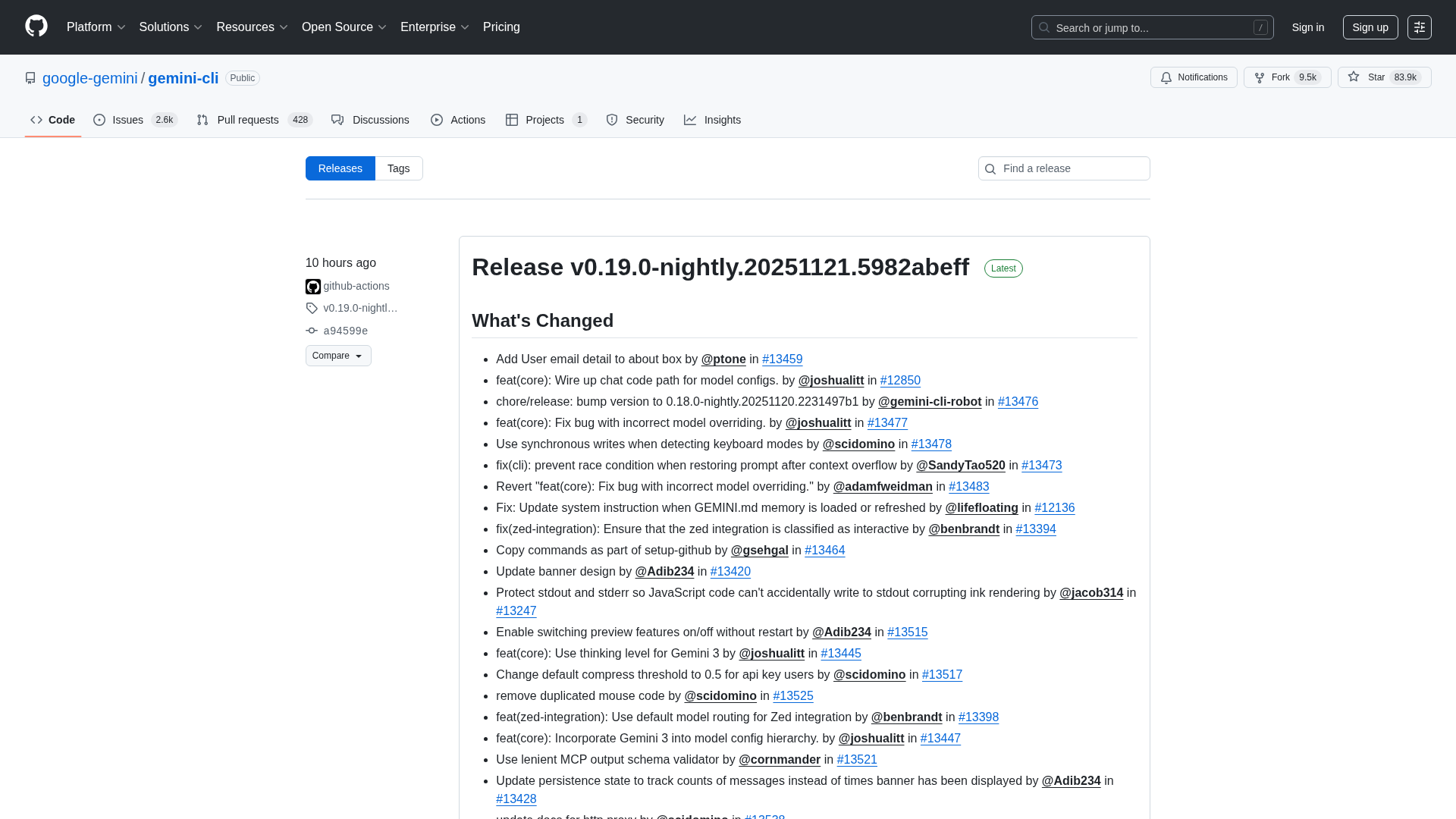
Overview of the Gemini CLI v0.36.0-preview release series, highlighting architectural, CLI, and UI changelogs across multiple pre-release versions.
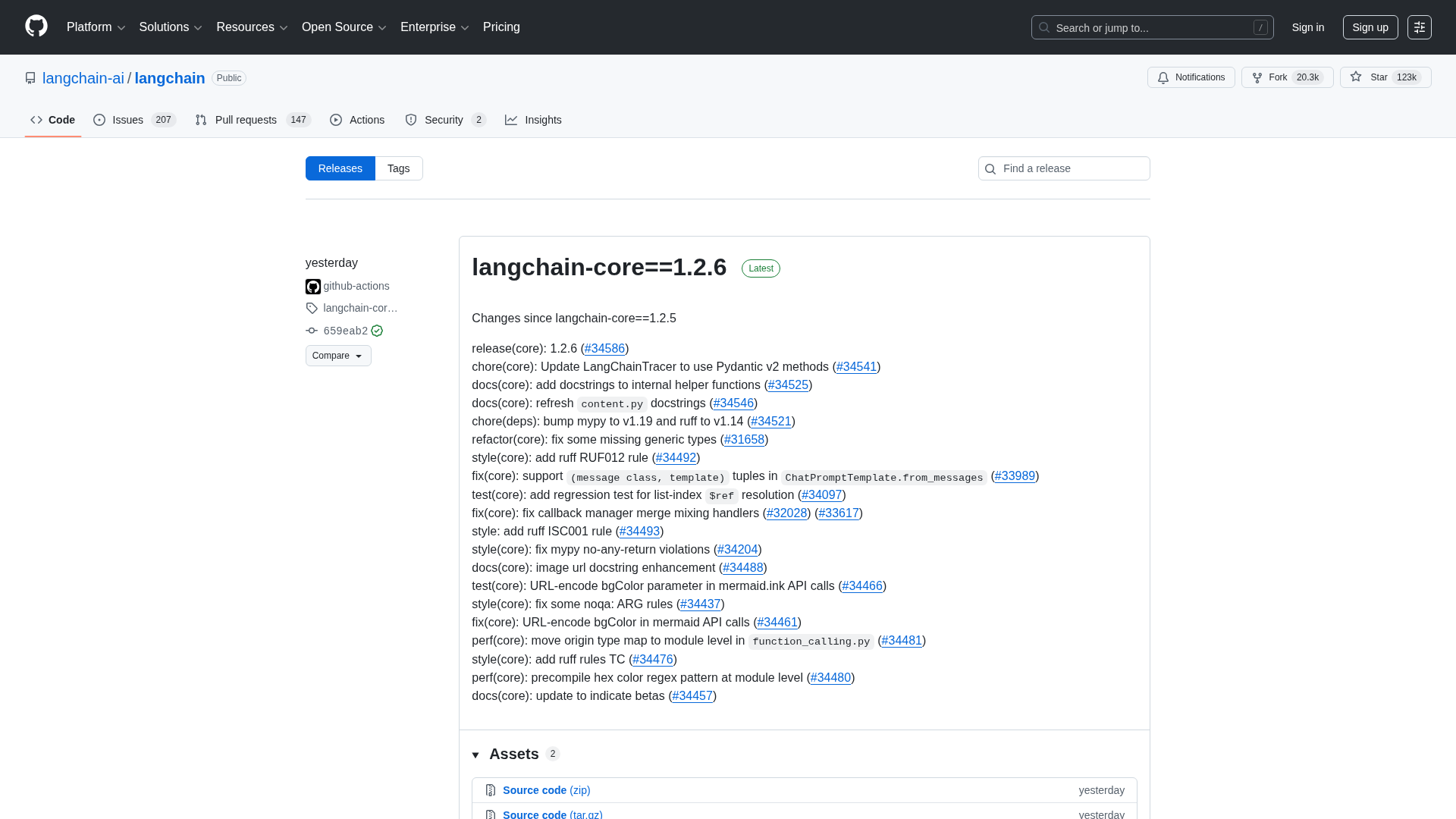
A comprehensive LangChain releases roundup detailing Core 1.2.6 and interconnected updates across XAI, OpenAI, Classic, and tests.
A reproducible bug where LangGraph with Gemini ignores tool results when a PDF is provided, even though the tool call succeeds.
A CLI tool to pull LangSmith traces and threads directly into your terminal for fast debugging and automation.
A practical guide to debugging deep agents with LangSmith using tracing, Polly AI analysis, and the LangSmith Fetch CLI.