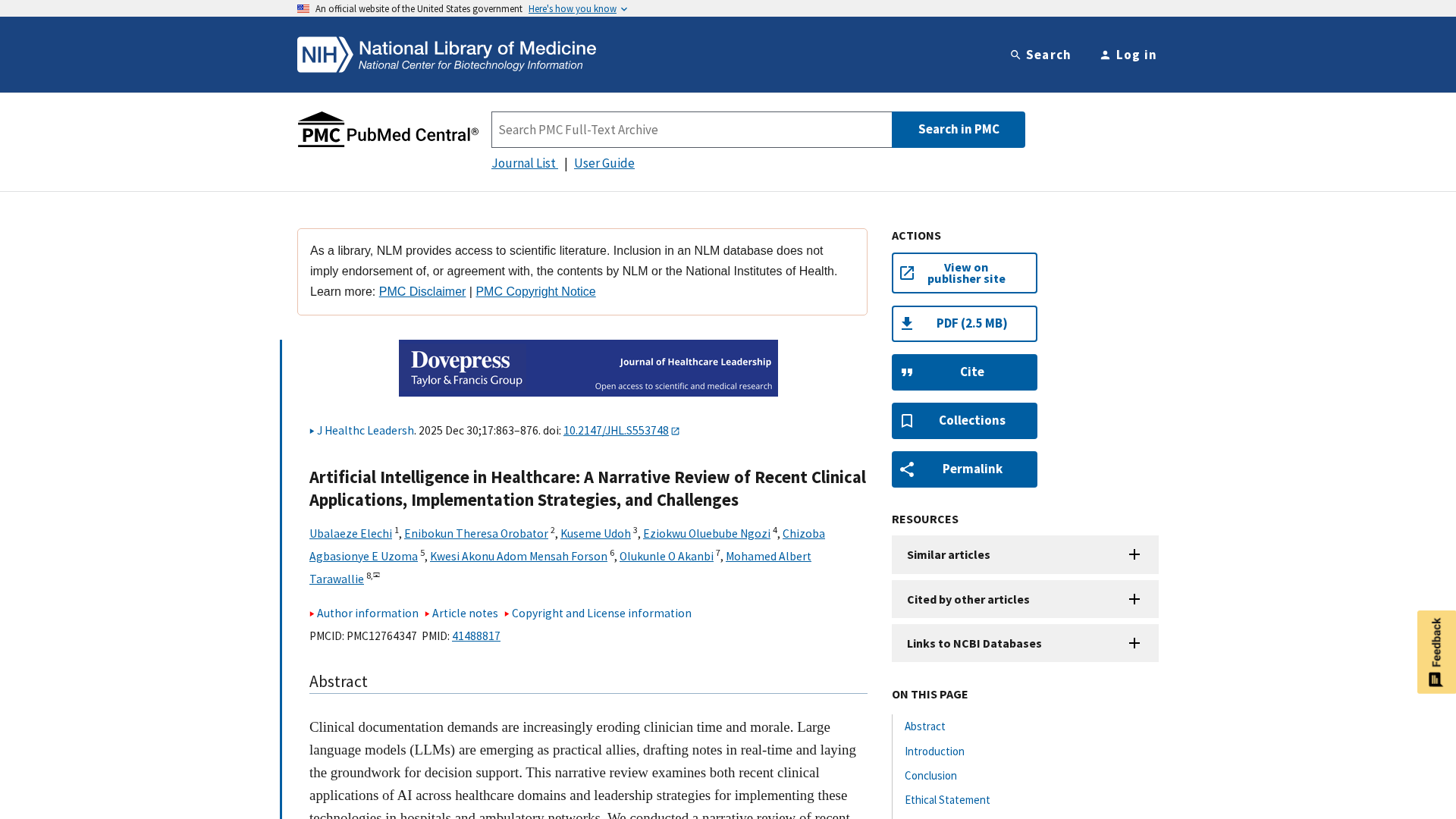
Topic Overview
This topic covers the leading enterprise AI platforms used in healthcare: systems that ingest clinical data, automate documentation, support patient and clinician conversations, and enforce security and regulatory controls. Demand for these platforms has grown as health systems adopt multimodal large language models, conversational agents, and voice AI to reduce clinician burden, accelerate coding and documentation, and triage routine patient interactions while protecting PHI. Key categories include AI Data Platforms (centralized data lakes, feature stores, and model-hosting for EHR-integrated workflows); Clinical Documentation Tools (LLM-assisted note generation, coding, and summarization); AI Security & Governance (model monitoring, lineage, access controls, and bias detection); and Regulatory Compliance Tools (audit trails, consent management, and controls for HIPAA/GDPR/EU AI Act compliance). Representative tools illustrate these roles: Google Gemini and Anthropic’s Claude provide multimodal and conversational LLM services for clinical summarization and decision support; IBM watsonx Assistant enables enterprise virtual agents and no-code or developer-driven assistants for patient-facing bots and clinician copilots; PolyAI and Observe.AI specialize in voice-first and contact-center AI for multilingual patient engagement and real-time agent assist. LangChain and similar engineering frameworks support building, testing, and orchestrating reliable agentic applications and integrations with EHRs and governance layers. As of 2026, healthcare deployments emphasize provable privacy, explainability, continuous monitoring, and tight integration with clinical workflows. Organizations evaluating platforms should weigh clinical accuracy, deployment model (private cloud/on‑prem), interoperability, and the vendor’s capabilities for security, auditability, and regulatory readiness.
Tool Rankings – Top 6

Enterprise virtual agents and AI assistants built with watsonx LLMs for no-code and developer-driven automation.

Google’s multimodal family of generative AI models and APIs for developers and enterprises.
Anthropic's Claude family: conversational and developer AI assistants for research, writing, code, and analysis.

Voice-first conversational AI for enterprise contact centers, delivering lifelike multilingual agents across voice, chat

Enterprise conversation-intelligence and GenAI platform for contact centers: voice agents, real-time assist, auto QA, &洞

Engineering platform and open-source frameworks to build, test, and deploy reliable AI agents.
Latest Articles (71)
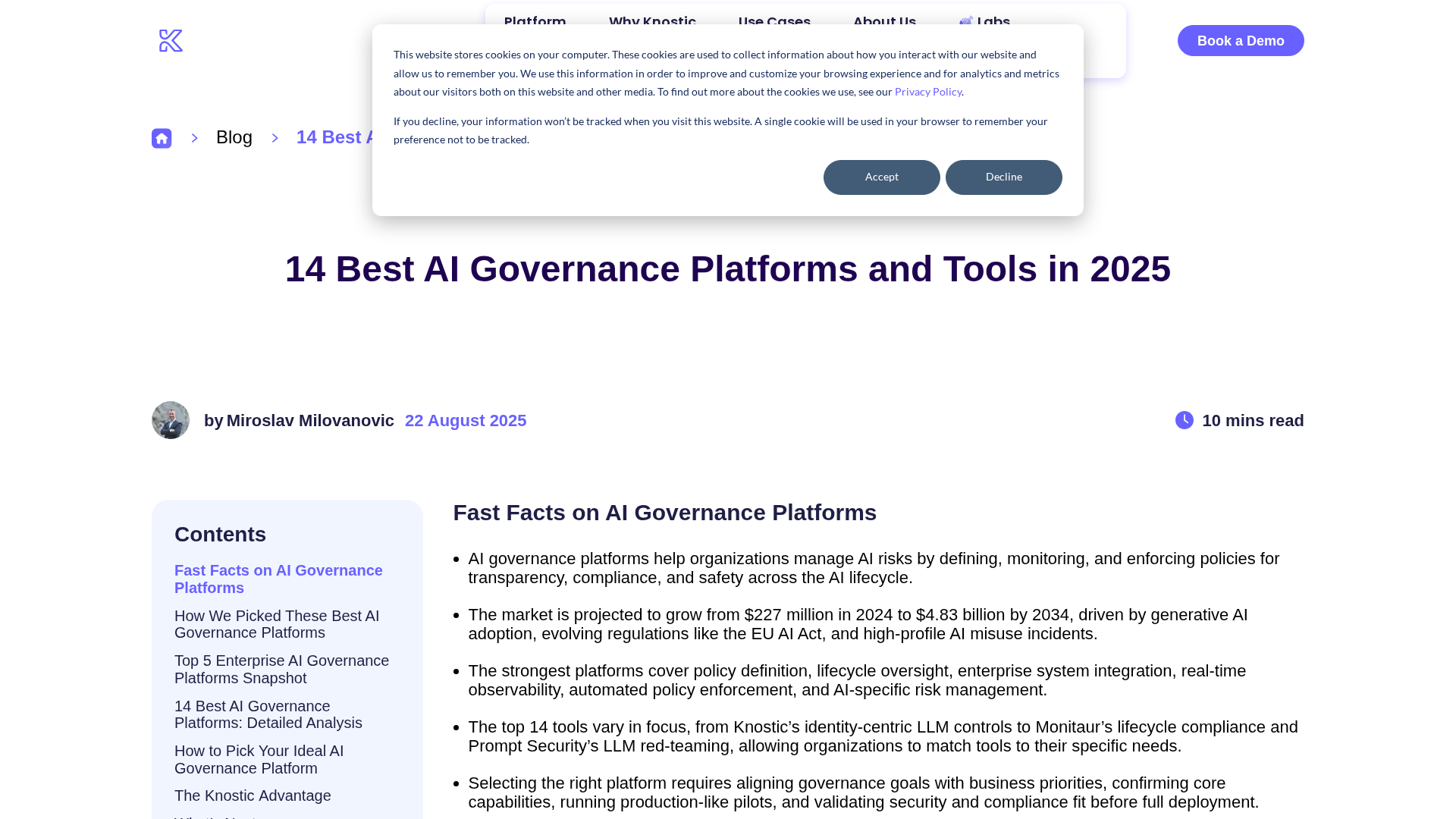
A vendor‑agnostic guide to the 14 best AI governance platforms in 2025, with criteria, comparisons, and practical buying guidance.
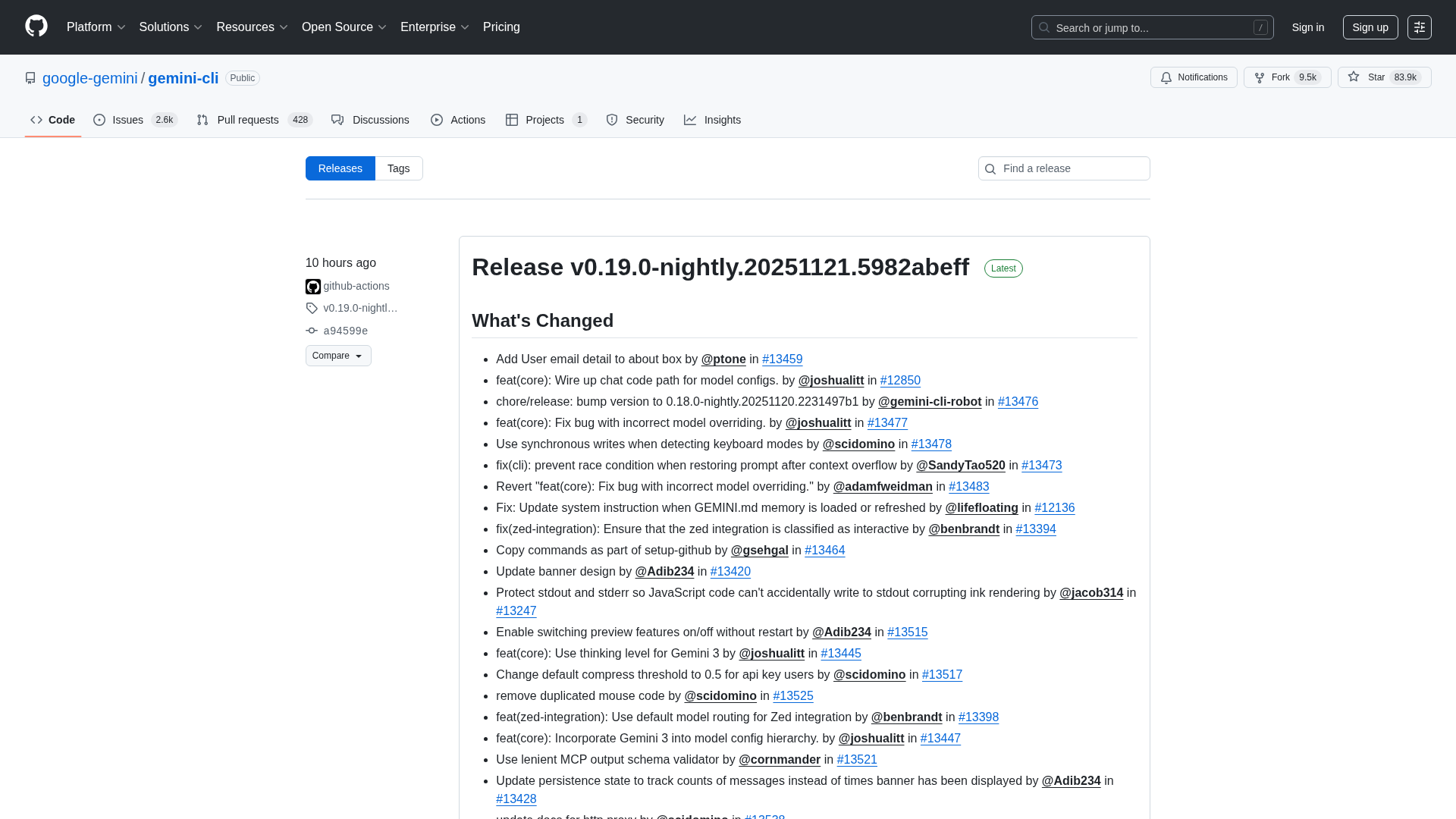
Overview of the Gemini CLI v0.36.0-preview release series, highlighting architectural, CLI, and UI changelogs across multiple pre-release versions.
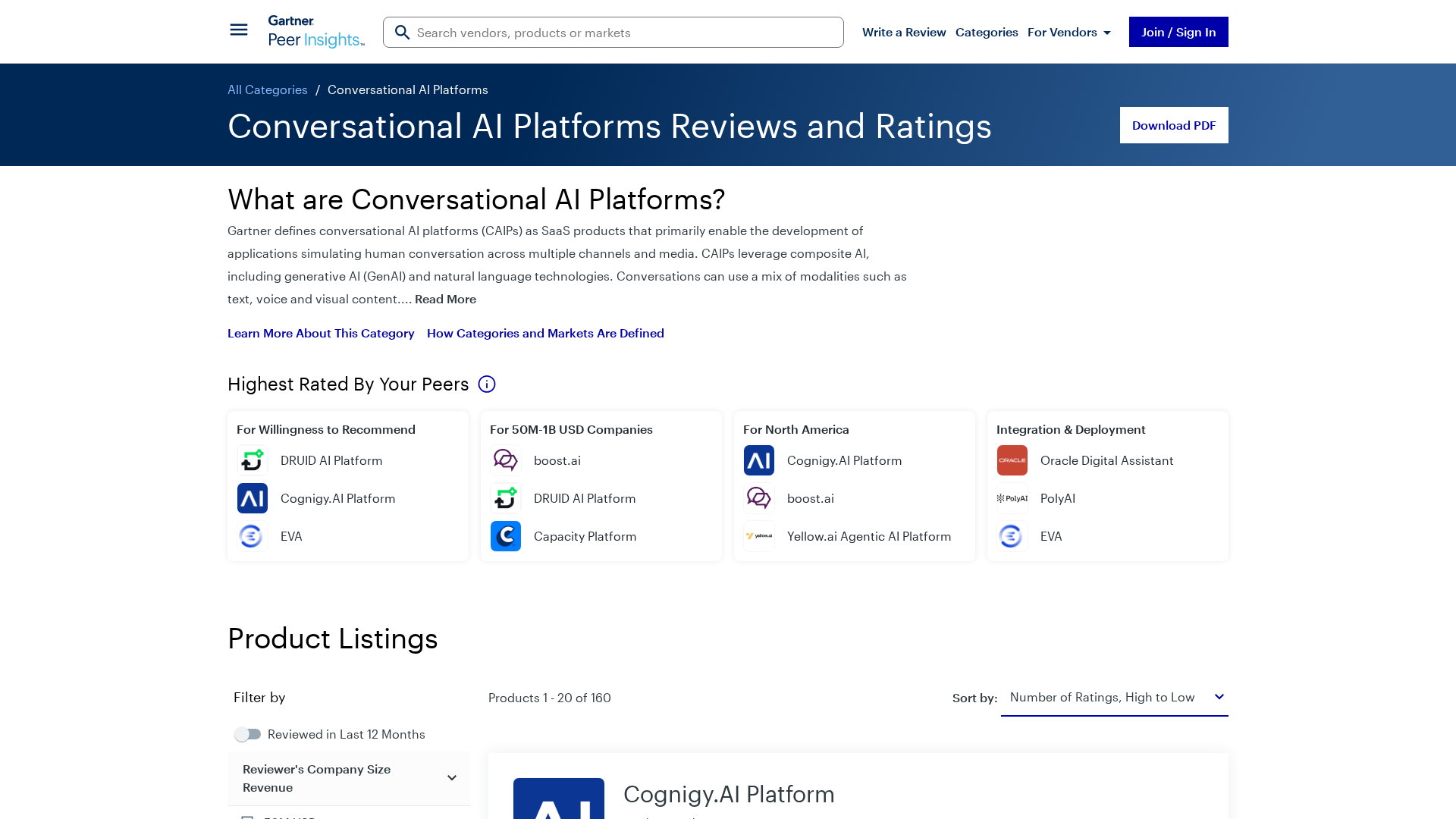
Gartner’s market view on conversational AI platforms, outlining trends, vendors, and buyer guidance.
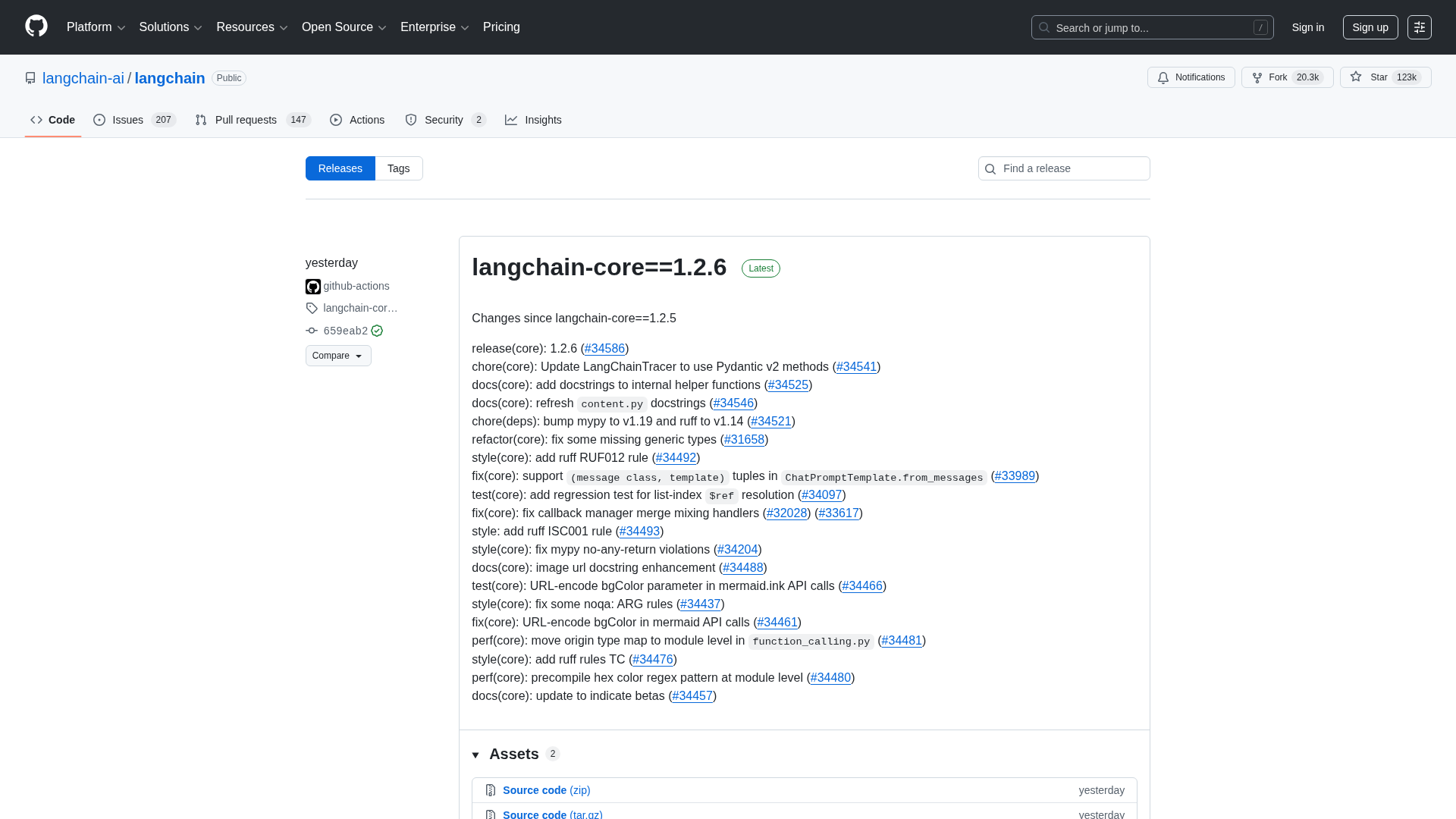
A comprehensive LangChain releases roundup detailing Core 1.2.6 and interconnected updates across XAI, OpenAI, Classic, and tests.

Cannot access the article content due to an access-denied error, preventing summarization.