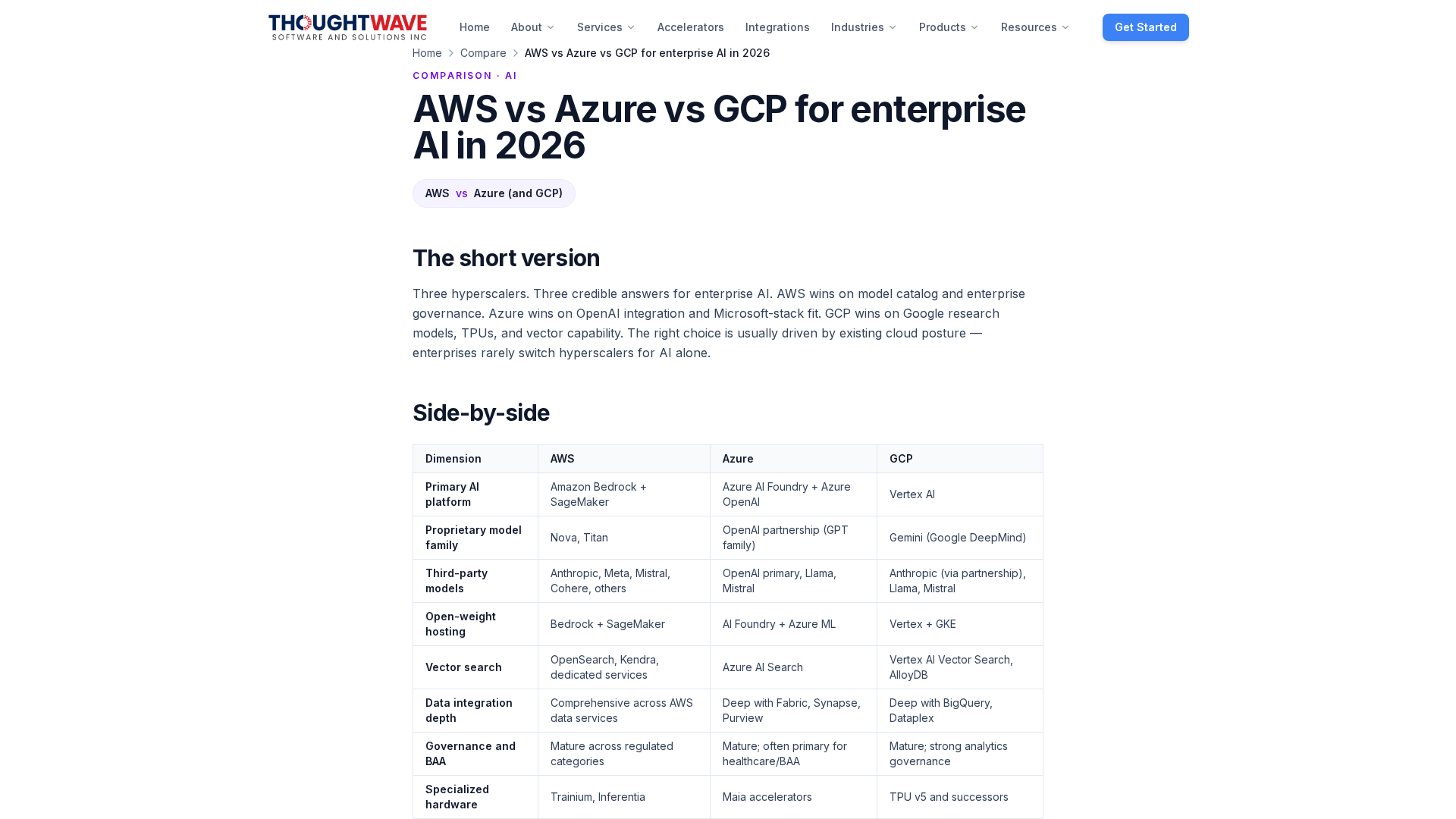
Topic Overview
This topic examines where to host frontier large language models (LLMs)—from hyperscale cloud offerings to specialist GPU hosts and self‑managed stacks—and how developer and MLOps tooling shapes those choices. As of 2026‑06‑02, organizations balance operational scale, data residency, model licensing, latency and cost: major clouds (AWS, Azure, GCP) provide integrated networking, compliance controls and global regions for enterprise deployments, while specialist hosts and private/self‑hosted approaches offer lower‑cost GPU access, tighter model control and privacy options. Tooling ecosystems influence hosting decisions. Developer frameworks like LangChain and LlamaIndex drive production RAG and agent patterns across clouds and self‑hosted runtimes. AutoGPT and MindStudio reflect two deployment patterns: autonomous agent stacks that can run on cloud or self‑hosted infrastructure, and no‑/low‑code platforms to accelerate deployments with enterprise controls. StationOps targets AWS‑focused AI DevOps; Replit and similar web‑native IDEs speed prototyping and cloud publishing. Self‑hosted assistants and code tools (Tabby, Tabnine, JetBrains AI Assistant, Qodo) emphasize private deployments and governance; AskCodi and API‑layer tools help route OpenAI‑compatible calls across providers or to custom models. Key considerations: choose hyperscalers for scale, SLAs and integrated compliance; choose specialist hosts or self‑hosting for cost predictability, model sovereignty and custom inference stacks. Prioritize observability, data pipelines and model update policies; evaluate how your RAG/agent frameworks and DevOps tooling integrate with chosen hosts. This landscape centers on infrastructure trade‑offs rather than one‑size‑fits‑all answers, making architecture, governance and developer workflow the deciding factors.
Tool Rankings – Top 6

Platform to build, deploy and run autonomous AI agents and automation workflows (self-hosted or cloud-hosted).

An open-source framework and platform to build, observe, and deploy reliable AI agents.

No-code/low-code visual platform to design, test, deploy, and operate AI agents rapidly, with enterprise controls and a
The AI DevOps Engineer for AWS
.avif)
Open-source, self-hosted AI coding assistant with IDE extensions, model serving, and local-first/cloud deployment.

AI-powered online IDE and platform to build, host, and ship apps quickly.
Latest Articles (74)
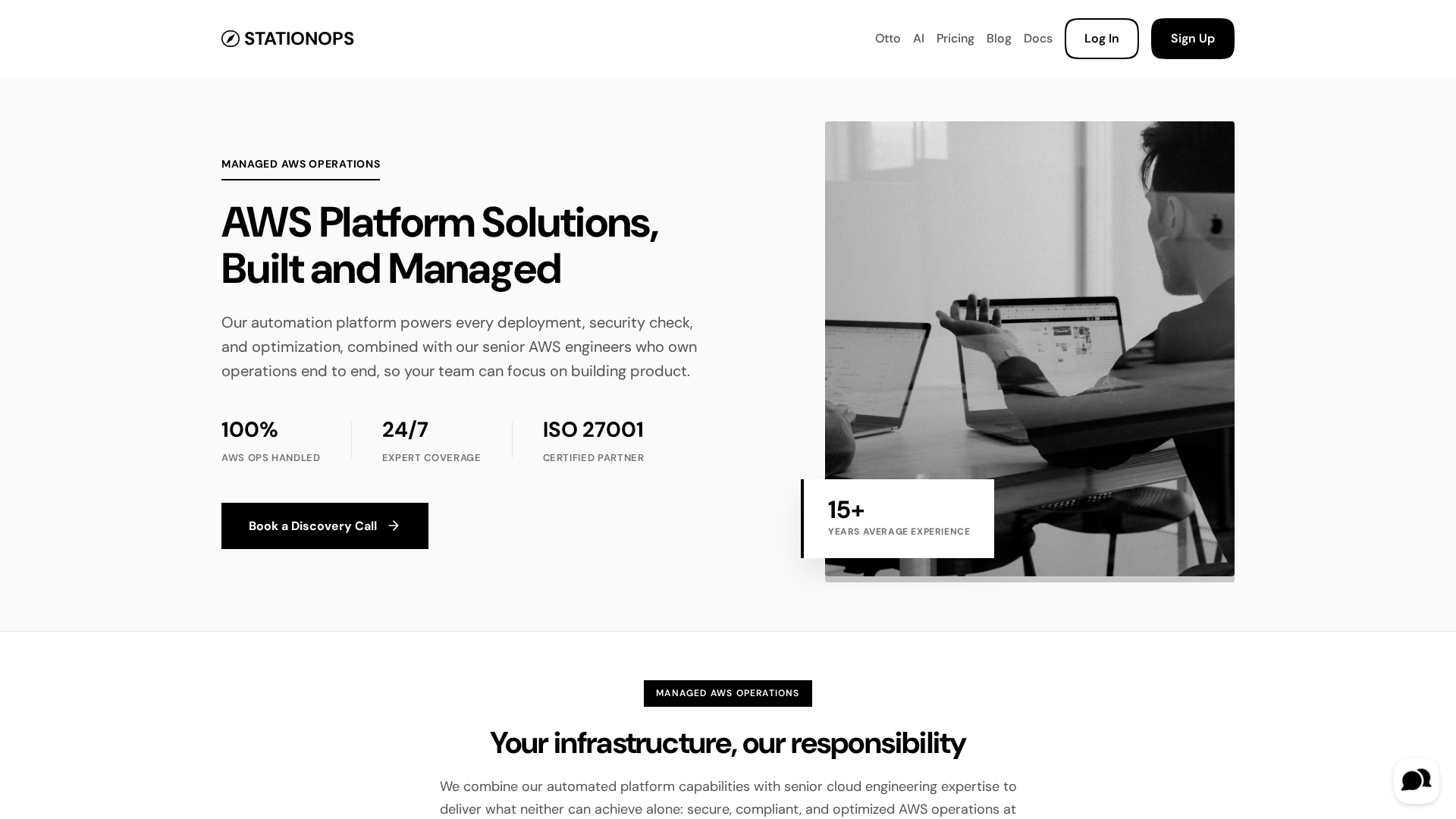
A managed internal developer platform for AWS that simplifies provisioning, deployment, and governance to accelerate software delivery.
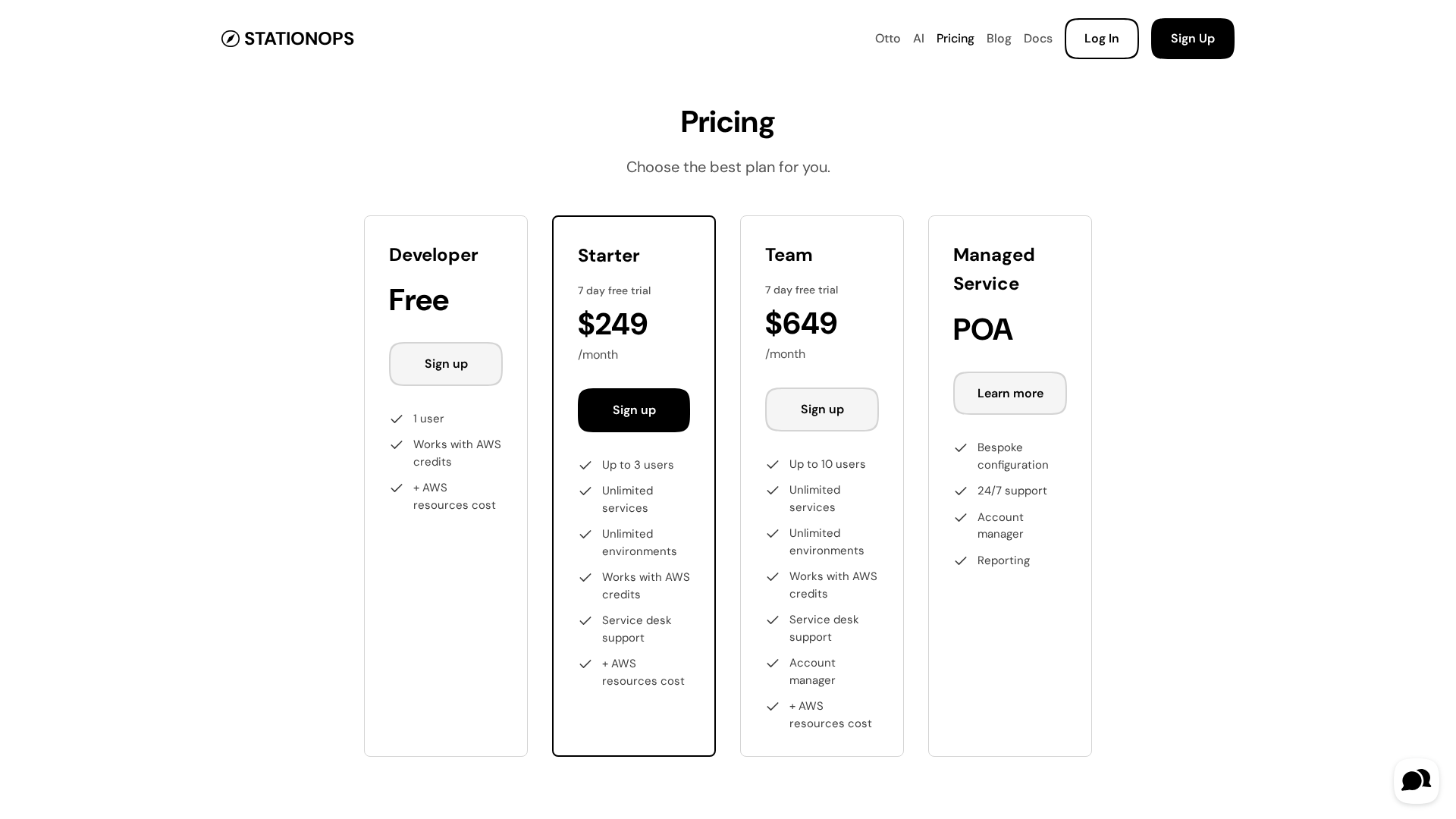
Pricing details for StationOps' AWS Internal Developer Platform, including tiers and features.
A concise look at how an internal developer platform on AWS accelerates delivery with governance and self-service.
A guided look at StationOps’ internal Dev Platform for AWS—enabling governed, self‑serve environments at scale.
An AWS-centric internal developer platform comparison between StationOps and Netlify.