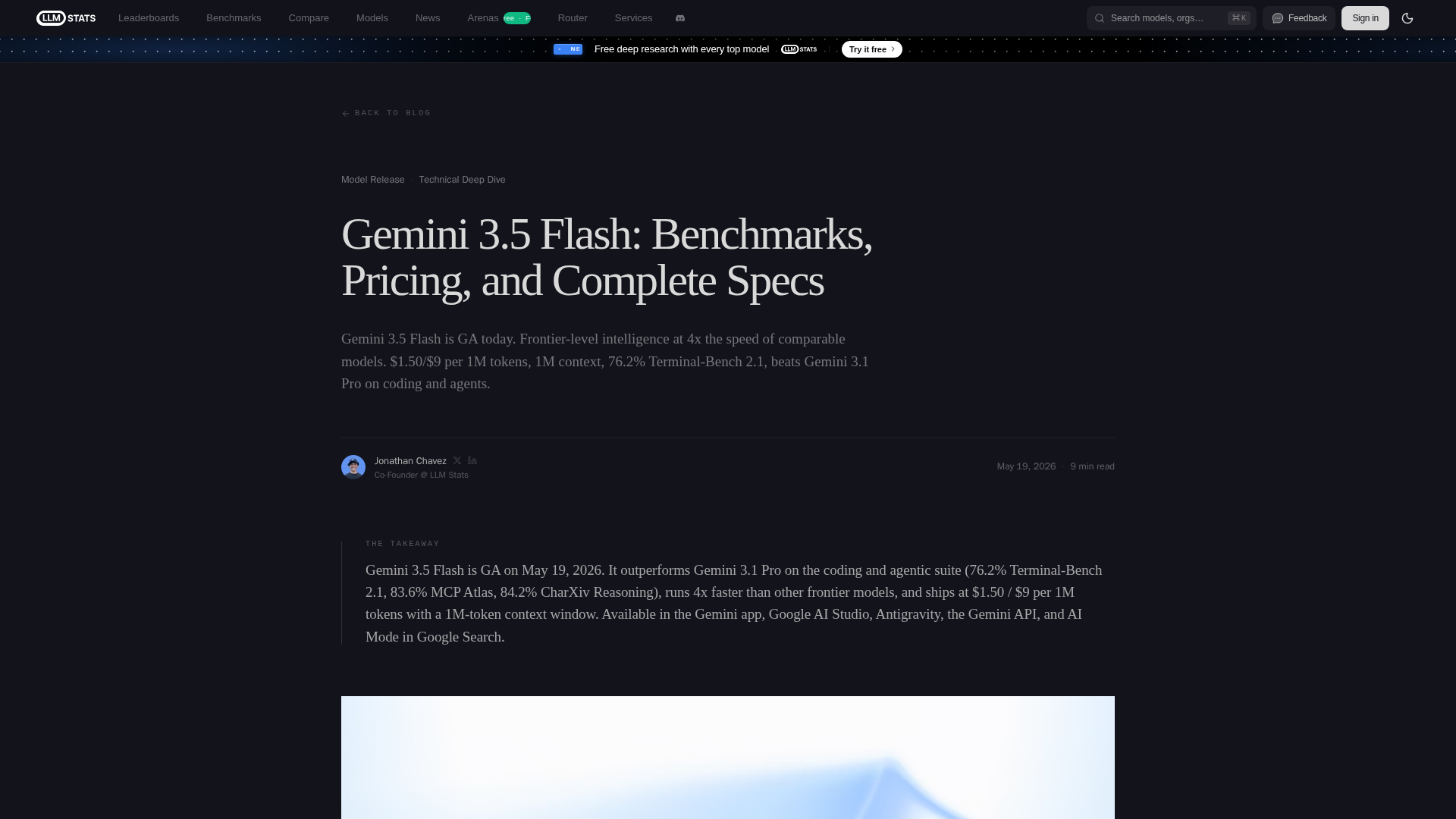
Topic Overview
This topic examines developer-facing LLM APIs and SDKs — from low-latency “flash” model variants (e.g., Gemini 3.5 Flash) to GPT-family endpoints and Grok-style offerings — and how they plug into agent frameworks, marketplaces, and code-assistant products. It’s about the practical trade-offs teams face when choosing models and integration stacks: latency, cost, context-window size, safety/guardrails, and options for self-hosting or enterprise governance. Relevance (June 2026): modern engineering teams increasingly deploy multi-model stacks and agentic workflows in production. That trend makes it timely to compare model-level characteristics (response speed, deterministic behavior, context length) with developer tooling that orchestrates, observes, and secures those models. Convergence of richer RAG primitives, multi-model orchestration, and tighter IDE integrations means choices at the API/SDK level directly affect developer productivity and system reliability. Key tools and roles: LangChain provides open-source SDKs and a commercial layer for building and deploying reliable LLM agents and orchestration; LlamaIndex focuses on turning unstructured content into scalable document agents and RAG pipelines; GitHub Copilot, Windsurf (formerly Codeium), Tabnine, and Amazon CodeWhisperer (now part of Amazon Q Developer) represent code-assistant integrations across IDEs, terminals, and enterprise stacks — ranging from cloud-hosted services to private/self-hosted options for governance-sensitive use cases. Agent marketplaces and commercial platforms sit atop these models and SDKs, enabling discovery, composition, and monetization of agent workflows. Practical takeaway: evaluate models and SDKs together — consider latency and cost (flash vs standard variants), toolchain compatibility (LangChain/LlamaIndex integrations), IDE & CI/CD hooks (Copilot, Windsurf, CodeWhisperer), and enterprise requirements like privacy and governance when selecting an LLM API/SDK for production developer tooling.
Tool Rankings – Top 6

An open-source framework and platform to build, observe, and deploy reliable AI agents.

An AI pair programmer that gives code completions, chat help, and autonomous agent workflows across editors, theterminal

AI-native IDE and agentic coding platform (Windsurf Editor) with Cascade agents, live previews, and multi-model support.

Enterprise-focused AI coding assistant emphasizing private/self-hosted deployments, governance, and context-aware code.

AI-driven coding assistant (now integrated with/rolling into Amazon Q Developer) that provides inline code suggestions,

Developer-focused platform to build AI document agents, orchestrate workflows, and scale RAG across enterprises.
Latest Articles (36)
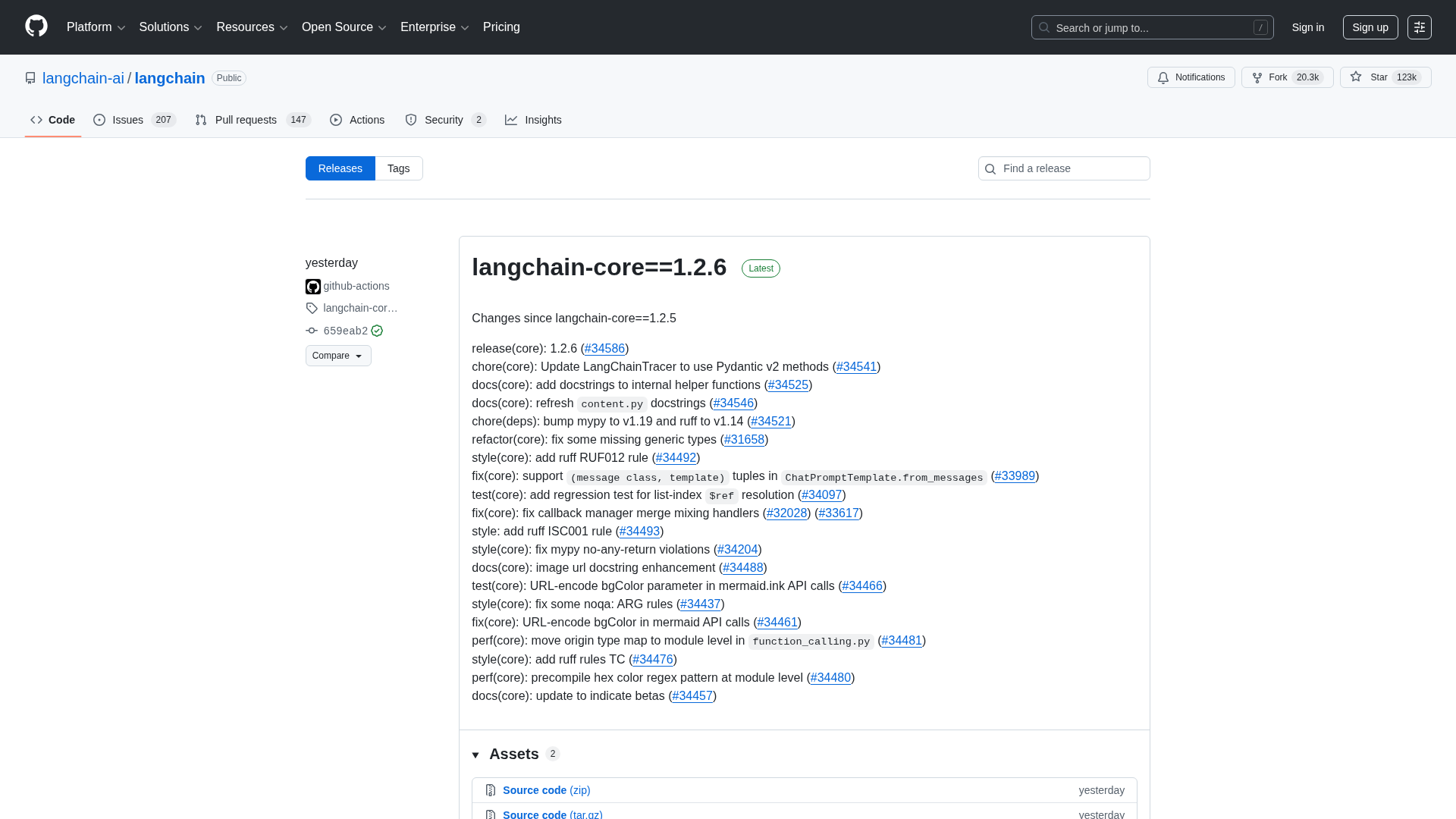
A comprehensive LangChain releases roundup detailing Core 1.2.6 and interconnected updates across XAI, OpenAI, Classic, and tests.
A reproducible bug where LangGraph with Gemini ignores tool results when a PDF is provided, even though the tool call succeeds.
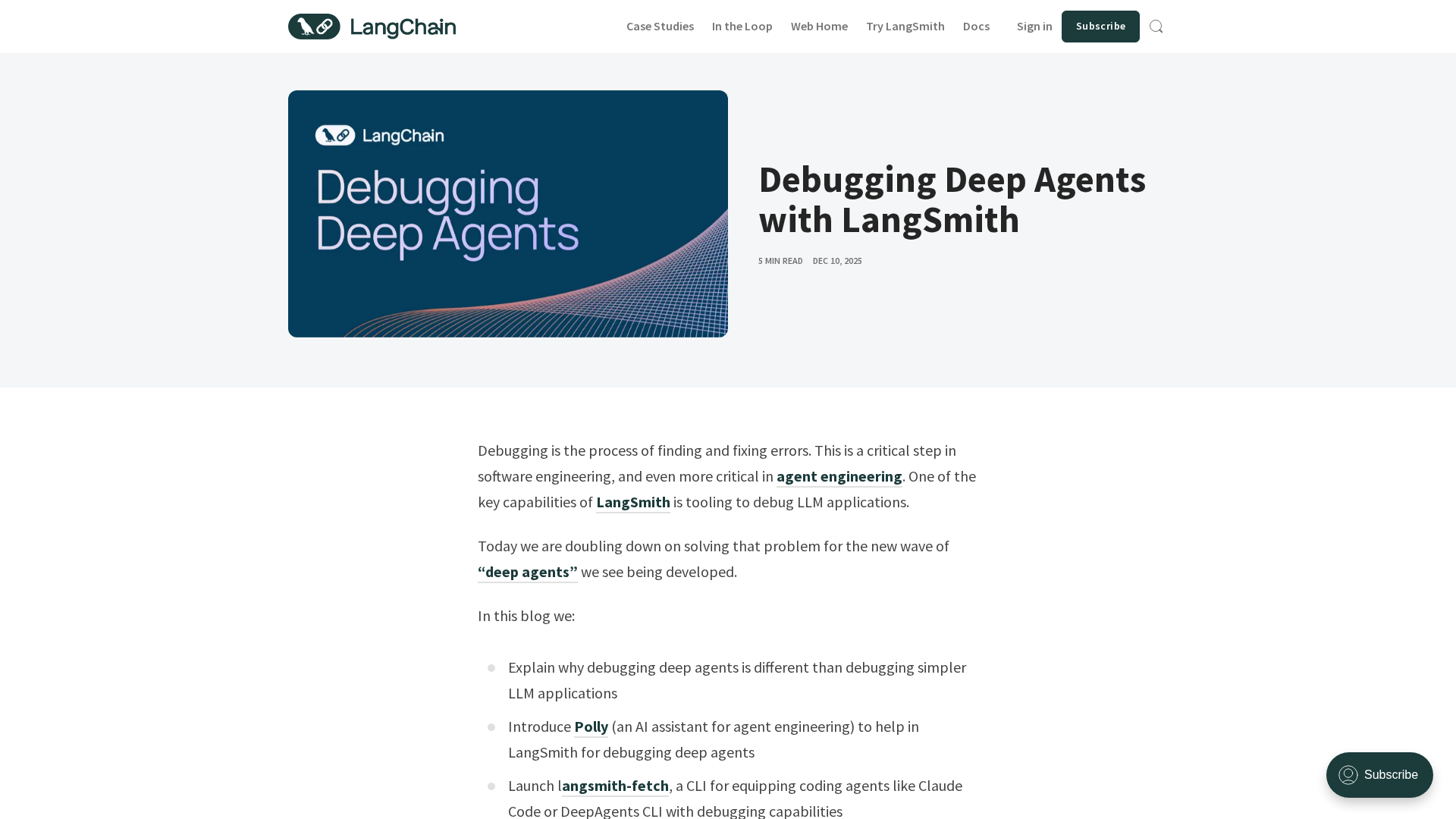
A practical guide to debugging deep agents with LangSmith using tracing, Polly AI analysis, and the LangSmith Fetch CLI.
A CLI tool to pull LangSmith traces and threads directly into your terminal for fast debugging and automation.
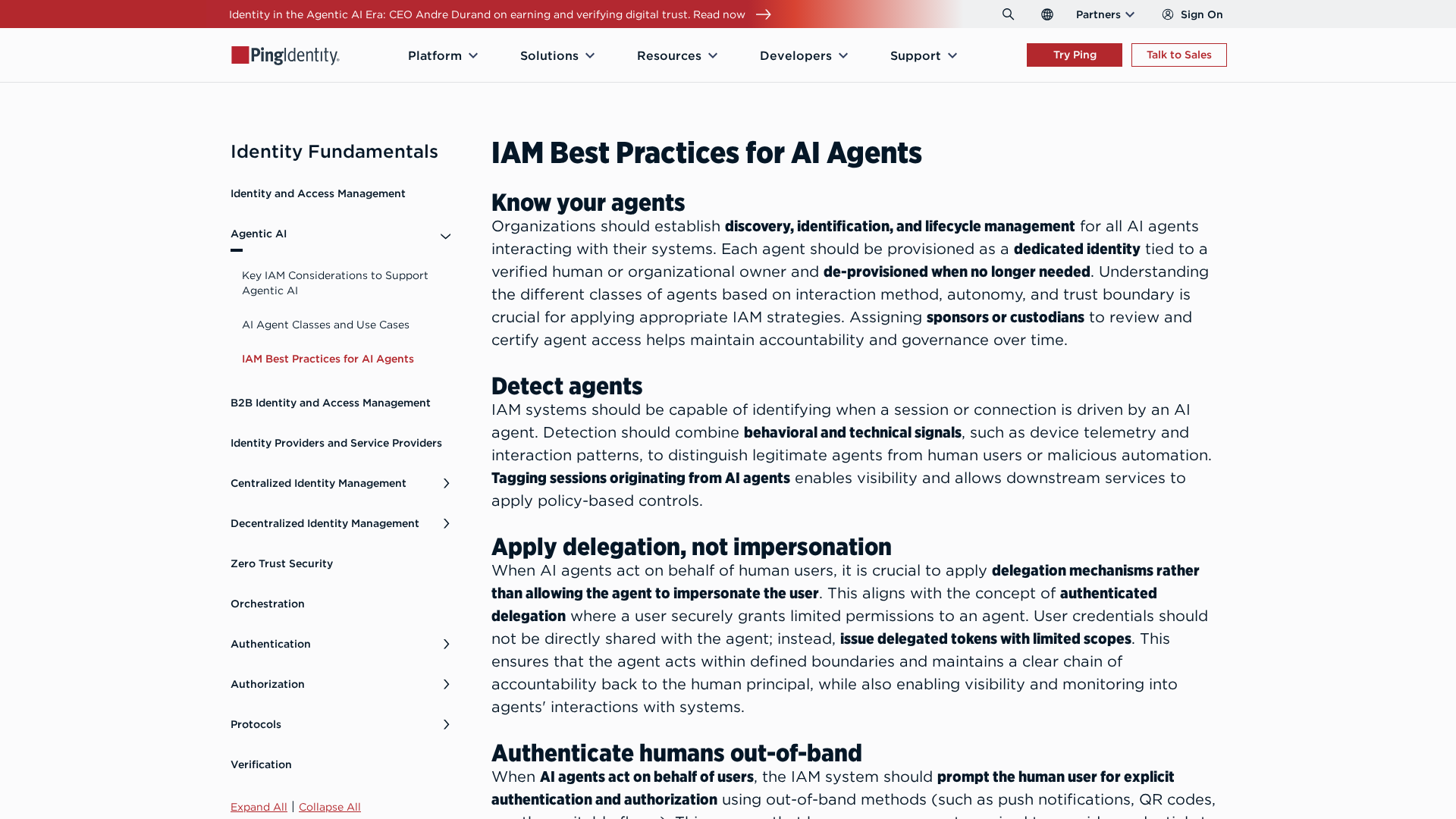
Best-practices for securing AI agents with identity management, delegated access, least privilege, and human oversight.