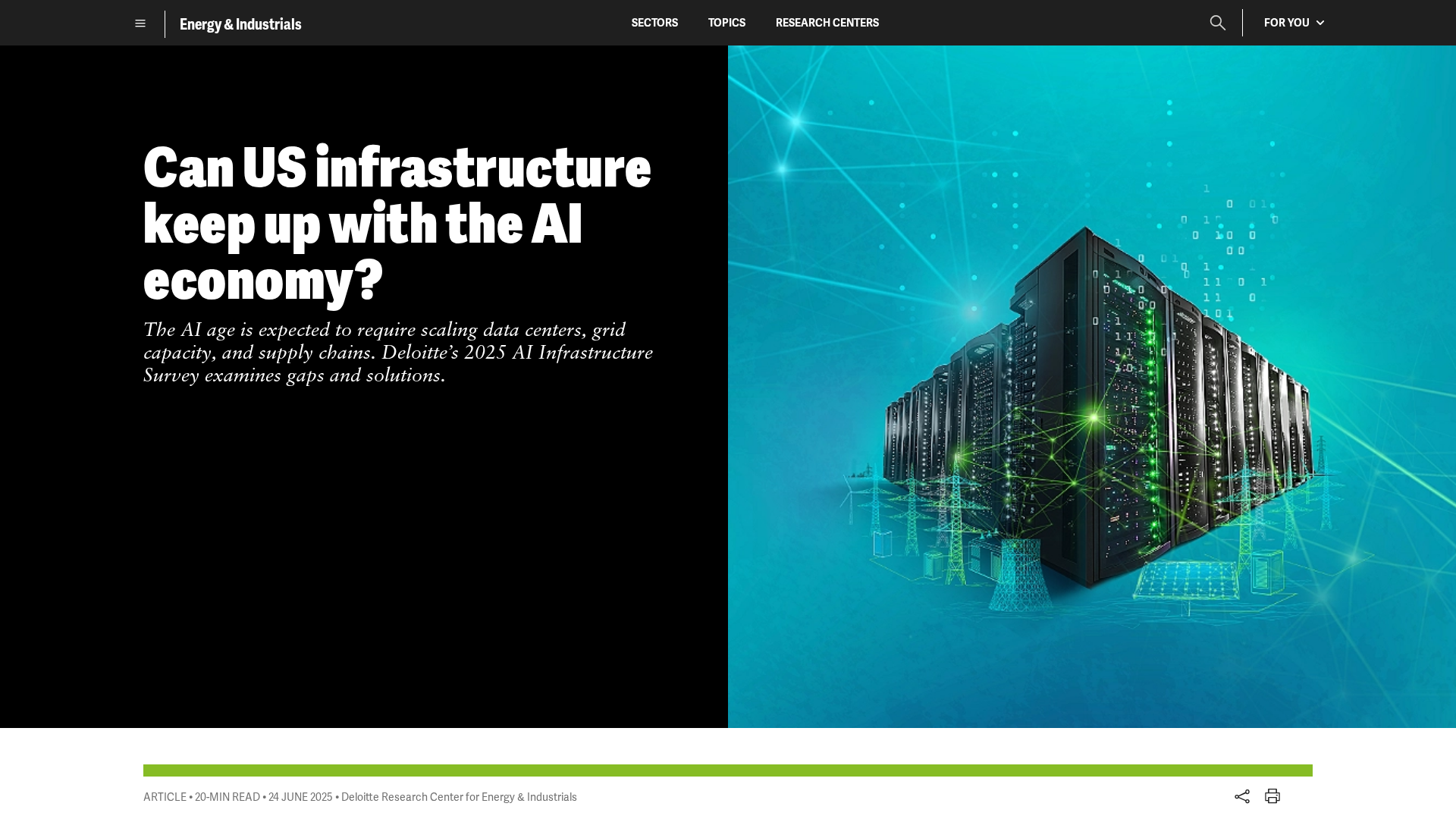
Topic Overview
This topic covers the infrastructure, data partnerships and financing approaches enterprises use to deploy production-grade AI while managing cost, compliance and specialized data needs. As organizations move from experimentation to scaled applications, they increasingly rely on vertical data partnerships (industry-specific, rights‑cleared datasets and co‑developed data pipelines) and a mix of provider models—cloud LLMs, private/hybrid stacks and emerging decentralized compute marketplaces—to control risk and unit economics. Relevance in 2026 stems from three forces: tighter regulatory and IP scrutiny requiring provenance and rights-cleared training data; rising inference and retraining costs that push firms toward creative financing (managed services, revenue-share contracts, data co-investments); and demand for domain-specialized models that standard generalists cannot match. Key tool categories illustrate the landscape: enterprise assistants and orchestration platforms (IBM watsonx Assistant) enable no‑code and developer workflows; foundational LLM families and APIs (Google Gemini, Anthropic Claude) supply multimodal model capacity; developer productivity and code‑security assistants (GitHub Copilot, Amazon CodeWhisperer/Amazon Q Developer, Tabnine) reduce engineer time-to-value and support private/self-hosted governance; agentic automation platforms (Adept) and AI-native CX managed services (Crescendo.ai) show how outcome‑focused procurement can blend software with financed human/AI delivery. Edge and domain data capture (Gather AI) and marketplace/connector projects (examples like StartNet) illustrate data sourcing and monetization pathways. Enterprises evaluating AI infrastructure should weigh data rights, governance, total cost of ownership, and financing structure alongside technical fit—selecting combinations of rights‑cleared data platforms, hybrid cloud or decentralized compute, and provider financing models that align incentives for long‑term, auditable deployments.
Tool Rankings – Top 6

Enterprise virtual agents and AI assistants built with watsonx LLMs for no-code and developer-driven automation.

Google’s multimodal family of generative AI models and APIs for developers and enterprises.
Anthropic's Claude family: conversational and developer AI assistants for research, writing, code, and analysis.

An AI pair programmer that gives code completions, chat help, and autonomous agent workflows across editors, theterminal

AI-driven coding assistant (now integrated with/rolling into Amazon Q Developer) that provides inline code suggestions,

Enterprise-focused AI coding assistant emphasizing private/self-hosted deployments, governance, and context-aware code.
Latest Articles (99)
A vendor‑agnostic guide to the 14 best AI governance platforms in 2025, with criteria, comparisons, and practical buying guidance.
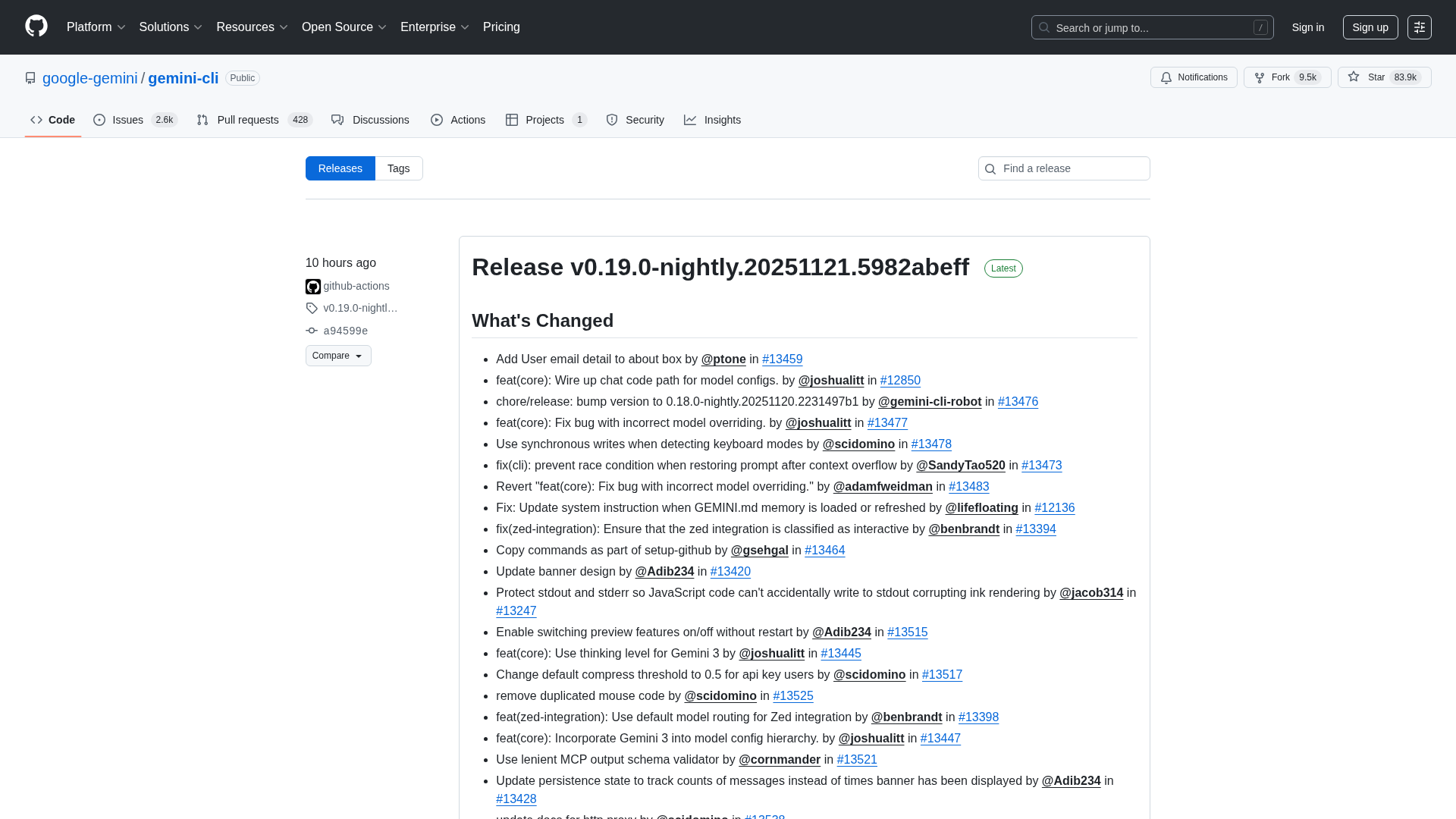
Overview of the Gemini CLI v0.36.0-preview release series, highlighting architectural, CLI, and UI changelogs across multiple pre-release versions.

Adobe nears a $19 billion deal to acquire Semrush, expanding its marketing software capabilities, according to WSJ reports.
Wolters Kluwer expands UpToDate Expert AI with UpToDate Lexidrug to bolster drug information and medication decision support.
A practical, step-by-step guide to fine-tuning large language models with open-source NLP tools.