Topic Overview
This topic examines two prevailing architectural patterns for enterprise GenAI stacks: cloud-native integrations that pair model providers (e.g., Anthropic’s Claude) with data platforms like Snowflake and AWS managed services, versus hybrid/container-based solutions built on Red Hat (OpenShift) combined with AWS infrastructure. It’s timely as of late 2025 because organizations are balancing rapid GenAI adoption with tighter regulatory scrutiny, data-residency requirements, and higher expectations for security, observability, and model governance. Cloud-native Anthropic+Snowflake+AWS stacks prioritize managed APIs, elastic compute, and integrated data-to-model workflows: Snowflake functions as the canonical enterprise data platform and vector store for retrieval-augmented generation (RAG), Anthropic’s Claude family provides hosted LLM capacity and conversational assistants, and AWS supplies identity, key management, serverless orchestration, and scalable inference. This model accelerates time-to-value for analytics, assistants, and RAG apps. Red Hat + AWS solutions emphasize hybrid/hypervisor-level control and portability: OpenShift and related operators enable containerized model serving, on-prem or multi-cloud deployments, and integration with enterprise CI/CD and compliance tooling. This approach suits regulated industries that need stricter data residency, offline inference, or custom model control. Complementary tooling shapes both patterns: engineering frameworks like LangChain support agent orchestration and RAG pipelines; platforms such as MindStudio, Cimba.AI, and IBM watsonx Assistant enable no‑code/low‑code agent development and governance; GitHub Copilot and specialist vendors like Harvey highlight verticalized assistant use cases. Governance and security controls — policy enforcement, audit logging, model lineage, and access controls — are central to both architectures. Choosing between these stacks depends on trade-offs in velocity, control, and compliance; many enterprises adopt hybrid combinations that leverage managed cloud services for experimentation while standardizing production on containerized, governed platforms.
Tool Rankings – Top 6
Anthropic's Claude family: conversational and developer AI assistants for research, writing, code, and analysis.

Engineering platform and open-source frameworks to build, test, and deploy reliable AI agents.

Enterprise virtual agents and AI assistants built with watsonx LLMs for no-code and developer-driven automation.

Platform to build, deploy and run autonomous AI agents and automation workflows (self-hosted or cloud-hosted).
An AI pair programmer that gives code completions, chat help, and autonomous agent workflows across editors, theterminal

No-code/low-code visual platform to design, test, deploy, and operate AI agents rapidly, with enterprise controls and a
Latest Articles (72)
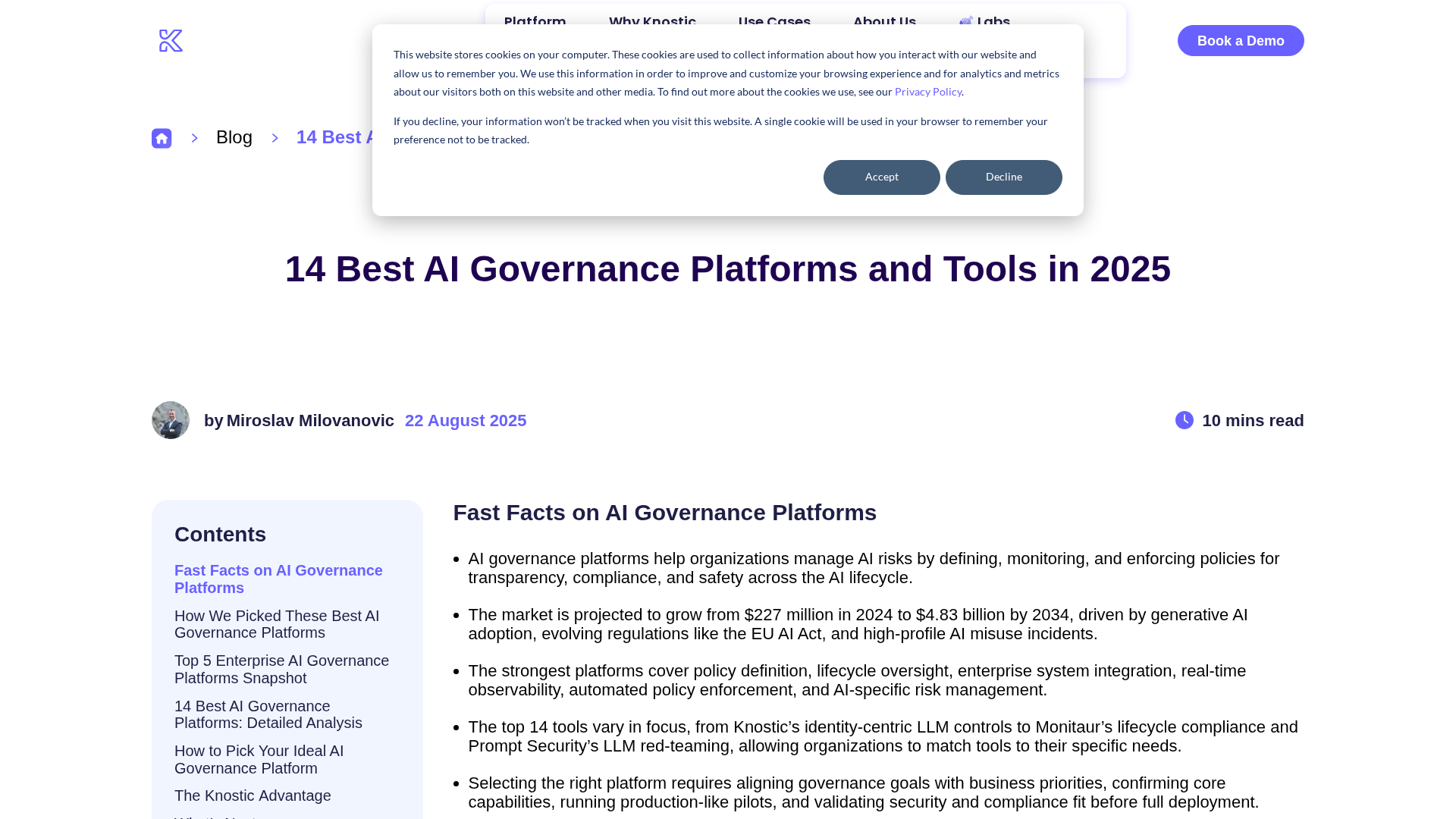
A vendor‑agnostic guide to the 14 best AI governance platforms in 2025, with criteria, comparisons, and practical buying guidance.
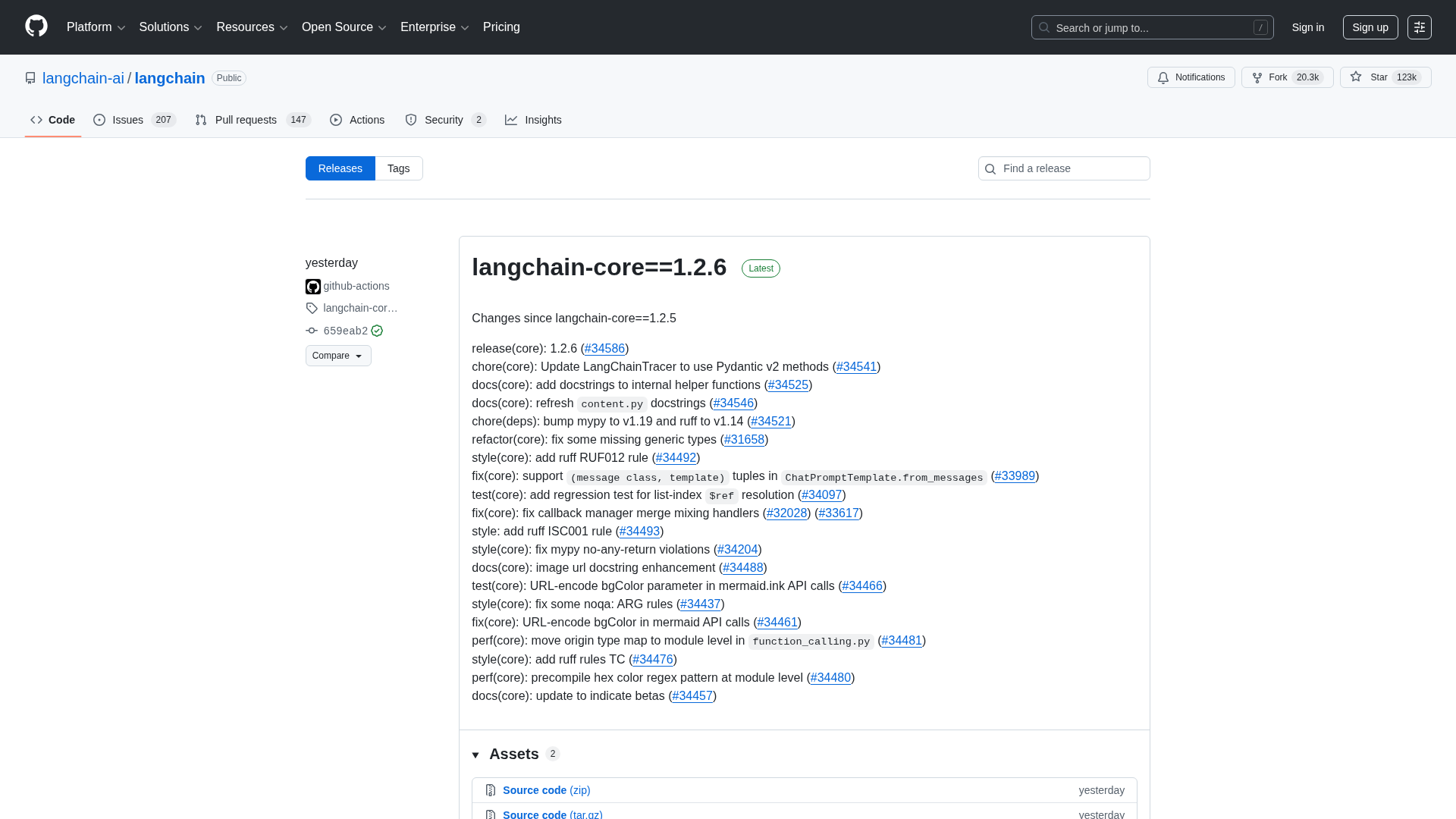
A comprehensive LangChain releases roundup detailing Core 1.2.6 and interconnected updates across XAI, OpenAI, Classic, and tests.

Cannot access the article content due to an access-denied error, preventing summarization.
Adobe nears a $19 billion deal to acquire Semrush, expanding its marketing software capabilities, according to WSJ reports.
Wolters Kluwer expands UpToDate Expert AI with UpToDate Lexidrug to bolster drug information and medication decision support.