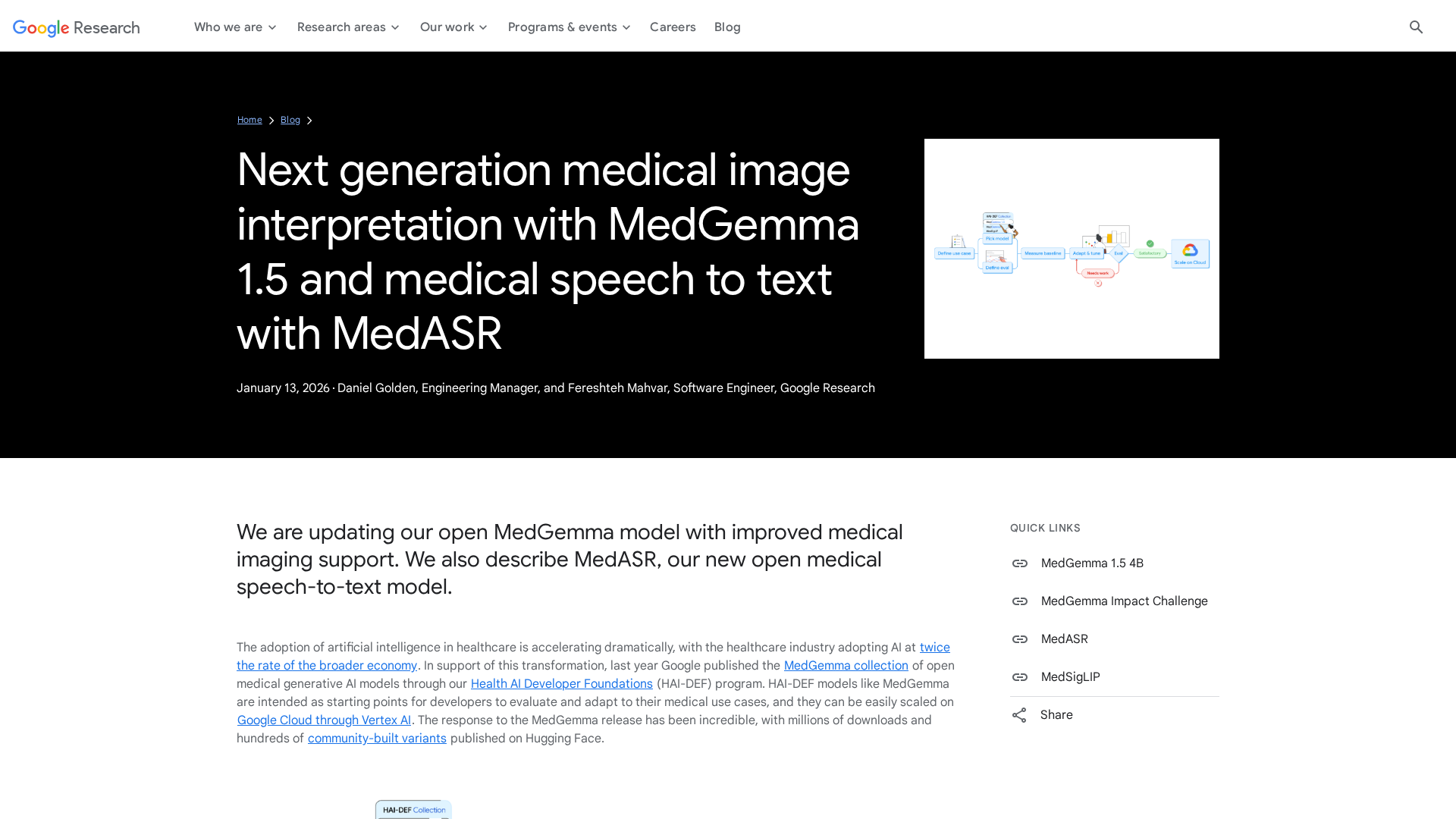
Topic Overview
This topic examines how Clinical AI and Healthcare Imaging platforms (e.g., Google Healthcare AI, DeepHealth, Drive Health) affect diagnostic accuracy and clinical workflows across hospital and edge settings. It covers three intersecting categories—Edge AI Vision Platforms, AI Data Platforms, and AI Tool Marketplaces—and the capabilities needed to validate, deploy, and monitor models in real-world care. Relevance in 2026 stems from broader clinical validation expectations, tighter regulatory and procurement standards, and operational pressure to integrate AI into PACS/EHR workflows with measurable outcomes. Key technical needs include reproducible training and evaluation, robust data versioning, provenance, low-latency on-device inference for triage, and ongoing performance monitoring to detect drift and bias. Representative tools and roles: Vertex AI (Google Cloud) provides end-to-end model training, fine-tuning, deployment and monitoring; Activeloop’s Deep Lake is an AI data platform for storing, versioning and indexing multimodal imaging and annotation datasets; LlamaIndex helps build retrieval-augmented clinical assistants that combine imaging outputs with chart and report data; OpenPipe captures interaction logs and supports fine-tuning and evaluation; Cohere supplies private LLMs and embeddings for secure clinical NLP; PDF.ai enables rapid Q&A over reports and PDFs. AI marketplaces and model registries (e.g., Vertex Model Garden and vendor marketplaces) are increasingly used to discover third-party clinical models and to compare validated performance metrics. Practical considerations include balancing sensitivity/ specificity trade-offs, integrating human review and explainability, ensuring data governance and interoperability, and instrumenting post-deployment evaluation. The focus is less on novelty and more on reproducible accuracy, workflow impact, and maintainable deployment pipelines that meet clinical and regulatory requirements.
Tool Rankings – Top 6

Unified, fully-managed Google Cloud platform for building, training, deploying, and monitoring ML and GenAI models.

Deep Lake: a multimodal database for AI that stores, versions, streams, and indexes unstructured ML data with vector/RAG

Developer-focused platform to build AI document agents, orchestrate workflows, and scale RAG across enterprises.

Managed platform to collect LLM interaction data, fine-tune models, evaluate them, and host optimized inference.
Chat with your PDFs using AI to get instant answers, summaries, and key insights.

Enterprise-focused LLM platform offering private, customizable models, embeddings, retrieval, and search.
Latest Articles (69)
Best-practices for securing AI agents with identity management, delegated access, least privilege, and human oversight.
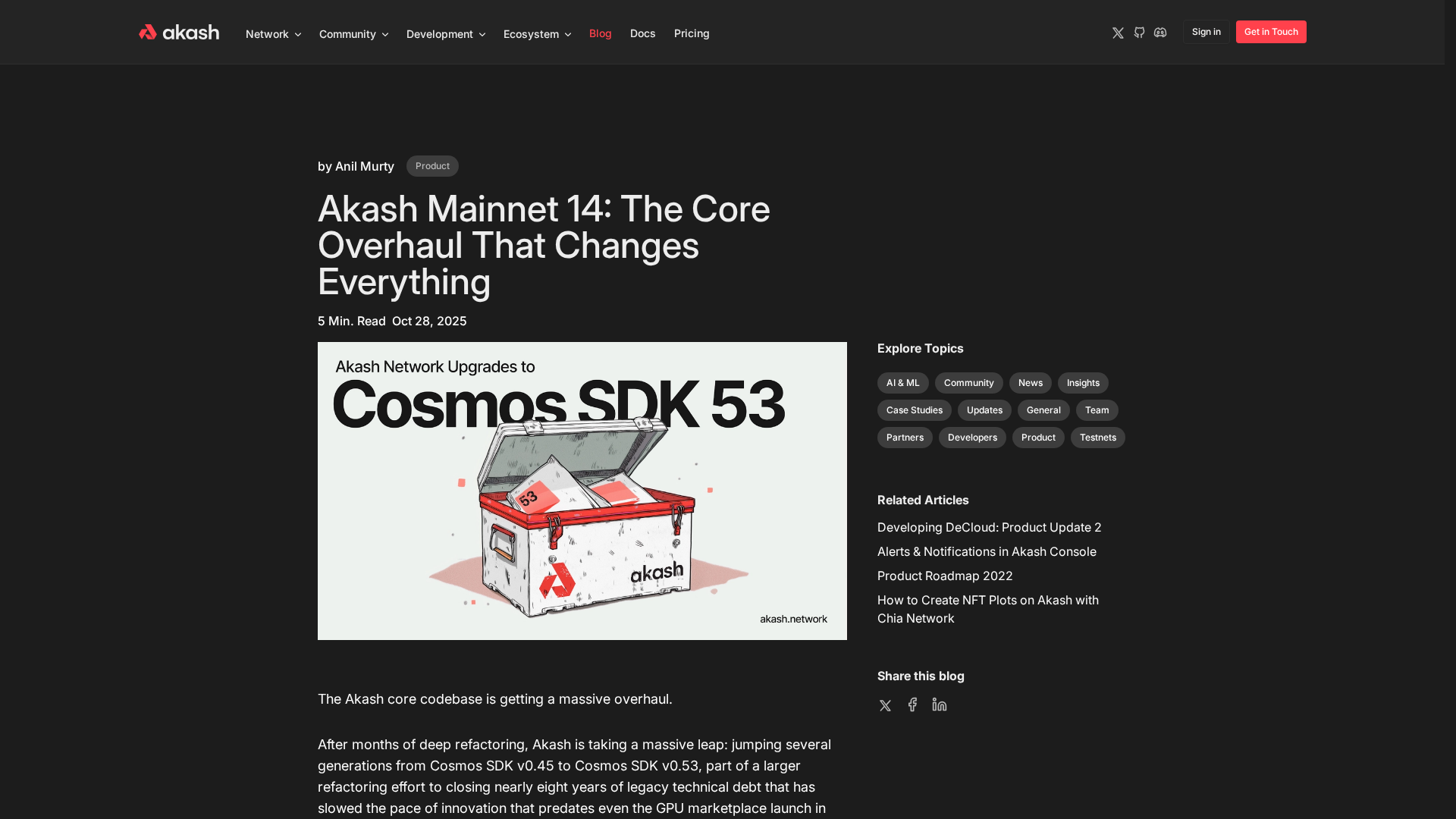
A foundational Core overhauL that speeds up development, simplifies authentication with JWT, and accelerates governance for Akash's decentralized cloud.
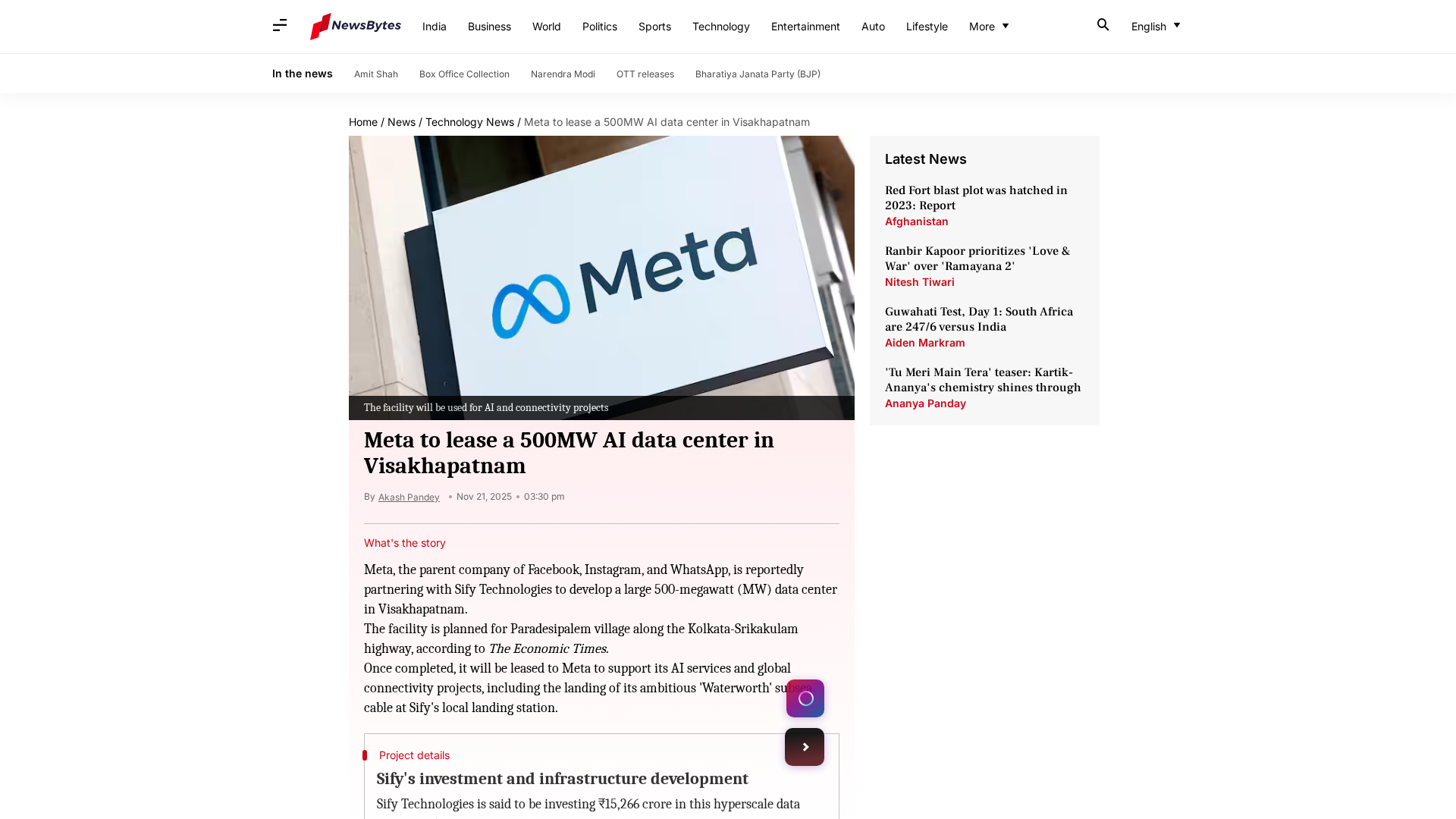
Meta plans a 500MW AI data center in Visakhapatnam with Sify, linked to the Waterworth subsea cable.
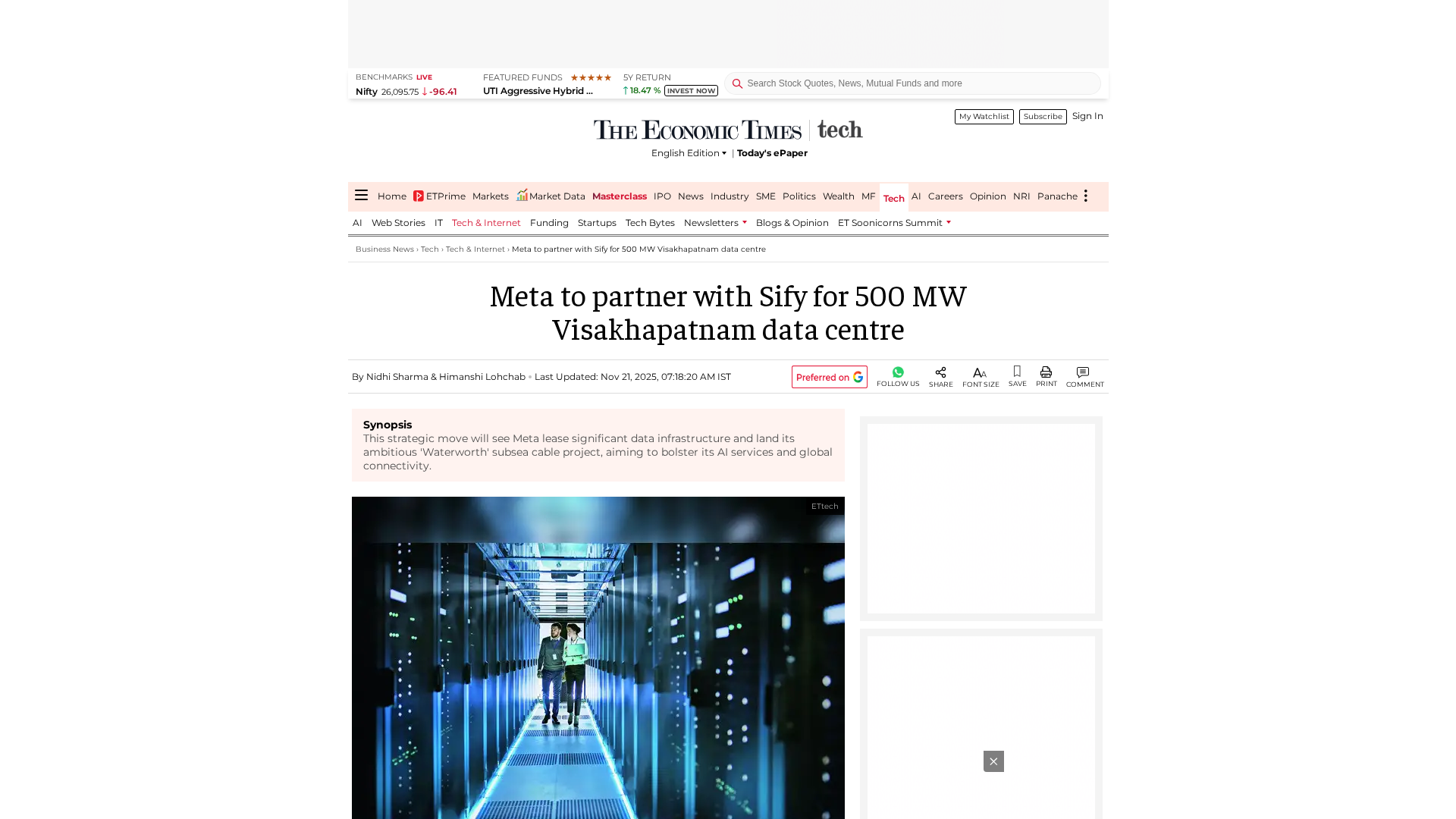
Meta to lease 500 MW Visakhapatnam data centre capacity from Sify and land Waterworth submarine cable.

A practical, prompt-based playbook showing how Gemini 3 reshapes work, with a 90‑day plan and guardrails.