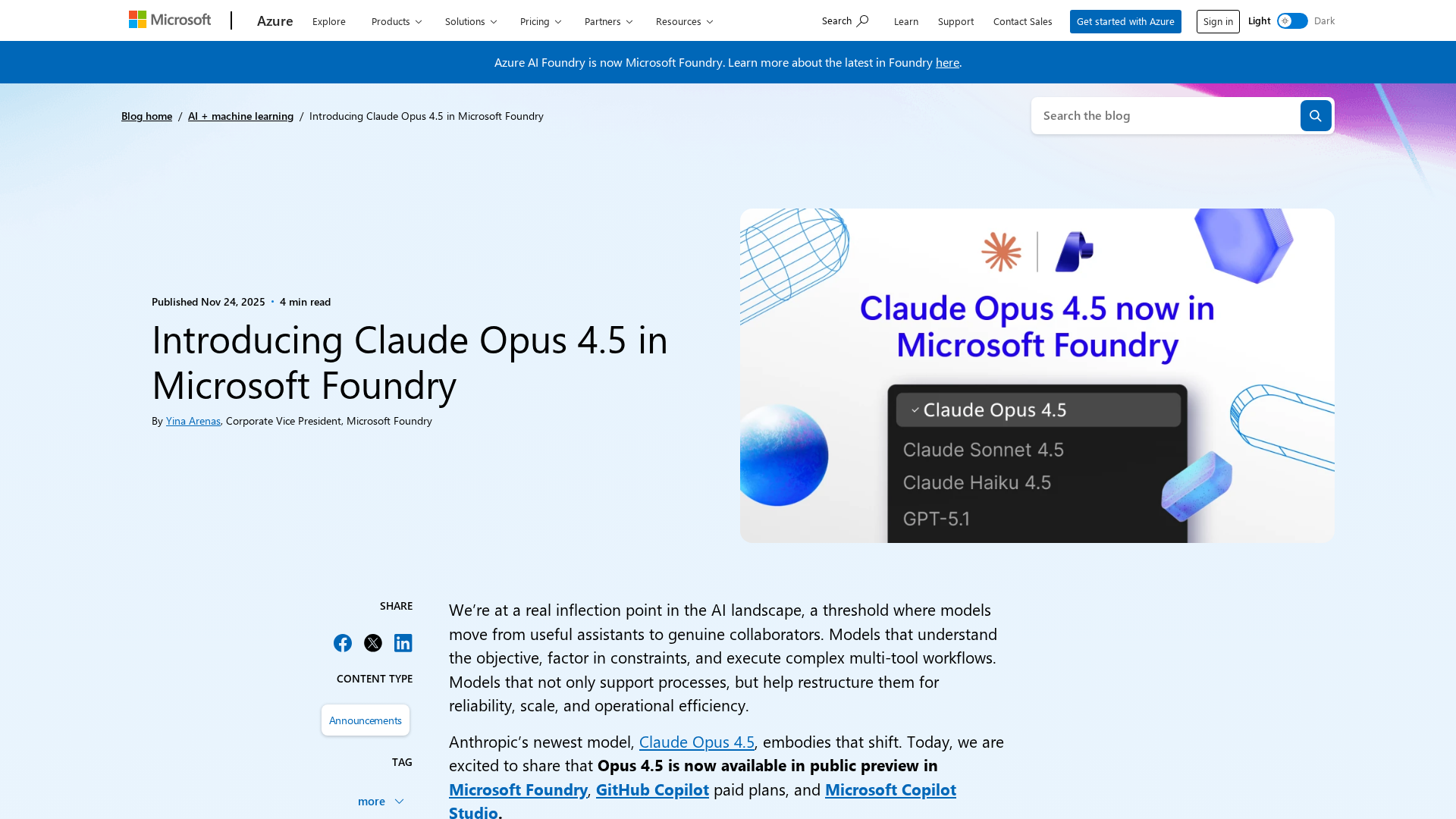
Topic Overview
This topic covers the move from research-scale large language models to production-grade, low-latency LLMs—typified by models such as Google Gemini 3 Flash and Anthropic Claude Opus—and the operational, architectural, and governance implications for enterprise AI. Low-latency models are designed for real-time assistants, interactive coding workflows, and high-throughput automation where response time, cost predictability, and reliability matter. Relevance (2025): organizations are embedding fast LLMs into customer-facing agents, developer tools, and business apps, driving demand for test automation, robust data platforms, decentralized deployment, and tightened security governance. Key techniques enabling this shift include model specialization (e.g., code-focused variants), quantization and distillation, optimized inference stacks, and hybrid edge/cloud serving to meet latency SLAs and privacy constraints. Tools and roles: Anthropic’s Claude family provides conversational and developer assistants for writing, analysis, and research tasks; IBM watsonx Assistant targets enterprise virtual agents and multi-agent orchestrations for automation; Microsoft 365 Copilot integrates LLM capabilities into productivity apps for contextual insights; Windsurf (formerly Codeium) offers an AI-native IDE and agentic coding platform to keep developers in flow; Code Llama is a code-specialized Llama variant optimized for generation and completion; Tabnine emphasizes enterprise code assistance with private or self-hosted deployments for governance and context awareness. Across categories—GenAI Test Automation, AI Data Platforms, Decentralized AI Infrastructure, and AI Security Governance—teams must align performance engineering, data pipelines (retrieval-augmented workflows, streaming embeddings), distributed serving, and policy controls (privacy, provenance, auditing). The practical focus is on integrating fast LLMs into production stacks while maintaining reproducibility, cost control, and security.
Tool Rankings – Top 6
Anthropic's Claude family: conversational and developer AI assistants for research, writing, code, and analysis.

Enterprise virtual agents and AI assistants built with watsonx LLMs for no-code and developer-driven automation.
AI assistant integrated across Microsoft 365 apps to boost productivity, creativity, and data insights.

AI-native IDE and agentic coding platform (Windsurf Editor) with Cascade agents, live previews, and multi-model support.
Code-specialized Llama family from Meta optimized for code generation, completion, and code-aware natural-language tasks

Enterprise-focused AI coding assistant emphasizing private/self-hosted deployments, governance, and context-aware code.
Latest Articles (58)
A vendor‑agnostic guide to the 14 best AI governance platforms in 2025, with criteria, comparisons, and practical buying guidance.
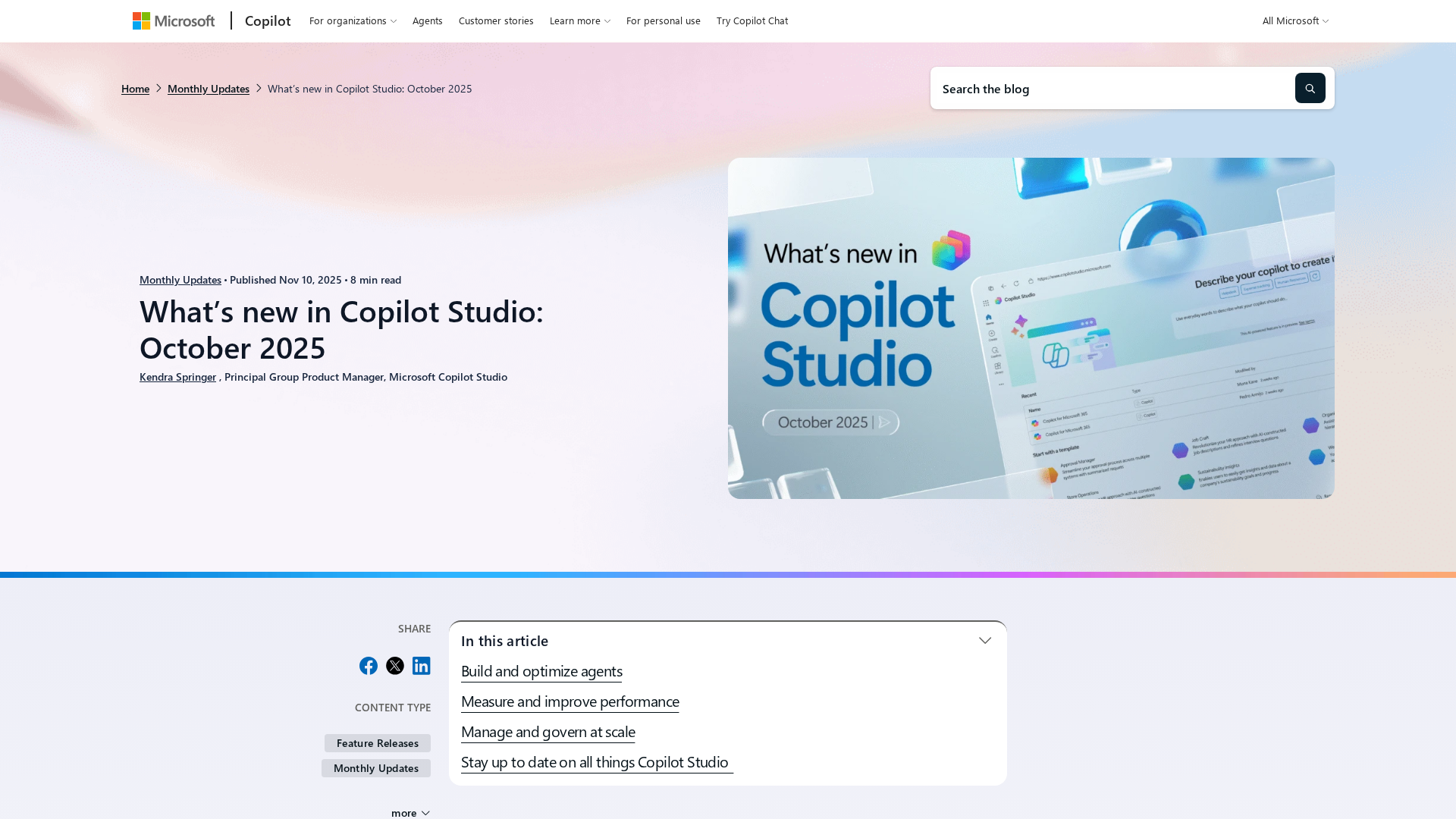
A comprehensive October 2025 roundup of Copilot Studio’s new testing, model, and governance features.

Adobe nears a $19 billion deal to acquire Semrush, expanding its marketing software capabilities, according to WSJ reports.
Wolters Kluwer expands UpToDate Expert AI with UpToDate Lexidrug to bolster drug information and medication decision support.
A practical, step-by-step guide to fine-tuning large language models with open-source NLP tools.