Topic Overview
This topic surveys the current landscape of generative chatbots and virtual assistants — from consumer-facing multimodal models to enterprise virtual agents and conversation-intelligence platforms. It covers foundational model families (e.g., Anthropic’s Claude and Google’s Gemini), LLM platform providers (Cohere), enterprise assistant products (IBM watsonx Assistant, Kore.ai, Yellow.ai), productivity-integrated helpers (Notion), and browser/mobile assistants (Minion AI). Relevance in late 2025 comes from wider enterprise deployments, maturation of multimodal and retrieval-augmented approaches, and growing emphasis on governance, observability, and private/customizable models. Organizations are moving beyond single-turn chat to orchestrated multi-agent workflows and integrated assistants that automate CX and EX processes, handle knowledge retrieval, and fit into developer and no-code toolchains. Key tools and roles: Claude (Anthropic) and Google Gemini serve as multimodal conversational model families and developer APIs for research, writing, code, and analysis; Cohere offers enterprise-grade customizable LLMs, embeddings, and retrieval primitives; IBM watsonx Assistant focuses on no-code and developer-driven virtual agents for enterprise automation; Kore.ai and Yellow.ai provide platforms for building, deploying, and orchestrating multi-agent workflows with governance and observability for CX/EX; Notion embeds AI into a unified workspace for knowledge, docs and automations; Minion AI targets in-browser and mobile assistant use cases. Understanding this space requires evaluating model capabilities, integration and deployment options, data privacy and control, and operational features (monitoring, explainability, multi-channel support). Buyers should weigh multimodal capabilities, developer APIs, enterprise governance, and how assistants will connect to internal knowledge and workflows.
Tool Rankings – Top 6
Anthropic's Claude family: conversational and developer AI assistants for research, writing, code, and analysis.

Google’s multimodal family of generative AI models and APIs for developers and enterprises.

Enterprise virtual agents and AI assistants built with watsonx LLMs for no-code and developer-driven automation.

Enterprise AI agent platform for building, deploying and orchestrating multi-agent workflows with governance, observabil

Enterprise agentic AI platform for CX and EX automation, building autonomous, human-like agents across channels.
A single, block-based AI-enabled workspace that combines docs, knowledge, databases, automation, and integrations to sup
Latest Articles (104)
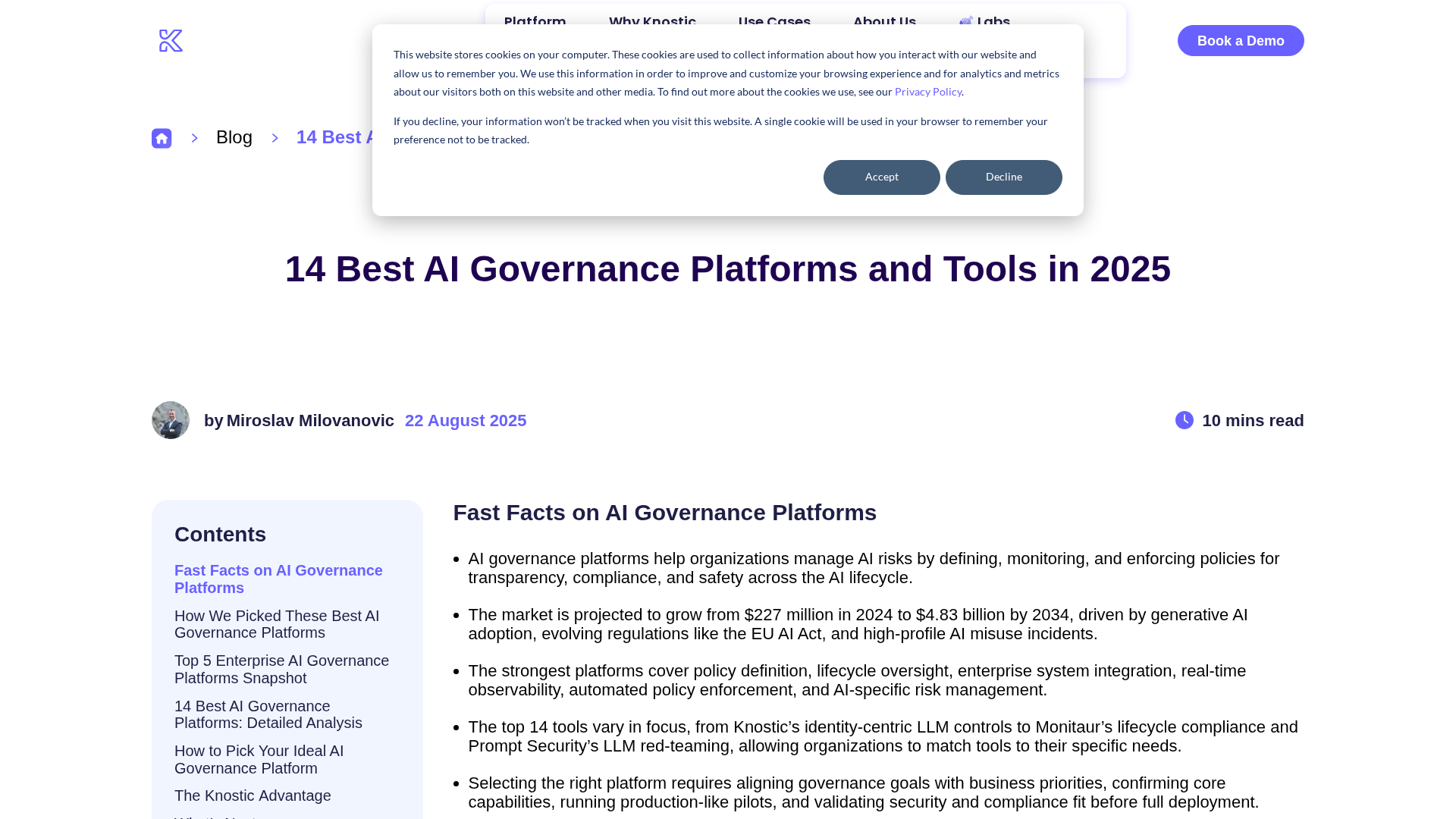
A vendor‑agnostic guide to the 14 best AI governance platforms in 2025, with criteria, comparisons, and practical buying guidance.
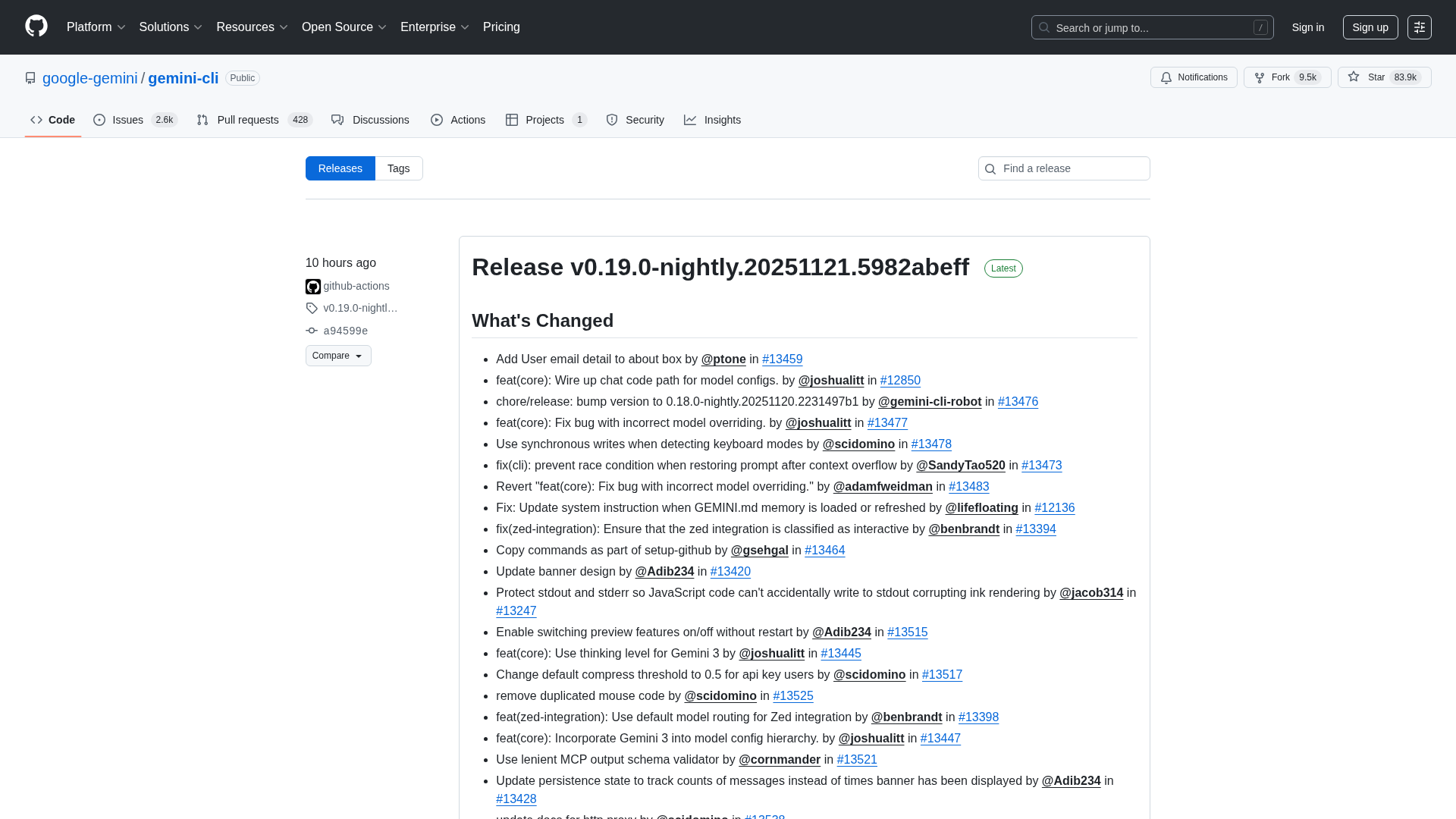
Overview of the Gemini CLI v0.36.0-preview release series, highlighting architectural, CLI, and UI changelogs across multiple pre-release versions.
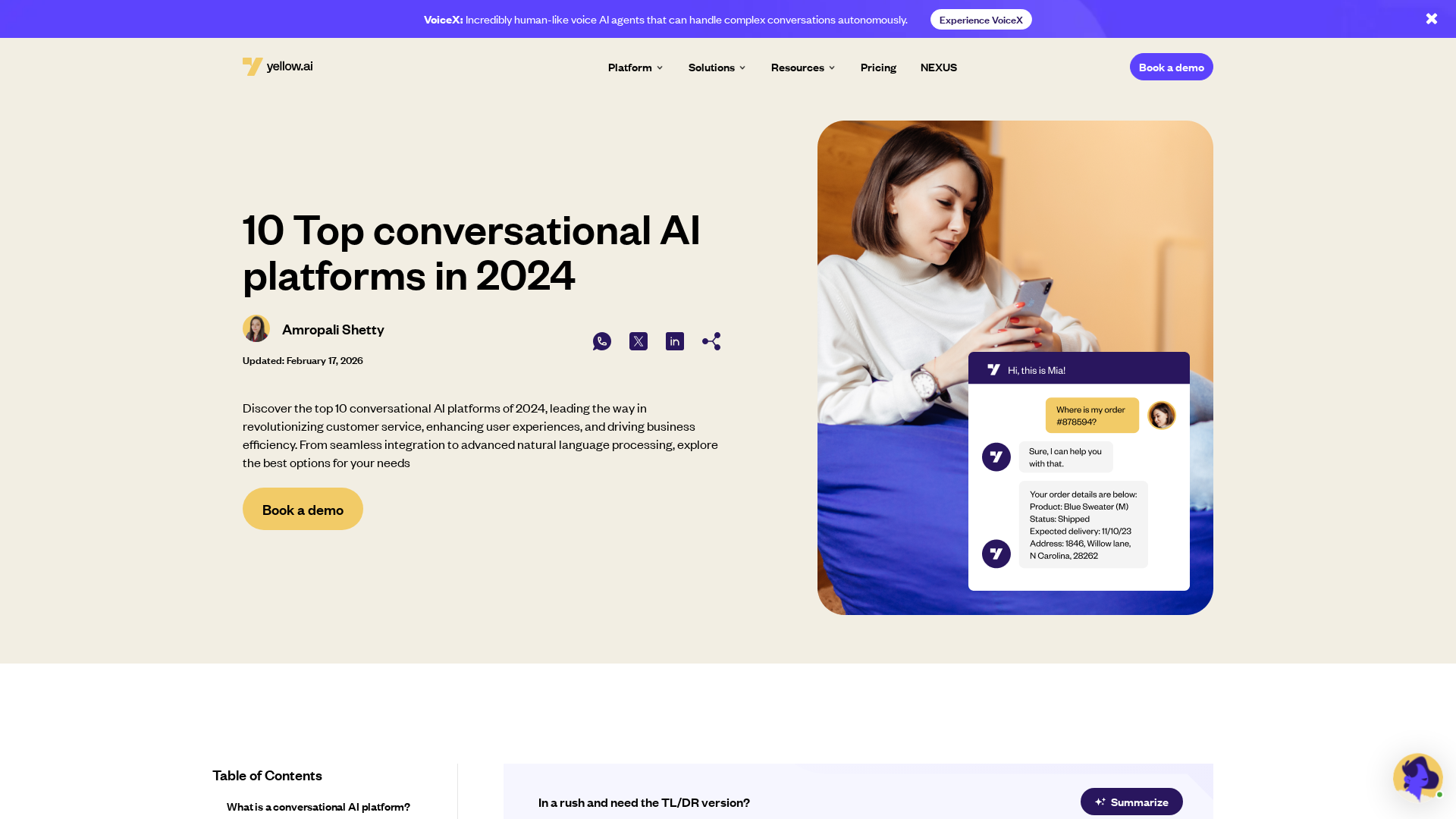
A concise guide to the top 10 conversational AI platforms in 2024, with features, benefits, and use cases.
In-depth look at Gemini 3 Pro benchmarks across reasoning, math, multimodal, and agentic capabilities with implications for building AI agents.

Adobe nears a $19 billion deal to acquire Semrush, expanding its marketing software capabilities, according to WSJ reports.