Topic Overview
Multi‑AI agent orchestration platforms connect and coordinate multiple specialized AI agents, LLMs and system integrations to automate complex business processes. This topic covers frameworks, enterprise orchestrators and marketplaces that let organizations compose agent fleets (customer‑facing bots, back‑office automations, voice agents, decision services) while providing governance, observability and scalable inference. Relevance in 2026: enterprises are moving from single‑model pilots to production multi‑agent deployments that require workflow orchestration, fine‑tuning, cost control and compliance. Rising demand for low‑code building blocks, model interoperability and hybrid reasoning (neural + symbolic) is driving new product patterns and operational requirements such as agent registries, runbook orchestration, real‑time assist and post‑hoc QA. Key tools and roles: LangChain (open‑source agent framework and commercial platform) supplies developer SDKs and orchestration primitives; IBM watsonx Assistant targets enterprise virtual agents and multi‑agent automations with both no‑code and developer workflows; Yellow.ai focuses on CX/EX automation across chat and voice channels; StackAI positions itself as an end‑to‑end low‑code/no‑code platform for building, deploying and governing agents; Tektonic AI emphasizes a neural + symbolic service layer for process automation; Observe.AI specializes in contact‑center voice/chat agents, real‑time assist and quality automation; Together AI provides scalable training, fine‑tuning and serverless inference infrastructure. Fujitsu and other enterprise orchestrator vendors focus on integrating heterogeneous agents, legacy systems and compliance controls at scale. Practical considerations: choose platforms based on integration needs, governance and observability, support for hybrid reasoning, scalability of inference, and available marketplaces/components to accelerate reuse. The ecosystem is maturing from toolkits to production‑grade orchestrators that balance autonomy, safety and operational visibility.
Tool Rankings – Top 6

An open-source framework and platform to build, observe, and deploy reliable AI agents.

Enterprise virtual agents and AI assistants built with watsonx LLMs for no-code and developer-driven automation.

Enterprise agentic AI platform for CX and EX automation, building autonomous, human-like agents across channels.

End-to-end no-code/low-code enterprise platform for building, deploying, and governing AI agents that automate work onun

AI agents and a service layer blending neural and symbolic reasoning to automate enterprise processes; flagship PrepMe:

Enterprise conversation-intelligence and GenAI platform for contact centers: voice agents, real-time assist, auto QA, &洞
Latest Articles (111)
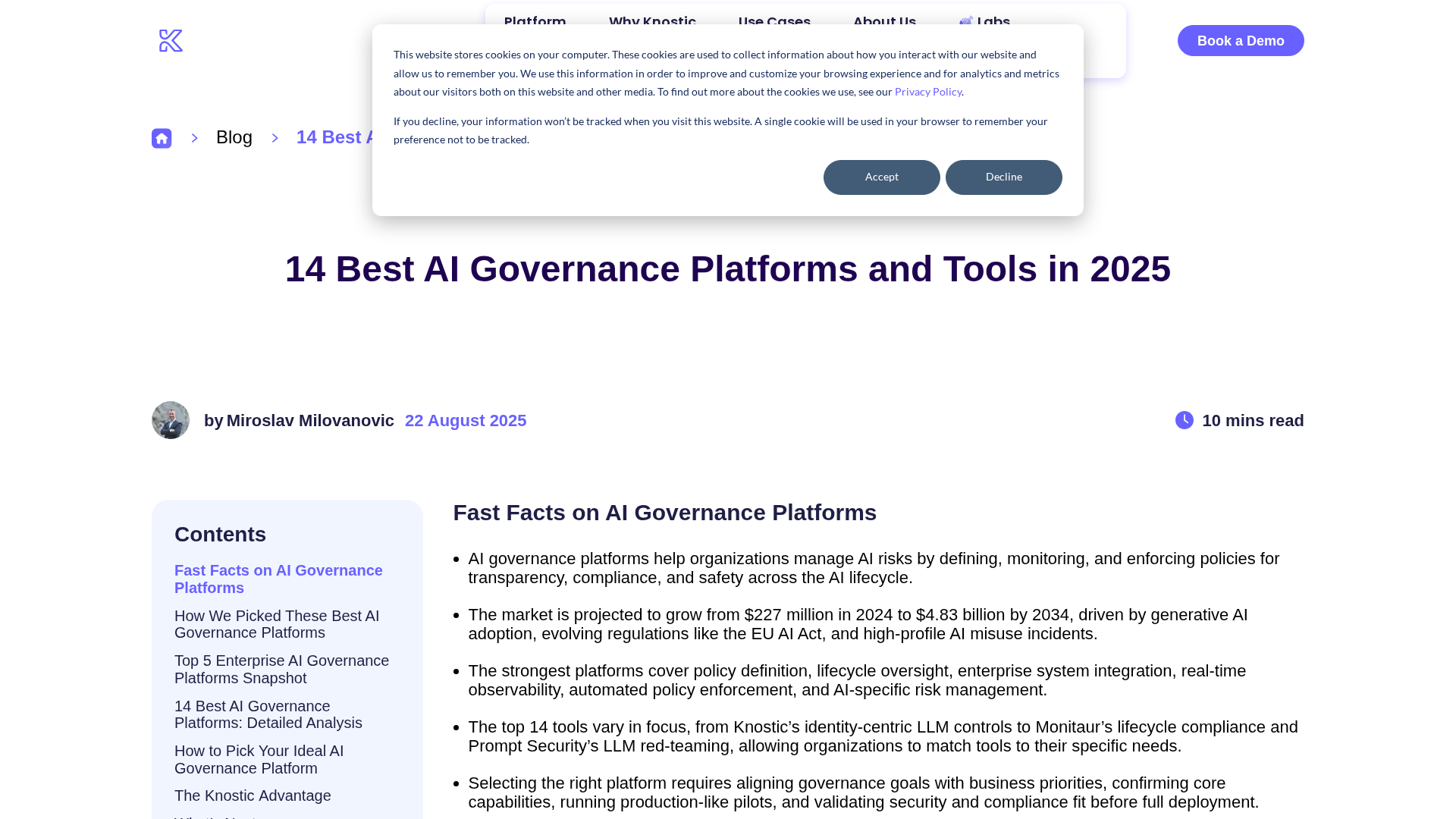
A vendor‑agnostic guide to the 14 best AI governance platforms in 2025, with criteria, comparisons, and practical buying guidance.
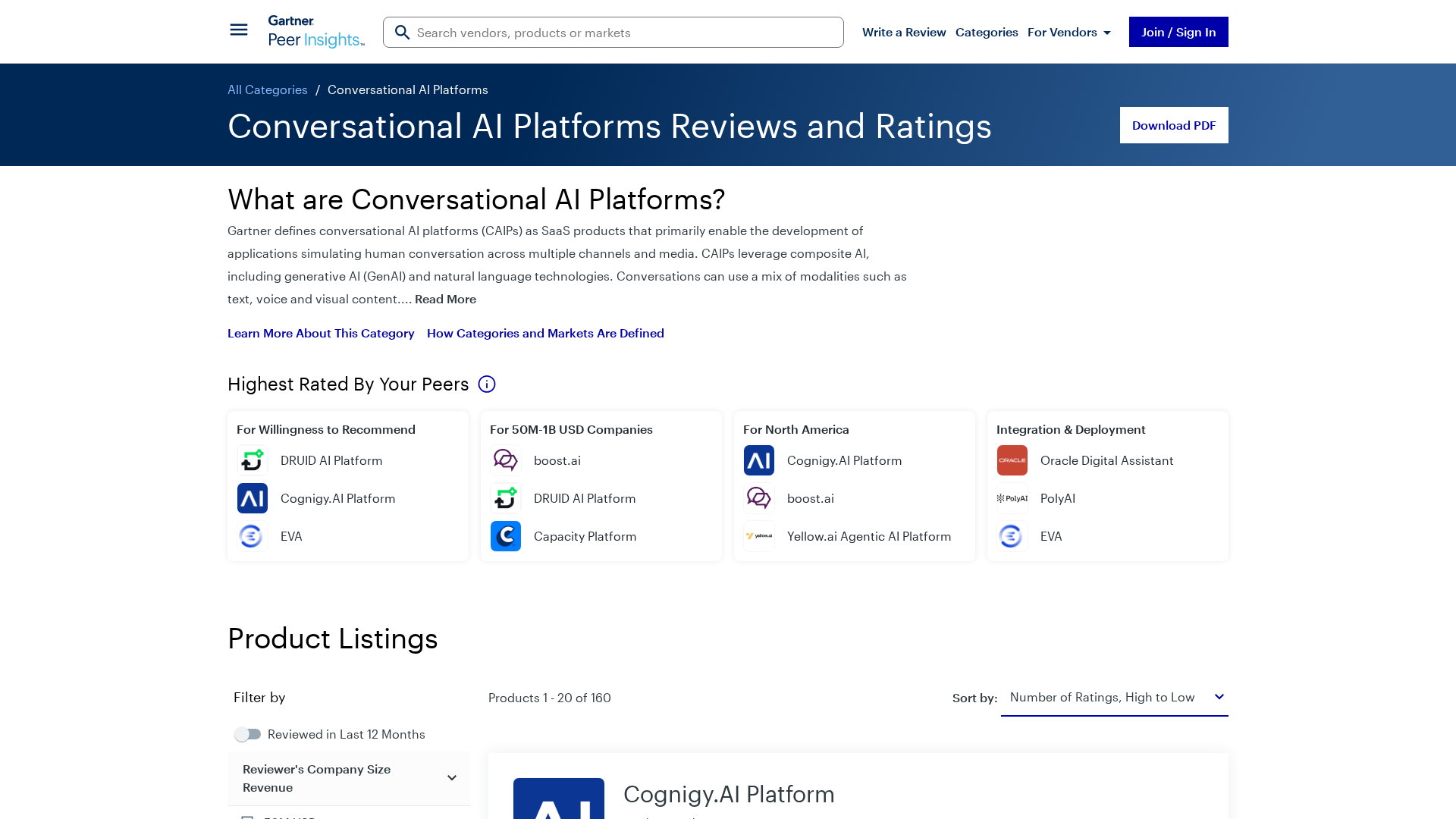
Gartner’s market view on conversational AI platforms, outlining trends, vendors, and buyer guidance.

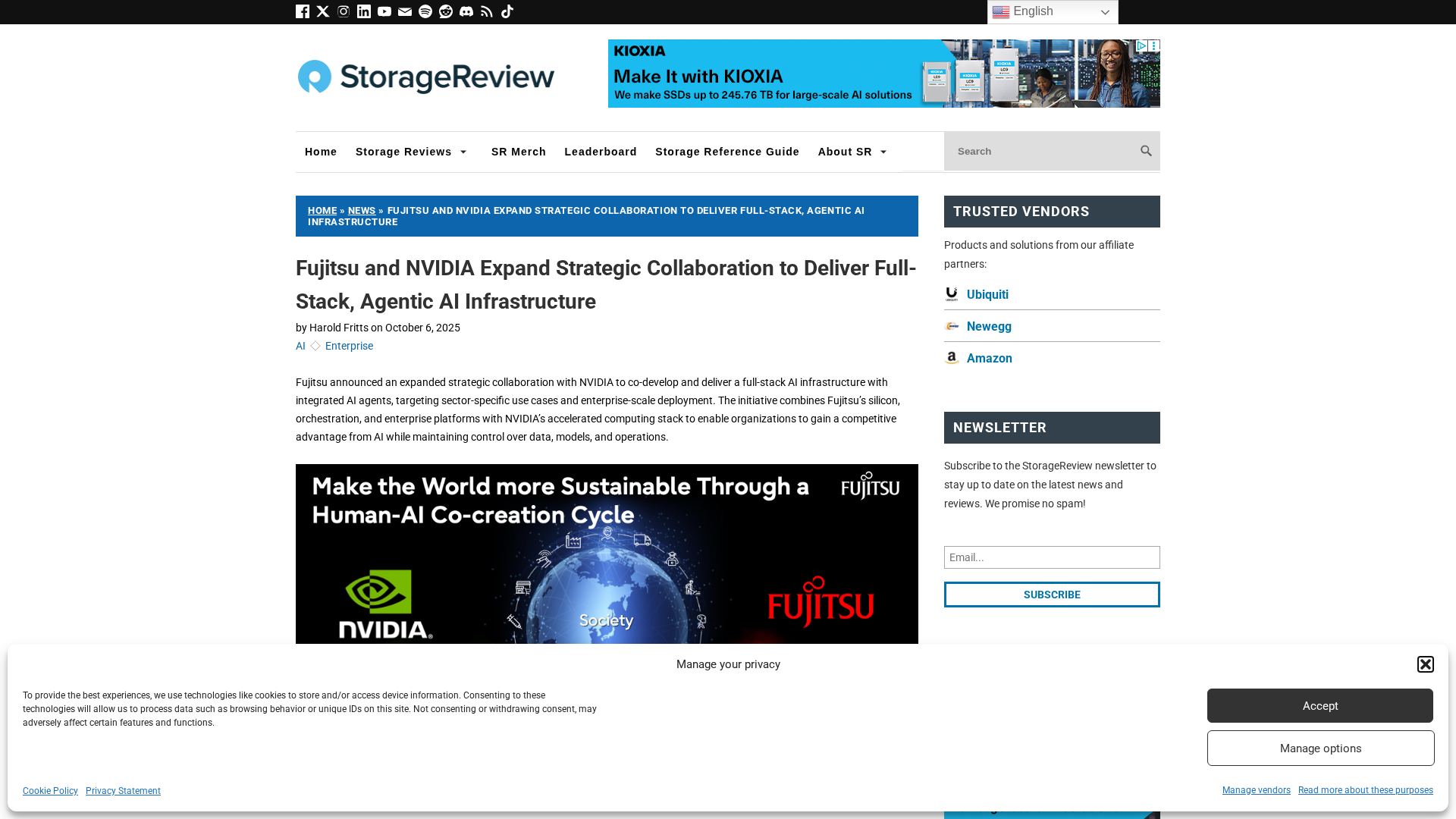
Baseten launches an AI training platform to compete with hyperscalers, promising simpler, more transparent ML workflows.
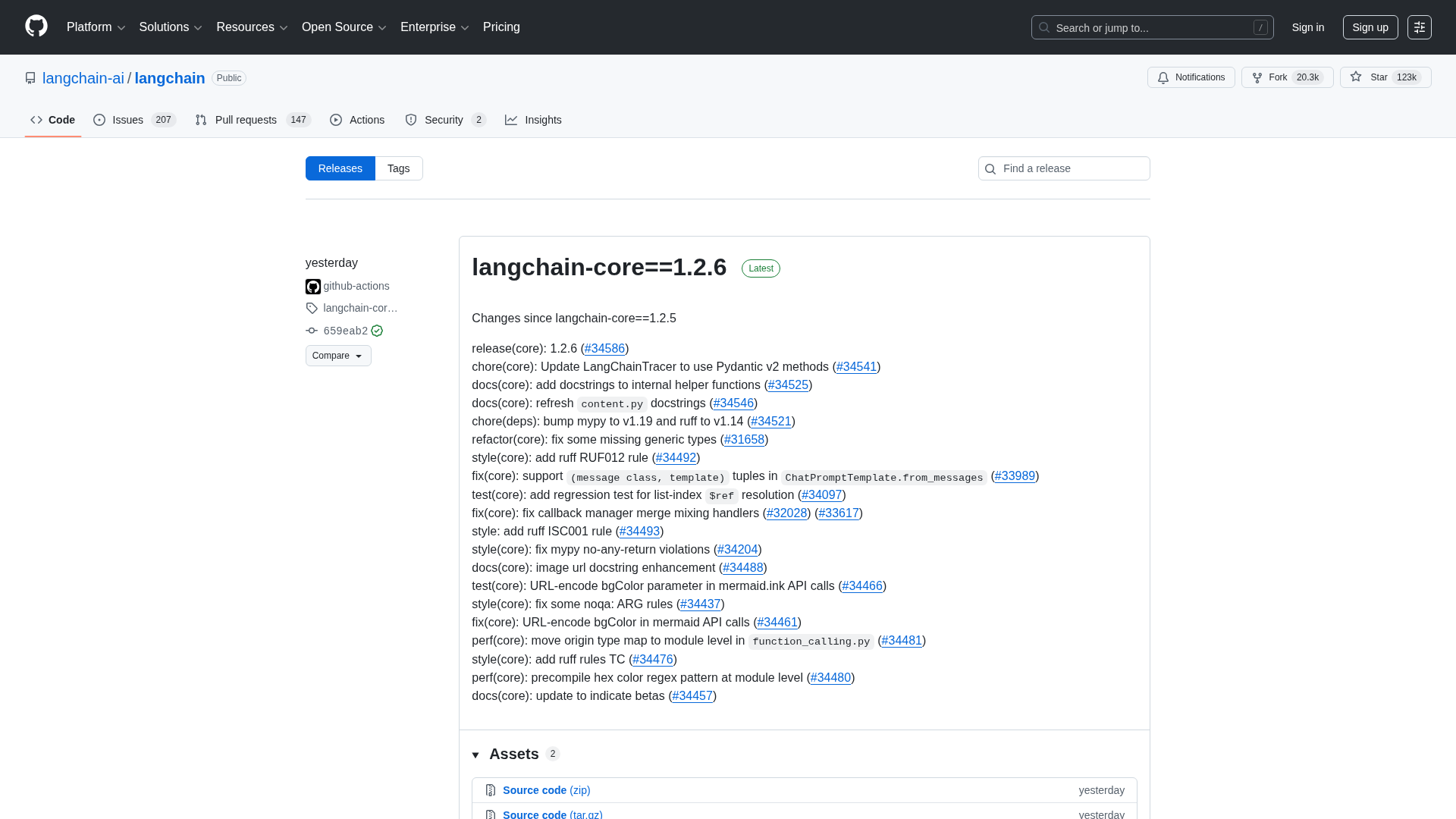
A comprehensive LangChain releases roundup detailing Core 1.2.6 and interconnected updates across XAI, OpenAI, Classic, and tests.
A reproducible bug where LangGraph with Gemini ignores tool results when a PDF is provided, even though the tool call succeeds.