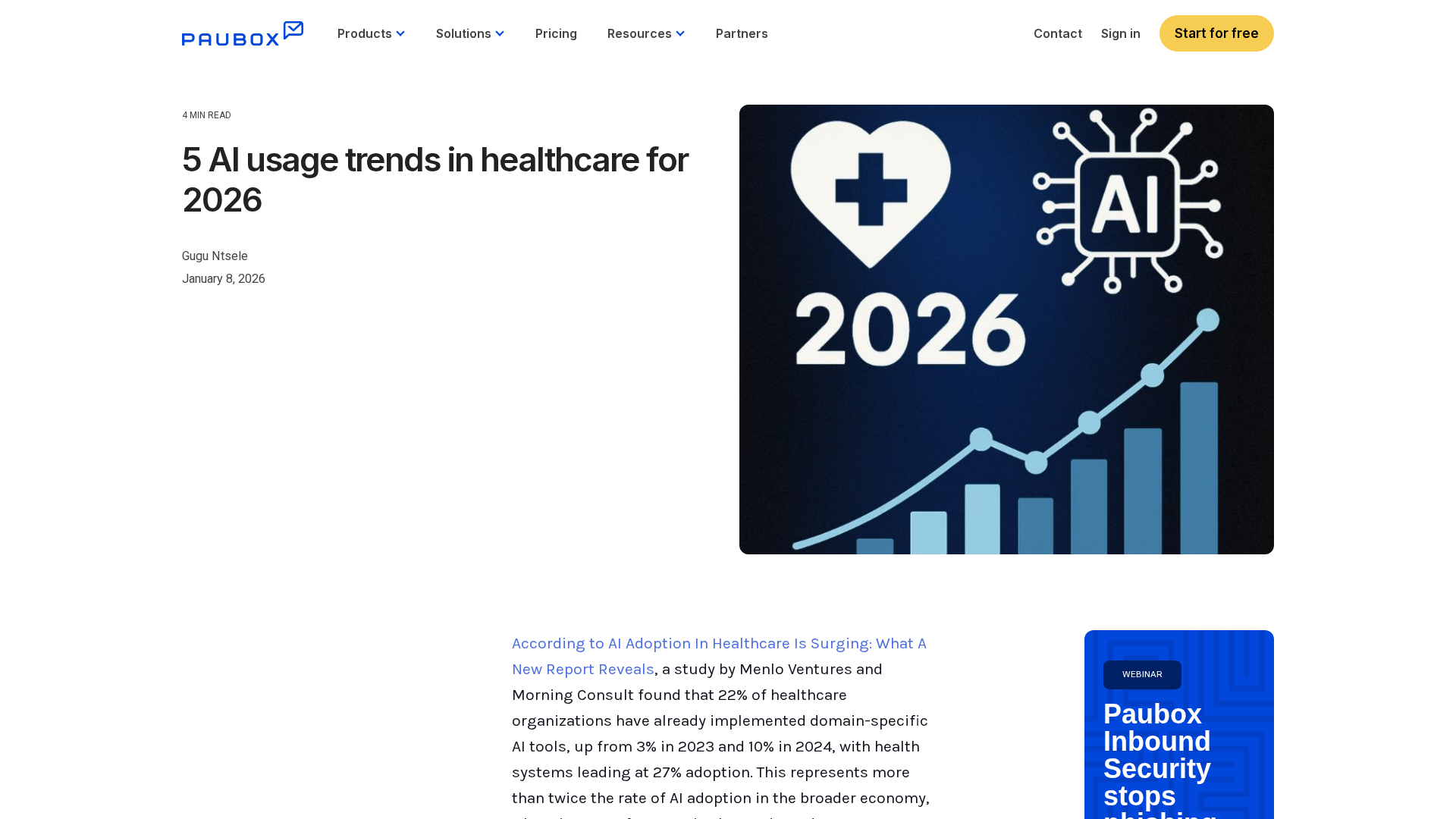
Topic Overview
This comparison surveys the leading AI platform categories healthcare teams use in 2026: marketplaces and deployment stacks, data platforms for model training and governance, clinical documentation tools, and regulatory/compliance tooling. Adoption has shifted toward private, customizable LLMs and agent architectures that support retrieval-augmented generation, audit logs, and fine-grained data controls. That makes platforms that combine enterprise model hosting, observability, and data curation particularly relevant for health systems and med‑tech vendors. Key offerings illustrate this trend: IBM watsonx Assistant provides enterprise virtual agents and multi-agent orchestration for no‑code and developer-driven clinical assistants; LangChain is a developer-first framework to build, test, observe, and deploy reliable LLM agents; Cohere supplies private, customizable models, embeddings and retrieval services for enterprise LLM deployments; MindStudio targets rapid no‑/low‑code design and operation of AI agents with enterprise controls. Microsoft 365 Copilot represents the productivity layer many organizations use to embed AI into documentation workflows, while DeepL and PDF.ai address language and document-driven use cases (high-quality translation and conversational access to PDFs such as clinical notes and research papers). DatologyAI and similar data-curation platforms focus on converting raw clinical datasets into model-ready, privacy-preserving training data. For buyers, the practical evaluation points are interoperability with EHRs, data lineage and provenance, model explainability and auditing, deployment governance, and vendor support for regulatory requirements (privacy laws, clinical validation pathways). This comparison helps clinical leaders and engineers weigh no‑code tools versus developer frameworks, private model hosting versus third‑party LLM services, and how data platforms and compliance tooling fit into safe, auditable AI workflows in healthcare.
Tool Rankings – Top 6

Enterprise virtual agents and AI assistants built with watsonx LLMs for no-code and developer-driven automation.

An open-source framework and platform to build, observe, and deploy reliable AI agents.

Enterprise-focused LLM platform offering private, customizable models, embeddings, retrieval, and search.

No-code/low-code visual platform to design, test, deploy, and operate AI agents rapidly, with enterprise controls and a
AI assistant integrated across Microsoft 365 apps to boost productivity, creativity, and data insights.

Machine translation, writing assistant, APIs and voice/desktop products with Pro subscriptions and API pricing.
Latest Articles (84)
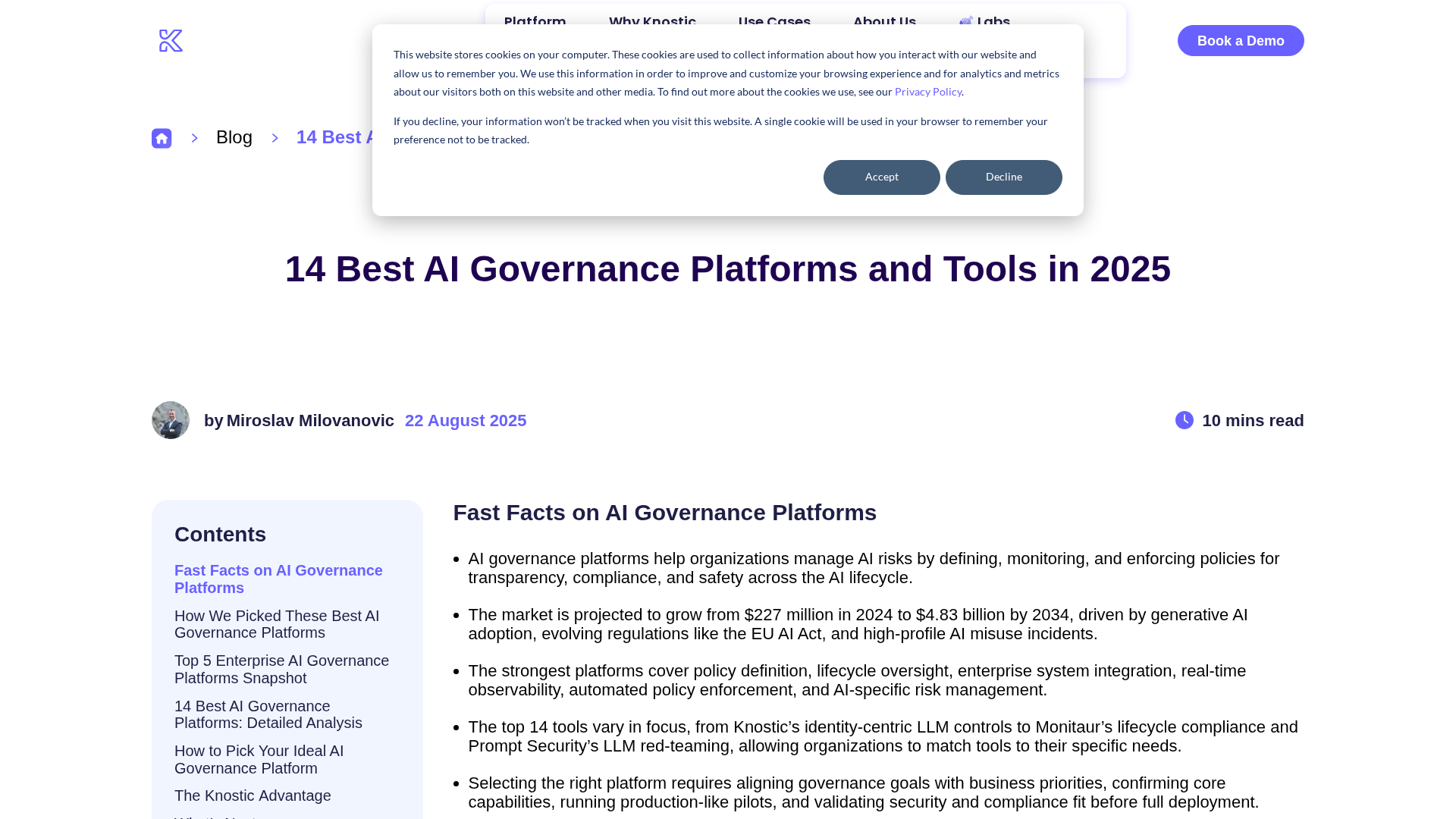
A vendor‑agnostic guide to the 14 best AI governance platforms in 2025, with criteria, comparisons, and practical buying guidance.
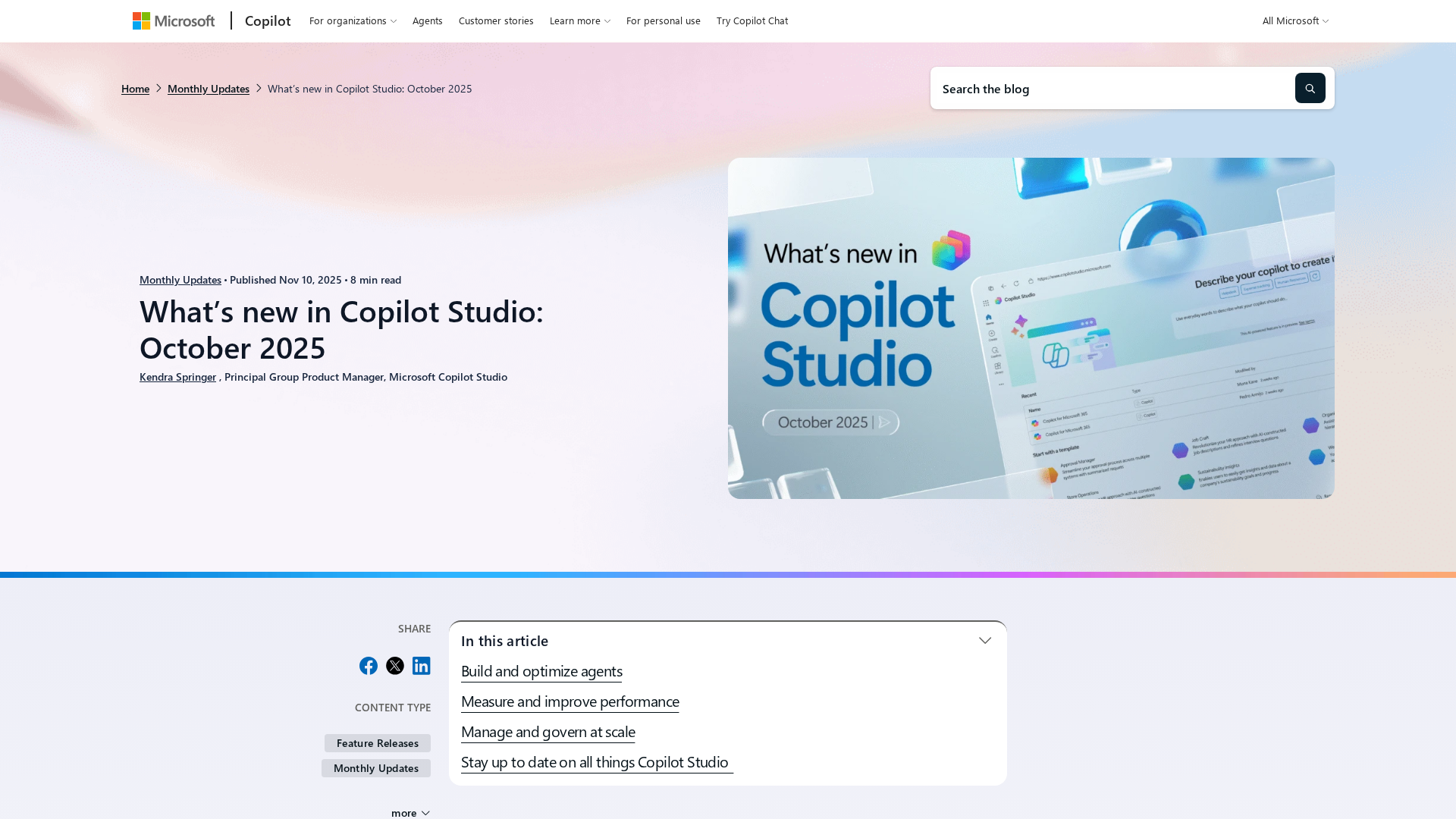
A comprehensive October 2025 roundup of Copilot Studio’s new testing, model, and governance features.
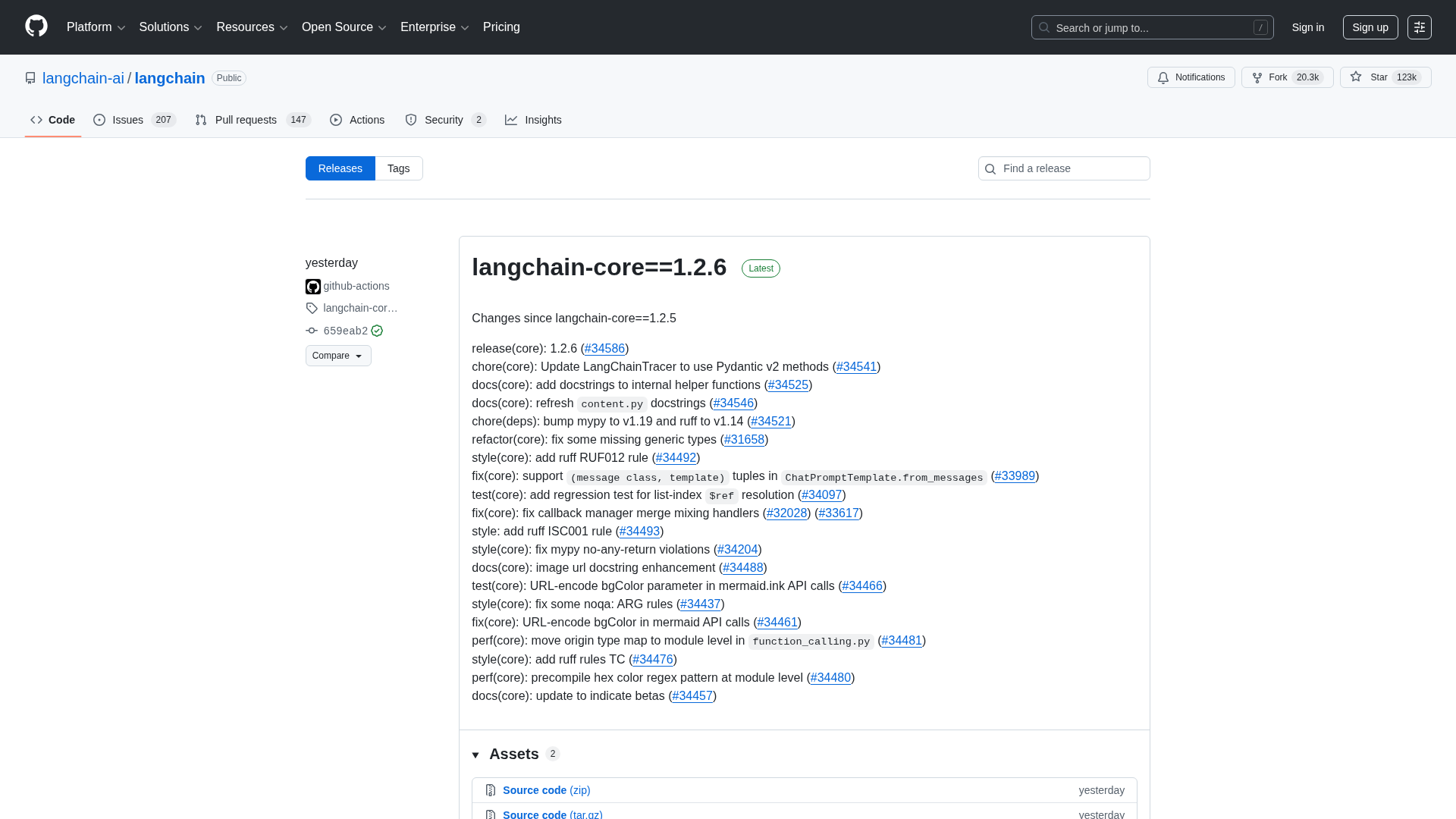
A comprehensive LangChain releases roundup detailing Core 1.2.6 and interconnected updates across XAI, OpenAI, Classic, and tests.
A reproducible bug where LangGraph with Gemini ignores tool results when a PDF is provided, even though the tool call succeeds.
A CLI tool to pull LangSmith traces and threads directly into your terminal for fast debugging and automation.